REVIEW · VENICE
Murano: Glass Lampwork Workshop and Walking Tour
Book on GetYourGuide →Operated by deTourist Valerio Coppo · Bookable on GetYourGuide
Glasswork in Murano is hands-on, not a show. I love the chance to make your own Venetian bead and I also like how the visit includes a real glass factory setting, active since 1295, where you can see lampworking tools at work. You’ll then cap it with a guided walking tour that helps you read Murano like a place, not just a stop.
The main “watch-out” is time. This is a tight 2-hour format, and the optional bead workshop is extra (€30 on-site), so you’ll want to decide early whether you’re here just to watch or to create.
If you get Valerio Coppo as your guide, you’re in good hands. The group tends to stay focused and even teenagers don’t check out, because he keeps the pace moving while still giving you time to notice the craft.
In This Review
- Key highlights worth choosing this tour
- Why Murano lampworking feels different from a souvenir stop
- Meeting at Murano Faro and what the 2-hour plan really needs from you
- Inside a glass factory active since 1295: what you’ll actually see
- The lampwork demonstration: how the craft becomes understandable
- Optional bead workshop (€30): making a Venetian bead you can keep
- Murano’s walking tour: churches, mosaics, and quieter corners
- Price and value: what $81 gets you, and when the €30 makes sense
- Who this tour suits best (and who might skip it)
- Should you book the Murano glass lampwork workshop and walking tour?
- FAQ
- How long is the Murano glass lampwork workshop and walking tour?
- Where is the meeting point?
- What’s included in the price?
- Is making a Venetian bead included?
- What will I see during the walking tour?
- What languages are available?
- Is this tour suitable for wheelchair users?
- Do I get to watch lampworkers, or is it only a tour of shops?
- Is there reserve now and pay later?
- What is the cancellation policy?
Key highlights worth choosing this tour
- Lampwork in action at a factory dating to 1295, not just a sales-floor showroom
- Make a Venetian bead using lampworking tools, then take it home
- Glass artisan demonstration showing how tradition and modern design meet
- Murano on foot with a local for churches and quiet corners beyond the main drag
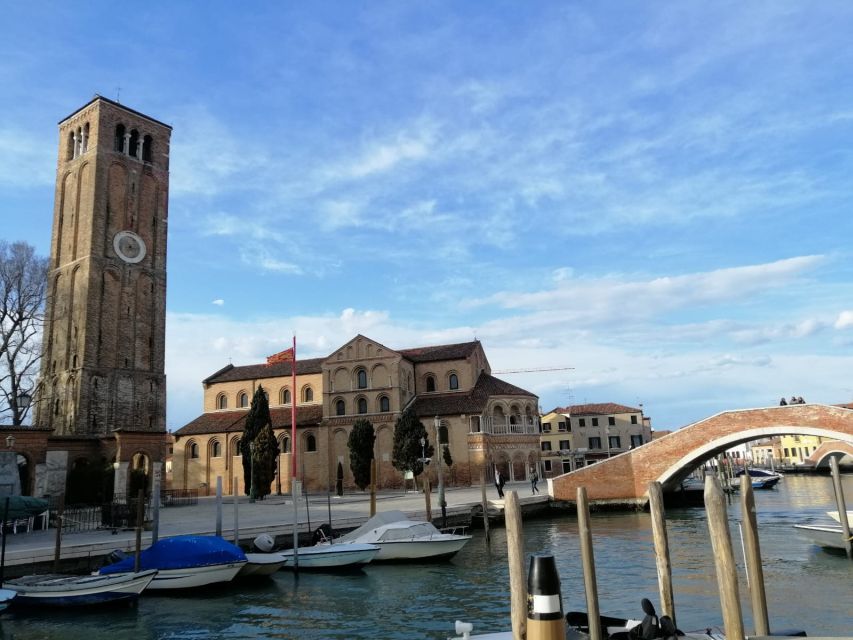
- Byzantine-style 12th-century mosaics in some Murano churches
Why Murano lampworking feels different from a souvenir stop
Murano’s glass reputation is real, but it can turn into a blur of glass shops if you only do free time. This experience leans the other way. You get the craft process first, then you use that context while you walk through the island.
What I like most is the balance between hands-on and watching. You see how lampworking is done in a working environment, and only then do you try to make something yourself—so the bead in your hand isn’t random, it’s the result of a technique you’ve just witnessed.
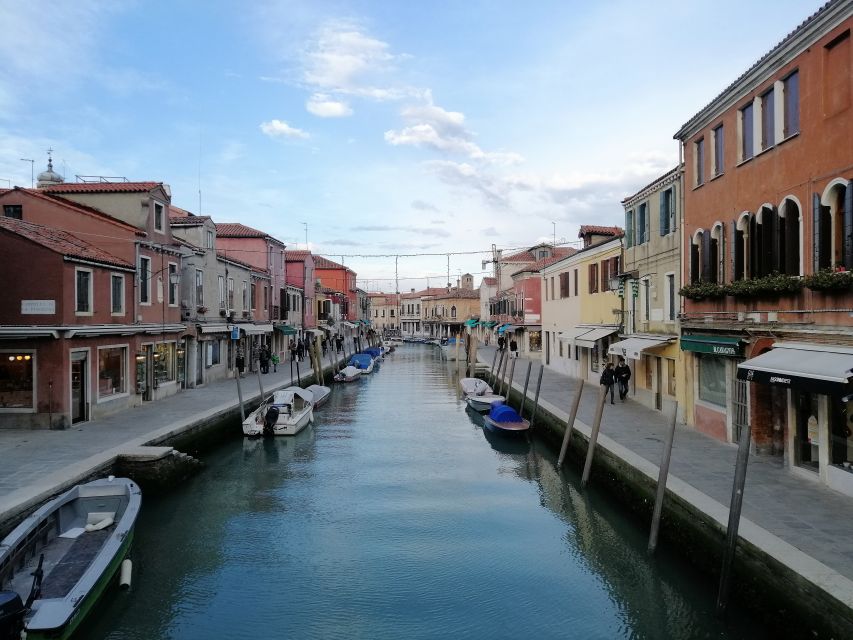
Also, the walking portion matters. Murano is small, but it still has layers—churches with famous mosaics, lanes that don’t feel like Venice, and viewpoints you’ll miss if you only hop between storefronts. This tour helps you connect the glass identity of the island with the places that have carried Murano’s culture for centuries.
You can also read our reviews of more walking tours in Venice



Meeting at Murano Faro and what the 2-hour plan really needs from you
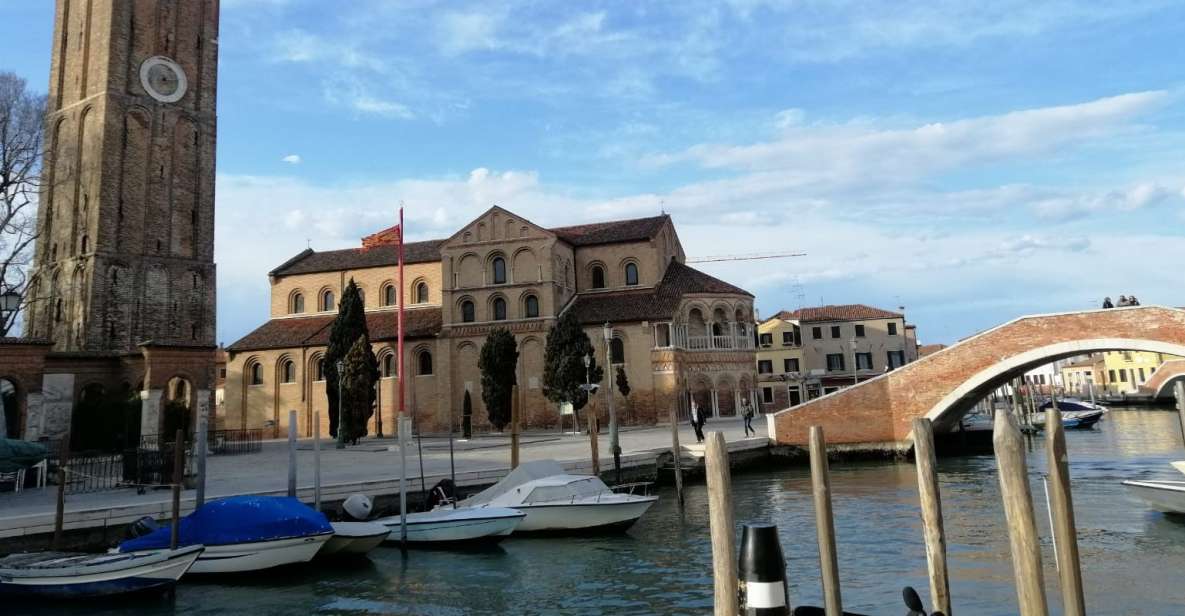
You meet your guide at Murano Faro, near the lighthouse. That’s a good start point because it puts you on the island quickly, without wasting time in transit from the Venice side.
Because the whole tour is 2 hours, you’ll want to show up with your footwear ready for walking and your brain ready for short, focused stops. This isn’t a slow stroll where you can drift and still catch everything.
You’ll also get a live guide in Italian, English, German, or Spanish, and that language choice affects your whole experience. When you can understand the craft explanations clearly, factory visits become far more interesting than just watching colors move in heat.
Inside a glass factory active since 1295: what you’ll actually see
The factory experience is the core of this tour. You’ll visit a glass factory showroom and get a look at how contemporary creativity still uses old methods. The big promise here is access: you’re not only seeing product, you’re seeing process.
The tour includes stepping into one of the oldest glass factories in the world, active since 1295. Even if you’re not a “glass person,” that date changes how you watch. You start noticing details like how the workspace is arranged, how tools are organized for speed and safety, and why certain motions repeat—because the process is built on technique.
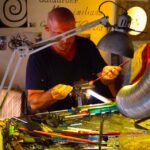
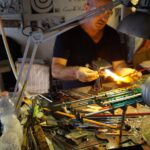
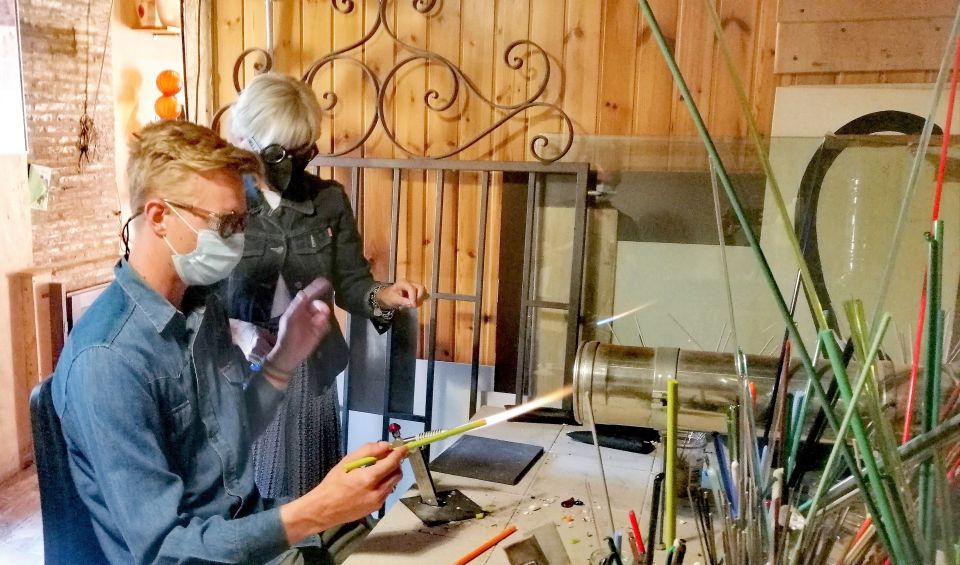
You also get a glass artisan demonstration. This is where the craft becomes understandable. You see how the heat, the tools, and the glass behavior work together, and you get a sense for why Murano glass became so specialized in the first place.
One small consideration: factory visits can be visually intense. If you prefer quiet museum pacing, you might wish you had more time in the workshop after the demo. Still, the structure keeps things moving so you don’t lose the thread.
The lampwork demonstration: how the craft becomes understandable
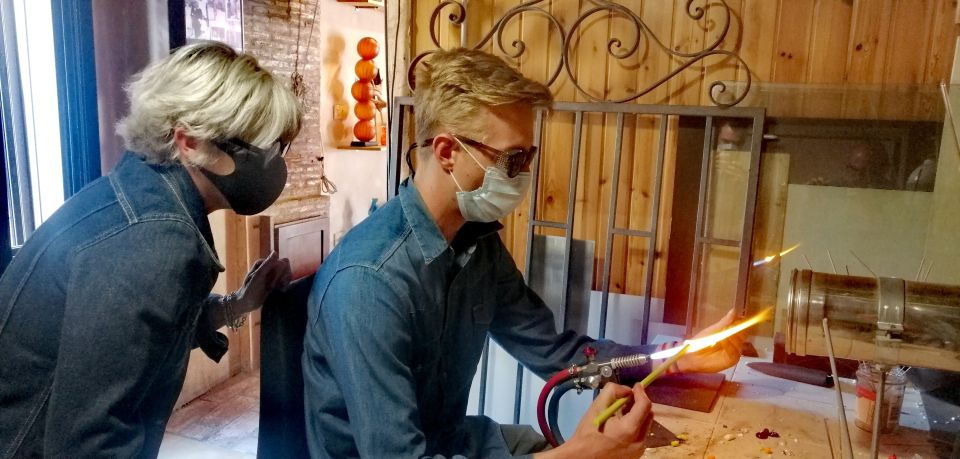
Lampwork is often described in big, romantic terms. On this tour, it’s practical. You’ll watch a demonstration that explains what’s happening as the artisan shapes glass using lampworking tools and equipment.
This part is valuable because it turns a common tourist item—beads—into a craft with steps. You’ll likely start noticing things like:
- the way the artisan controls shape and thickness
- how glass is manipulated before it cools
- how tools relate to the final bead size and look
And since the tour is guided, you’re not guessing what you’re seeing. When you can connect the motion you watch to the object you’ll eventually make (or take home), the experience feels earned instead of passively observed.
Optional bead workshop (€30): making a Venetian bead you can keep
Here’s the key choice: you can join the optional Venetian beads workshop for €30 per person on-site. The tour structure supports both paths—you’ll still see the factory visit and the demonstration—but the workshop is what makes it personal.
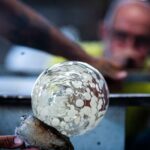
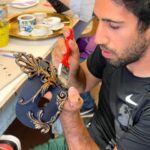
If you take the workshop, the payoff is simple: you hand-create a bead that you can take home. That’s not just a souvenir. It’s the one object from the trip that carries your time and effort, and it connects directly to what you watched earlier.
You’ll work using lampwork tools and an oven, with safety and protection equipment provided. That matters because lampworking is close work with heat and tools, so it’s reassuring to know the experience is set up to protect you.
Timing note: because the bead workshop is optional, your schedule depends on how your group fits it in. If you’re the type who likes certainty, choose the workshop early in your planning and be ready for a short, focused hands-on block inside the 2-hour overall tour.
You can also read our reviews of more tours and experiences in Venice

Murano’s walking tour: churches, mosaics, and quieter corners
After the factory and craft moments, you’ll finish with a guided sightseeing walk around Murano. This is where the island becomes more than glass.
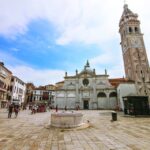
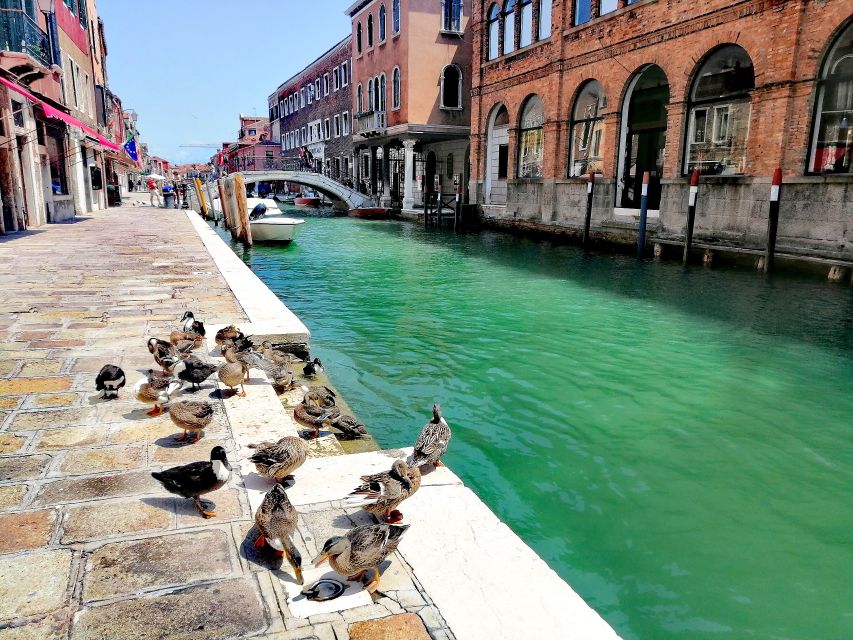
You’ll explore notable Murano sights and also walk through off-the-beaten-track spots with your local guide. That phrase matters because Murano has a mainstream route, and it tends to feel repetitive if you follow it too closely. With a guide, you can aim for the places that add variety: lanes that feel residential, small viewpoints, and church areas that don’t show up on every postcard.
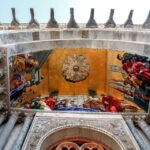
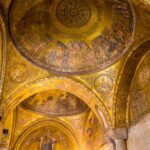
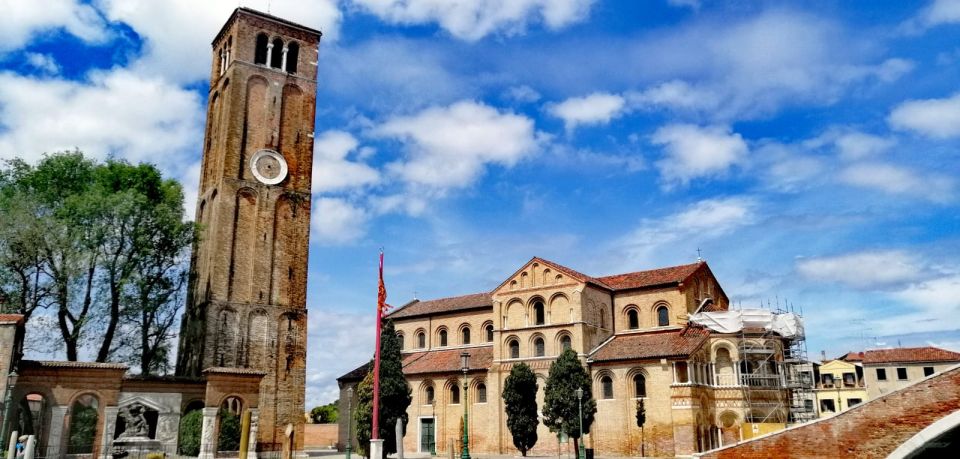
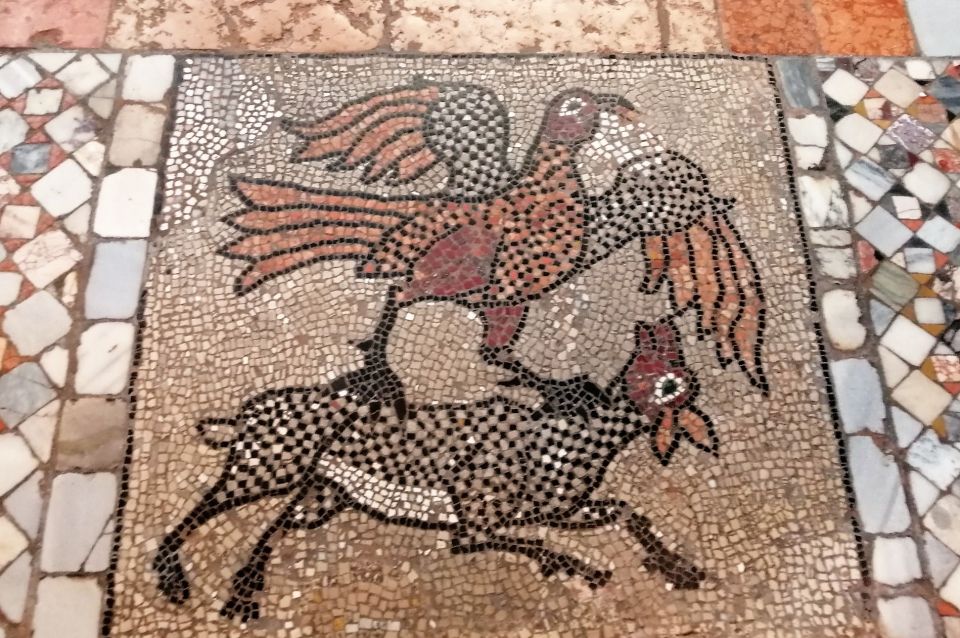
The standout cultural detail here is the chance to see Byzantine-style 12th-century mosaics in some of Murano’s churches. Even if you’ve never cared much about mosaics before, this helps you understand why Murano mattered beyond industry. It wasn’t just manufacturing glass—it was a community with art, worship, and long-term identity.
Practical tip: in short tours, walking time is precious. Use the walk to ask your guide what to look for in the churches—simple cues help you notice mosaic patterns instead of just snapping photos and moving on.
Price and value: what $81 gets you, and when the €30 makes sense
At $81 per person for a 2-hour experience, you’re paying for three things: a live interpretive guide, factory access plus a demonstration, and the walking route. That’s more than a basic Murano “hop-on hop-off” day, and it’s more structured than a DIY visit.
Then there’s the optional component: the €30 bead workshop. If you’re deciding whether to pay extra, think about what kind of traveler you are.
- If you want a story, not just pictures, the bead-making is the best value add. You leave with something tangible tied to the technique you watched.
- If you’re short on time or you’re hesitant about hands-on work, you can still enjoy the factory tour and demonstration. You’ll just skip the personal souvenir part.
Also keep in mind how Murano fits into a Venice trip. This tour can be a calmer, craft-focused break from the faster pace of Venice. One reason people rate this tour so highly is that it gives you a “real activity” on the island, not another round of browsing.
Who this tour suits best (and who might skip it)
This is a good match if you’re:
- curious about how glass is made, not just what it looks like
- traveling with teens or mixed-age groups who need activity to stay engaged
- short on time and want a guided Murano experience without planning every stop
It’s less ideal if you:
- need wheelchair-friendly routes or have mobility constraints, because the tour is not suitable for people with mobility impairments or wheelchair users
- want a long, slow, museum-style day with lots of free time after the main activities
If you’re the kind of traveler who likes compact experiences with a strong centerpiece, you’ll likely enjoy how everything stays focused: factory → craft demonstration → optional creation → walking tour.
Should you book the Murano glass lampwork workshop and walking tour?
I’d book this when you want a Murano day that feels purposeful. The combination of factory access, a hands-on option, and a guided walk with church mosaics makes it more than a glass-shopping outing.
Skip it only if you know you don’t want the craft side at all. If you’d rather roam freely, buy a bead, and take your own photos, this won’t feel as flexible. But if you want to understand Murano’s glass identity and come away with at least one real experience you can point to, this is a strong pick.
FAQ
How long is the Murano glass lampwork workshop and walking tour?
The tour lasts 2 hours.
Where is the meeting point?
Meet your guide at Murano Faro, near the lighthouse.
What’s included in the price?
Included are a tour leader/interpretive guide, a walking tour, a glass factory showroom visit, and a glass artisan demonstration.
Is making a Venetian bead included?
Making your own Venetian bead is part of an optional workshop. The optional Venetian beads workshop costs €30 per person and is paid on-site.
What will I see during the walking tour?
The walking tour includes sightseeing around Murano, and it includes churches with Byzantine-style 12th-century mosaics.
What languages are available?
The guide offers tours in Italian, English, German, and Spanish.
Is this tour suitable for wheelchair users?
No. It is not suitable for people with mobility impairments or wheelchair users.
Do I get to watch lampworkers, or is it only a tour of shops?
You’ll visit a glass factory showroom and see a glass artisan demonstration in a factory setting.
Is there reserve now and pay later?
Yes. You can reserve now & pay later, keeping your travel plans flexible.
What is the cancellation policy?
You can cancel up to 24 hours in advance for a full refund.