Venice can feel like one big photo stop. This walk makes it feel like a neighborhood story, told in real time through Dorsoduro and the quieter streets locals use. I love how the route mixes urban design, art landmarks, and everyday Venice—so you start seeing the city as a system, not a checklist.
Two things I especially liked: the way the guides, Nicolò and Aleksandra, explain Venice with energy and clarity, and the mix of sights that connect buildings to how people lived. You also pick up useful Venetian words—like squero and palazzo—without it turning into a lecture.
One consideration: you’ll be outside most of the time, and a couple of the big stops have entries not included, so you may want to plan for church/palace tickets and good weather.
In This Review
- Key highlights you’ll actually use
- Why Dorsoduro is the right “lens” for Venice
- Campo Santa Margherita and the “square logic” of Venetian life
- Squole, vocabulary, and the meaning of squero
- Osteria Al Squero: a Venetian aperitivo without the tourist attitude
- Fondamenta Zattere and Campo Sant’Agnese: water, ports, and urban design
- Punta della Dogana to Santa Maria della Salute: trade, Palladio, and tradition
- Ponte de la Toletta and Ca’ Rezzonico gardens: carnival details and a palazzo viewpoint
- What I love about the guiding style: energy with purpose
- Price and value: what $75.24 covers, and what to budget for
- Practical tips: shoes, timing, and getting your day to work
- Who this tour suits best (and who might want a different option)
- Should you book this Venice Historic Walk?
- FAQ
- How long is the Venice Historic Walk?
- What is the starting location and end location?
- What time does the tour begin?
- Is this a private tour?
- What is included in the price?
- Are tickets inside churches and palaces included?
- Is the aperitivo stop included, and are drinks covered?
- Is there an access fee for some visitors?
- What happens if weather is bad?
Key highlights you’ll actually use
- Dorsoduro, not the tourist loop: quiet streets and local rhythm for most of the walk
- Squero + gondola boatyard context: you learn the city’s craft side, not just monuments
- A small Venetian aperitivo moment at an osteria stop
- Urbanism on Campo Sant’Agnese: Venice’s layout through practical architecture talk
- Punta della Dogana and merchants: how trade shaped what you see along the water
- Palladio and Venetian baroque life at Santa Maria della Salute
Why Dorsoduro is the right “lens” for Venice
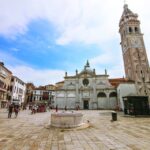
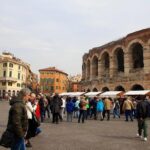
Start your morning at Campo Santa Margherita, and you’ll feel the difference right away. This square is a classic Venetian meeting point, the kind of place where locals pass through without needing a ticket or a museum map. From there, the walk keeps steering you away from the busiest corridors.
The big win here is that the tour doesn’t treat Venice like a theme park. It treats the city like a living place built from choices: where people live, where boats work, and how water and streets shape daily movement. By focusing on Dorsoduro, you get a sense of what Venice feels like when it’s not performing for crowds.
And because the walk is paced around architecture and traditions, you’ll start noticing patterns fast. Facades, canals, small bridges, and street alignments stop looking random. You begin to understand how the city grew and how it still functions today.
You can also read our reviews of more walking tours in Venice
Campo Santa Margherita and the “square logic” of Venetian life
Your first stop is Campo Santa Margherita, one of those Venetian squares that works as a social hub and a navigation landmark. On a walking tour, squares matter more than you might think. They break the city into readable pieces, and they give you a place to reset your bearings.
In practical terms, this kind of start helps you settle in early. If you arrive feeling overwhelmed, squares act like anchors: you orient, listen, and then move on with confidence. Also, the route timing is built for a morning stroll, so you’re less likely to feel swallowed by late-day crowds.
You’ll also learn to watch for the details around squares—how buildings frame the open space and how streets funnel you in and out. That is a skill you’ll keep using long after the tour ends.
Squole, vocabulary, and the meaning of squero
Next you head to the Scuola Grande dei Carmini, where you’ll get a clear explanation of what a scuola is. You don’t need to have the building memorized beforehand. The point is to understand the role these institutions played in Venetian society, so later you can recognize them as part of the city’s identity.
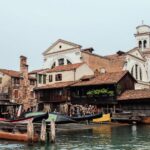
Then comes one of the most memorable shifts: Squero Domenico Tramontin e Figli. The tour makes the “squero” concept click by tying it to Venice’s craft culture. You’re not just looking at a structure—you’re seeing where gondola work historically happened, and how that ties into the city’s relationship with water.
This is where the guide names and lesson style really matter. With Nicolò and Aleksandra, you get explanations that sound like a friend pointing out something they care about, not a script read at you. You’ll likely walk away speaking a bit more Venetian, at least in the way you interpret the city’s language.
Potential drawback here: stops like these can be more about seeing and learning than standing around for long photos. If you love long museum-style time, plan for shorter, more frequent pauses.
Osteria Al Squero: a Venetian aperitivo without the tourist attitude
After the gondola boatyard stop, you shift to Osteria Al Squero for a Venetian aperitivo moment. This part works because it’s not a random food stop. It’s placed right after the craft/history segment, so you feel the connection between how the city works and how it relaxes.
One practical note: alcoholic beverages aren’t included. So if you’re budgeting, don’t assume the drink is free across the board. Still, even when you skip alcohol, an aperitivo-style break is a nice way to slow down and absorb what you just learned.
What I like about this stop is the atmosphere logic. Instead of eating and running, the tour uses the pause to reset your attention before moving back toward the water and the bigger landmark zones.
Fondamenta Zattere and Campo Sant’Agnese: water, ports, and urban design
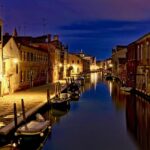
Your next stretch takes you to Fondamenta Zattere, a port and canal-focused area. Venice doesn’t make sense unless you see it through the water system. This stop helps you do that by pointing your attention toward the relationship between buildings, edges of the canal, and merchant movement.
Then you move to Campo Sant’Agnese, where the emphasis is on Venetian urbanism. This is the part that can feel abstract if you’re not in the right mindset. But walking around while someone explains the layout makes it land. You start noticing how the city uses space: how neighborhoods hold together, how routes connect, and how the built environment supports everyday life.
A big advantage of this segment is that it makes Venice’s architecture practical. Instead of only looking for style, you learn why certain choices were made. That’s the difference between seeing Venice and understanding it.
You can also read our reviews of more city tours in Venice

Punta della Dogana to Santa Maria della Salute: trade, Palladio, and tradition
At Punta della Dogana, the tour brings in the custom house angle and the merchants of Venice. This stop is a useful bridge between the quiet, local feeling of Dorsoduro and the wider story of how Venice functioned economically. You’re looking at a place where trade history isn’t just a concept—it’s built into the city’s identity along the water.
From there, you head toward Basilica di Santa Maria della Salute, tied to Palladio and the blend of Venetian baroque with everyday life traditions. This is one of the stops where you’ll want to read the building with fresh eyes, because the tour has already trained you to connect architecture to how people lived.
Important budget note: entrance tickets inside churches aren’t included. So if you want to go inside fully, plan for that cost separately. (And if you prefer just a viewpoint and exterior look, you can still get a lot from the explanation outside.)
This segment tends to be a highlight for anyone who likes how art and city life overlap. You’re not only chasing beauty—you’re getting context for why Venice made certain architectural choices.
Ponte de la Toletta and Ca’ Rezzonico gardens: carnival details and a palazzo viewpoint
After Santa Maria della Salute, the route shifts into tradition mode again at Ponte de la Toletta, linked here with Venetian Carnival. Even if you don’t care about carnival events specifically, this stop helps you recognize how Venice “stores” its identity in small details. Bridges and corners become storytelling surfaces.
Finally, you reach Giardini di Ca’ Rezzonico for a Venetian palazzo perspective. This is a good end note because palazzi aren’t just big houses. They’re part of how Venice organized status, family life, and civic identity. In a garden setting, you also get a calmer feel to close the walk.
This ending can be a nice payoff if you’ve been paying attention to how architecture creates atmosphere. You’ll likely find that the last stop reframes what you saw earlier: the city’s craftsmanship, the water edges, and the grand buildings all connect through one idea—design serving a way of life.
What I love about the guiding style: energy with purpose
The best walks don’t just show you places. They teach you how to look. Here, the guide pair—Nicolò and Aleksandra—brings a tone that feels friendly and sustainable, with a focus on responsible travel through exchange and sharing. That shows up in how they talk: less performance, more real explanation.
Their route approach also helps you avoid the usual trap of Venice walks that are all stop, photo, hurry. Instead, you get small chunks of information tied to what you’re standing near. That keeps you engaged even when streets narrow or the route turns quieter.
If you want a route that feels like someone is showing you their home, this is the style. The tour is private, so it’s just your group, and the pacing can feel more natural than big public tours.
Price and value: what $75.24 covers, and what to budget for
The price is $75.24 per person, and for a roughly 2 hours 30 minutes private, guided experience, that’s reasonable—especially when you consider what’s built into the stops. A guide is included, and most stops here are listed with admission ticket free.
What isn’t included matters, though. Tickets inside churches or palaces aren’t included, and the itinerary specifically marks Punta della Dogana and Basilica di Santa Maria della Salute as not included for admission. If you want to go inside those places, you’ll need to budget extra.
Also, alcoholic beverages aren’t included. The aperitivo stop is part of the experience, but don’t assume the drink tab is covered.
One more practical point: on certain dates, visitors planning a day trip from outside Venice may face a €5 access fee. The tour info points you to the city’s official page for dates and exemptions, so check it for your exact day before you show up.
Practical tips: shoes, timing, and getting your day to work
This walk starts at 9:00 am at Campo Santa Margherita (30123 Venezia VE) and ends at Campo San Barnaba (30123 Venezia VE). That matters because you can plan breakfast, then slot the tour as an early anchor before you explore the rest of Venice on your own.
You’ll also be on foot for most of the 2h30 duration. If you’re coming straight from another activity, give your feet a break first. Venice streets can be uneven, and you don’t want your day to turn into a shuffle contest.
Weather counts. The experience requires good weather, and if it’s canceled due to poor weather, you’ll be offered a different date or a full refund. So if you’re scheduling around storms, keep a bit of flexibility.
It’s also described as near public transportation. That’s useful if you’re not staying right in the center, because you can get close without turning the start time into a travel headache.
Who this tour suits best (and who might want a different option)
This is a strong fit for you if you want:
- a local-feeling route focused on Dorsoduro
- architecture and urbanism explained in plain language
- a walk that teaches real Venetian terms like squero and palazzo
- a guided day that mixes history, city planning, and everyday traditions
It may be less ideal if you want only indoor sites with long entry times. A few major landmarks have ticketed interiors not included, and the format is built around short stops and explanations rather than museum-style pacing.
Also, since it’s a private tour, it’s great for groups who want attention and comfort. If you’re traveling alone and prefer a more social, chatty environment, you might choose a different format. But if you want a focused walk with your own group, private is a plus.
Should you book this Venice Historic Walk?
Yes, if you want Venice that feels lived-in. This tour’s real strength is the way it connects places you’d otherwise pass by—scuole, a squero boatyard, canal edges, and planning-focused neighborhoods—to a bigger understanding of how Venice works.
Book it especially if you’re the kind of traveler who hates vague tours. Here, you leave with clearer words, clearer connections, and a route you can repeat on your own later. Add in the friendly, energetic guidance from Nicolò and Aleksandra, and the experience has a personal feel without losing structure.
If you’re only interested in major famous interiors and you dislike ticket budgeting, then you’ll need to plan for the not-included entries at Punta della Dogana and Santa Maria della Salute. Otherwise, it’s a smart way to see a quieter Venice morning and come away understanding the city’s logic—not just its views.
FAQ
How long is the Venice Historic Walk?
It’s approximately 2 hours 30 minutes.
What is the starting location and end location?
It starts at Campo Santa Margherita (30123 Venezia VE) and ends at Campo San Barnaba (30123 Venezia VE).
What time does the tour begin?
The start time listed is 9:00 am.
Is this a private tour?
Yes. Only your group participates.
What is included in the price?
The guide is included, and the tour uses a mobile ticket.
Are tickets inside churches and palaces included?
No. Tickets inside the churches or palaces are not included.
Is the aperitivo stop included, and are drinks covered?
There is a Venetian aperitivo stop at Osteria Al Squero, but alcoholic beverages are not included.
Is there an access fee for some visitors?
On certain dates, visitors staying outside of Venice who plan to visit for the day may need to pay a €5 access fee. Check the official details for your date.
What happens if weather is bad?
The experience requires good weather. If it’s canceled due to poor weather, you’ll be offered a different date or a full refund.