REVIEW · VENICE
Venice: Morning Walking Tour
Book on GetYourGuide →Operated by Gray Line Venice - Park Viaggi · Bookable on GetYourGuide
Venice is best before the crowds. This morning walk uses personal headsets and a smart loop through San Marco-area landmarks from the outside, so the city feels readable instead of overwhelming.
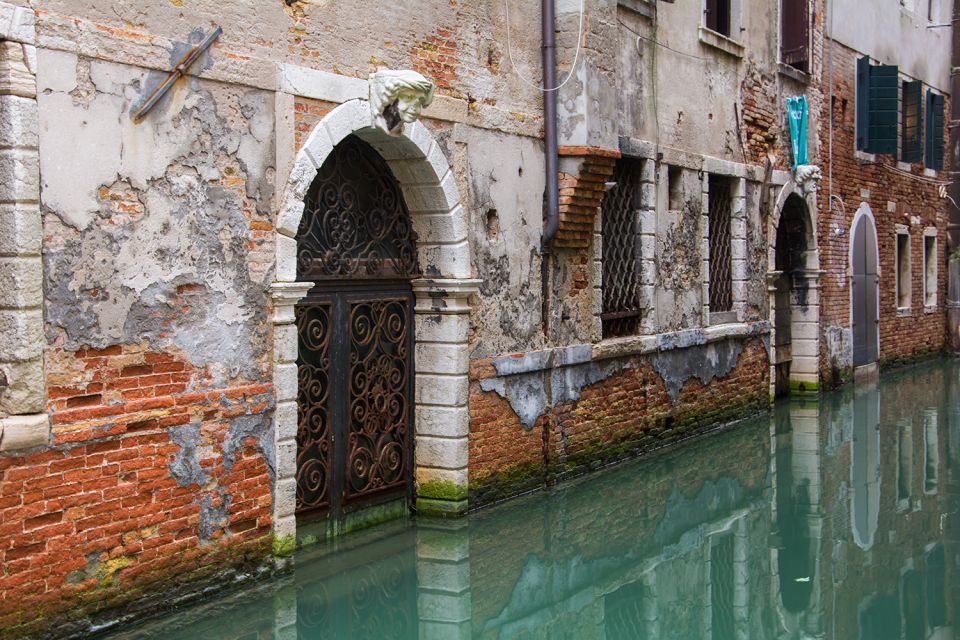
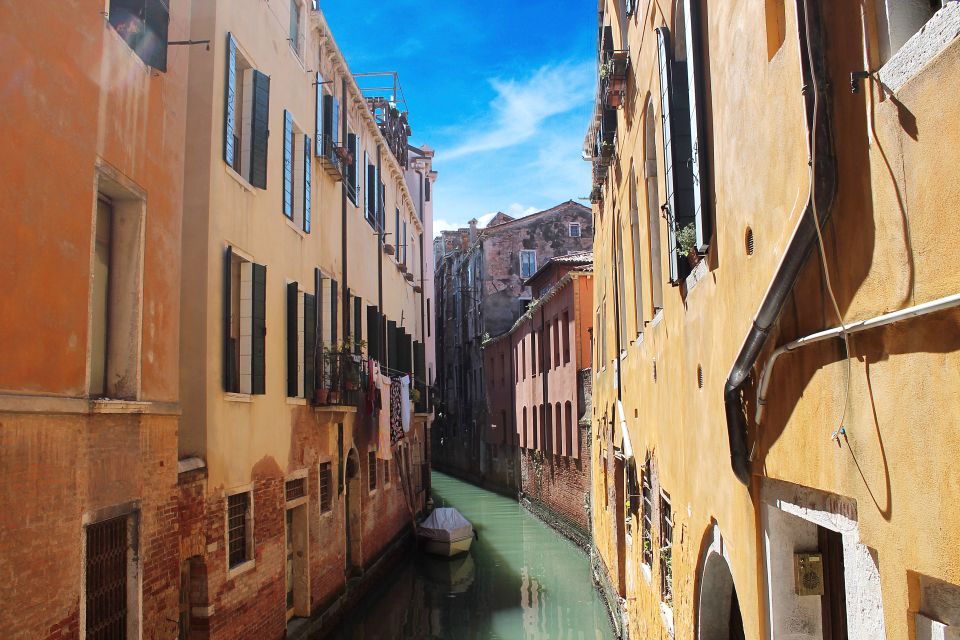
I especially like the way you’re guided through Venice’s calli and bridges, then steered toward squares where life actually happens. And I love the doge-era focus, including the church tied to where so many Venetian leaders were buried after the 15th century.
One thing to consider: this tour is outside only, so you won’t go inside the big sights. If interior time matters to you, plan separate tickets.
In This Review
- Quick hits
- Why a morning walking tour feels smarter in Venice
- What the route is really teaching you (and how to follow it)
- San Marco from the outside: Basilica, Doge’s Palace, Clocktower, Procuratie
- St. Mark’s Basilica (external views)
- The Doge’s Palace and Venetian power
- St. Mark’s Clocktower and the Procuratie complex
- A note on expectations
- Campo Santa Maria Formosa: San Giovanni e Paolo and the doges’ burial link
- Scuola Grande di San Marco: charity, and the Captains of Fortune story thread
- Teatro Malibran and Mercerie: the city’s famous “walk and shop” spine
- Headsets, group flow, and how to make the most of a short tour
- Price and value: what $29 buys you in Venice
- Who should book this (and who should skip it)
- Should you book the Venice Morning Walking Tour?
- FAQ
- How long is the Venice Morning Walking Tour?
- Is this tour inside buildings?
- What are the main places you’ll see?
- How much does it cost?
- What’s included in the ticket price?
- What language options are available?
- Is the tour wheelchair accessible?
- What should I bring, and what isn’t allowed?
- What happens if there are exceptionally high tides?
Quick hits
- Headsets that actually work in a city where crowds swallow your voice
- Outside views of major icons, with context that makes them easier to understand
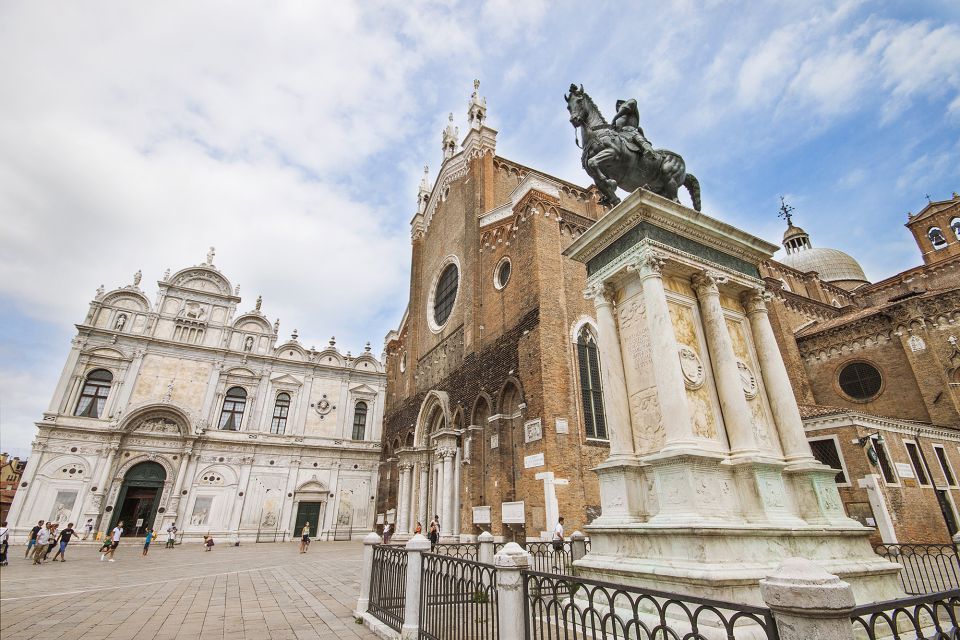
- The doges’ burial church stop at Basilica di San Giovanni e Paolo (from the outside)
- Scuola Grande di San Marco and stories like the Captains of Fortune
- A practical route that touches Mercerie between Rialto Bridge and Piazza San Marco
Why a morning walking tour feels smarter in Venice
Venice can be a lot. Too many streets that all look the same, too many crowds, and too little time to figure out what matters.
This is built as a short, morning reset: about 1 to 1.5 hours, led by a professional guide with personal headsets. Starting earlier helps you glide along before the heaviest crush. You get the feel of Venice’s layout—calli (alleys), small squares, and constant bridge crossings—without turning your day into a scavenger hunt.
And because the commentary is designed for moving at walking speed, you come away with a mental map that sticks. After this, you’re more likely to notice the little details that separate one piazza from the next.
You can also read our reviews of more walking tours in Venice
What the route is really teaching you (and how to follow it)
The best walking tours don’t just list famous places. They teach you how the city is organized.
Here, you’ll keep bouncing between public spaces:
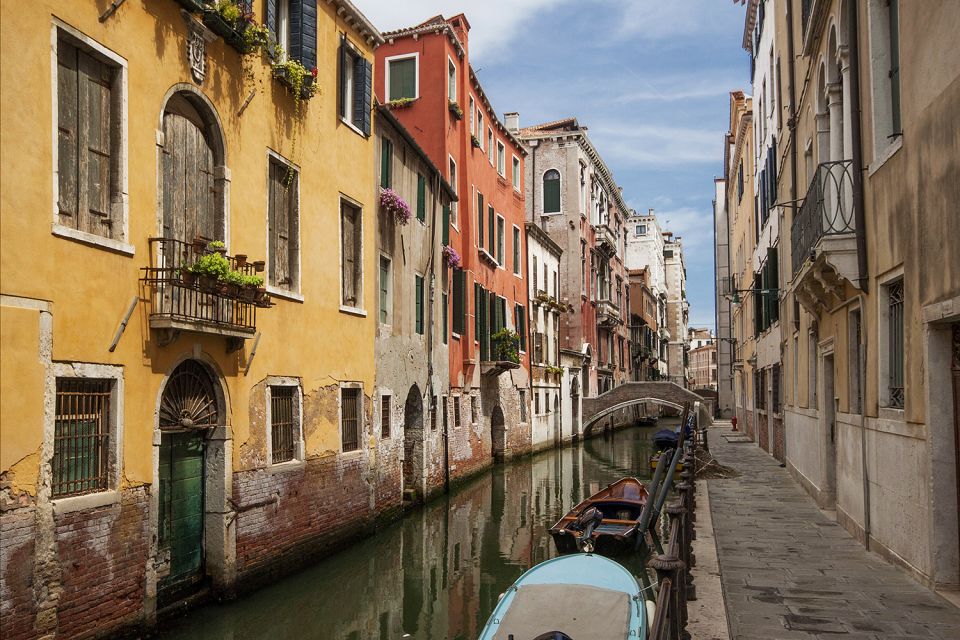
- Narrow lanes (calli) that funnel you through neighborhoods
- Bridges that connect clusters of streets
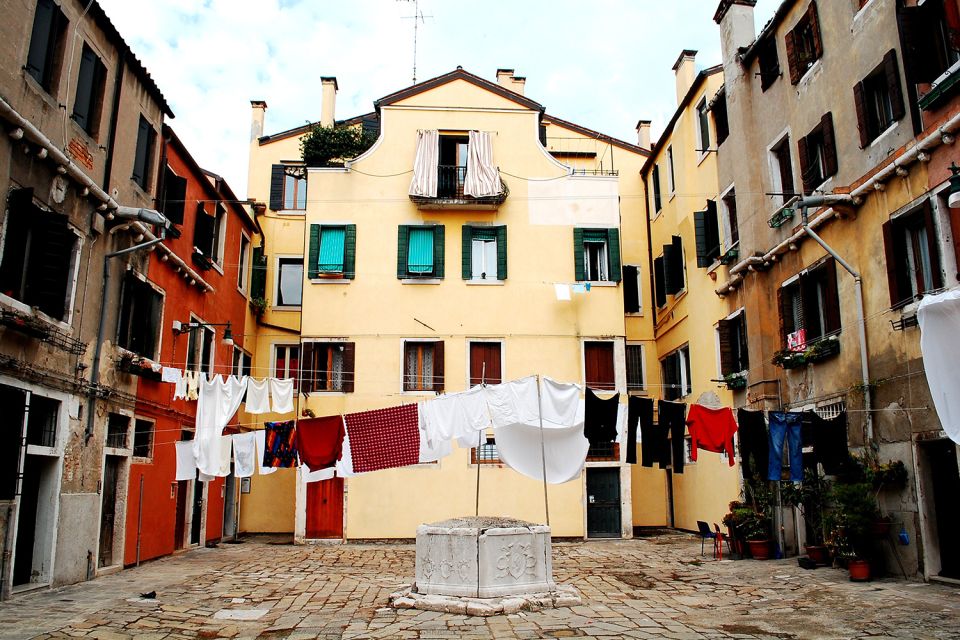
- Squares (campi) where Venetian life shows up in real time
That rhythm matters because it matches how Venice works day-to-day. Most first-time visitors only see Venice in “postcard chunks.” This format helps you see it as a connected system—sestieri (districts), routes of movement, and the civic spots where power, commerce, and faith overlapped.
You’ll also get the kind of framing that makes landmarks feel less like random architecture. For example, you don’t just look at St. Mark’s area—you learn how Venice’s government and wealth were staged in stone and ceremony.
San Marco from the outside: Basilica, Doge’s Palace, Clocktower, Procuratie
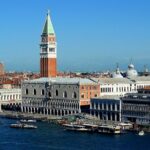
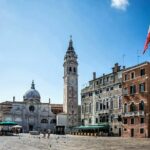
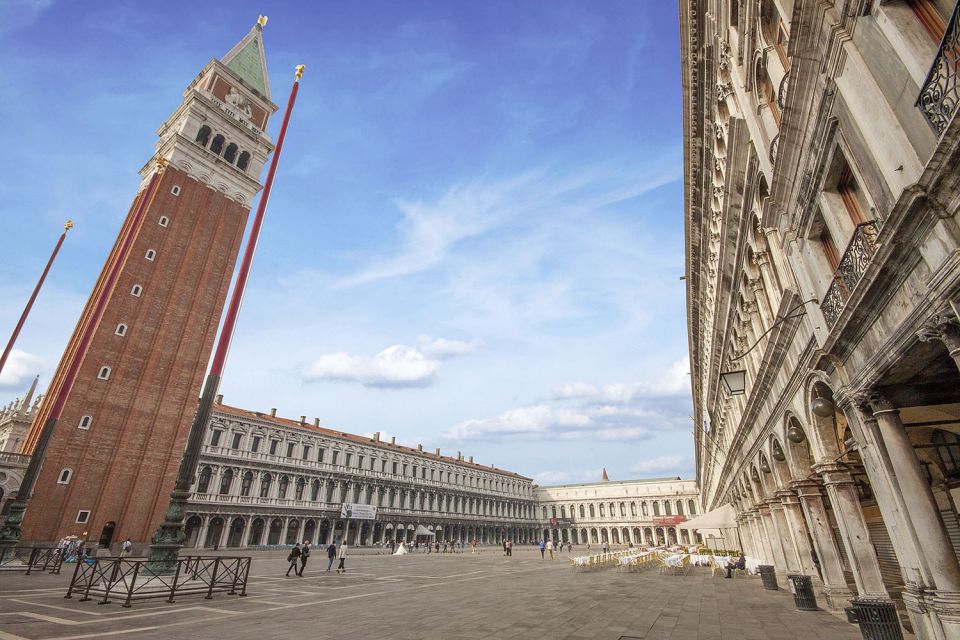
You’ll spend time around the Piazza San Marco orbit and learn what each building represents, even though you’ll be looking from the outside.
St. Mark’s Basilica (external views)
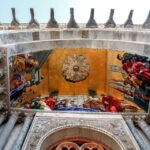
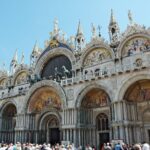
You get an animated, guide-led description of St. Mark’s Basilica—its grandeur, its symbolism, and why this place became such a political and religious centerpiece. Even without entering, the narration helps you understand what you’re seeing instead of treating the façade like scenery.
The Doge’s Palace and Venetian power
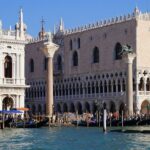
Next, the tour explains the function of the Doge’s Palace. That’s the key takeaway: this wasn’t just a palace. It was a working seat of authority, built to project control and prestige.
Once you hear that, you start to “read” the area differently. Windows, courtyards, and approaches feel less mysterious, more purposeful.
You can also read our reviews of more tours and experiences in Venice

St. Mark’s Clocktower and the Procuratie complex
You’ll also hear about the ornate St. Mark’s Clocktower and the Procuratie, described as three connected buildings. In practice, this is where a good guide pays off: connected structures can look like a blur if you don’t have a mental handle. The guide gives you a way to place them.
A note on expectations
Because the tour is outside only, you’re not spending time in queues or trying to fit museum timing into a short schedule. But you also won’t get interior details, chapels, or ceiling work up close. If you love hands-on site time, treat this as a history-and-orientation primer.
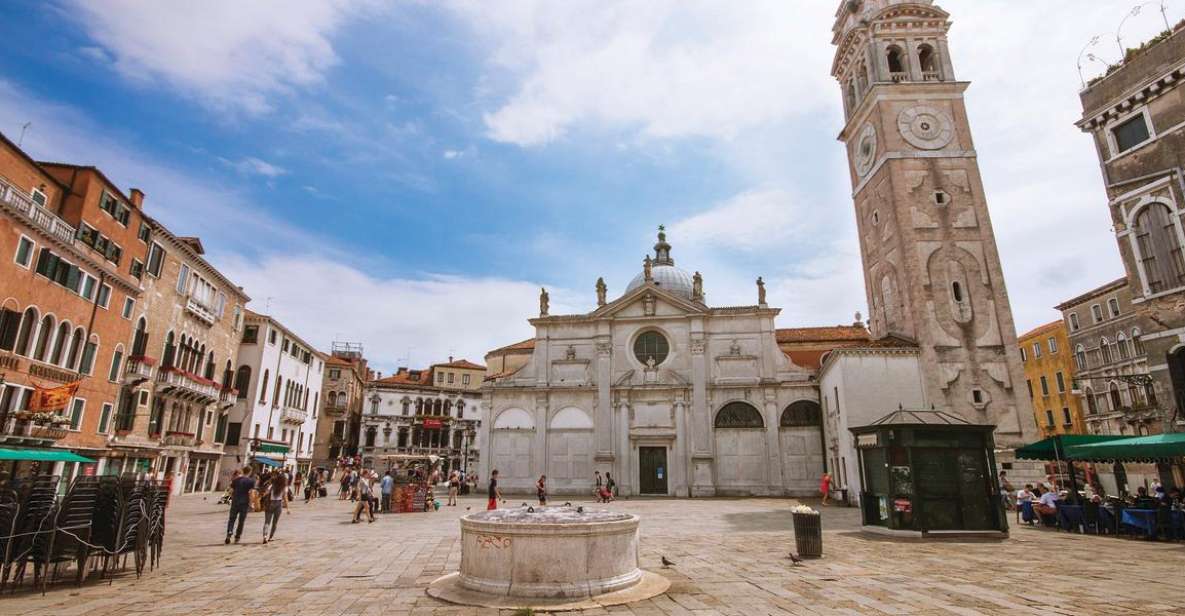
Campo Santa Maria Formosa: San Giovanni e Paolo and the doges’ burial link
If you like stories tied to real people, this stop is a standout.
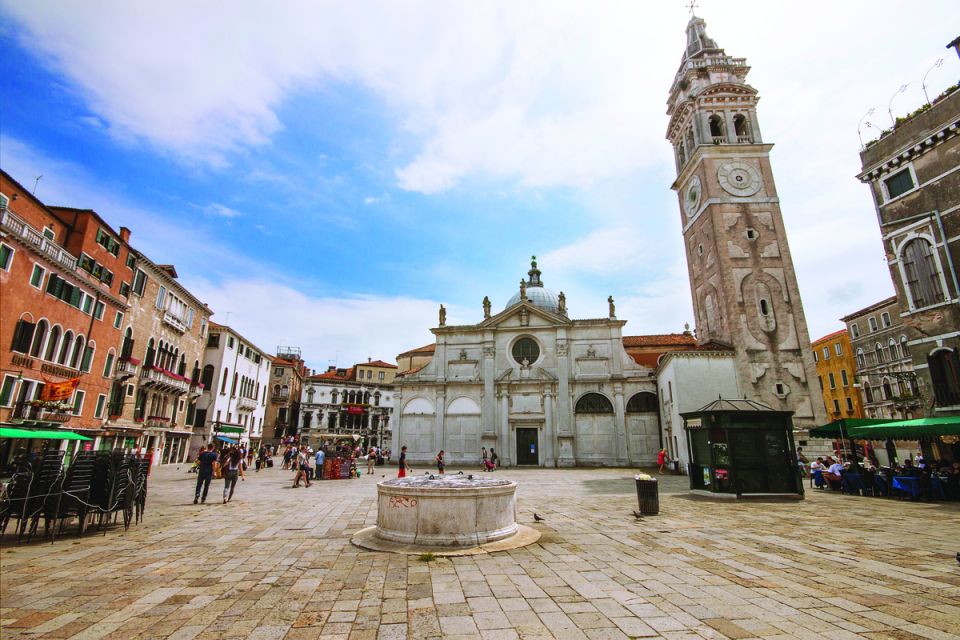
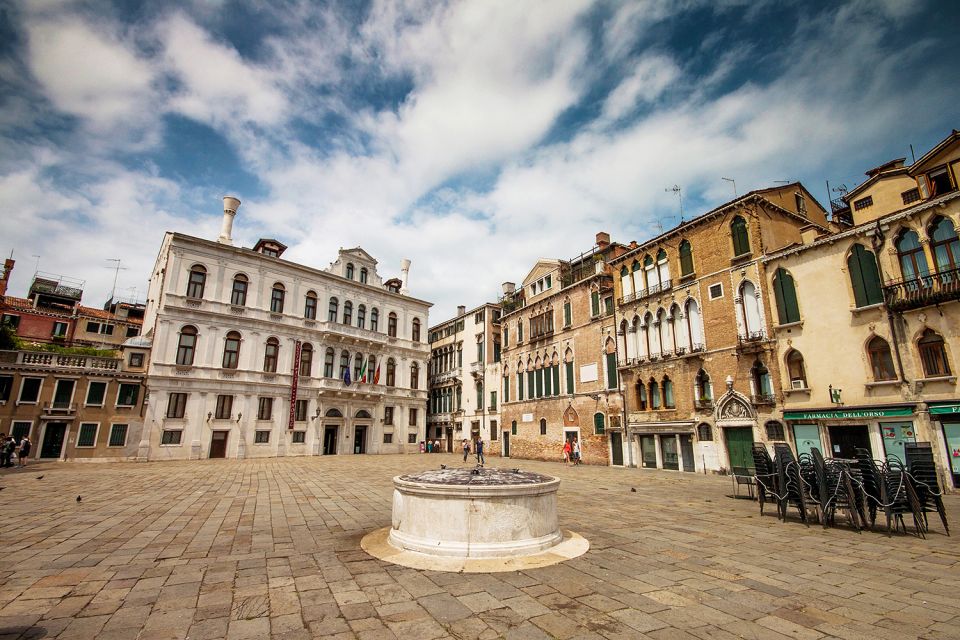
In Campo Santa Maria Formosa, you’ll view Basilica di San Giovanni e Paolo from the outside. This is the church where all the doges of Venice were buried after the 15th century. That detail changes your relationship to the building: it’s not just a pretty church façade. It’s a physical anchor for the end-of-life chapter of the state.
A practical way to enjoy this part: pause and look for how the basilica faces the square and how it fits the surrounding urban pattern. In a city built on water and stone, civic and spiritual power show up in the planning. This is one of those moments where the tour’s pacing works—short visit, strong takeaway.
Scuola Grande di San Marco: charity, and the Captains of Fortune story thread
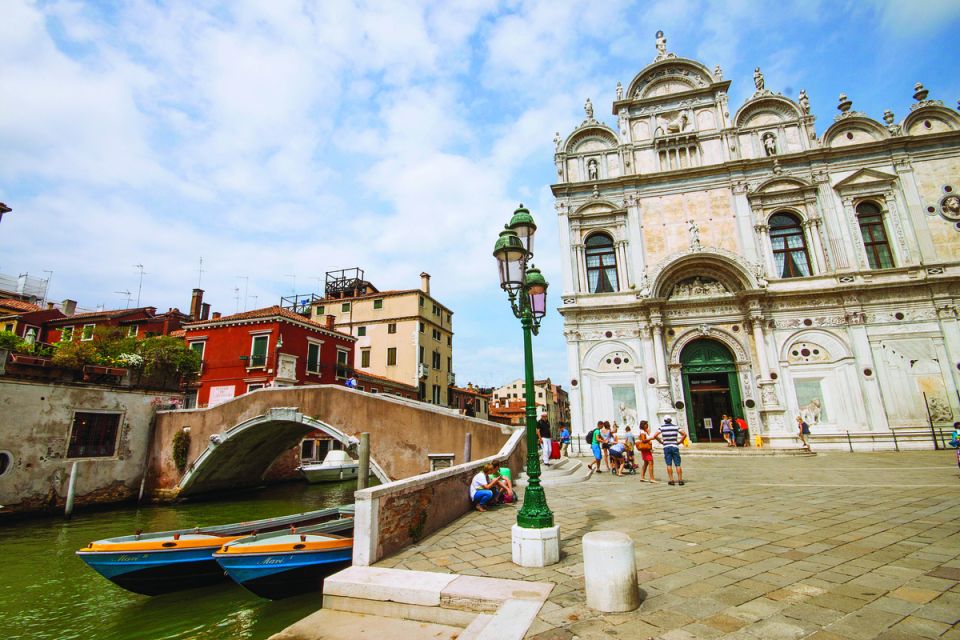
After San Marco-area landmarks, the tour moves into Scuola Grande di San Marco, also known as the Great School of Charity.
This stop is about identity and influence. You’ll hear the story linked to the Captains of Fortune. It’s the kind of theme that makes you realize Venice wasn’t only merchants and rulers—it was also organizations with a mission, power brokers, and social systems that shaped everyday life.
Even from outside (again, no interior entrance here), the naming matters. “Scuola Grande” isn’t a random label; it signals an elite confraternity tied to the city’s social machinery. A guide’s job is to make that connection feel obvious, not academic.
Teatro Malibran and Mercerie: the city’s famous “walk and shop” spine
On the way back through the San Marco sestiere, you’ll see Teatro Malibran. It’s another moment of place recognition. The guide helps you connect theaters and public life to Venice’s tradition of gatherings—performances as part of how the city displayed culture and status.
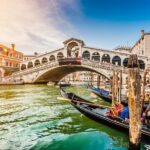
Then you’ll walk along Mercerie, described as the historic heart of commercial life in Venice and now a major shopping street. The tour places Mercerie between the Rialto Bridge and Piazza San Marco, which is exactly how you should think of it: the commercial thread linking two of Venice’s biggest magnetic points.
This is practical sightseeing. By the time you reach Mercerie, you’ll know where to walk next without feeling lost. If you want to keep your day moving, this segment makes it easy to transition from “guided history” to “go explore.”
Headsets, group flow, and how to make the most of a short tour
The tour includes personal headsets, and that changes everything in Venice.
Why it matters:
- Venice streets bounce sound around, and crowds grow without warning.
- A small group standing too close can still block sightlines.
- With headsets, you can stay focused even as people filter past you.
One more practical note: this is a short walking tour, so you’ll move through a sequence of viewpoints. There can be a few quiet seconds as you reposition for the next story. Don’t fight it. Keep your eyes on the guide’s body language and you’ll catch the start of the next topic.
Comfort matters, too. You’ll want comfortable shoes because calli and stone paths add up fast, especially in the morning when you’re eager and walking a bit more than you planned.
Also, luggage or large bags aren’t allowed, so travel light. If you’ve got a bigger bag, consider leaving it at your lodging before you start the morning walk.
Price and value: what $29 buys you in Venice
At $29 per person for about 1 to 1.5 hours, the value is less about “how many buildings you see” and more about what you avoid.
What you’re paying for:
- A professional guide shaping your understanding
- Headsets that keep the experience clear in real crowds
- A route that covers major references in a short time, plus quieter squares and side alleys
What you’re not paying for:
- Entrance tickets, because the tour stays outside and provides external explanations only
So the best way to think about value is this: you’re buying orientation and context. You’re leaving with a mental framework that makes your self-guided exploring faster and more satisfying.
If your goal is only photos of the biggest names, you might skip this. If your goal is to understand Venice quickly before the day gets chaotic, this is a solid deal.
Who should book this (and who should skip it)
This tour makes the most sense if you’re:
- In Venice for a short time and want quick orientation
- Curious about doge-era Venice, state power, and how places connect
- Visiting with a mix of interests and want a guide to steer you through it all
It may be less ideal if you:
- Want to go inside major churches or palaces during this specific visit (this one is external only)
- Need wheelchair access (it’s not suitable for wheelchair users)
- Are traveling with large luggage (it isn’t allowed on the tour)
Should you book the Venice Morning Walking Tour?
Yes—if you want your first morning in Venice to feel organized and meaningful.
I’d book it when:
- You want to beat the crowds with a shorter start window
- You appreciate history told in a walkable, street-level way
- You like the idea of learning how the city’s big symbols connect to governance, trade, charity, and burial traditions
Skip it (or plan something else alongside it) when:
- You’re strictly “interiors only”
- You want a long, slow wandering day with no structured stops
If you do book, I recommend pairing it with one or two ticketed add-ons later in the day if you want interior views and viewpoints. And if you’re planning for a big museum or a climb, this tour works great as the warm-up that makes those next stops click.
FAQ
How long is the Venice Morning Walking Tour?
It runs about 1 to 1.5 hours.
Is this tour inside buildings?
No. It takes place entirely outside, with external explanations only. Entrance to sites is not included.
What are the main places you’ll see?
You’ll view sights around Piazza San Marco (including St. Mark’s Basilica from the outside), learn about the Doge’s Palace, visit Campo Santa Maria Formosa to see Basilica di San Giovanni e Paolo from the outside, stop at Scuola Grande di San Marco, and walk along Mercerie between Rialto Bridge and Piazza San Marco. You’ll also see Teatro Malibran.
How much does it cost?
The price is $29 per person.
What’s included in the ticket price?
You get a guide and personal headsets.
What language options are available?
The tour guide speaks French, English, Spanish, and German.
Is the tour wheelchair accessible?
No. It is not suitable for wheelchair users.
What should I bring, and what isn’t allowed?
Bring comfortable shoes. Luggage or large bags aren’t allowed.
What happens if there are exceptionally high tides?
The tour may be cancelled due to exceptionally high tides, and a refund is provided.
If you tell me your travel month and whether you’re trying to see interiors too, I can suggest a simple day plan that pairs well with this walking tour.