REVIEW · VENICE
Murano, Burano and Torcello Half-Day Sightseeing Tour
Book on Viator →Operated by Bucintoro Viaggi · Bookable on Viator
Three islands in one afternoon. This half-day Murano, Burano and Torcello trip is a practical way to see the Venetian Lagoon without spending your whole day hopping between stops, and I love that it includes a glassblowing factory visit on Murano plus a guided sequence of sights on the three islands. It also helps you stay oriented, because you ride by boat first and then get a structured plan for what to see on each island.
The main drawback is simple: the time on the ground is short, and the experience can feel more like a timed “get-off, see a few highlights, get-back on” day than a slow walk. If you care most about wandering at your own pace, you’ll want to mentally budget extra patience for brief stops and occasional crowding.
In This Review
- Key highlights worth circling on your map
- Why this Murano–Burano–Torcello boat tour fits a Venice half day
- St. Mark’s Square start: the boat ride that sets your bearings
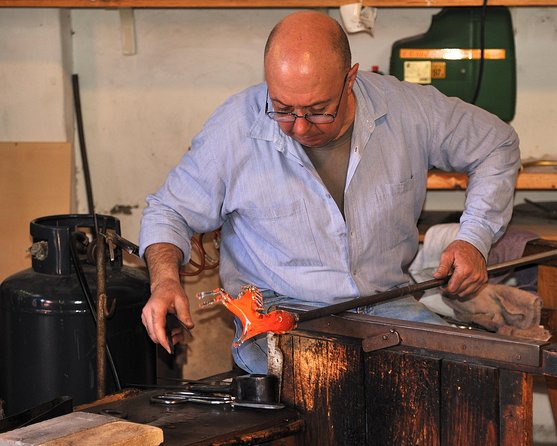
- Murano glassblowing and old-island sights in about 30–40 minutes
- The included glass factory visit
- What you should prioritize on Murano
- The realistic Murano drawback
- Torcello’s Santa Fosca, Attila’s throne, and the Devil’s Bridge
- Santa Fosca: Venetian-Byzantine style in the main square
- Cathedral of Santa Maria Assunta and what to expect nearby
- Trono di Attila and Ponte del Diavolo
- One practical Torcello note
- Burano lace, lace museum stops, and the famous colorful houses
- Lace shopping and museum time
- What to expect from the time on Burano
- The Burano crowd consideration
- How guided is this, really: audio, pacing, and managing expectations
- Getting the most from your 4.5 hours: timing tips that matter
- Wear shoes that handle island walking
- Plan your food like a local tourist, not like a festival
- Keep your schedule flexible on island time
- Bring cash or card for Torcello church entry
- Price and value: why $25.53 can be a smart deal or a frustrating trade
- Best time of day and weather: when the lagoon cooperates
- Who should book this tour, and who might feel rushed
- Should you book this Murano, Burano and Torcello half-day tour?
- FAQ
- How long is the Murano, Burano and Torcello half-day sightseeing tour?
- What islands are included in this tour?
- Does the tour include a glassblowing stop on Murano?
- Is lunch included?
- Are Torcello church entrance fees included?
- Where does the boat leave from?
- Is this tour offered in English?
- Is a restroom available during the boat ride?
- Are pets allowed on this tour?
- Is this tour dependent on weather?
Key highlights worth circling on your map
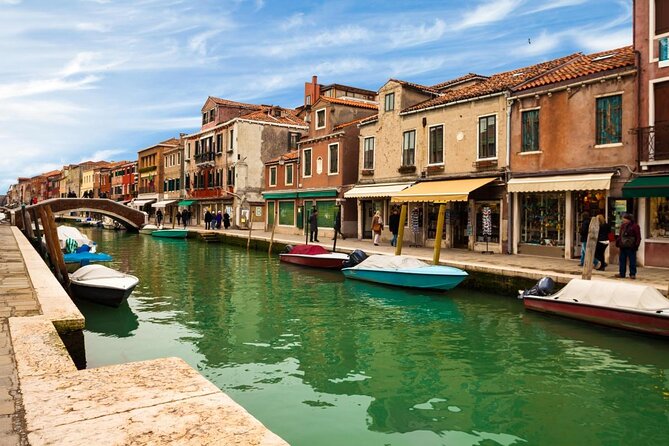
- Murano glassblowing live on the islands: you watch master glassmakers at work and learn why Murano became a powerhouse back in the 1400s and 1500s
- Torcello’s Santa Fosca in Venetian-Byzantine style: a standout stop with church details and nearby historic remnants
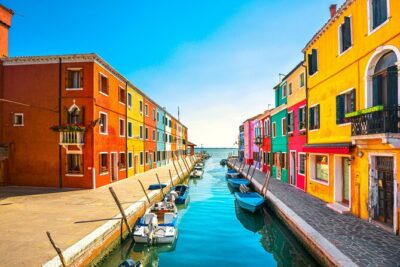
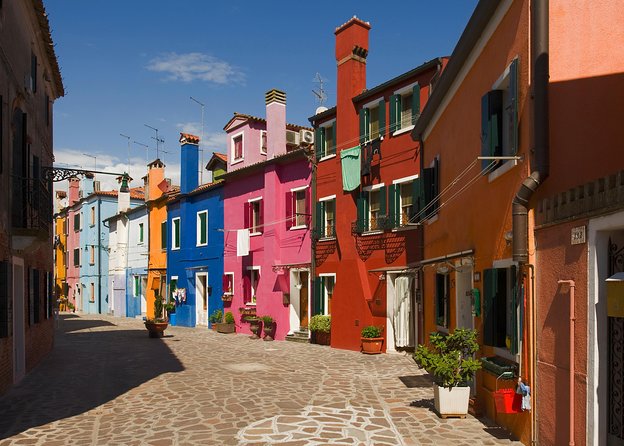
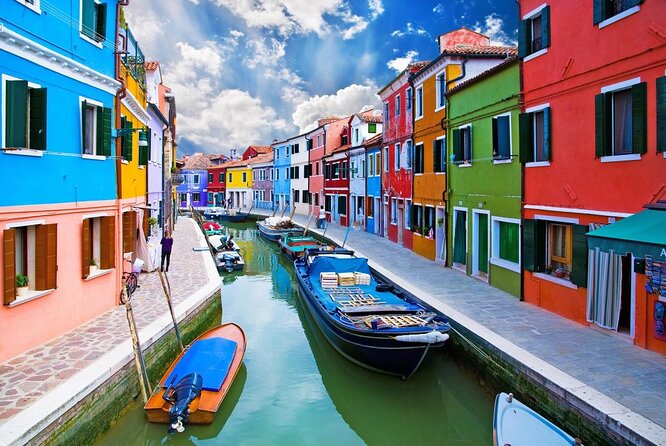
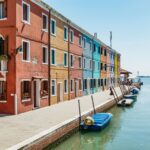
- Burano lace shopping plus bright fishermen’s houses: the island’s identity is easy to spot once you arrive
- Motorboat views of Venice’s lagoon: you get a different perspective than walking or using only vaporetto
- Short island visits designed for a half-day: efficient, but you’ll be moving on schedule
Why this Murano–Burano–Torcello boat tour fits a Venice half day
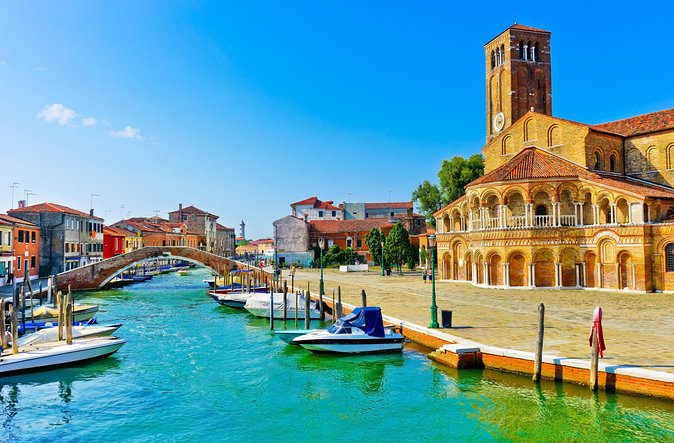
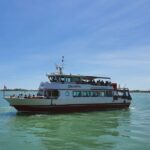
This tour is built for people who want the lagoon islands without committing to a full-day island crawl. You board a shared motorboat in Venice and ride out across the water to three of the most recognizable islands in the lagoon: Murano, Torcello, and Burano. With a total duration around 4 hours 30 minutes, it’s also one of the more realistic ways to see all three if your Venice schedule is packed.
Value-wise, the big win is that the tour price covers the boat transportation between islands, plus a guided visit that includes a Murano glass factory stop. You’re not paying just for views from the water; you’re getting an on-island experience that’s hard to recreate unless you plan ahead.
The flip side is that this is half-day efficiency. Many people come to Venice wanting time for photo stops, coffee, and wandering. Here, you’ll do those things only if you travel light and make quick decisions.
You can also read our reviews of more tours and experiences in Venice



St. Mark’s Square start: the boat ride that sets your bearings
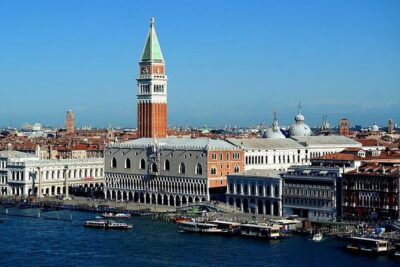
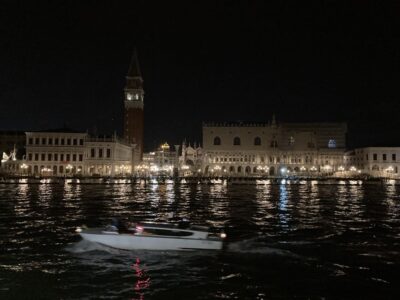
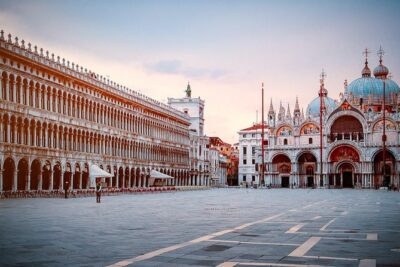
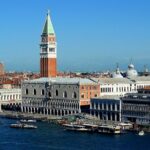
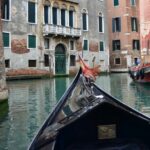
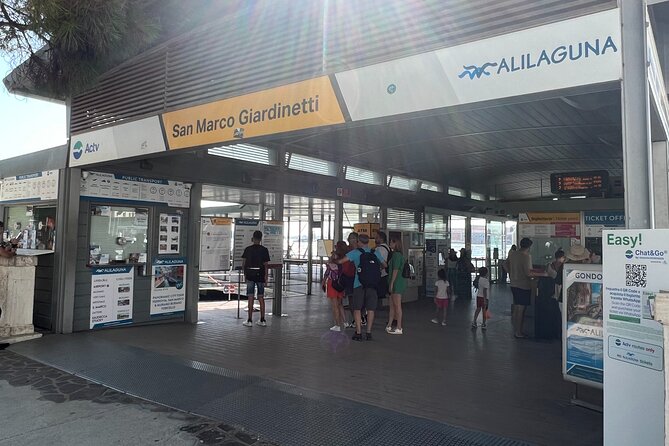
The boat departs from St. Mark’s Square, so you start in the heart of Venice and can usually tie this into other sights later. The ride itself matters, because it frames what the lagoon islands are: separate worlds in the same water system. You also get a chance to see Venice from a moving boat—less postcard, more real.
One practical detail: you should expect that narration comes through speakers on the boat. If you’re sensitive to audio quality, noisy water, wind, or multi-language commentary can make it harder to catch every word. I’d treat the guide as helpful orientation, not the only source of knowledge.
Good news: there’s a restroom on board, so you’re not scrambling once you’re out on the water.
Murano glassblowing and old-island sights in about 30–40 minutes
Murano is really a cluster of small isles connected by canals, not just one simple dot on the map. That matters because you’ll feel the island’s shape quickly as you disembark and walk around with your guide. It’s also the most “activity-forward” stop because the tour includes the glassmaking moment.
The included glass factory visit
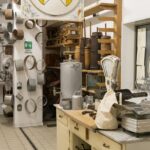
Murano’s glass tradition is tied to centuries of craft, and the tour’s glassblowing visit highlights that long timeline—one listed tradition dating back to 1291. The factory stop is a key reason this tour can feel better than simply arriving on your own: you see glassblowing as a living process, not just a shop display.
Admission for the stop is listed as free, and the factory experience is built into the tour flow. That can reduce decision fatigue. You’re still free to browse and buy souvenirs if you want, but the experience is primarily about seeing the work.
What you should prioritize on Murano
With limited time on the island, I’d treat Murano like a checklist island:
- Make sure you’re present and ready for the glassblowing demonstration, because that’s the main “wow” here.
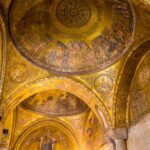
- Afterward, keep your walk purposeful. The tour mentions churches with mosaic decoration and ornamental details, but you won’t have time for deep wandering.
If you love photography, Murano can deliver—just don’t over-plan. You’ll do better taking a few strong shots than trying to cover every corner in the time allowed.
The realistic Murano drawback
Murano is often the shortest-feeling stop, especially if your group is large or if you spend extra time in and out of the factory. If you’re the type who likes browsing glass showrooms slowly, you might finish the island thinking, I liked it, but I wanted one more hour.
Torcello’s Santa Fosca, Attila’s throne, and the Devil’s Bridge
Torcello feels like a different Venice mood: older, calmer, and smaller. The island is known for its early settlement timeframe (between the 5th and 6th centuries), and that age shows in how historic the sites feel around the main area.
Santa Fosca: Venetian-Byzantine style in the main square
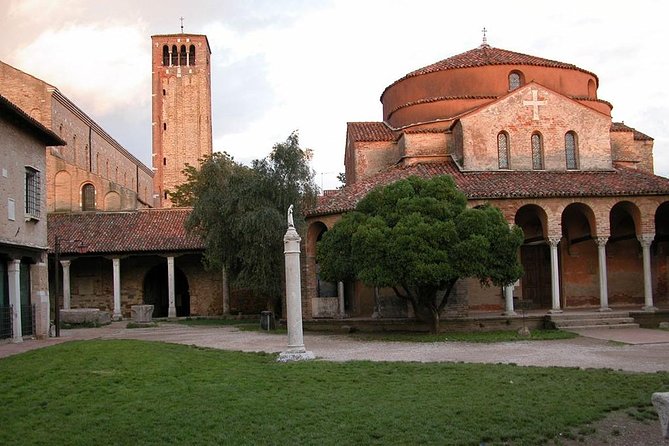
The tour highlights the Church of Santa Fosca as a fine example of Venetian-Byzantine style. That’s the kind of detail you can’t fully grasp from the outside alone, so getting a guided stop here is useful.
There’s also mention of excavated remnants tied to the baptistery in the Church of Santa Fosca. Even if you don’t become a medieval architecture expert in half a day, you’ll leave with a clearer sense of why Torcello was important.
Cathedral of Santa Maria Assunta and what to expect nearby
The Cathedral of Santa Maria Assunta is listed as founded in the 7th century. That’s an eye-opener, because most visitors think of Venice as “modern by comparison,” even though the lagoon’s island history is far older than the city’s tourist image.
Trono di Attila and Ponte del Diavolo
Two of the tour’s quick-hit moments are:
- Trono di Attila (Attila’s throne): an ancient monument standing in the middle of Torcello
- Ponte del Diavolo (Devil’s Bridge): a small crossing preserving the shape of ancient Venetian bridges
Both are time-efficient stops. If you like odd names, mini mysteries, and tiny landmarks, these are fun. If you want long stays and deep museum time, Torcello can feel like it’s mostly about circling the main sites.
One practical Torcello note
Entrance fees to the Torcello church are listed as not included. So if you want to go inside where the fees apply, bring a little extra money or be ready for that on-site decision.
Burano lace, lace museum stops, and the famous colorful houses
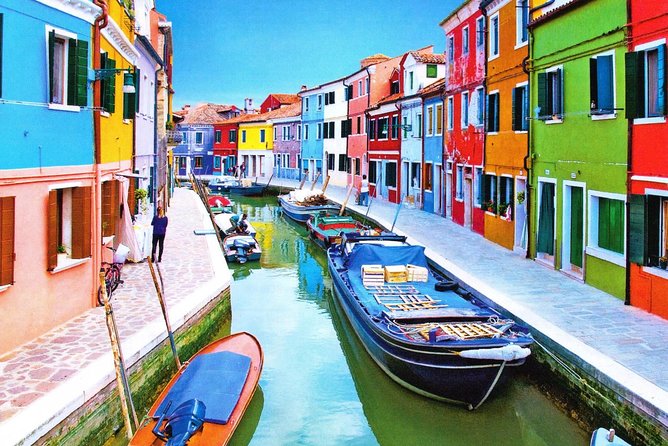
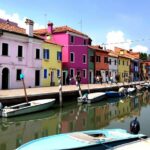
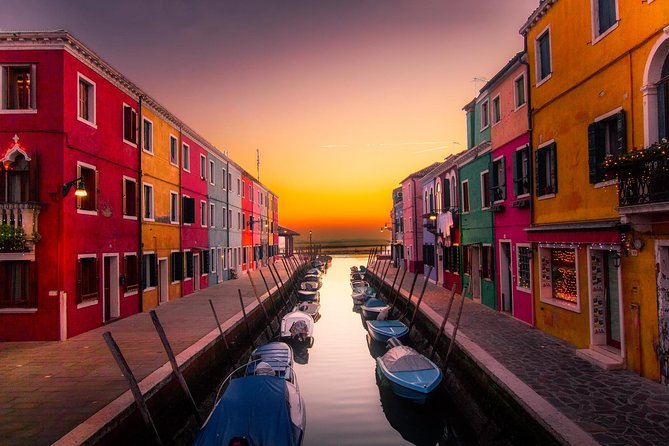
Burano is the island most people picture before they arrive. The bright fishermen’s houses are easy to spot, and the island’s identity is strongly tied to lace production, traced to the 16th century in the tour details.
Lace shopping and museum time
You’ll get time for local shops and a museum showcasing high-end lace. Even if you don’t plan to buy, it’s a strong cultural counterpoint to the glass of Murano. Lace is intimate. Glass is dramatic. Together, they show two different styles of Venetian-area craft.
What to expect from the time on Burano
Burano is listed as one of the longer stops in the day, but it can still feel tight depending on crowds and where your group funnels first. Many visitors love Burano’s vibe, yet you’ll be moving on schedule.
For your best experience on Burano, I’d do this:
- Start with the most photogenic areas around the houses.
- Then decide quickly about lace shopping: browses take time, and the tour timing will eventually pull you onward.
The Burano crowd consideration
Burano can get busy because it’s famous and easy to photograph. Even if the tour is well-organized, the island’s busiest spots can feel crowded when multiple groups overlap.
If your goal is calm strolling, you might want to treat the tour as a first look and then return later on your own, once you know the best photo corners.
How guided is this, really: audio, pacing, and managing expectations
This tour is guided, but it’s not a slow walking tour where the guide spends an hour customizing your pace. It’s designed for movement. You board and disembark in stages, and you have structured visits and short time windows on each island.
The narration is provided during the boat ride and around stops via microphone. Some departures can feel crowded in sound, especially if the guide is covering more than one language over the course of the trip. If you can’t easily hear on muffled speakers, don’t worry—just focus on what’s in front of you: landmarks, church facades, the glass factory moment, and the house colors on Burano.
Also pay attention to what’s actually walking-based. The tour includes walking time at Murano and sight-focused time at Torcello and Burano, but it’s still timed. If you want time for a proper sit-down lunch, this probably isn’t the half-day match you’re imagining.
Getting the most from your 4.5 hours: timing tips that matter
Half-day tours succeed or fail based on your “tiny decisions.” Here are the choices that make the biggest difference.
Wear shoes that handle island walking
Even though the stops are short, you’ll walk around waterfront surfaces and through the main island areas. Choose shoes you’re comfortable in for 30–40 minutes at a stretch.
Plan your food like a local tourist, not like a festival
Lunch is not included. That means you either snack between stops or commit to ordering something quickly once you’re on the island. I’d bring a simple snack with you just in case the island timing doesn’t match your ideal meal pace.
Keep your schedule flexible on island time
Most stops are listed as between 30 to 40 minutes. That aligns with how this tour feels: you’ll see key sights, but you won’t do a leisurely second pass. If you’re the type who always wants a longer museum visit, expect to leave a little wanting more.
Bring cash or card for Torcello church entry
Since entrance fees to Torcello Church are not included, you may need to pay if you want to go inside at the relevant site.
Price and value: why $25.53 can be a smart deal or a frustrating trade
At $25.53 per person for a half-day that includes shared boat transport plus a Murano glass factory stop, the value can be strong—especially for first-timers who want the islands efficiently. You’re paying for logistics you’d otherwise have to figure out yourself: boat connections between islands and guided orientation.
But the tour’s price also reflects the trade-off: time. If your ideal day is exploring Burano at length, lingering on Torcello, and taking unhurried photos, you might feel the money is well spent on transport but less satisfying on the ground time.
If you have flexibility, an alternative approach is to use public water transport and build your own pace. Many people do that, especially if they want to return to Burano for longer. The tour is most compelling when you want someone else to handle the sequencing.
Best time of day and weather: when the lagoon cooperates
This experience requires good weather. Since you’re out on the water for a significant portion of the time, wind, heavy rain, or rough conditions can affect the experience.
If Venice is unpredictable during your travel dates, pick a tour time that isn’t your only plan. The lagoon changes mood with weather, so a smooth boat day can make everything feel better.
Who should book this tour, and who might feel rushed
This tour suits you if:
- You want an efficient introduction to Murano, Burano, and Torcello in one outing
- You like seeing craft in action, especially glassblowing
- You’re okay with short island visits and making choices quickly
You might want to skip or adjust your expectations if:
- You want long free time for wandering and coffee stops on every island
- You strongly rely on audio through boat speakers for details
- You want a deep Torcello or Burano experience rather than highlight stops
If you’re traveling as a family, the short duration can work well, but keep an eye on group pacing and how often you’ll be asked to move.
Should you book this Murano, Burano and Torcello half-day tour?
Book it if you want the lagoon islands in a neat package, love craft demonstrations, and prefer efficiency over endless wandering. The Murano glass factory stop is the anchor, and the Torcello sights (Santa Fosca, Attila’s throne, Devil’s Bridge) give the day variety. Burano rounds it out with lace culture and colorful house photos that are hard to replicate from a distance.
Skip it or plan a different strategy if your top priority is slow exploration, deep time on one island, or you know you struggle with hearing narration on boats. In that case, independent travel can let you stretch time where you care most.
If you do book, go in with a simple game plan: arrive ready to move, treat each island as a highlight hit, and leave room for a later return if Burano or Murano catches your eye.
FAQ
How long is the Murano, Burano and Torcello half-day sightseeing tour?
The tour lasts about 4 hours 30 minutes.
What islands are included in this tour?
You visit Murano, Burano, and Torcello.
Does the tour include a glassblowing stop on Murano?
Yes. You visit a glass-blowing factory on Murano and watch master glass blowers at work.
Is lunch included?
No, meals are not included.
Are Torcello church entrance fees included?
No. Entrance fees to the Torcello Church are not included.
Where does the boat leave from?
The boat leaves from St. Mark’s Square.
Is this tour offered in English?
Yes, the tour is offered in English.
Is a restroom available during the boat ride?
Yes, there is a restroom on board.
Are pets allowed on this tour?
No, pets are not allowed.
Is this tour dependent on weather?
Yes. It requires good weather, and if it’s canceled due to poor weather, you’ll be offered a different date or a full refund.