
REVIEW · VENICE
Venice: Peggy Guggenheim Museum Private Tour
Book on Viator →Operated by Keys of Italy / Venice · Bookable on Viator
One hour of modern art, expertly guided. This private visit pairs fast-track entrance tickets with a guide-led tour designed to make 20th-century art feel graspable, not overwhelming. You get the big names and the bigger ideas, from Picasso and Surrealism to the sculptures out in the open-air garden.
I especially like that the schedule is tight enough to keep momentum. In about two hours total, you’ll cover the collection’s key works, then step outside for the Peggy Guggenheim setting where art and atmosphere mix. The one real drawback to flag is the 2-hour pace: if you want to linger over one painting for a long time, this format may feel a bit brief.
In This Review
- Key points worth knowing before you go
- Where Peggy Guggenheim fits into Venice (and why a guide helps)
- Fast-track entrance tickets and what “private” changes
- The guided highlights in the galleries: how you’ll actually understand modern art
- Why the Peggy Guggenheim story matters as much as the art
- Sculpture garden time: the Venice break you didn’t know you needed
- Timing and getting there: making the 2:00 pm start work
- Price and value: what $210.89 buys you in Venice
- What it feels like for different kinds of museum visitors
- Guides that people praise (and how to use that as a signal)
- Should you book the Peggy Guggenheim Museum private tour?
- FAQ
- How long is the Venice Peggy Guggenheim Museum private tour?
- What is included in the price?
- Is this tour private?
- What time does the tour start?
- Where does the tour meet?
- Does the tour include the sculpture garden?
- Which artists and art movements are covered?
- Is there a Venice access fee?
- What if the weather is bad?
- How far in advance is it usually booked?
Key points worth knowing before you go
- Fast-track entrance tickets help you get into the museum without the usual waiting hassle
- A guide-led highlights circuit keeps the story of modern art focused and easy to follow
- Indoor galleries plus the outdoor sculpture garden means you don’t miss the museum’s best change of scenery
- Big modern-art movements are explained using clear context from Cubism to Surrealism
- Private, on-your-time group format lets the guide adjust pacing for your interests
Where Peggy Guggenheim fits into Venice (and why a guide helps)
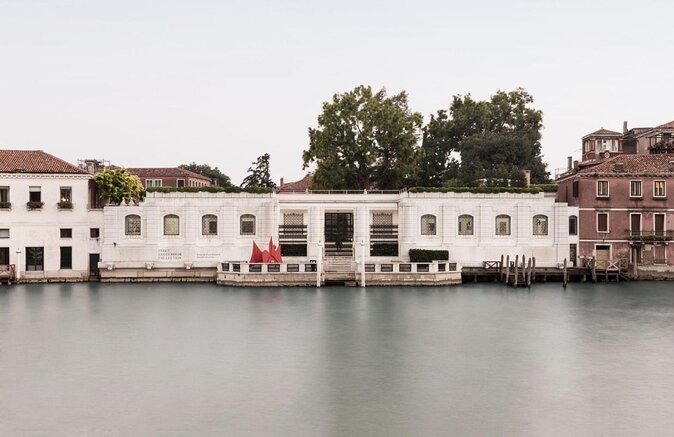
Venice can be visually loud. Even when you’re not in a crowd, the city is constantly throwing details at you: canals, bridges, churches, reflections. So it’s easy to show up at the Peggy Guggenheim Museum and feel like you’re trying to read an entire textbook in one sitting.
This is where a private guide makes a real difference. You’re not just walking from room to room. You’re walking with a plan—one that connects the works to the movements they came from, and to Peggy Guggenheim’s own world. The result is that you leave with a sense of why these artists mattered, not just which paintings you saw.
The museum’s reputation is earned: it’s known for standout modern art, and the lineup includes the kinds of artists many people come to Venice hoping to recognize—Picasso, Max Ernst, René Magritte, and Alexander Calder, among others. But recognition is only the start. What you want is the thread that ties those names together, and that’s exactly what this tour format is set up to deliver.
You can also read our reviews of more private tours in Venice



Fast-track entrance tickets and what “private” changes
This is a private tour/activity, so you’re not sharing your guide with other groups. That matters more than you’d think at a museum. When the guide can focus on just your group, the pace stays smooth, and questions don’t get delayed until the end.
You also get admission included plus fast-track entrance tickets. That’s practical value in Venice, where time spent in line is time you could spend actually looking at art. The museum experience improves when you arrive and start moving right away—especially since the whole tour runs about two hours.
The tour also uses a mobile ticket, which is helpful if you’re juggling transit, walking, and general Venice logistics. I like anything that reduces paper handling and lets you stay focused on the experience.
One more timing note: the start time is 2:00 pm, and the activity ends back at the meeting point. That structure is good if you’re trying to fit museum time into a tight travel day.
The guided highlights in the galleries: how you’ll actually understand modern art
The big promise here is clarity. Instead of leaving you to interpret modern art on your own, the guide walks you through the collection’s main points with an emphasis on major art movements. The tour is designed so you can cover the collection in about an hour, then you build in outdoor time after.
What I like about that approach is that it respects the way most people experience museums. If you try to absorb every artwork, you get tired fast and remember little. If you focus on what changed—how artists reacted to Cubism, how Surrealism altered what a painting could mean—you start to notice patterns. Suddenly, the museum becomes a conversation rather than a list.
The tour highlights include the kind of names that tend to anchor your visit. You’ll see works by:
- Picasso
- Max Ernst
- René Magritte
- Alexander Calder
- and other 20th-century artists
But the better part is how those works fit into wider movements. Cubism and Surrealism aren’t just labels. They’re tools for changing perspective and challenging what realism should look like. With a guide directing you, you’re more likely to catch what each movement was trying to break—and what it built in its place.
Why the Peggy Guggenheim story matters as much as the art
Modern art can feel like it’s arriving without instructions. One room you see something that looks strange on first glance, and the next room feels like it’s from a different planet. The Peggy Guggenheim Museum helps a lot, but the tour takes it one step further by adding context around Peggy herself.
From the way the guides are described, the tour leans into Peggy Guggenheim from an Italian perspective, not only a generic American retelling. That difference is subtle, but it changes your sense of place. Venice has its own cultural rhythm, and hearing her story framed in that environment makes the museum feel less like an import and more like a chapter of Italy’s modern art story.
I also appreciate the emphasis on personal stories and connections between Peggy and the artists. That human side helps modern art click. When you understand the collecting mindset—what she believed was worth taking a chance on—then the works stop feeling like random experiments and start feeling like intentional decisions.
Sculpture garden time: the Venice break you didn’t know you needed
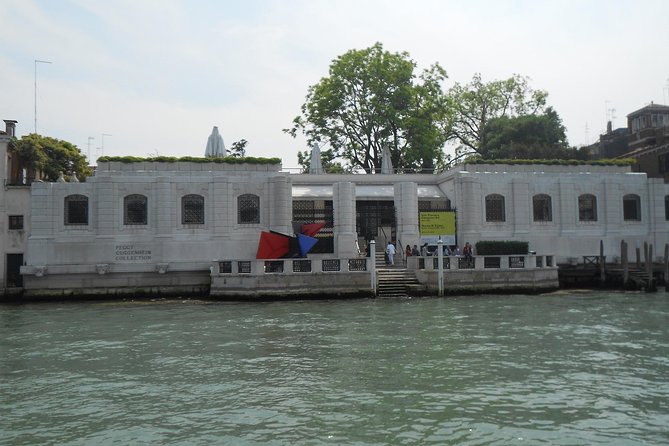
The Peggy Guggenheim Museum isn’t only about indoor galleries. The tour includes time for the open-air sculpture garden, which is one of the best “reset moments” in the entire building.
This part matters because it changes your brain’s pace. After an hour of focused viewing, stepping outside gives your eyes a break and gives you a new way to experience the collection. It’s also a chance to notice how the museum’s setting supports the art. Sculptures aren’t meant to live only behind glass.
Because the garden is outdoors, it’s also where weather becomes part of your day. The experience is listed as requiring good weather. If conditions are poor, you may be offered a different date or a full refund if the activity is canceled due to weather. So if your Venice schedule is tight, this tour is still a strong choice—but it’s smart to keep flexibility in mind.
You can also read our reviews of more museum experiences in Venice





Timing and getting there: making the 2:00 pm start work
Your tour starts at Dorsoduro, 700, 30123 Venezia VE, Italy and ends back at the meeting point. That’s helpful because you can plan your afternoon without needing to figure out a separate drop-off.
Also, the meeting point is near public transportation. In Venice, that can mean the difference between arriving relaxed and arriving annoyed. Even when the walking is short, you don’t want your museum time consumed by “where is this exact address?” stress.
Start time is 2:00 pm. If you’re coming straight from a morning of canals and churches, do yourself a favor: don’t stack another heavy activity right before this. A museum tour with guided pacing works best when you still have mental energy to follow the art movements and stories.
Price and value: what $210.89 buys you in Venice
At $210.89 per person, this tour isn’t cheap in the way a casual museum entry ticket is cheap. But it’s also not priced like a luxury experience with no clear purpose. The value is in three places:
First, you get fast-track entrance tickets plus admission included. That’s money and time combined.
Second, you get a private guided format for about two hours. A private guide costs more because you’re paying for attention, not just entry. Here, that attention is what turns modern art from confusing to coherent.
Third, the tour is built for focus. It covers the collection efficiently (about an hour for the guided part), then adds the sculpture garden. If you go on your own, you can absolutely spend more time in the museum—but you also risk spending that time getting lost in personal interpretation without the big context that many people need.
So ask yourself a simple question: do you want to spend your limited Venice time wandering and guessing, or do you want a plan that helps you actually understand what you’re seeing? If you prefer understanding over wandering, the price starts to look reasonable.
What it feels like for different kinds of museum visitors
This tour is a strong fit if you fall into any of these categories:
You like art but don’t want to research ahead for hours. The guided structure gives you the context for major movements like Cubism and Surrealism.
You want to recognize names and then understand why those works matter. Seeing Picasso, Ernst, Magritte, and Calder is fun, but you’ll get more from the movement-based explanations.
You want a museum that includes both indoor and outdoor moments. The sculpture garden time makes the experience feel more like a day outing than a rushed checklist.
This tour might feel less ideal if you’re the type who hates time limits. The design is meant to hit highlights, not to let you sit with one painting for an hour. It’s also built around one start time and an overall two-hour flow, so it’s best when you’re ready to follow a schedule.
Guides that people praise (and how to use that as a signal)
Even without assuming anything about who you’ll get, the feedback about guides is consistent in one theme: the best guide for this tour is the one who makes modern art readable and keeps you moving with confidence.
Some guide names that come up in the experience feedback include Gina and Beatrice. If you happen to be matched with a guide like them—early, organized, and good at turning art history into clear takeaways—you should feel right at home quickly.
Your best move as a visitor is to treat the tour like a conversation. If something visually grabs you, point it out. A private setting means the guide can steer you toward what you’re most curious about.
Should you book the Peggy Guggenheim Museum private tour?
Book it if you want modern art to make sense. This tour is built for people who want highlights plus context—fast-track entry, a guided hour that ties works to movements, and the sculpture garden to break up the indoor focus.
Skip it only if you’re determined to self-explore without any structure. If you already know exactly which artists you want to study, and you don’t need help connecting movements to meaning, you might prefer touring solo.
If you’re deciding based on time, this is also a solid choice. In Venice, your best days are the ones where you feel efficient without feeling rushed. This format aims for that sweet spot: two hours total, with enough guidance to leave feeling you understood more than you expected.
FAQ
How long is the Venice Peggy Guggenheim Museum private tour?
It runs for about 2 hours.
What is included in the price?
Admission tickets are included, and the tour also offers fast-track entrance tickets.
Is this tour private?
Yes. It’s a private tour/activity, with only your group participating.
What time does the tour start?
The start time is 2:00 pm.
Where does the tour meet?
The meeting point is in Dorsoduro at 700, 30123 Venezia VE, Italy.
Does the tour include the sculpture garden?
Yes. You’ll visit the indoor galleries and also have time for the open-air sculpture garden.
Which artists and art movements are covered?
The tour focuses on 20th-century art and includes works by artists such as Picasso, Max Ernst, René Magritte, and Calder, with context from movements like Cubism and Surrealism.
Is there a Venice access fee?
On certain dates, people staying outside of Venice who are visiting for the day may need to pay a €5 access fee. Details and exemptions are available at https://cda.ve.it.
What if the weather is bad?
The experience requires good weather. If it’s canceled due to poor weather, you’ll be offered a different date or a full refund.
How far in advance is it usually booked?
On average, it’s booked about 54 days in advance.