REVIEW · VENICE
Da Vinci Interactive Museum Venice Scuola di San Rocco
Book on Viator →Operated by Leonardo da Vinci Museum · Bookable on Viator
Leonardo’s ideas turn into working objects here. The Da Vinci Interactive Museum Venice, based at the Scuola di San Rocco, is small, family-friendly, and designed so you can test the logic behind his inventions as you move through the rooms.
I especially love the hands-on replicas—they make the designs feel tangible instead of like distant sketches. I also like the way the museum pairs inventions with da Vinci’s bigger interests, like anatomy studies and high-resolution, backlit art copies.
One consideration: this is a compact museum. You can finish in about an hour, so if you expect a huge, high-production, one-stop show, you may leave feeling a bit underfed.
In This Review
- Key Things to Know Before You Go
- Entering the Da Vinci Interactive Museum at Scuola di San Rocco
- How the Museum Is Organized: Earth, Water, Air, Fire
- Working Replicas: What Interactive Really Means Here
- Backlit Painting Copies and Anatomy Studies: Art Meets Science
- Timing Your Visit: Plan for About 45 Minutes (and Maybe More)
- Tickets, Language, and What’s Included vs Not
- Finding the Museum in Venice: Simple Navigation Tips
- Pair It With Scuola Grande di San Rocco and a Proper Venice Break
- Who This Museum Is For (and Who Might Want to Skip It)
- You’ll probably love it if you…
- You might be disappointed if you…
- Price and Value: Is $10.21 a Good Deal?
- Final Verdict: Should You Book This Da Vinci Museum?
- FAQ
- How long does the Da Vinci Interactive Museum take?
- Can I visit any time during opening hours?
- Is there a professional guide included?
- Is the ticket mobile?
- What languages are available?
- Are audio guides available?
- Are food and drinks allowed in the exhibit areas?
- Do I need to worry about an extra access fee?
- Is free cancellation available?
Key Things to Know Before You Go
- Four themed areas: Earth, Water, Air, and Fire organize the experience logically.
- Working machine replicas built to Leonardo’s design proportions (with only necessary adjustments).
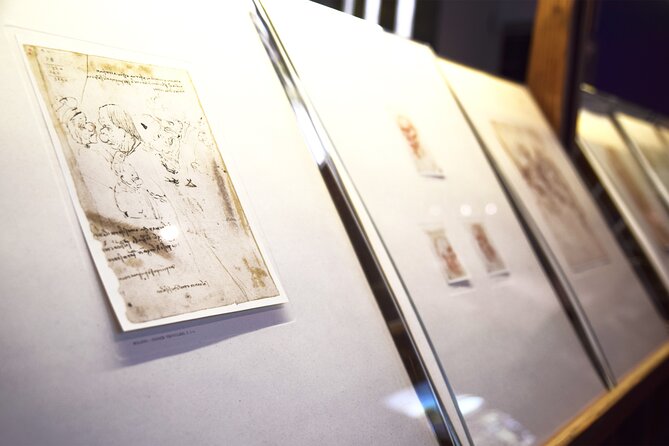
- Backlit high-resolution painting copies help you study his medical and artistic thinking.
- Interactive models are the real star, not wall text.
- Audio guidance is available free of charge at the entrance if you request it.
- Two floors with steps means plan for a little climbing.
Entering the Da Vinci Interactive Museum at Scuola di San Rocco
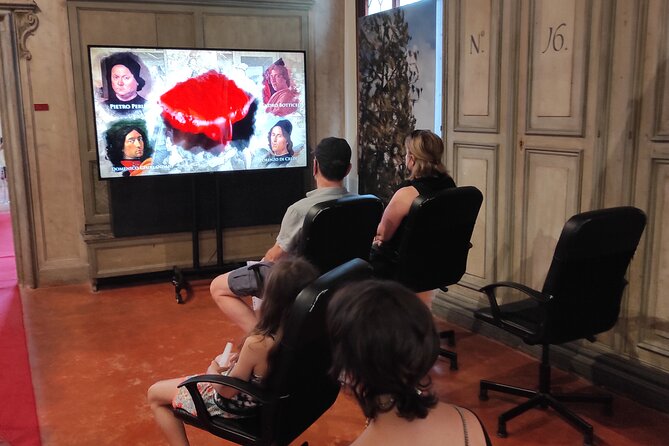
Venice has a talent for stuffing big stories into small spaces, and this museum is a perfect example. You’re in a very walkable area, and it’s open every day during the posted hours (10:30 AM to 4:30 PM). The last entrance is 4:00 PM, so don’t roll in at the end of the day and hope for more time.
A lot of visitors come for da Vinci the artist. That’s here, but the museum leans equally toward da Vinci the inventor and observer. You’re guided by the layout, not by a tour guide—there’s no professional guide included with admission—so the design needs to do the teaching for you. Thankfully, it does.
If you’re traveling with kids, you’ll appreciate the pacing. It’s not a marathon museum. It’s built for curiosity, with plenty of chances to touch, operate, and test how the machines work.
You can also read our reviews of more museum experiences in Venice


How the Museum Is Organized: Earth, Water, Air, Fire
The exhibition is split into four sections: Earth, Water, Air, and Fire. That matters more than it sounds, because it prevents the usual problem at science-and-art museums—everything feels like separate facts.
Instead, each room nudges you toward a theme. You’ll see machine ideas that connect to the natural world in a pretty intuitive way. And since da Vinci was constantly crossing disciplines, the arrangement helps you notice how invention, physics, observation, and even human anatomy fit together.
Here’s what you can expect as you move through:
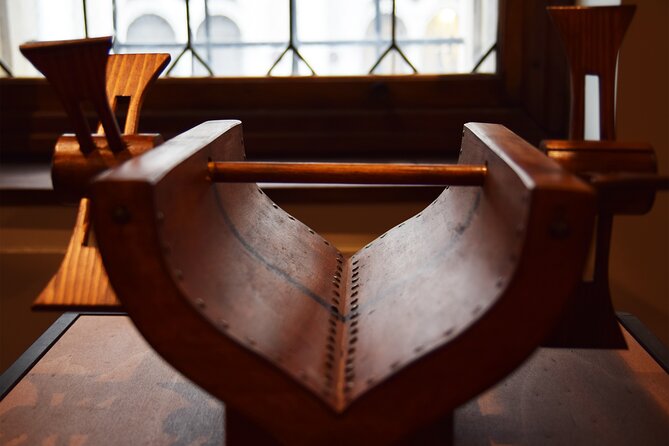
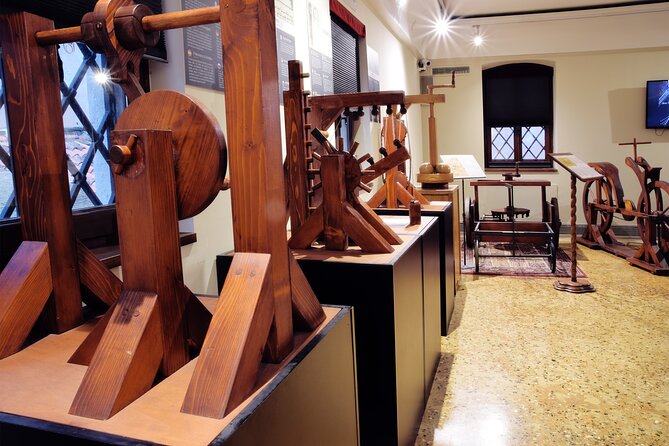
- You’ll meet working replicas of machines based on da Vinci’s designs.
- You’ll get supporting explanations in multiple languages, including Italian, English, French, German, Spanish, and Russian.
- You’ll see how his thinking shifts depending on the “element” he’s focused on—structures and mechanics for Earth, movement and flow for Water, motion and flight concepts for Air, and energy/combustion themes for Fire.
The museum is family friendly in practice, not just on paper. The rooms are set up so you can start with wonder, then gradually turn wonder into understanding.
Working Replicas: What Interactive Really Means Here
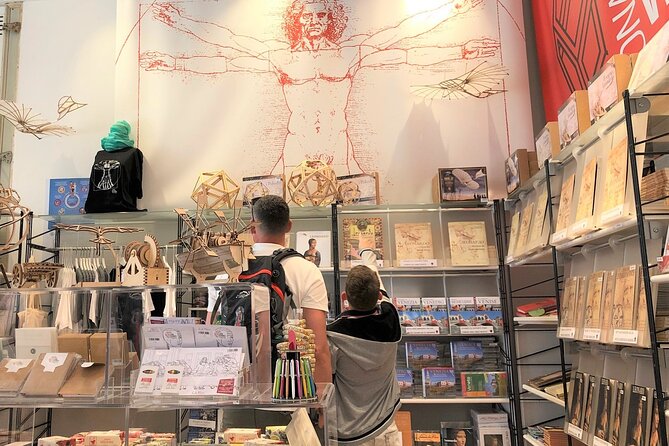
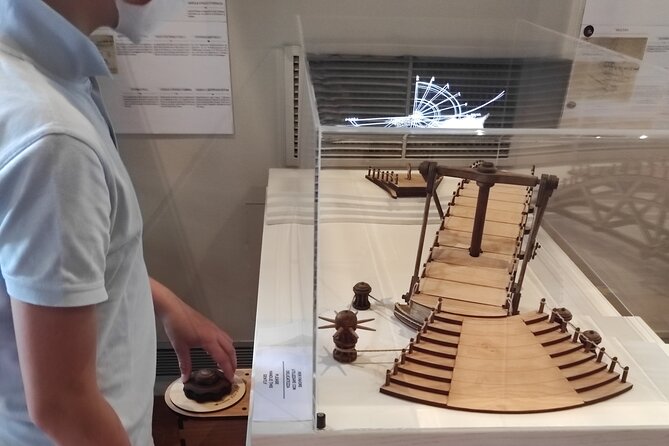
The standout feature is the interactive models. These aren’t just buttons behind glass. Many exhibits let you operate or test the logic behind the machines. That’s where the learning clicks.
In a lot of museums, “interactive” is a single gadget you use for 10 seconds. Here, interaction is the point. It’s the difference between reading about ideas and experiencing how the idea behaves.
A few important practical notes:
- The museum is able to stimulate curiosity and promote understanding for both adults and children.
- Since it’s on two floors with steps, plan for some walking and stair use.
- Some exhibits may reward patience; one visitor noted puzzle-style elements that are more enjoyable when you take your time.
Also, bring your sense of humor. Da Vinci was famously curious—half engineer, half artist, and totally fixated. This museum reflects that vibe. You’ll feel it most when you’re in the middle of the replica section, trying to understand the mechanism from your own hands.
Backlit Painting Copies and Anatomy Studies: Art Meets Science
Da Vinci is famous for paintings, but his brain didn’t treat art and science as separate worlds. This museum reflects that in two specific ways: high-resolution backlit copies of major works and major studies of anatomy.
The backlit paintings are meant to be read closely. The lighting helps you actually see details rather than just glance. It’s a smart approach for a museum like this, because original paintings aren’t the focus—what matters is how da Vinci combined observation with technique and intent.
Alongside the art copies, you can explore his anatomy studies. Even if you’re not a biology person, you’ll likely find this section surprisingly compelling. It makes da Vinci’s curiosity feel consistent across disciplines: he studied the body with the same intensity he applied to machines.
If you like museum experiences that connect dots, this is one of the more effective setups in Venice. You don’t just get inventions; you get the thinking behind them.
Timing Your Visit: Plan for About 45 Minutes (and Maybe More)
The experience is listed at about 45 minutes. In real life, I’d treat that as a solid baseline, not a rule. You might move faster if you’re skimming or taking quick looks. You’ll likely go slower if you’re operating machines, reading explanations carefully, or helping kids investigate.
One review called it a tiny museum and noted it’s easy to complete quickly—so if you’re short on time, this is a good pick. But the same compact layout can also make it feel richer if you slow down. When you’re physically testing replicas, a little extra time is worth it.
A practical tip: aim to arrive earlier rather than later. With the last entrance at 4:00 PM, going in the afternoon means less time if you want to linger over the interactive parts.






Tickets, Language, and What’s Included vs Not
Your ticket is designed to work smoothly: you get a mobile ticket and the experience is offered in English. Descriptions across the museum are also available in several other languages, which is great if you’re traveling with a mixed group.
What’s included is the interactive experience itself and the exhibition entry. What’s not included is a professional guide. That can sound like a limitation, but it also explains why the museum leans into visuals, multimedia screens, and interactive models.
One point to know (and I’m glad it’s clarified): audio guidance is available free of charge upon request at the entrance. If you prefer your explanations through headphones, ask for it when you arrive. This is especially helpful if you’re doing the museum solo or you want more context without reading everything.
And do keep the rules in mind: food, chewing gum, and beverages are prohibited in exhibit areas. It’s standard museum behavior, but it matters if you’re tempted to snack while kids get restless.
Finding the Museum in Venice: Simple Navigation Tips
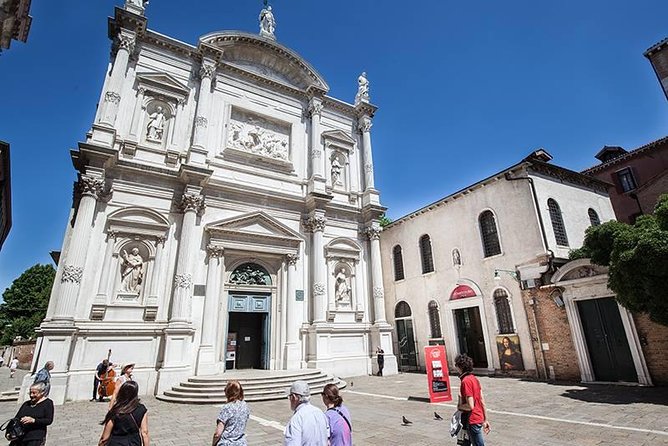
The museum is located in Campo San Rocco and is described as being near public transportation. That’s helpful because Venice can be a maze when you’re following a phone map.
If you’re using Google Maps or similar apps, I’d search specifically for Campo San Rocco rather than relying on a vague “Da Vinci” label. One visitor even mentioned a mix-up that led them to another da Vinci museum nearby. Save yourself the detour by confirming you’re headed to the Scuola di San Rocco area.
The museum’s location is also a big part of its appeal. You’re in the kind of Venice neighborhood where you can turn one ticket into a mini walkabout.
Pair It With Scuola Grande di San Rocco and a Proper Venice Break

This museum sits close to major landmarks, and it pairs naturally with a longer Venice outing. It’s the right size to fit between other sights without exhausting yourself.
A lot of visitors turn this into a half-day plan: explore the museum, then continue walking and enjoy the neighborhood atmosphere. If your day already includes Scuola Grande di San Rocco, this is an efficient add-on because it keeps the theme of art and observation in motion.
Also, since the museum isn’t all-day long, it gives you breathing room for Venice rhythm. You can follow the museum with a coffee, a snack, and time to just walk. Kids especially benefit from this kind of pacing.
Who This Museum Is For (and Who Might Want to Skip It)
This is one of those places where expectations shape your mood.
You’ll probably love it if you…
- Like hands-on learning and want to physically interact with inventions.
- Want a da Vinci experience that includes inventions plus art and anatomy.
- Are traveling with kids. Multiple visitors call it engaging and interactive for families.
- Prefer a museum you can finish without spending your whole day inside.
You might be disappointed if you…
- Expect a big, production-heavy exhibition that runs like a full-scale show.
- Are looking for a large collection of original artworks.
- Want a long guided narrative. With this ticket, you’re mostly on your own with multimedia and exhibit text.
A few visitors also felt the museum was small or expected more. That’s not wrong—it’s just the scale. If you treat it as a focused, hands-on stop rather than a grand, all-in da Vinci destination, your visit makes more sense.
Price and Value: Is $10.21 a Good Deal?
At about $10.21 per person, this museum sits in the “worth it for the experience” category, especially if you actually use the interactive parts.
Here’s the value logic I’d use:
- If you’re the type of person who enjoys operating exhibits, the cost-to-time ratio looks strong.
- If you go with kids, you’re paying for active learning, not just sightseeing.
- The museum isn’t huge, so you’re not paying for a full-day attraction.
On the flip side, if you’re expecting original masterpieces or a long multi-hour museum, $10.21 might feel like you paid for something shorter than you wanted. But for a compact, interactive da Vinci snapshot, it’s priced like a smart add-on.
Final Verdict: Should You Book This Da Vinci Museum?
Book it if you want a quick, fun, hands-on way to meet da Vinci in Venice. The working replicas, the structured four-section layout, and the backlit art + anatomy studies give you a balanced look at how his mind connected engineering, observation, and creativity.
Skip or adjust expectations if you’re chasing a giant exhibition with lots of originals or a long guided program. This is compact, and the best experience comes when you lean into the interactive exhibits and let the museum teach through objects rather than a lecture.
If you’re on a tight schedule, it’s also a good deal: you can fit it in around other sights and still keep your Venice day moving.
FAQ
How long does the Da Vinci Interactive Museum take?
It’s listed at about 45 minutes, though you may spend more time if you focus on the interactive machines or read the explanations.
Can I visit any time during opening hours?
Yes. You can visit any time during the posted opening hours, but note the last entrance is 4:00 PM.
Is there a professional guide included?
No. Admission includes the interactive exhibition, but a professional guide is not included.
Is the ticket mobile?
Yes. The experience includes a mobile ticket.
What languages are available?
Descriptions are available in Italian, English, French, German, Spanish, and Russian.
Are audio guides available?
Audio guidance is available free of charge upon request at the entrance.
Are food and drinks allowed in the exhibit areas?
No. Food, chewing gum, and beverages are prohibited in exhibit areas.
Do I need to worry about an extra access fee?
On certain dates, people staying outside Venice may need to pay a €5 access fee. Check the linked official info for which days apply and any exemptions.
Is free cancellation available?
Yes. You can cancel up to 24 hours in advance for a full refund.