REVIEW · VENICE
Venice Private Walking Tour
Book on Viator →Operated by Travelling Italy · Bookable on Viator
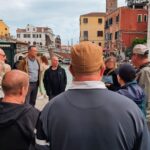
Venice makes sense fast with a local guide. You get a 100% private route with stops at Rialto, St Mark’s, and Doge’s Palace, plus space to ask questions like a real neighbor would. I especially like that the tour is hotel pickup friendly, so you can start exploring without wasting your morning.
The only real catch is cost creep: some major sights have admission fees not included (like St Mark’s Basilica and Doge’s Palace). If you plan to go inside all of them, budget extra so the ticket line doesn’t surprise you.
I also like the pacing. It’s light to moderate walking at your own tempo, and guides such as Rossella, Michele, Emanuele, and Lucrenzia are known for weaving in everyday Venice, not just postcard facts.
In This Review
- Key things to know before you go
- Why this Venice Private Walking Tour feels efficient
- Your route: Rialto to Arsenale in about two hours
- Stop 1: Rialto Bridge—oldest of the Grand Canal crossings
- Stop 2: Teatro La Fenice—opera power in the middle of town
- Stop 3: Campo San Zulian—where medieval Venice life still echoes
- Stop 4: St Mark’s Basilica—what to look for, before you go inside
- Stop 5: Palazzo Ducale—Venetian Gothic meets real power
- Stop 6: Ponte dei Sospiri—Bridge of Sighs, explained without the drama
- The biggest value: your guide makes the city make sense
- Hotel pickup and start time: choose the moment that saves you
- Price and value: is $162.40 per person worth it?
- Walking level and what to pack
- Who this Venice private walk suits best
- Should you book this Venice private walking tour?
- FAQ
- How long is the Venice Private Walking Tour?
- Is this tour private?
- Do you offer hotel pickup?
- Where does the tour start and end?
- Are attraction tickets included in the price?
- What language is the tour offered in?
- Do you get a mobile ticket?
- How far in advance should I book?
- What’s the cancellation policy?
Key things to know before you go
- Choose your start time to match your Venice schedule (early for quieter streets, later for more bustle).
- Hotel pickup in central Venice saves time and helps if you’re juggling luggage or jet lag.
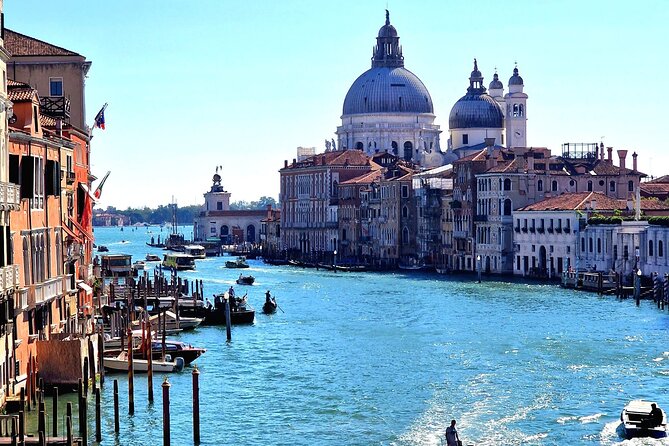
- Rialto Bridge to St Mark’s to Doge’s Palace is handled as one smooth walking story.
- Guides focus on daily life—culture, habits, and how locals move through the city.
- Admission split is clear: Rialto Bridge and Campo San Zulian are ticket-free, while other stops aren’t.
- Private tour means only your group—great for asking questions without competing for attention.
Why this Venice Private Walking Tour feels efficient
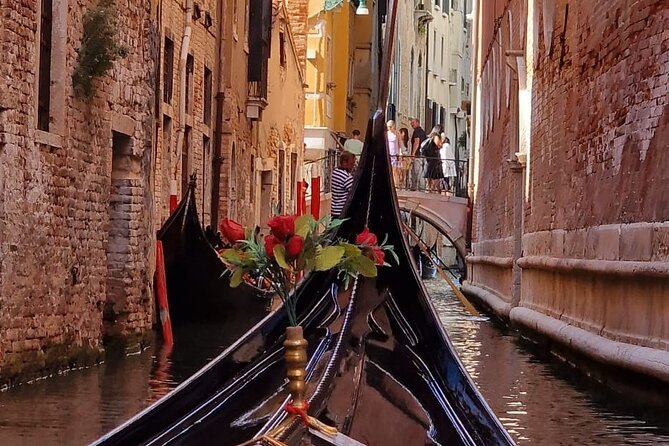
Venice is gorgeous, but it can also feel like you’re wandering with a blindfold on. This tour fixes that fast. In about two hours, you get a structured walk through the city’s most important sights while still having time to stop, look, and ask follow-up questions.
I like that it’s not just speeches at each corner. The guide’s job is to help you understand how Venice works: where the moneyed families sat, why certain squares matter, and what the big buildings were used for. That turns your photos into something smarter than a snapshot.
There’s also a practical upside: with 100% private touring, your pace is yours. If your group wants more time at a view over the Grand Canal, you can generally spend it. If you want to move quickly and save energy for later, you can do that too.
You can also read our reviews of more walking tours in Venice


Your route: Rialto to Arsenale in about two hours
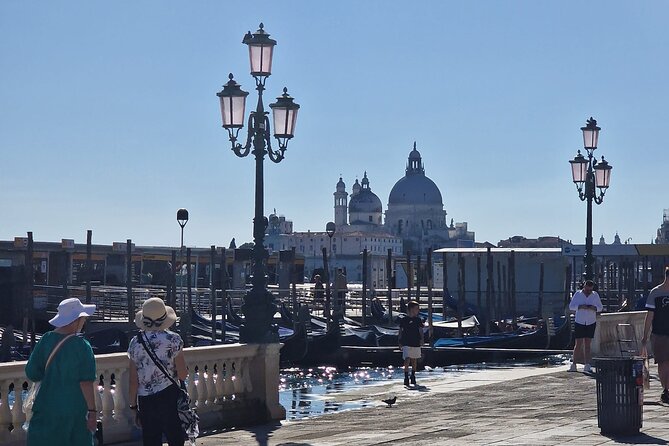
The walk covers six main stops, each built for a specific kind of seeing—views, landmarks, and “why it matters” context. Plan on around 20 minutes per stop, with the total experience clocking in at about 2 hours.
You start at the Rialto Bridge area and end near Arsenale di Venezia (Campo de la Tana). That means it’s not a closed loop that drops you back exactly where you began. I like that, though, because it often positions you well for the next chunk of your day—dinner planning, a boat ride, or wandering toward the quieter neighborhoods.
Also note the tour is offered in English, and you’ll get a mobile ticket.
Stop 1: Rialto Bridge—oldest of the Grand Canal crossings
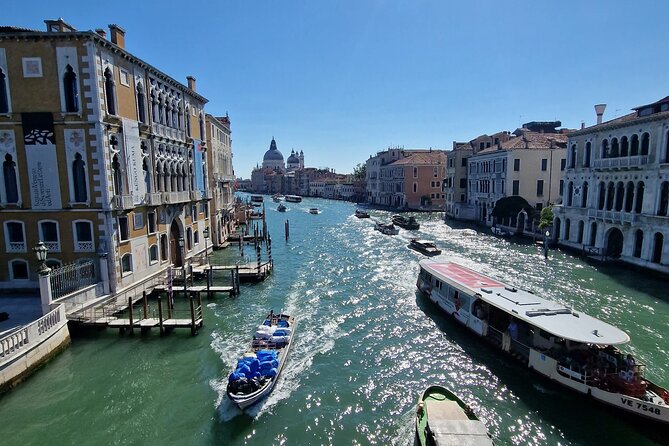
Rialto Bridge is one of those places you can’t fully understand just by staring at it. This stop gives you the key context quickly: it’s the oldest of the four bridges spanning the Grand Canal.
Here’s what you should do with your time at Rialto:
- Look at the way the bridge frames the canal. Venice photography gets easier when you notice how the buildings align with water views.
- Take a few steps along the near-view edges. Even small repositioning changes the feel of the scene.
Admission here is free, so there’s no “fee hurdle” before you even get started. It’s a great opener, too—Rialto is the kind of landmark that makes the rest of the walk feel more connected.
Stop 2: Teatro La Fenice—opera power in the middle of town
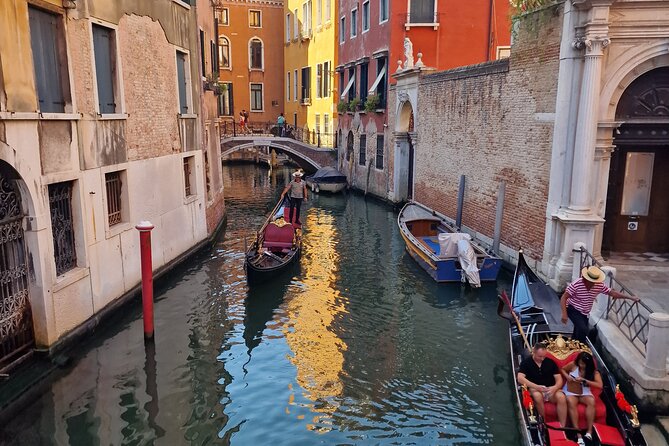
Next up is Teatro La Fenice, Venice’s famous opera house. You’ll learn why it’s such a big deal in Italian theatre: in the 19th century, La Fenice hosted many notable operatic premieres, tied to major bel canto composers like Rossini, Bellini, Donizetti, and Verdi.
You don’t need to be an opera fan to get value from this stop. The real takeaway is how Venice used culture as status and persuasion. An opera house wasn’t only entertainment—it was a public stage for the city’s identity.
Practical note: admission is not included for this stop. So treat the exterior and the guide’s context as the main event unless you decide you want to go further on your own.
Stop 3: Campo San Zulian—where medieval Venice life still echoes
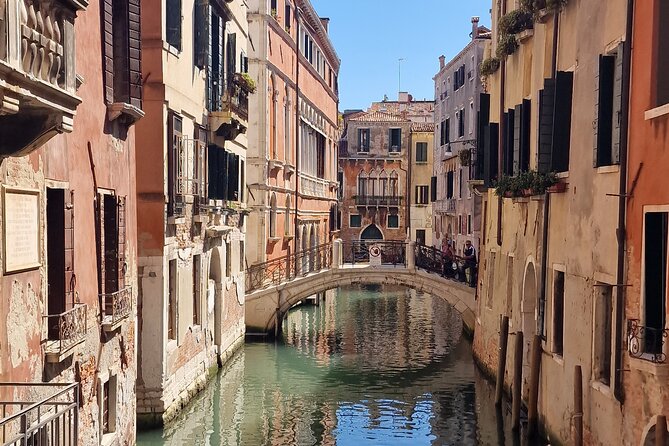
Campo San Zulian is the kind of square that helps Venice feel human again. This is the heart of the experience between big monuments: a gathering place with medieval roots, once connected to markets, festivals, and everyday life.
The guide context matters here. You’ll learn the square’s name honors Saint Julian the Hospitaller, and you’ll notice how the facades around the campo reflect wealth from the families who lived along a key route between Rialto and St. Mark’s.
This is also a good moment to slow down. When the crowds thicken later near St Mark’s, Campo San Zulian often feels calmer—more like a lived-in part of Venice than a theme park.
Admission is free, so there’s no extra cost to simply enjoy the space and absorb the details.
You can also read our reviews of more private tours in Venice




Stop 4: St Mark’s Basilica—what to look for, before you go inside
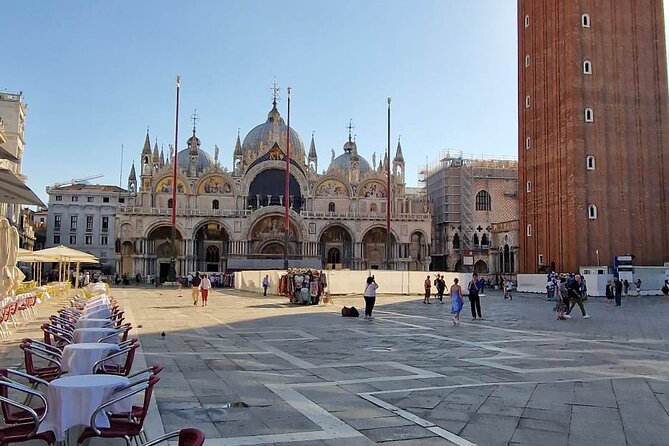
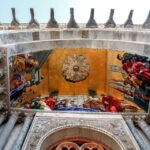
When the walk reaches Piazza San Marco and St Mark’s Basilica, the city turns up the volume. St Mark’s Basilica is the cathedral church of the Patriarchate of Venice, and it became the episcopal seat in 1807.
You’ll also learn the religious anchor of the site: it’s dedicated to and holds the relics of Saint Mark the Evangelist, Venice’s patron saint.
This stop is marked as admission not included, so if you want to go inside, you’ll likely need to arrange entry separately. Still, the value here is in preparation. Knowing what the place represents helps you notice details instead of just chasing wow-moments.
If your group includes first-timers, this is where the guide earns their keep—turning a famous building into something you can actually read.
Stop 5: Palazzo Ducale—Venetian Gothic meets real power
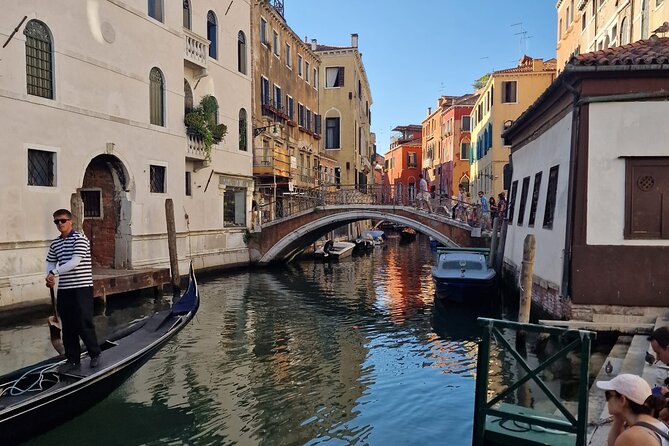
Then comes the big one: Palazzo Ducale, the Doge’s Palace. This building explains how Venice governed itself. It was the residence of the Doge of Venice, the supreme authority of the former Republic of Venice.
You’ll get quick architecture and timeline context:
- Built in 1340
- Extended and modified in later centuries
- Became a museum in 1923
It’s also part of the Fondazione Musei Civici di Venezia, one of the museum organizations running sites across the city.
Like St Mark’s, admission is not included. Still, seeing the palace from the outside with the guide’s explanation changes the mood. The palace isn’t just pretty stone—it’s the backdrop to decision-making, justice, and the weight of a city that ran like a machine made of canals.
Stop 6: Ponte dei Sospiri—Bridge of Sighs, explained without the drama
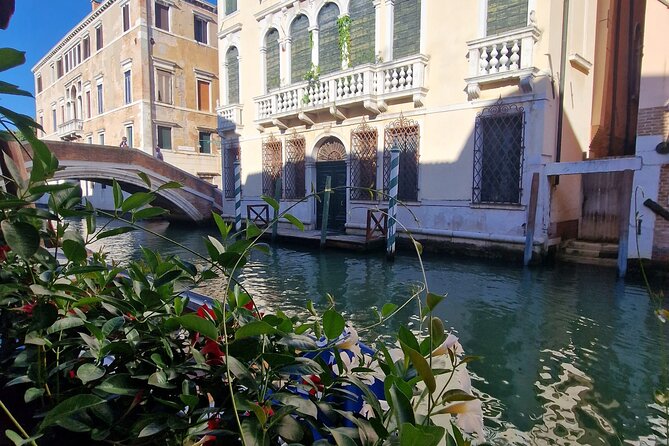
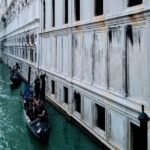
The final stop is Ponte dei Sospiri, the Bridge of Sighs. This is one of those Venice landmarks that people talk about like a legend, but the real value is in the structure and function.
You’ll learn:
- The bridge is enclosed, made of white limestone
- It has windows with stone bars
- It crosses the Rio di Palazzo
- It connects the New Prison to interrogation rooms in the Doge’s Palace
- It was built in 1600
- The design is credited to Antonio Contino (with a family link: the uncle of Contino designed the Rialto Bridge)
This is a great closer because it ties the political power you just learned about at Palazzo Ducale to the darker side of the story—how justice moved through space. It’s also usually photo-friendly without requiring a long detour.
Admission is not included here too, so plan on this being about views and explanation rather than another ticketed interior stop.
The biggest value: your guide makes the city make sense
The most praised part of this kind of tour is rarely the list of monuments. It’s how the guide connects them.
You should expect a guide who acts like a local instructor. That means you’re not just hearing facts; you’re learning how to interpret what you see. The best guides also answer questions without making you feel awkward—perfect for groups who want practical details like what routes make sense, what’s worth a second look later, or why certain streets feel busier than others.
Guides that have led this tour—Rossella, Michele, Emanuele, and Lucrenzia—are noted for knowledge and for adding practical Venice tips. If your guide is like Emanuele, you may even get suggestions for where to eat, which can be a big deal after a couple hours of walking.
Hotel pickup and start time: choose the moment that saves you
One reason I’d consider this tour early in a trip is the hotel pickup from central Venice. Venice is built for walking, but getting started can still be stressful—finding the right alley, dodging boats, hauling bags, and figuring out which way leads to water access.
This tour lets you choose a start time that fits your vacation rhythm. If your goal is less crowd pressure near the biggest sights, an earlier start is usually the smart play. If you prefer relaxed mornings and a later vibe, you can shift without losing the structure.
You also have near public transportation as a safety net. If your pickup plan changes, you should have a realistic way to get to the route.
Price and value: is $162.40 per person worth it?
At $162.40 per person for a tour that runs about two hours, the price makes sense when you compare what’s included: a licensed local guide, 100% private format, and hotel pickup from central Venice.
Private tours can feel pricey if you’re traveling solo. But if you’re a couple or a small group, the value often lands better because you’re not splitting attention with strangers. You’re also paying for navigation and context, not just walking beside a landmark.
Here’s where you should do a quick self-check:
- If you plan to visit several ticketed interiors (St Mark’s Basilica, Doge’s Palace, and more), the total cost will rise beyond the base price because admission is not included for several stops.
- If you’re happy with seeing major exteriors and letting the guide teach you what to look for, you may keep costs more predictable.
In other words: the tour is priced for private guidance and a tight route, not for covering every ticketed entrance.
Walking level and what to pack
This is light to moderate walking at your own pace. That’s good news for most people, but Venice is Venice: uneven stone, small bridges, and lots of stops.
Pack the basics:
- Comfortable shoes you trust on slick stone
- A small water bottle (even if you don’t drink much)
- A light layer if you’re touring when the wind comes off the lagoon
If you have mobility needs, the tour states that most travelers can participate, and service animals are allowed. If your group has specific limits, it’s worth confirming details before you go so you can match the route style to your comfort.
Who this Venice private walk suits best
This is a strong match if:
- You want a structured Venice visit that hits the big names without turning into a chaotic self-guided scramble
- Your group likes asking questions and moving at a custom pace
- You’re in Venice for a short stay and want a fast, high-value orientation
It may be less ideal if:
- You plan to spend most of your time waiting in lines for multiple inside visits. Because admission isn’t included for several stops, you might prefer a more ticket-focused plan if inside time is your priority.
Should you book this Venice private walking tour?
I’d book it if you want the simplest path to understanding Venice. The route moves from Rialto to St Mark’s and onto Doge’s Palace and the Bridge of Sighs, and the guide’s job is to connect those dots—culture, daily life, and how power shaped the city’s layout.
If your group is cost-sensitive because you want every interior ticket, treat the $162.40 as the start of the budget, not the end. If you’re happy soaking up the sights with context—and letting the guide show you what matters—you’ll likely feel the value quickly.
In short: this is a solid pick for people who want real orientation and a private guide in one efficient walk.
FAQ
How long is the Venice Private Walking Tour?
The tour lasts about 2 hours.
Is this tour private?
Yes. It’s a 100% private tour, so only your group participates.
Do you offer hotel pickup?
Yes. Pickup is offered from your central Venice hotel.
Where does the tour start and end?
It starts at Rialto Bridge (Ponte de Rialto, 30100 Venezia VE, Italy) and ends at Arsenale di Venezia (Campo de la Tana, 2169, 30122 Venezia VE, Italy).
Are attraction tickets included in the price?
Not all of them. Admission is free for Rialto Bridge and Campo San Zulian, but admission is not included for Teatro La Fenice, St Mark’s Basilica, Palazzo Ducale, and Ponte dei Sospiri.
What language is the tour offered in?
The tour is offered in English.
Do you get a mobile ticket?
Yes. A mobile ticket is provided.
How far in advance should I book?
On average, this experience is booked about 30 days in advance.
What’s the cancellation policy?
Free cancellation is available up to 24 hours in advance for a full refund. If you cancel less than 24 hours before the start time, the amount you paid will not be refunded.