REVIEW · VENICE
Lio Piccolo: Flamingos & Birdwatching Bike Tour in the Lagoon
Book on Viator →Operated by deTourist Venice Valerio Coppo · Bookable on Viator
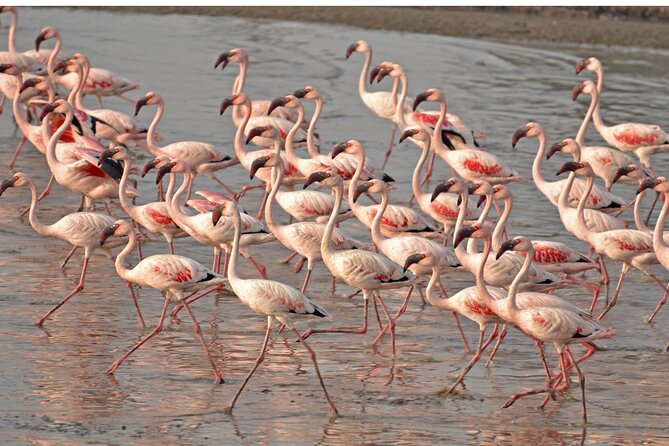
Flamingos, right outside Venice. I like how this small-group lagoon bike tour trades busy canals for wetland footwork, with a guide helping you spot birds where they actually feed. You’ll spend real time at Lio Piccolo, a prime lagoon area where flamingos can show up in huge numbers.
One thing to plan for: you need good weather, because you’re out cycling and birding in open terrain. Also, your main extras are practical ones—water-bus transport and e-bike rental cost extra.
In This Review
- Key highlights to know before you go
- Why This Lagoon Bike Ride Feels Different From a Typical Venice Day
- The Start: Fondamente Nuove to Treporti by Water Bus
- Pick Your Bike: City Bike, Tandem, or the E-Bike Option
- Stop 1: Lio Piccolo’s Flamingo Focus (Why This Place Matters)
- Stop 2: Lio Piccolo Beyond Flamingos (The 300-Species Moment)
- Stop 3: Via delle Mesole for Mudflats, Canals, and Fishing Valleys
- Stop 4: Al Notturno and the Lagoon’s Fresh + Salt Story
- Timing and Pace: What 5 Hours Feels Like on the Bike
- Included vs. Extra Costs: The Real Price Picture
- Who Should Book This (and Who Might Find It a Tough Fit)
- Should You Book the Lio Piccolo Flamingos and Birdwatching Bike Tour?
- FAQ
- How long is the Lio Piccolo flamingos and birdwatching bike tour?
- What does the tour cost?
- Is the bike rental included?
- Do I need a water-bus ticket?
- How many people are in the group?
- What happens if the weather is bad?
Key highlights to know before you go
- A capped group size keeps the ride calm, with a cap referenced at eight travelers and a listed maximum of 10
- Lio Piccolo bird time focuses on why flamingos and wading birds stay—shallows, mud, and fish-farm pools
- Up to 300 bird species in the lagoon means you’re not just chasing flamingos
- Binoculars help a lot, especially when birds are active but distant
- Bike choices on arrival include city bikes, tandems, and e-bikes (the e-bike option runs around €20)
- Multiple habitat stops connect flamingos, marsh birds, sand dunes, and the lagoon’s freshwater/saltwater mix
Why This Lagoon Bike Ride Feels Different From a Typical Venice Day
Venice is famous for water taxis and postcard angles. This tour gives you a different kind of Venice water world: the Venetian Lagoon on a bike, with a nature and interpretive guide doing the bird-spotting homework with you.
I especially like the rhythm. You’re not just looking for a single photo moment. You’re riding through wetland edges, pausing where birds gather, and learning what you’re seeing as you go—so the flamingos don’t feel random, they feel expected.
The tone is also refreshingly practical. It’s active, outdoors, and calm enough that you can actually notice details like how wading birds use shallow water and mudflats.
You can also read our reviews of more cycling tours in Venice

The Start: Fondamente Nuove to Treporti by Water Bus
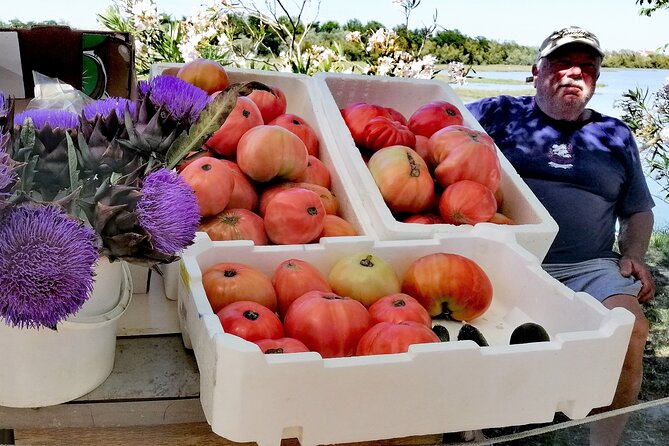
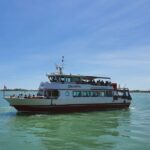
You meet in Venice at Fondamente Nuove and then you transfer by water bus up the northern lagoon toward Treporti. That boat segment matters because it sets the mood—this is a lagoon tour first, not a last-minute bike rental.
From Treporti, your bikes are waiting and you’re ready to start pedaling toward the birding areas. The tour includes admission ticket-free segments on the schedule, but the water-bus transport itself is not included in the price, so plan for that cost when you’re budgeting.
A helpful detail: the operator notes a water-bus daily pass option to Punta Sabbioni for about €9.50 per person. Even if your exact boarding point varies by date, treat this as your planning number.
Pick Your Bike: City Bike, Tandem, or the E-Bike Option
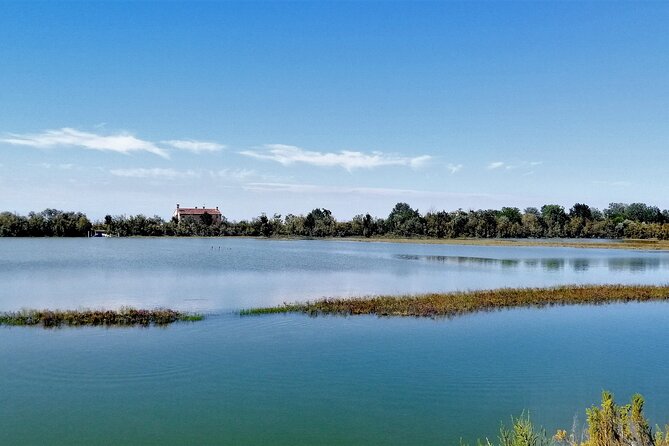
The bike rental is included, and you can choose what fits your group. You can go with a city bike, a tandem (great for couples or friends who want to share effort), or an e-bike.
If you want the e-bike, budget around €20 for that rental. The e-bike option being “own expense” means it’s not bundled into the main price, so don’t get surprised at the dock when you’re thinking you’ll upgrade on the fly.
What I like here is flexibility. If you’re strong and want a bit of workout, go city or tandem. If you want the easiest ride and more time with your eyes up for birds, the e-bike option can be worth it.
Stop 1: Lio Piccolo’s Flamingo Focus (Why This Place Matters)
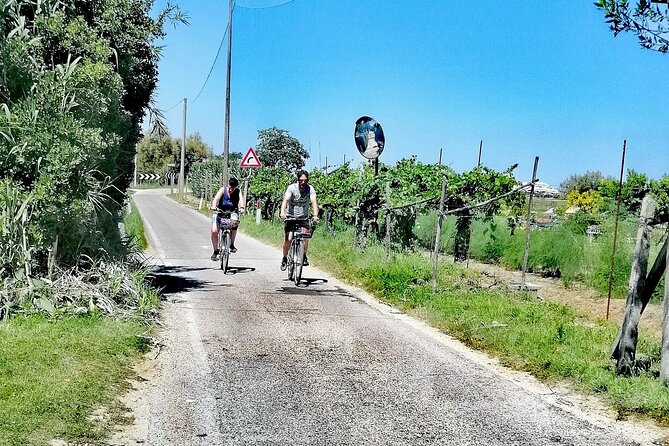
Your first big birding stop is Lio Piccolo, and this is where the tour’s promise turns into something you can actually watch.
Here’s the key context the guide gives you: people often associate flamingos with other regions, but flamingos have been settling in the Venetian Lagoon for over a decade. There are more than 8,000 flamingos that winter in the lagoon, and many stick around longer than you’d expect.
This area also ties into the way birds feed. The flamingos are comfortable around valli da pesca, fish farms in the lagoon, and they spend time in shallows with muddy water where they can filter and forage. That’s the kind of explanation that changes your birding experience from random spotting to real understanding.
A practical tip: you’ll have the most success when you pause and scan slowly rather than sprinting to the next view. Wading birds move in bursts, and the lagoon is wide—so slow scanning works.
Stop 2: Lio Piccolo Beyond Flamingos (The 300-Species Moment)
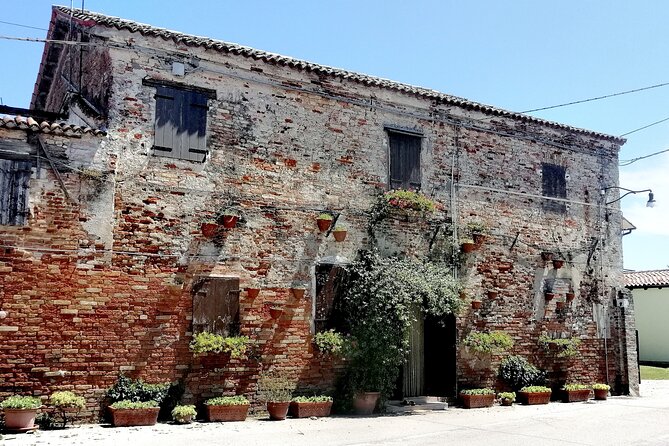
Lio Piccolo isn’t just flamingos. The tour schedules a second stop here, and it makes sense: when you stay in one area long enough, you see how different birds use different parts of the wetland.
The guide frames the whole lagoon as a bird ecosystem. In total, around 300 species of birds live in the lagoon system. That includes ducks, herons, seagulls, waders, shorebirds, and more.
You might spot ducks like mallards, teals, pintails, wigeons, and shovelers. You may also see herons and cormorants, with cormorants noted as reaching Venice from places like Poland, Sweden, or Denmark. And yes, flamingos are still part of the story—around 4,000 flamingoes are described as now stably residing in the lagoon area instead of migrating the old route.
From birding jargon to real sightings, this is the moment where binoculars can pay off. One very useful carry-along is a pair of binoculars if you have them. When birds are far or you’re trying to separate species in a flock, that extra magnification makes the tour feel like a guided field class.
If you’re wondering what birds show up in the real world, you could get a mix like these: tall waders such as stilts and greenshank, shore birds like redshank, curlew-like birds, ibis, herons including silvery heron types, river terns, red-backed shrikes, and even spoonbills. You may also see other grey-hued herons. Species names vary by season and day, but this is the kind of variety the guide can help you identify.

Stop 3: Via delle Mesole for Mudflats, Canals, and Fishing Valleys
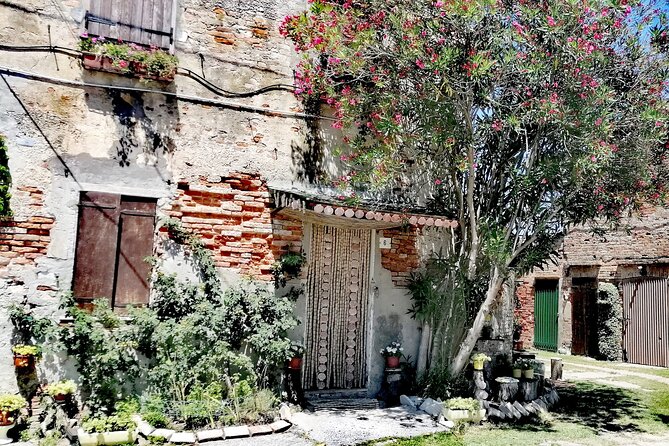
After the Lio Piccolo time, you cycle along Via delle Mesole for some of the best “look around and understand what you’re seeing” moments.
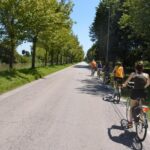
You’re riding with views of both the Adriatic Sea and the lagoon itself. The route is described as passing scenes like sand dunes, vegetable patches, and the signature lagoon features: canals, sand banks, mudflats, and fishing valleys.
This stop is valuable because it gives your birding a backdrop. Birds don’t choose a view—they choose a habitat. When you can connect mudflat and shallows to the birds that feed there, the whole lagoon starts to make sense.
A gentle warning: cycling here is part of the tour experience. If you’re hoping for a fully sedentary birding day, this may feel a little too active. If you’re okay pedaling at a relaxed pace between birding pauses, you’ll enjoy how the scenery keeps changing.
Stop 4: Al Notturno and the Lagoon’s Fresh + Salt Story
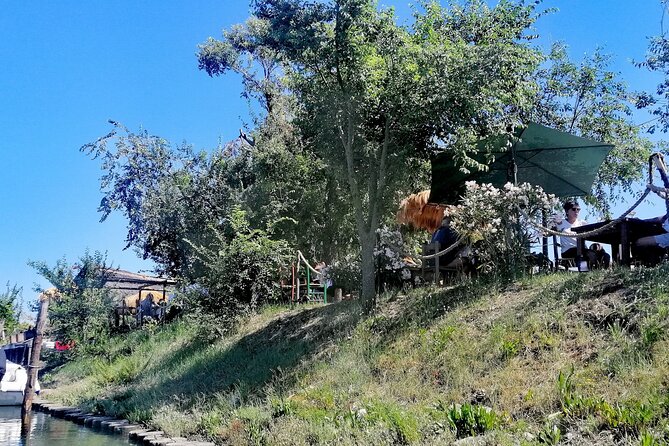
Your final scheduled stop is Al Notturno, where the tour shifts from spotting to understanding.
The guide frames the ride around the lagoon’s three elements: land, fresh water, and salt water coexisting. That matters because it’s a simple way to explain why the birds and plant zones are so varied. Different birds prefer different water conditions, and those conditions show up in the habitat you pass.
This is also the part where the interpretive talk turns useful. Instead of listening to bird names only, you learn why the area looks and behaves the way it does—why certain areas are muddy, why shallows form, and why birds keep returning to specific sections.
It’s not just nature talk for its own sake. The explanation helps you predict what you might see when you crest a turn or spot a change in water color.
Timing and Pace: What 5 Hours Feels Like on the Bike
The tour is around 5 hours, with multiple short stops built in. The schedule gives you a sense of pacing: quick initial transfer time, a longer first dock/bike setup segment, and then repeated birding pauses.
Plan for a day that includes cycling time plus guided stops. You’re not looking at a full-day endurance ride, but you are riding enough that you should wear something comfortable for biking and bring sun protection. The tour requires good weather, so when it’s rainy or stormy, expect the operator to adjust.
If you’re the type who gets impatient waiting for the group, this isn’t your moment. The tour works best when you slow down. Let the guide guide, then look where they point.
Included vs. Extra Costs: The Real Price Picture
The published price is $203.07 per person. The value equation is pretty clear: your bike rental is included, and you also get a tour leader plus a nature and interpretive guide.
Not included are two things you should budget early:
- the water-bus ticket (with a daily pass option to Punta Sabbioni listed at about €9.50 per person)
- gratuities, which are discretionary
And if you want an e-bike upgrade, that’s around €20 (booked and ready for you).
Is it worth $203? For me, it’s most convincing when you care about the guiding. This is not just a bike rental with a map. You’re paying for a small-group, guided birdwatching format in an area where birds concentrate. With a capped group size, you also avoid the chaos that makes birding frustrating.
One more practical note: it’s booked far in advance on average, which usually means demand is strong. If you’re traveling in a peak season, lock it in earlier rather than gambling on last-minute availability.
Who Should Book This (and Who Might Find It a Tough Fit)
This tour is a great fit if:
- you love birds and want help identifying what you see
- you want a break from Venice crowds without leaving the region
- you’re comfortable cycling for a few hours at a relaxed pace
- you like guided interpretation, not just sightseeing
It may be less ideal if:
- you’re only interested in a passive sightseeing day
- you don’t handle outdoor weather well, since it needs good conditions
- you dislike paying add-ons like the water bus and possible e-bike rental
If you go, your best preparation is simple: bring layers, sun protection, and if you own them, binoculars. Those small upgrades can turn a good bird day into a great one.
Should You Book the Lio Piccolo Flamingos and Birdwatching Bike Tour?
If you want flamingos, but you also want the why behind them—wetland feeding habits, habitat explanations, and a guide who helps you actually see birds—this is the kind of tour that makes sense.
For me, the deciding factor is the combination of small-group biking plus interpretive birdwatching in one of the lagoon zones where wintering flamingos gather. You’ll spend time in the places that matter instead of only orbiting scenic spots.
Book it if you’re flexible about weather and you’re ready to slow down, scan, and enjoy a quieter Venice day on two wheels.
FAQ
How long is the Lio Piccolo flamingos and birdwatching bike tour?
It runs for about 5 hours.
What does the tour cost?
The price is listed as $203.07 per person.
Is the bike rental included?
Yes. Bike rental is included in the tour price. E-bikes are offered as an option for an additional cost (around €20).
Do I need a water-bus ticket?
Yes. The water-bus ticket is not included. A daily pass option to Punta Sabbioni is listed at about €9.50 per person.
How many people are in the group?
The tour keeps numbers low, with eight travelers referenced as a cap, and a maximum of 10 travelers listed.
What happens if the weather is bad?
The tour requires good weather. If it’s canceled due to poor weather, you’ll be offered a different date or a full refund. Free cancellation is available up to 24 hours in advance.