REVIEW · VENICE
Venice: Carnival Mask Workshop
Book on GetYourGuide →Operated by CITY TOURS CO LTD · Bookable on GetYourGuide
Paint a Venetian disguise you can keep. In this one-hour hands-on workshop, a Venetian artisan guides you through choosing a mask and painting it with care, using paper-mâché techniques tied to Carnival traditions. You get a real feel for why masks mattered in old Venice, not just pretty decoration.
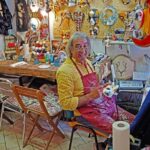
I especially like the personal coaching. Folks such as Giorgio, Nicolo, and Petra come up again and again in the stories from previous classes, and the vibe is patient, interactive, and not rushed. The main consideration is practical: the space is not fully accessible for wheelchair users or people with walking difficulties.
In This Review
- Key things I’d mark on your itinerary
- Why a mask workshop beats buying a souvenir in Venice
- What you do in the workshop: pick a base mask, then paint with guidance
- Carnival mask tradition, explained the way an artisan actually tells it
- The setting near San Marco and the Doge’s Palace prison vibe
- Paint supplies, mess level, and what to wear
- How long it really takes: one hour on paper, time that feels workable
- Price and value: $91 for a take-home mask you built
- Who should book this workshop (and who shouldn’t)
- Practical planning tips so you get the best session
- Should you book the Venice Carnival mask workshop?
- FAQ
- How long is the Venice Carnival Mask Workshop?
- What is included in the $91 price?
- What languages do the instructors speak?
- Is there a meeting point, and can it change?
- Is the workshop accessible for wheelchair users?
- What happens if there’s exceptional high tide?
Key things I’d mark on your itinerary
- Small-group instruction so you aren’t painting alone in a corner
- Choose from multiple mask styles before you start painting
- Carnival context from the artisan (not just craft steps)
- Supplies are included, plus an apron, so you can travel light
- Take-home keepsake you actually made, not a generic tourist buy
Why a mask workshop beats buying a souvenir in Venice
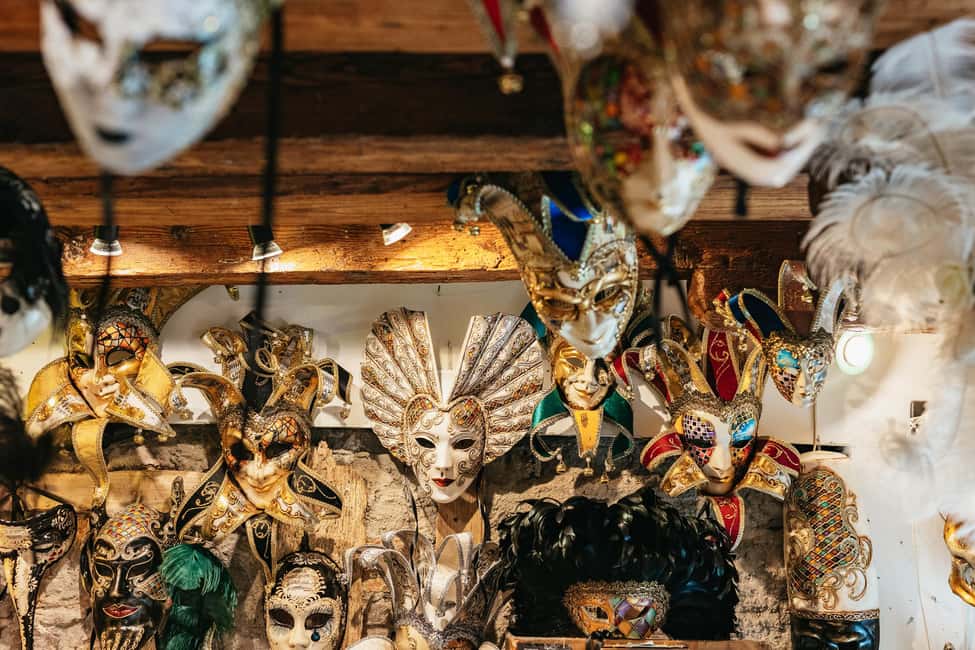
Venice has plenty of mask shops where you can buy something shiny and instant. This workshop is different because you’re building the object yourself, layer by layer, with an artisan who understands the look and the old logic behind it. It turns Carnival from a street spectacle into a small, personal ritual.
You’re also leaving with something more durable than a photo memory. A finished, decorated mask is a real artifact from your trip—something you can hang, display, or even pull out later when Carnival season swings back around.
You can also read our reviews of more tours and experiences in Venice
What you do in the workshop: pick a base mask, then paint with guidance
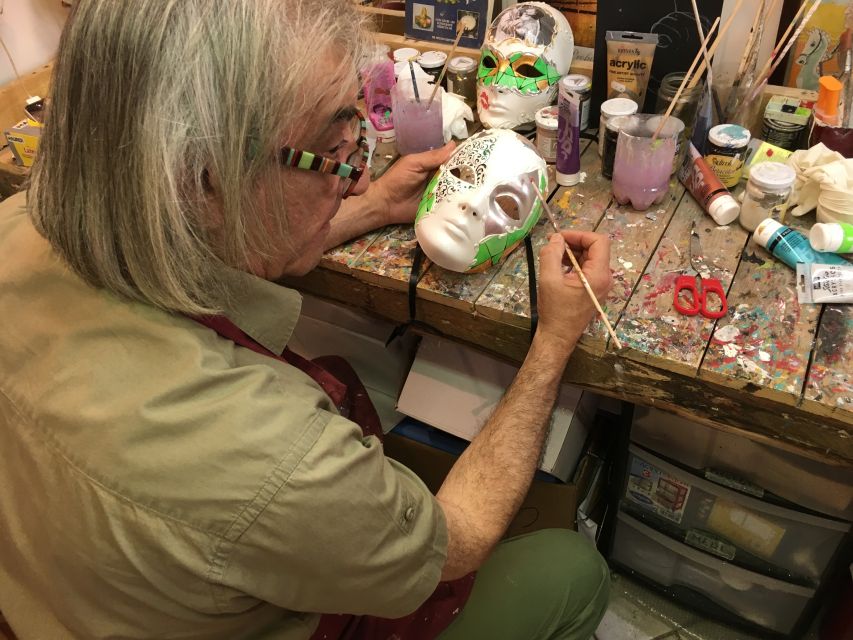
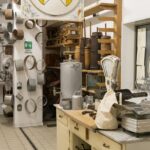
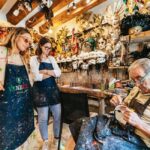
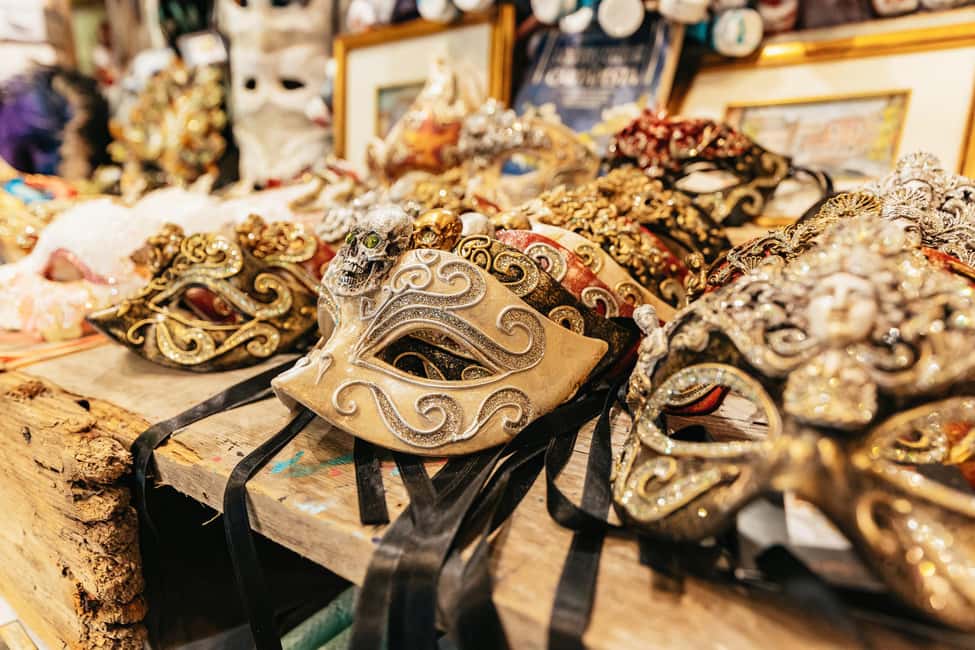
The session starts with selecting the mask form you’ll decorate. Expect a choice of traditional styles, and a workshop setup that gives you room to work without feeling like you’re in a crowded line. Many classes include pencil guidance for color blocking, so even if you’re not an artist, you can still aim for a believable Venetian look.
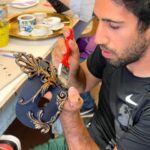
Then you paint. You’ll use the paints and supplies provided, plus an apron, so you don’t have to hunt for art materials in Venice. The rhythm tends to be practical: paint sections, let layers set with drying time, then return for details and finishing touches.
In the best versions of this class, you’re not stuck with a “color-by-numbers” template. You choose your colors and pattern direction, while the instructor helps with technique and balance—so your mask looks like it has intention, not just coverage.
Carnival mask tradition, explained the way an artisan actually tells it
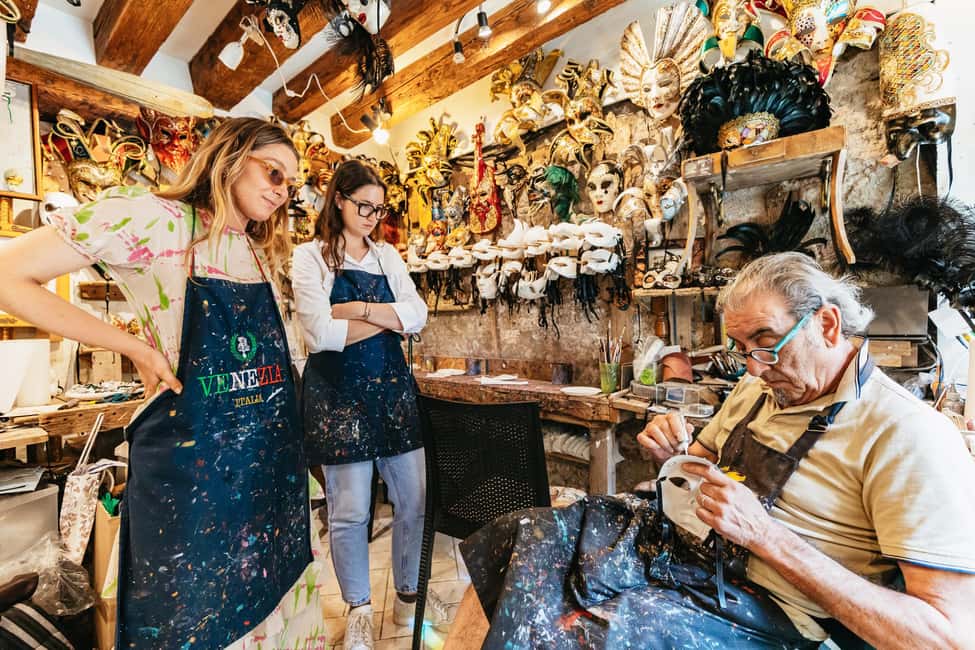
Mask-making here isn’t sold as trivia. It’s tied to why people in Venice used masks during earlier centuries—social anonymity, performance, and a city-wide love of spectacle. In multiple accounts, instructors shared history alongside the painting steps, so you’re learning as you work, not before you even pick up a brush.
You may also hear bits about different Venetian mask styles and how their decoration patterns developed. The most consistent praise is that the teaching stays readable and relevant: it connects the craft to the culture without turning your session into a lecture hall.
The setting near San Marco and the Doge’s Palace prison vibe
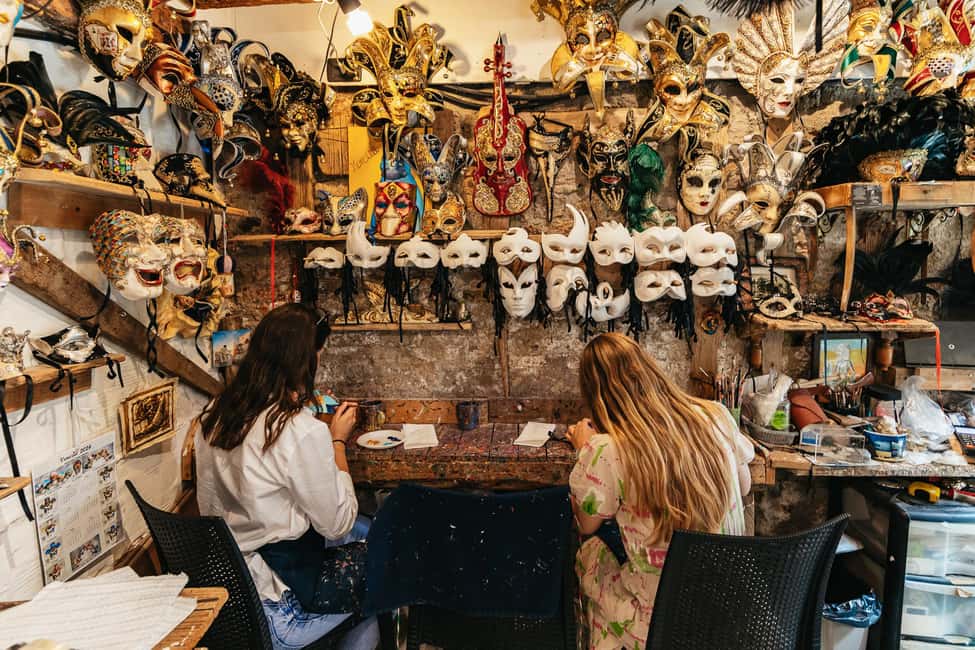
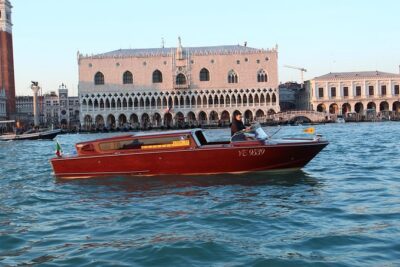
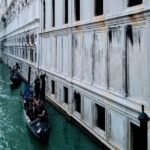
A number of classes take place in a historical space associated with the Doge’s Palace prison complex area, close to San Marco. That kind of setting matters because Venice masks were never just party costumes; they grew out of a city shaped by politics, secrecy, and performance.
You might find the workshop inside a museum-linked environment, where you’ll need your ticket for entry. If your schedule is tight, arrive a few minutes early so you can handle the ticket check calmly and start painting on time.
Several participants also call out the comfort level of the workspace—air-conditioned and designed for making. That’s not a small point in Venice, where outdoor heat and humidity can be a factor.
Paint supplies, mess level, and what to wear
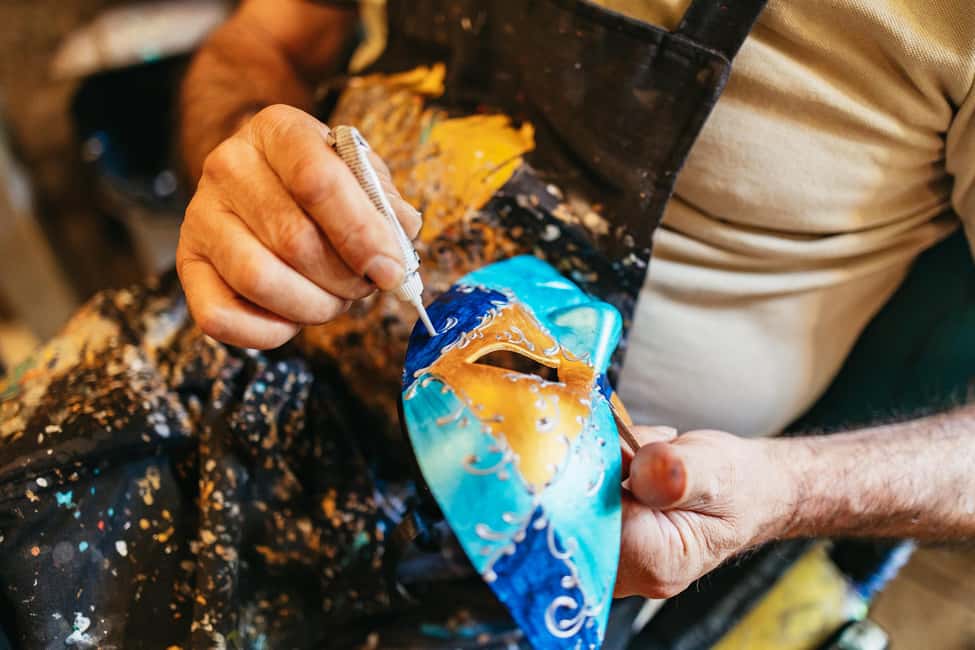
You’ll get all necessary paints and supplies, along with an apron. Still, I recommend dressing for possible splatter. Wear sleeves you don’t mind getting stained, and avoid your nicest shirt unless you enjoy living dangerously.
The workshop is designed for hands-on work, so plan for a slightly messy hour—even with the apron. If you’re also touring after, bring a small wipe-down option in your day bag so you can freshen up before you hit the streets.

How long it really takes: one hour on paper, time that feels workable
The listed duration is 1 hour. In practice, several accounts suggest the class can run a bit over that, with extra time for history, finishing details, and help as needed.
That flexibility matters for value. If you only get one strict hour with no breathing room, rushed corners can show in the final mask. Here, the better sessions give you time to start cleanly, paint confidently, and finish with details that make your mask look intentional.
Price and value: $91 for a take-home mask you built
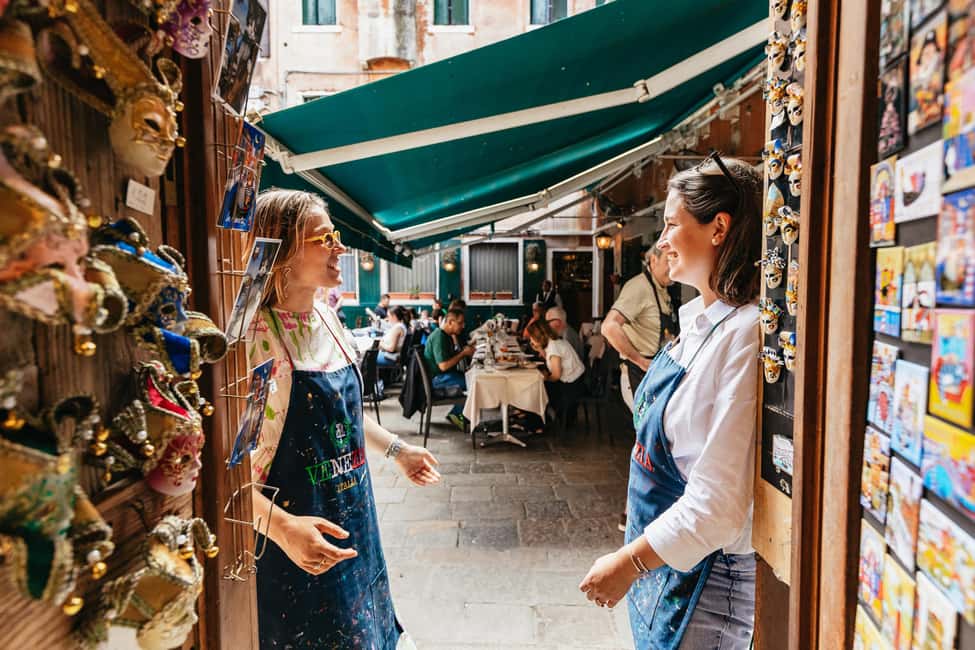
At $91 per person, this isn’t the cheapest thing to do in Venice. But it’s also not just a short activity—it includes a completed mask to take home, plus the paints and supplies and an apron.
Here’s how I think about the value:
- You pay for instruction, not just materials. That artisan guidance is what keeps your mask from looking like a rushed craft project.
- You pay for a finished keepsake. Many visitors spend more than this browsing for masks that are factory-made or mass-produced.
- You save effort. You don’t have to source supplies, and you don’t have to figure out techniques on your own in a city where art materials can be surprisingly hard to pack and carry.
If you’re the type who likes making one good souvenir instead of five mediocre ones, this price starts to feel fair fast.
Who should book this workshop (and who shouldn’t)
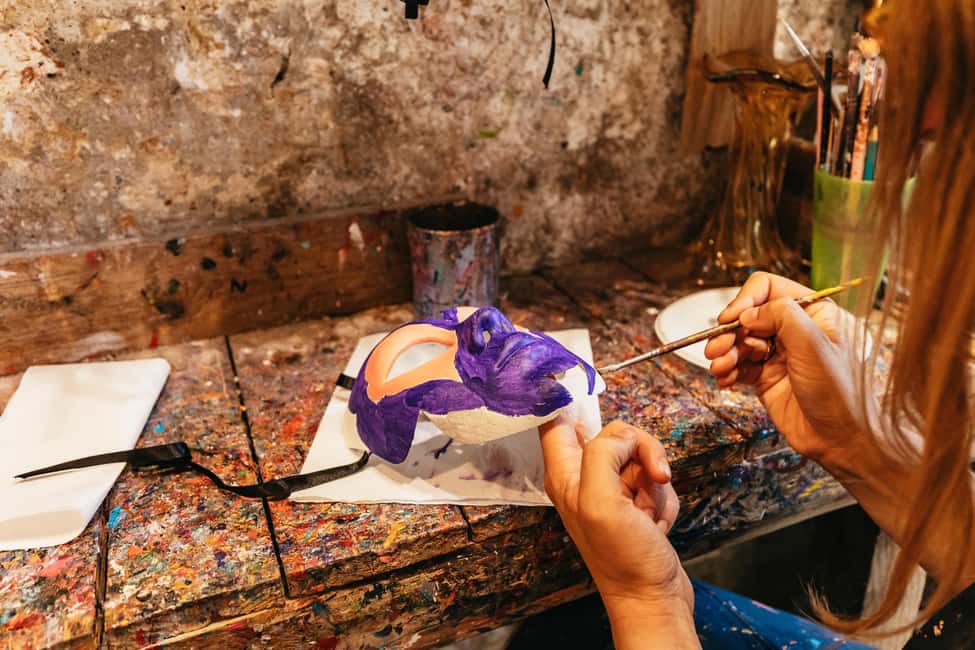
This is a strong fit for couples, families, and anyone who likes doing something with their hands. Parents often like it because kids can choose mask styles and paint in a guided way, and the atmosphere is supportive rather than chaotic.
It can also work well for solo travelers. In past sessions, some people did the workshop alone and still got plenty of attention and interaction with the instructor.
Two groups should think twice:
- People who need wheelchair-friendly access or extra mobility support, since it is not fully accessible for wheelchair users or those with walking difficulties.
- Anyone who expects a fully static, museum-style visit only. This is hands-on making, which means paint, concentration, and some movement within the workshop space.
Practical planning tips so you get the best session
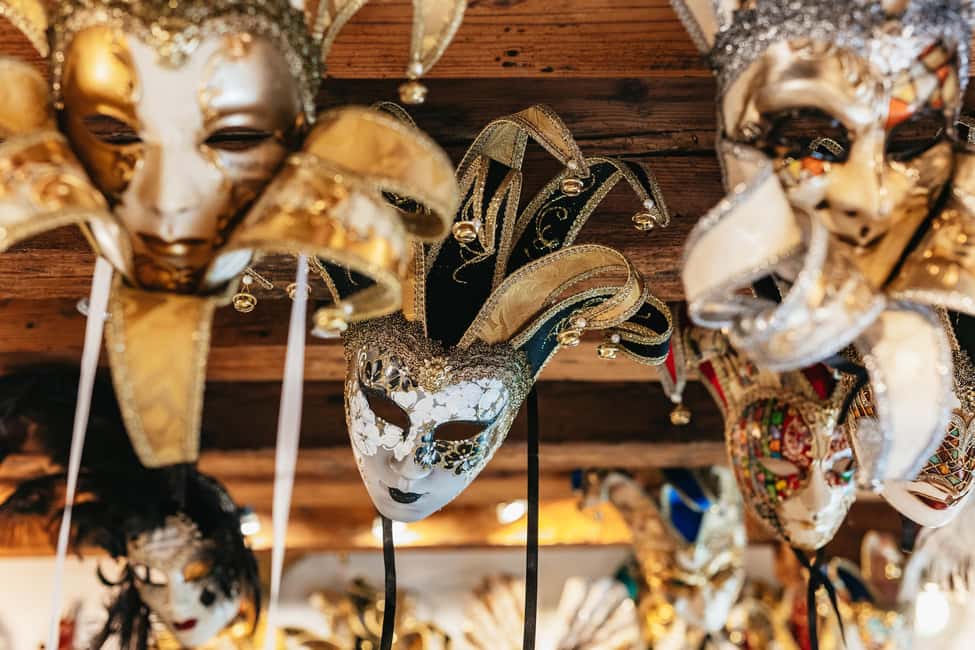
First: confirm your start time and meeting point, since the meeting location can vary by option. If you’re arriving from a nearby sight, give yourself a little buffer for getting through any ticket checks, especially if the workshop sits inside a museum-linked area.
Second: bring patience for decision-making. Choosing a mask style first is part of the fun. If you want a particular look, look at the available forms early so your instructor can help you plan color placement.
Third: consider photos. Many instructors are open to taking pictures during the workshop process, and having a few shots of your mask in progress can help you remember the moment you finished it.
Should you book the Venice Carnival mask workshop?
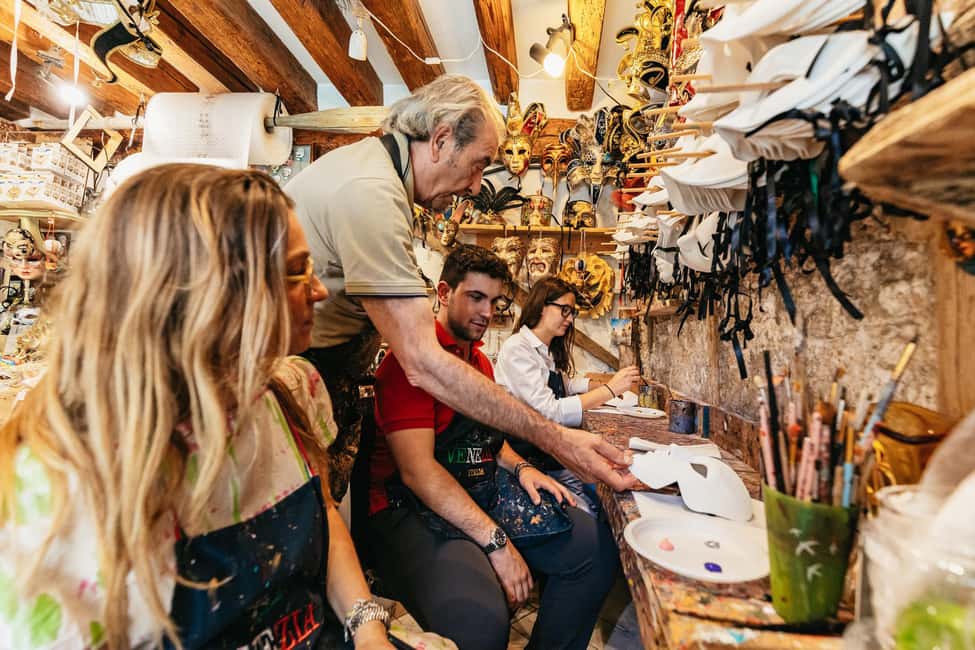
If you want a Venice souvenir with a story and a technique behind it, I’d book this. You’re getting small-group teaching from a working artisan, Carnival context while you paint, and an actual take-home mask made in a real Venetian style—not something generic.
I’d skip it only if mobility access is a concern for you or you’re not interested in a hands-on hour. Otherwise, it’s one of the most “Venice” activities you can do that doesn’t require you to stand in another line.
FAQ
How long is the Venice Carnival Mask Workshop?
The class lasts 1 hour. Starting times depend on availability.
What is included in the $91 price?
You get the mask-decorating class, all necessary paints and supplies, a mask to take home, and an apron.
What languages do the instructors speak?
Instructors can teach in Spanish, Italian, English, and French. The tour could be bilingual.
Is there a meeting point, and can it change?
Yes, there is a meeting point, but it may vary depending on the option booked. Check your specific confirmation details.
Is the workshop accessible for wheelchair users?
No. This tour is not fully accessible for wheelchair users or people with walking difficulties.
What happens if there’s exceptional high tide?
The tour doesn’t operate in case of exceptional high tide. It can be postponed to days after; otherwise, it may be refunded.