REVIEW · VENICE
Murano Glass Factory Experience: A Workshop in Venice
Book on Viator →Operated by Glass factory Colleoni Murano · Bookable on Viator
This is one of the more hands-on ways to understand Murano glass. You get a master glassblower performance at the Colleoni factory, plus time in the workshops and a take-home piece made with Murano glass.
Two things I like a lot: the private-feeling master demonstration (small group, you can ask questions) and the fact you leave with something you made, not just photos. The one watch-out is that the schedule can feel shop-heavy, so if you want maximum craft time and minimum sales pressure, go in with a plan.
In This Review
- Key highlights you should know before you go
- Why Murano, and why this factory stops matter
- Getting there from Sestiere di S. Marco: water taxi + a short trek
- Colleoni Glass Factory: what the master demonstration is really like
- The hands-on workshop: mosaic or Murano jewelry with beads
- The factory tour and showroom time: where the experience can feel split
- How long the day really feels (and why timing matters)
- What you can take home, and how to value it
- Small group size: when it helps and when it doesn’t
- Language and comfort: English support and realistic expectations
- Can you extend to Burano and Torcello?
- Price and value: is $84.33 a fair deal?
- Who should book this, and who should skip it
- Should you book the Murano Glass Factory workshop?
- FAQ
- How long is the Murano glass factory workshop experience?
- How much does it cost?
- Is this tour offered in English?
- What’s included in the tour price?
- Do I make my own Murano glass item?
- Is the group small?
- Where do I meet for the tour?
- What’s the best way to get to Murano from Venice?
- Does the tour run in any weather?
- Are there any access fees for certain days?
Key highlights you should know before you go
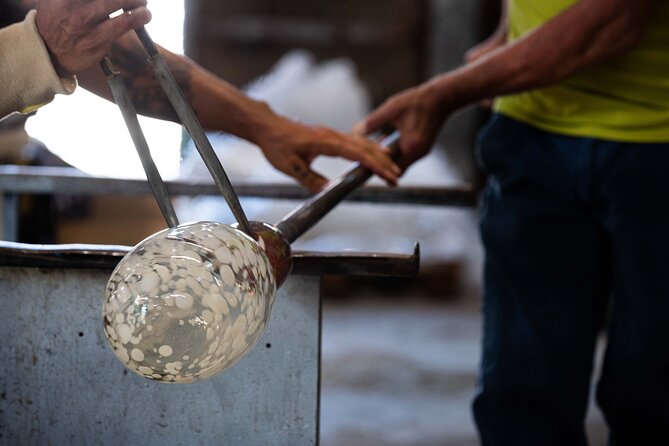
- Master glassblower demo at Colleoni Glass Factory with blowing and sculpting technique shown up close
- Max group size of 15, so the experience doesn’t turn into a stampede
- Workshop choice: mosaic or jewelry with beads using authentic Murano glass
- Round-trip private water taxi between Venice and Murano
- Factory shop perk: a 20% discount if you decide to buy something
- Good-weather dependent with a moderate walking requirement for the day
Why Murano, and why this factory stops matter
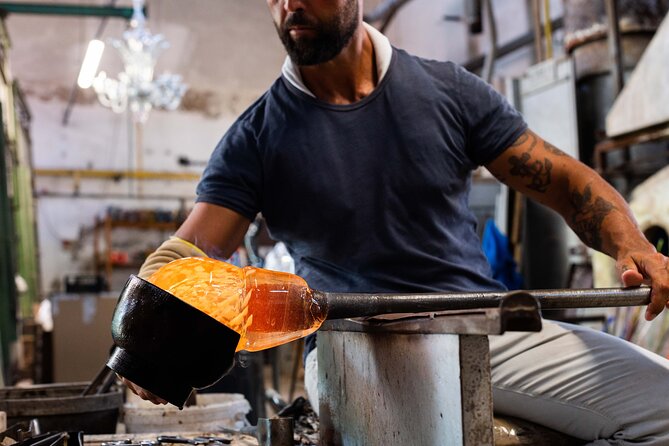
Murano is famous because centuries of glass work happened here, not as a marketing slogan, but because the island became a place where glassblowing knowledge could be concentrated, taught, and protected. This tour leans into that reality by bringing you to a working factory environment instead of treating glass as only a souvenir.
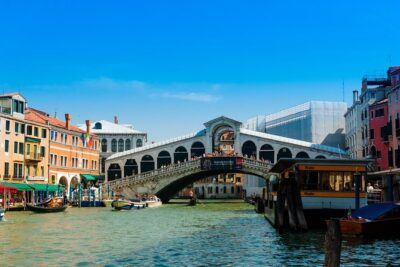
The setup is also practical for Venice. You start in central Venice, then move over the lagoon by water taxi. That matters because you’re not guessing buses, lining up ferries, or arriving at Murano tired. You also get that classic moment—Venice turns into water, and water turns into a different pace of island life.
And then there’s the emotional payoff: seeing craft done at the speed of professionals. The master demonstration is the core. The hands-on workshop is your closer. Together, it makes the day feel like a story instead of separate activities.
You can also read our reviews of more tours and experiences in Venice


Getting there from Sestiere di S. Marco: water taxi + a short trek
Your meeting point is in Sestiere di S. Marco, address Sestiere di S. Marco 5310, 30124 Venezia VE. Plan to arrive a little early, because you’re meeting on foot in a busy neighborhood and then you’ll get moving as a group.
From there, the day includes a water connection between Venice and Murano. The tour lists private watertaxi roundtrip as included, which is a huge value item in Venice terms. You’re not just paying for time; you’re paying for getting across the lagoon without friction.
Also note the “moderate physical fitness” guidance. You’re not doing a mountain hike, but you should be ready for some walking and getting on and off boats. If you’re traveling with mobility limits, this part can matter more than the length of the tour.
Colleoni Glass Factory: what the master demonstration is really like
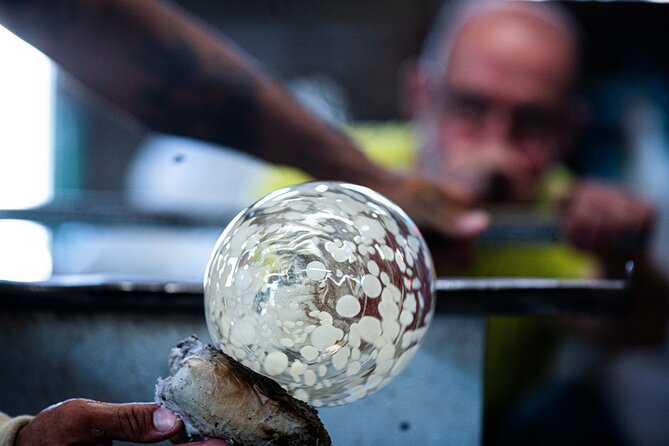
Once you reach the Colleoni Glass Factory on Murano, the day centers on watching a master glassblower work. The experience is built around the blowing and sculpting techniques, and it’s the part that most people remember.
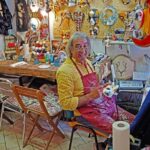
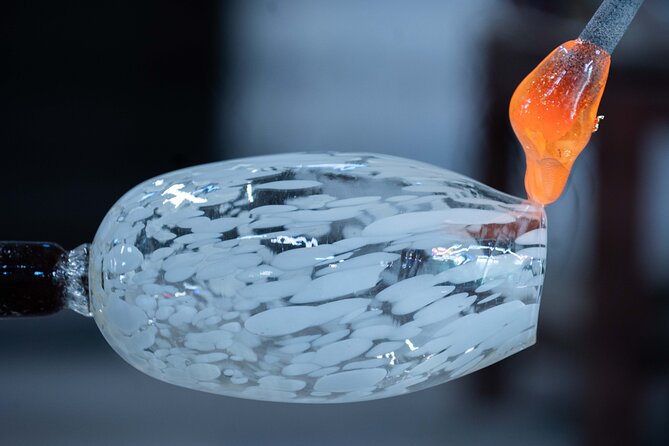
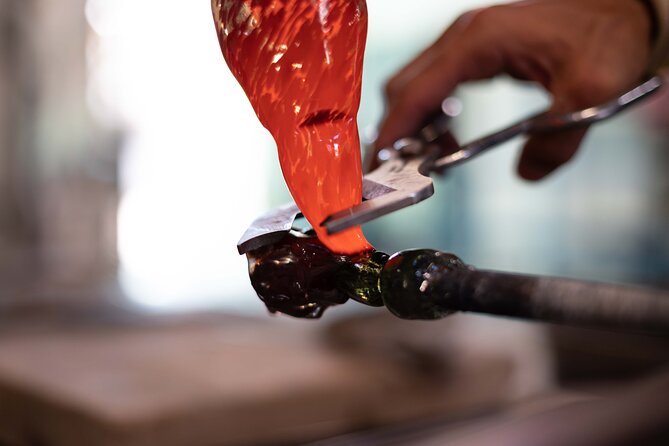
Expect the demo to be more like a performance than a casual chat. You’ll usually see a vessel or decorative form being created in front of you, guided step-by-step by the craftsman. The best moments aren’t just the final object; it’s the control—how the glass is shaped, how heat and timing work together, and how the master corrects and refines as the piece takes form.
This is also where the small group size pays off. With a cap of 15 travelers, you get a better chance to ask questions and keep your attention on the work, not on your place in a line.
One practical consideration: the demonstration itself can be short compared with how “workshop” sounds in English. Many tours like this focus most of the time on watching and then quickly pivot into making a smaller take-home item.
The hands-on workshop: mosaic or Murano jewelry with beads
After the demo, you choose a workshop option. The tour offers mosaic or jewelry with beads. This is hands-on time, and it’s where you’ll make your own souvenir.
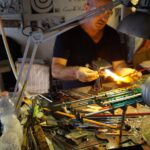
Here’s the key reality check: you’re not typically set up for a full glassblowing session where you’re operating the torch and forming hot glass yourself. The master does the glassblowing part. Your workshop work is a more manageable craft activity using Murano glass components.
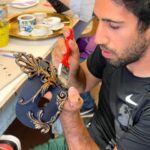
That said, the experience can still feel satisfying. You’re picking items and building a piece that’s personal—colors you like, a design choice, and an end result you can carry home. It’s also family-friendly in a way that a hot-glass setup usually isn’t, especially because the activity is structured and time-boxed.
What to watch for: some made items are designed more as keepsakes than long-term jewelry. If you’re expecting heirloom durability, set your expectations for a “made by you” souvenir rather than a piece built for rough daily wear.
The factory tour and showroom time: where the experience can feel split
Most of this day includes a tour of the factory space and then time in the gallery and shop area. The tour also includes a 20% discount on purchases in the glass factory shop, which tells you what you can do with that final section.
This is where experiences can go either way.
If you like glass as art and you enjoy browsing high-quality work, the showroom time can be a win. You get to see the scale of styles and finishes. It’s also the moment when you realize why Murano pieces range so widely in price and complexity—because the shop shows the finished end of the craft.
If you hate shopping pressure, you’ll want to protect your mood. The schedule often gives enough time to walk through retail areas, and some visitors feel that a big part of the excursion becomes sales-focused.
My practical advice: decide before you arrive what you’re willing to buy. If you want a souvenir under a certain budget, pick it out fast after the demo or rely on the discount. If you don’t want to buy at all, treat the showroom as a viewing gallery, not a decision test. You’ll enjoy it more if you’re clear with yourself.

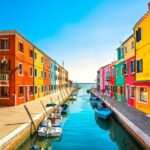
How long the day really feels (and why timing matters)
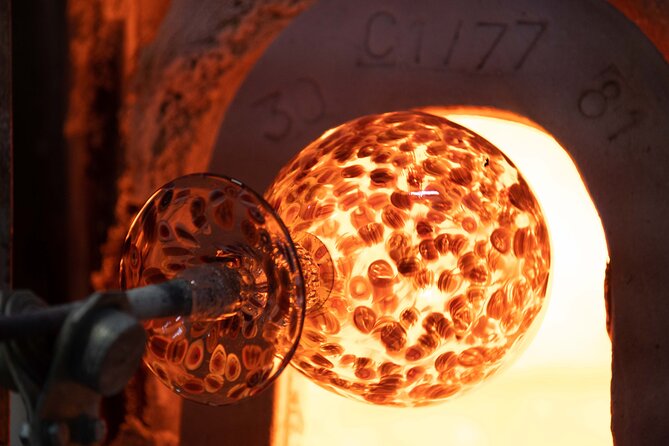
The tour runs about 2 hours 30 minutes. That’s a good length for a Venice afternoon, but it also means every segment is relatively compressed.
A common pattern is:
- master demo (short but vivid),
- workshop (hands-on making),
- factory/galleries (time to look and buy).
Because it’s compact, punctuality matters. Even small delays can steal from the part you care about most. If glassblowing is your main goal, arrive early and keep buffer time on your side.
Also, Murano exploration time can be limited depending on the flow of the day. Some people love having a little window to wander Murano streets, while others find the time doesn’t stretch far enough for long wandering. If you want cafés or extra sights on Murano, you might need a separate plan that doesn’t rely on this tour’s free time.
What you can take home, and how to value it
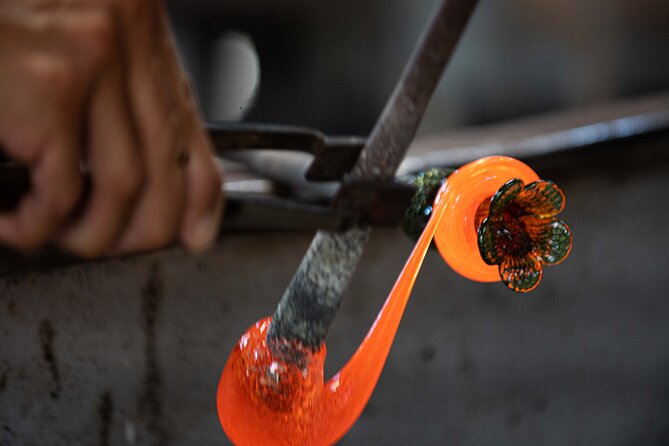
Your included workshop results in a take-home item: a mosaic or a jewelry piece with beads made with Murano glass. That’s a real value point because it turns your ticket into an object you own, not just a memory.
The shop discount matters too, but only if you actually want to buy. If you end up falling in love with higher-end pieces, the 20% off can soften the sting. Still, don’t assume the shop prices match “starter souvenir” budgets. Murano is where the craft is expensive because the labor and artistry are expensive.
If you’re buying gifts, consider the practical side:
- Transport the item carefully (you’re on boats and walking in Venice).
- If you’re planning to wear it, think about how it’s made and how delicate the components might be.
- If durability matters most, mosaics or beaded pieces can be more manageable than thin “wear-anywhere” jewelry.
Small group size: when it helps and when it doesn’t
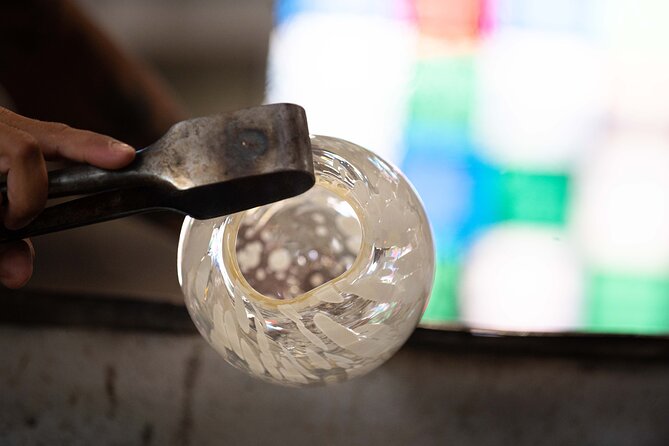
With a maximum of 15 travelers, you should expect a calmer feel than the big coach tours. You’re more likely to hear what’s being said and see what’s being done.
That said, small group size doesn’t automatically guarantee a craft-only day. This experience is still a factory outing with a gallery and shop component. So the group size improves the viewing and workshop atmosphere, but it doesn’t change the basic structure of demo + making + retail space.
If you want a “hands-on glass artist” day where you actively do the hot work, you’ll want to read the wording carefully and set expectations. This one is best for people who value seeing the master process and making a smaller, guided piece afterward.
Language and comfort: English support and realistic expectations
The tour is offered in English, and it uses a mobile ticket. That’s helpful in Venice because you won’t be hunting for paper tickets while you’re crossing foot bridges and waiting for water taxis.
Children must be accompanied by an adult, which makes sense for a craft and factory environment. The pace is friendly enough for a family day, especially since the workshop is structured and not a complex technical glass course.
One more detail that matters in a Venice plan: this experience requires good weather. If rain or strong conditions hit, you’ll need to be flexible with your schedule.
Can you extend to Burano and Torcello?
The day ends at the Vetreria Artistica Colleoni – Murano Glass Factory, Fondamenta S. Giovanni dei Battuti, 12, 30141 Venezia VE. The information also notes that at the end, participants decide individually to return to Venice or extend to Burano and Torcello on their own.
That’s actually a nice advantage. You can treat this as your Murano anchor, then build a bigger lagoon day if you have the energy. If you prefer to keep it simple, you can just head back to Venice afterward.
Price and value: is $84.33 a fair deal?
At about $84.33 per person for roughly 2.5 hours, you’re paying for several bundled pieces:
- the master demo,
- the factory visit,
- an included workshop where you make either a mosaic or jewelry with beads,
- and round-trip private water taxi.
That last item alone is a big part of the value story in Venice. If you had to pay for transportation separately, the math changes quickly. Then there’s the 20% shop discount if you choose to purchase.
So is it worth it? It tends to be a good buy if you want:
- a guided “get it all in one go” Murano stop,
- a master demonstration you can focus on,
- and a take-home craft item.
It’s less compelling if your dream day is hours of glassblowing hands-on work and very little retail time. In that case, you may feel frustrated when the workshop is shorter and more like a bead/mosaic craft activity than hot-glass creation.
Who should book this, and who should skip it
This tour is a solid fit if you:
- love crafts and want to see expert technique in action,
- enjoy small-group guiding and clear structure,
- want a take-home souvenir that’s personal,
- are okay with browsing high-end glass in a gallery shop setting.
You might skip or choose a different option if you:
- want to actively blow glass yourself for the bulk of the time,
- dislike any sales atmosphere and need a purely educational schedule,
- are very sensitive to time pressure, especially if you’re late.
Should you book the Murano Glass Factory workshop?
I’d book this when your goal is Murano glass craft with a guided, memorable demo plus a clear take-home item. The price is easier to justify because the day includes private water-taxi transport and a guided workshop, not just a storefront visit.
If you’re booking for the hands-on hot-glass part, double-check expectations. From what the experience is structured to deliver, the master does the glassblowing and you do a craft workshop afterward.
If you’re flexible, go early in your Venice plans, keep your budget mindset steady for the showroom, and you’ll likely come away with the best kind of souvenir: one that represents the process, not just the product.
FAQ
How long is the Murano glass factory workshop experience?
It runs for about 2 hours 30 minutes (approx.).
How much does it cost?
The price is listed at $84.33 per person.
Is this tour offered in English?
Yes, it’s offered in English.
What’s included in the tour price?
You get a tour assistant, a private workshop option (mosaic or jewelry with beads), a glassblowing demonstration, a factory tour, a 20% discount in the glass factory shop, and private round-trip water taxi transportation.
Do I make my own Murano glass item?
Yes. After the demonstration, you choose a workshop and create either a mosaic or a piece of jewelry with beads that you take home.
Is the group small?
Yes. The tour lists a maximum of 15 travelers.
Where do I meet for the tour?
The meeting point is in Sestiere di S. Marco, 5310, 30124 Venezia VE, Italy.
What’s the best way to get to Murano from Venice?
The experience includes a private water taxi roundtrip between Venice and Murano.
Does the tour run in any weather?
It requires good weather. If it’s canceled due to poor weather, you’ll be offered another date or a full refund.
Are there any access fees for certain days?
On certain dates, some people visiting from outside Venice for the day may need to pay a €5 access fee. You should check the linked information for which days apply and whether you qualify for exemptions.