REVIEW · VENICE
Interpreti Veneziani Ensemble Baroque Concert in Venice Ticket
Book on Viator →Operated by Interpreti Veneziani · Bookable on Viator
Baroque music in a 17th-century church.
This Interpreti Veneziani concert puts you in the Chiesa di San Vidal for a close-up, 1 hour 30 minutes performance where the music fills the space like it was built for it. I like how the program brings classic composers together, and I like that it’s staged in a venue that feels both historic and purpose-made for concerts.
Two things I especially like: the sound. San Vidal’s lofty ceilings and intimate setup make strings and harpsichord details easy to follow, even without fancy audio gear. And the musicians bring real energy; Giovanni Agazzi gets singled out often, and the overall performance style makes it feel alive rather than museum-quiet.
The main thing to plan around is seating. It’s open seating, so if you want to sit nearer the musicians, you’ll need to arrive early, and on busy nights a line can form outside.
In This Review
- What makes Interpreti Veneziani at San Vidal special
- San Vidal Church: where the acoustics do the heavy lifting
- Interpreti Veneziani: skilled players with momentum
- Stop 1: the concert at the former altar
- Stop 2: what you can notice inside Chiesa di San Vidal
- Price and value: what you’re paying for
- Timing and how to avoid the seating scramble
- Group size: why max 15 matters here
- English during the concert: what it means for you
- Who should book this?
- Quick things to know before you go
- Should you book Interpreti Veneziani in San Vidal?
What makes Interpreti Veneziani at San Vidal special
- A historic concert-only setting in the Chiesa di San Vidal, used as an intimate venue
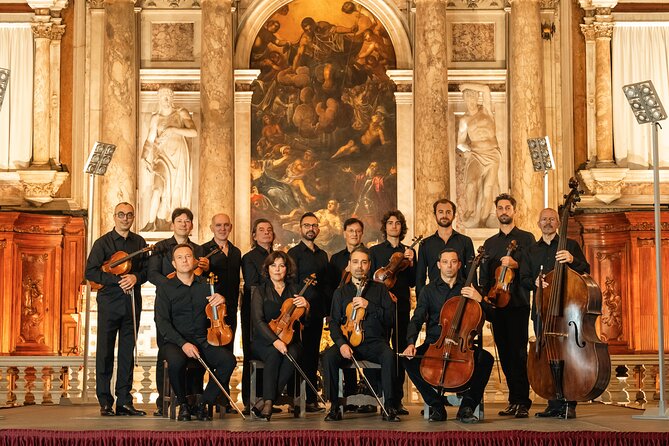
- Period-instrument approach with the kind of sound you can really hear in the violin, harpsichord, and cello
- Carpaccio artwork as your backdrop, with the former altar placed beneath the painting San Vidal on Horseback
- Pitch-perfect acoustics that make Baroque textures come through cleanly
- Small-group feel with a max size of 15 people
- Easy language support since the experience is offered in English
San Vidal Church: where the acoustics do the heavy lifting
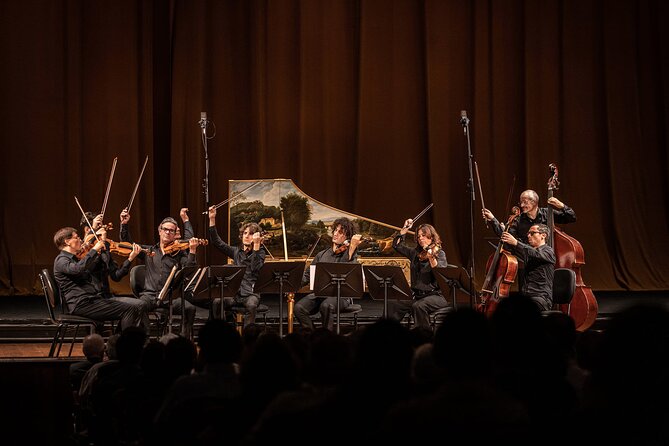
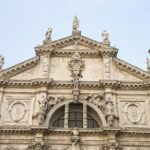
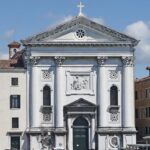
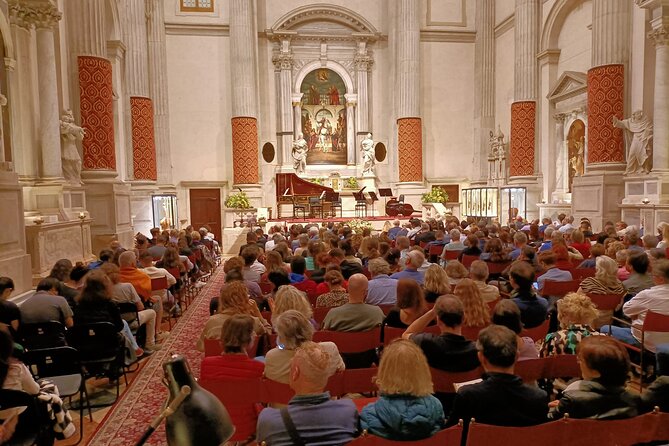
San Vidal is one of those Venice buildings you can’t help noticing once you’re inside. It’s not a big, echo-prone hall that swallows details. Instead, it’s tall and airy, with an intimate concert layout that helps music sound focused.
That matters with Baroque music. When harpsichord and strings trade quick phrases, you want clarity, not a blurry sound cloud. In San Vidal, the church space seems tuned for exactly that kind of musical conversation.
Then there’s the visual side. You’re in a place with real art and real instruments around you, not just rows of seats. The church’s principal altar piece is by Vittore Carpaccio, and it sets a dramatic frame for the performance area.
You can also read our reviews of more tours and experiences in Venice
Interpreti Veneziani: skilled players with momentum
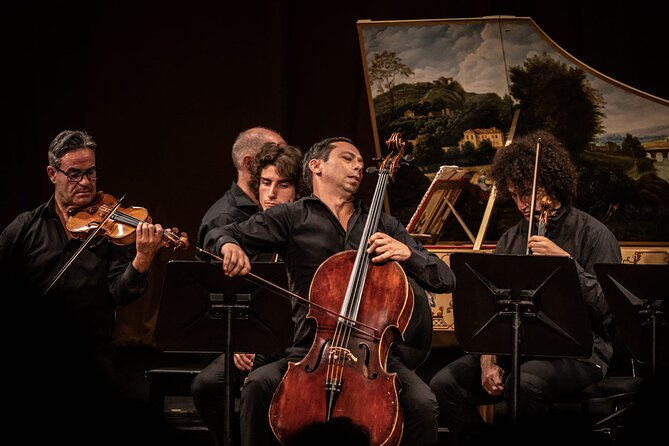
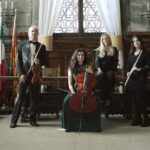
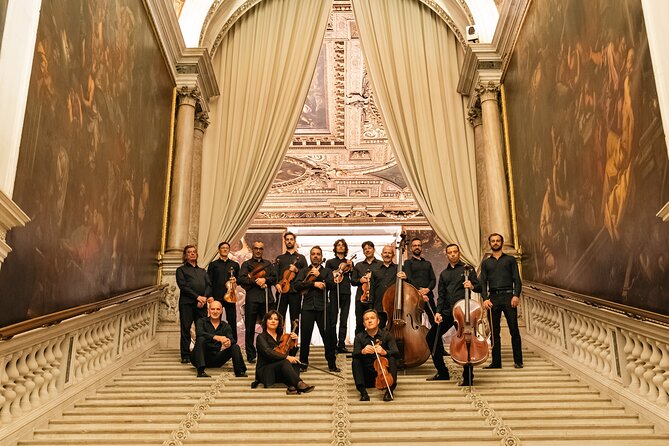
Interpreti Veneziani is known for passion and technique, and the style is more than just correct notes. Their focus is on reviving the sound of instruments from the period, which changes how the music feels in your ears.
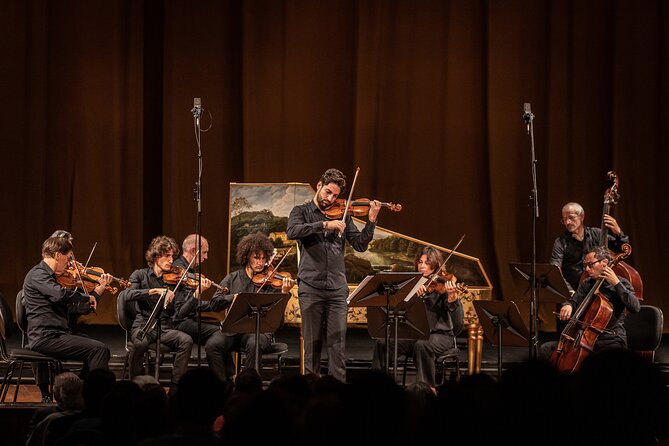
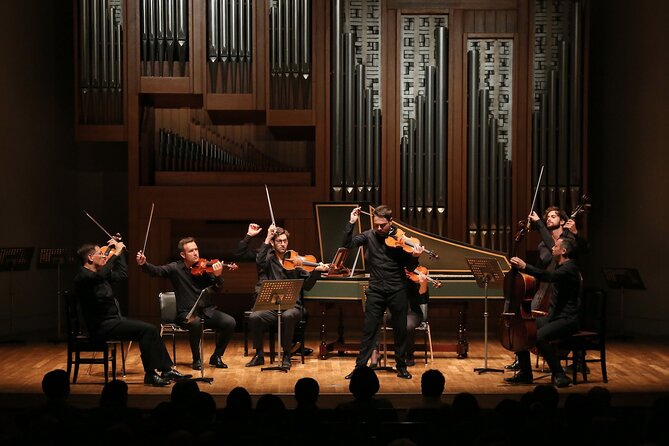
You’ll typically hear a chamber-style lineup with strings plus keyboard (harpsichord) and cello. When those parts balance well, the music stops sounding like separate instruments and starts sounding like one flowing story.
The performance approach also tends to be animated. In particular, the cellist’s visible energy is something people like to point out, because it adds rhythm you can almost feel in your body. Even if you’re not a lifelong classical fan, it’s the kind of show that makes you pay attention.
Stop 1: the concert at the former altar
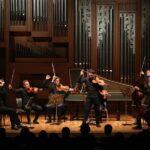
The heart of the experience is the music. The ensemble performs from the area associated with the former altar, beneath the painting San Vidal on Horseback by Renaissance master Vittore Carpaccio. That staging is a big part of why the whole evening feels special. You’re not watching from a distance. You’re hearing and seeing the performance from inside the church’s own historic “stage.”
Expect a 1 hour 30 minutes concert format. The timing is long enough to feel like you got a real arc, but short enough that you won’t feel trapped at the end. The program varies by date, but you can generally count on beloved Baroque favorites.
Composers you may hear include Mozart, Bach, Handel, and Vivaldi. Vivaldi is a common highlight, and The Four Seasons often appears in the repertoire. Mozart’s works can also show up in the mix, including A Little Night Music, which gives the evening a slightly different brightness compared with heavier Baroque textures.
A practical tip: if you care about the exact pieces for the specific date you’re booking, look up the Interpreti Veneziani program for that night. Their set lists rotate, so the “what will I hear” question is worth checking before you decide.
Stop 2: what you can notice inside Chiesa di San Vidal
Before and after the performance (or in the time window around it), take in the church itself. One of the first things you’ll notice is the principal altar painting by Vittore Carpaccio. The subject is Saint Vitale on horse and four Saints Adoring Virgin Mary and Child (1514). It’s not small-detail decorative art either. It lands visually, and it helps the church feel like a real spiritual space rather than a generic concert room.
You’ll also find other paintings in the church, including works associated with the 1700s and painters connected to areas around the lagoon such as Piazzetta, Pellegrini, and Giulia Lama. If you enjoy hunting for names and styles in a single place, this stop gives you something to do besides just wait for the music to start.
Pay attention to the organ too. Opposite the façade is Bazzini’s organ, built in 1833. Even if you don’t hear it up close during your concert, it adds to the sense that musicians are working within a living-instrument environment, not a purely decorative one.
Price and value: what you’re paying for
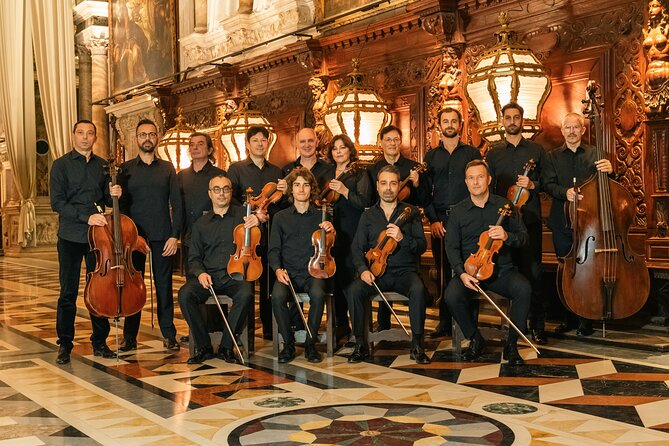
At about $45.97 per person, you’re paying for three things: a high-quality ensemble performance, a venue that’s hard to recreate anywhere else, and convenience. The ticket includes the concert program, and you get a mobile ticket, so there’s less fuss when you arrive in Venice.
For Venice, that price can feel reasonable or a bit steep depending on what you’re used to. What helps the value is the “all-in-one” nature of it. You’re not paying extra for a guided walk, transport, or a separate museum add-on. This is simply the show plus the setting that makes the show matter.
Also, the show has a strong performance reputation, with a 4.7 rating from 403 ratings and a recommendation rate of 95%. That kind of consistency is exactly what you want when you’re spending an evening in Venice and only have so many nights to choose from.
You can also read our reviews of more tours and experiences in Venice
Timing and how to avoid the seating scramble
This is one of those concerts where timing affects your experience. Since seating is open, arriving earlier usually helps you get closer. People often recommend getting there early, and that makes sense: once the line fills and the room is full, your “closer” options shrink fast.
Expect a line to form outside before doors open. If the weather is unsettled, plan for it. Venice evenings can change quickly, and you don’t want to be doing the whole show with a runny nose and a regretful expression.
Once you’re inside, focus on your viewing and listening priorities. If you want to feel the energy most strongly, sit nearer the ensemble. If you care more about hearing balance across the whole group, any decent central spot can still work well because the room acoustics do a lot of the heavy lifting.
Group size: why max 15 matters here
A max group size of 15 keeps the mood calmer. It’s not crowded like the larger venue concerts that require you to constantly negotiate for sightlines and elbow space.
That matters because you’ll likely be attending the show during a busy Venice window. A smaller group helps you get settled faster, and it makes the church feel like a shared listening room instead of a pass-through crowd.
In a space this intimate, small differences in seating placement also matter. The closer you are, the more you’ll catch the details—bowing energy in the strings and the crisp character of the harpsichord line.
English during the concert: what it means for you
The experience is offered in English. That’s useful because Baroque music can come with program notes and short explanations, and language access keeps the evening from feeling like you’re only catching the melodies.
Even without deep music theory, English support helps you follow the flow of what’s happening and why the pieces connect to each other. You’ll get more out of the performance instead of just admiring it from a distance.
Who should book this?
This concert is a great fit if you want a Venice evening that’s not just sightseeing. You’ll get live music, an impressive performance setting, and a sense that you’re experiencing something made for the venue, not shoved into it.
It also works if you normally avoid classical music. The combination of energetic playing and clear acoustics makes it easy to stay engaged. If you like strings, or if Vivaldi is your thing, this is especially tempting.
If you’re extremely sensitive to standing outside in a line for a short period, you might feel less thrilled. But with an early arrival and basic weather patience, it’s manageable.
Quick things to know before you go
- The concert lasts about 1 hour 30 minutes.
- It’s in central Venice, near public transportation.
- Kids must be accompanied by an adult.
- Some day-trippers staying outside Venice may need a €5 access fee on certain dates. Check the official Venice access information at https://cda.ve.it so you’re not surprised.
- Hotel pickup and drop-off aren’t included, so plan to get yourself to the church.
Should you book Interpreti Veneziani in San Vidal?
I’d book it if you want a genuinely enjoyable Venice night that mixes world-class Baroque with a venue that makes the music sound right. The pairing of period-instrument performance style and San Vidal’s acoustics is exactly the kind of “this place matters” experience you don’t get from generic concerts.
Do book with one practical mindset: arrive early for the best seats. If you show up at the last minute, you can still have a good time, but you’ll lose the chance to sit nearer where the performance energy really lands.
If you’re deciding between concerts on different nights, check the date’s program. The pieces rotate, so a quick check for that specific evening can help you align your expectations with what you’ll actually hear.
Bottom line: if you want Baroque done well in the right room, this is a strong choice.