REVIEW · VENICE
Glass Lampwork Workshop and Walking in Murano
Book on Viator →Operated by deTourist Venice Valerio Coppo · Bookable on Viator
Murano can feel like a day trip. This one actually has craft, churches, and a hands-on finish. You get a guided look beyond the main tourist lanes, with Murano glass heritage paired with a real-world creative stop where you can make a takeaway bead.
Two things I really like: the mix of stops, from the glass world to Murano’s churches, and the small-group pace (max 15 people) run by local guide Valerio Coppo. You’ll also visit the showroom of the oldest active glass factory in the world, active since 1295, and then see the living technique of lampwork through a local artisan.
One consideration: the main tour includes a glass artisan visit and showroom time, but the hands-on lampwork workshop is optional and costs €30 on site. If you’re a day visitor coming from outside Venice, you may also run into a €5 access fee on certain dates, depending on local rules.
In This Review
- Key points before you go
- A Small-Group Murano Tour That Feels Like a Walk With a Local
- Start at Faro di Murano, Then Get Your Bearings Fast
- Palazzo Barovier&Toso: Where Murano’s Craft Meets Big Names
- The Glass Artisan Stop: How You’ll Understand Lampwork Before You Try It
- Church Walk on Murano: San Pietro Martire, the Duomo, and Santa Maria degli Angeli
- Palazzo da Mula: Street-Level Views of Murano’s Shape
- Lampwork With Monica: Your Venetian Bead, Made by Hand
- Price and Value: What You’re Paying For (and What Can Cost Extra)
- Best for Families, Curious Craft Fans, and Church-Walk Lovers
- Who Should Skip It
- Should You Book This Murano Glass Workshop and Walk?
- FAQ
- How long is the Glass Lampwork Workshop and Walking in Murano tour?
- What is included, and is the hands-on workshop free?
- Is the tour offered in English?
- How many people are in the group?
- Do I need to pay an extra access fee for Murano?
- Can I cancel and get a full refund?
Key points before you go
- Oldest factory showroom (since 1295) gives you context before you start making anything
- Local guide Valerio Coppo helps you understand why Murano glass matters, not just what it looks like
- Lampwork practice with Monica is the memorable takeaway moment
- A church walk that includes San Pietro Martire, the Duomo, and Santa Maria degli Angeli
- Small group size keeps things moving without feeling rushed
- Optional €30 for hands-on bead-making means you can choose your level of participation
A Small-Group Murano Tour That Feels Like a Walk With a Local
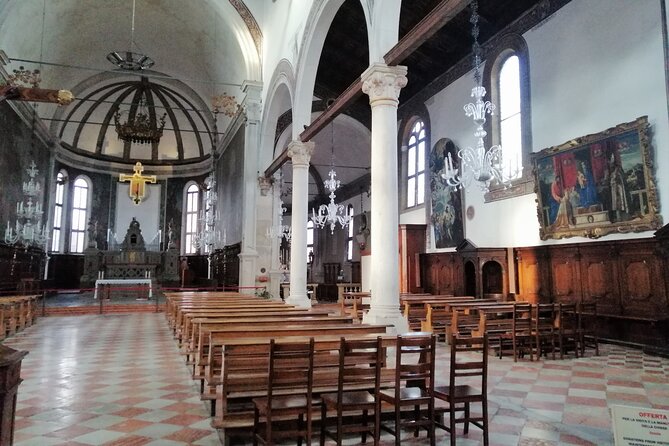
This is the kind of Murano outing that works because it stays human-sized. You’re in a group capped at 15, and that matters: you can ask questions about glass and about what you’re seeing in the streets, instead of watching from the back of the pack.
Valerio Coppo leads the experience with a local lens. He’s not just reciting dates and labels. You’ll get practical context for how glassmaking evolved on the island, and why certain buildings and workshops are still tied to the craft today. Several people also mention that the pace feels relaxed, not like a production line, which is a big deal on an island that’s easy to over-pack.
The whole experience lasts about 2 hours. That’s long enough to get real details, but short enough that you’re not stuck when the lagoon weather changes its mind.
You can also read our reviews of more walking tours in Venice


Start at Faro di Murano, Then Get Your Bearings Fast
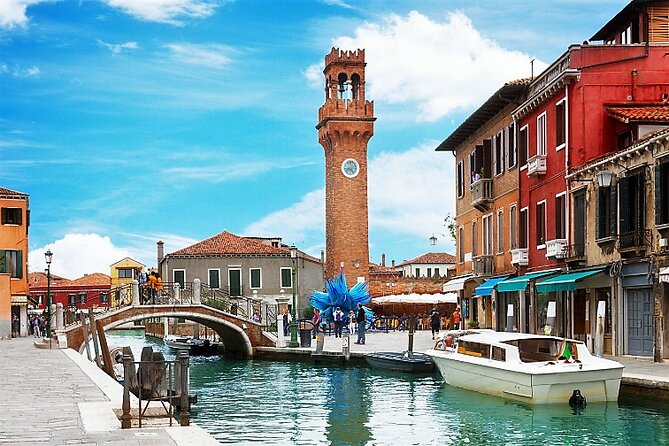
The meeting point is at Faro di Murano, Fondamenta Piave F. M., 30141 Venezia VE. You’ll return back to the same meeting point at the end, which keeps the logistics easy when your Venice day is already full.
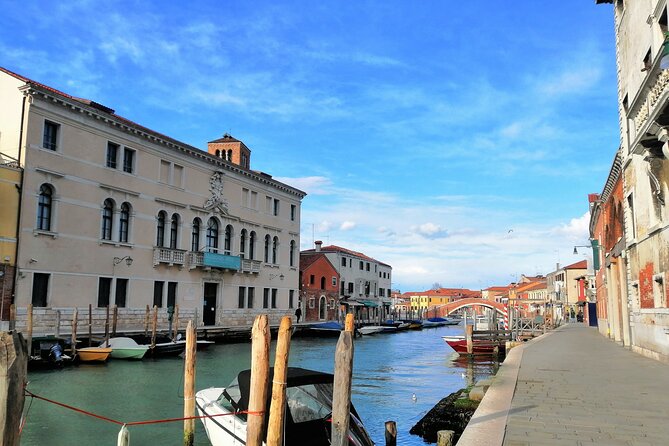
From there, the flow is a mix of guided viewing and walking. You’ll move through areas connected to glassmaking and through parts of Murano where you can feel the island’s rhythm. The tour is designed to take you away from only the most obvious photo stops, so you spend time where you can actually understand the island’s craft identity.
If you’ve done other Venice lagoon tours, you’ll recognize the pattern: big groups, quick factory stops, and a lot of waiting. This one feels tighter. It’s also listed in English, so you’re not forced to rely on translations from your phone while you’re trying to watch glasswork up close.
Palazzo Barovier&Toso: Where Murano’s Craft Meets Big Names
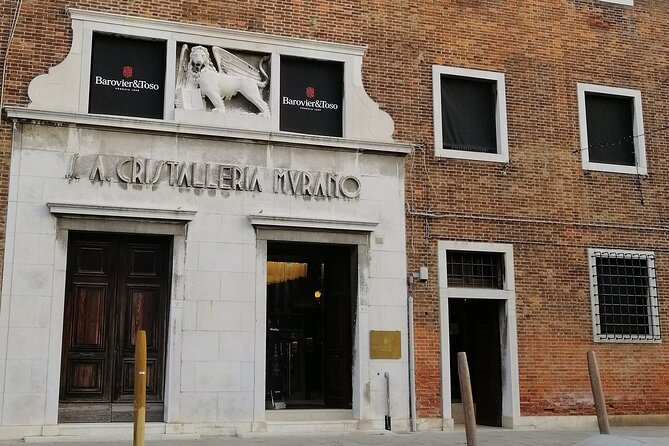
Your first stop is Palazzo Barovier & Toso. Even if you’re not a glass collector, this stop helps you see how Murano craft became a brand and a legacy. You’re not only looking at finished objects. You’re getting positioned in the story of the island’s reputation for serious glassmaking.
This is also where the tour’s showroom component comes into play. You’ll see the showroom of the oldest glass factory in the world, active since 1295. That “active since 1295” detail isn’t trivia. It explains why Murano glass isn’t just art for the weekend market. It’s a working tradition that survived wars, economic swings, and changing tastes.
One practical tip: in a showroom, lighting matters. Keep your eyes open for how the glass looks under different angles, not just straight-on. The guide’s explanations help you understand why certain shapes and colors repeat, even when modern designers try to innovate.
The Glass Artisan Stop: How You’ll Understand Lampwork Before You Try It
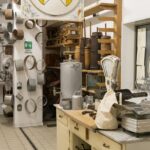
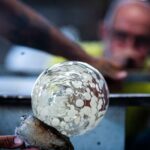
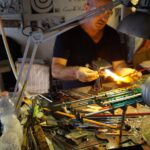
You’ll visit a glass artisan as part of the program, with glass lampwork or glass blowing mentioned as the included artisan experience. The key here is learning the craft as a process, not only as a product.
You’re aiming to understand what makes lampwork different from the bigger “glass furnace” stories. Lampwork is about fine control: you shape glass on a torch with careful timing and movement. It’s the kind of technique that looks simple until you realize how much precision is required.
The guide’s job is to connect the dots: why Murano became known for glassmaking, why lampworking techniques kept evolving, and how modern output still uses older hands-on methods. This context makes the hands-on moment later much more satisfying, because you know what you’re watching instead of guessing.
Church Walk on Murano: San Pietro Martire, the Duomo, and Santa Maria degli Angeli
After the glass stops, you shift gears with a walking segment that focuses on Murano’s churches. This is where the tour becomes more than a “factory hop.”
You’ll visit:
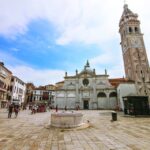
- Chiesa di San Pietro Martire
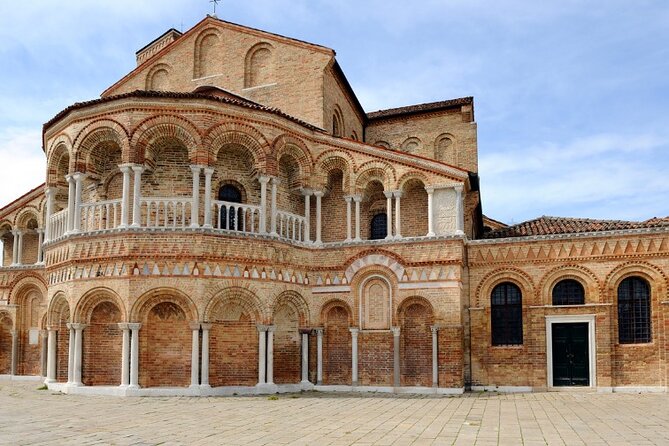
- Duomo di Murano Santi Maria e Donato
- Chiesa di Santa Maria degli Angeli
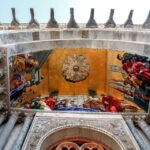
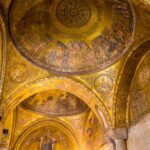
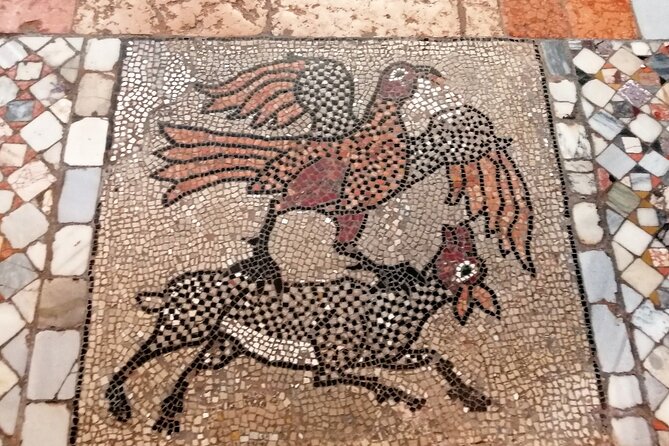
The tour description also points out Byzantine-style 12th-century mosaics connected to Murano’s church art. That’s a big deal because it shows how Murano didn’t develop in isolation. The island’s artistic world connects to wider Venetian and Mediterranean influences.
In practical terms, this church walk gives you a break from the heat and crowds that often follow the glass shops. You also get a different kind of beauty: mosaics, stonework, and the quiet of interiors compared to the bright glare you get in showrooms.
And since you’re walking with a guide, you’re not left wondering what you’re looking at. The “why” is the difference between a quick photo and a real understanding of the island.
You can also read our reviews of more tours and experiences in Venice
Palazzo da Mula: Street-Level Views of Murano’s Shape
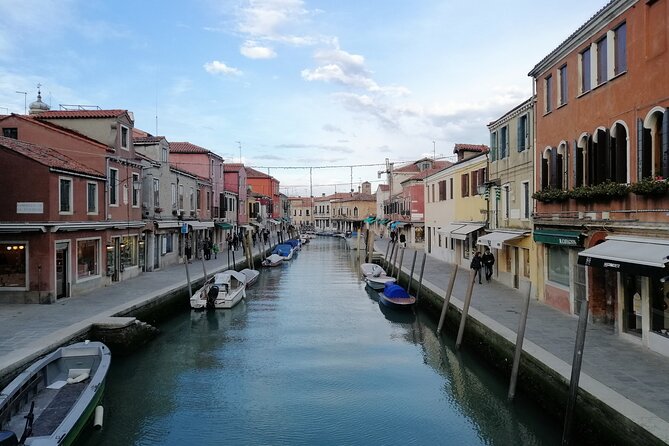
Your itinerary also includes Palazzo da Mula. Palazzos on Murano aren’t just pretty facades. They hint at the social side of glassmaking: wealth, family connections, and the way the craft supported island life.
This stop works best if you treat it like a clue. Look at how the building sits in the neighborhood. Notice how the street feel changes as you move from glass-oriented areas to residential and religious zones. Murano isn’t one big museum; it’s a living island, and palazzi help you sense the island’s internal geography.
If you’re the type of traveler who likes architecture as a story tool, this part adds texture without slowing the tour down too much. It’s short, but it gives you a different lens than workshops and showrooms alone.
Lampwork With Monica: Your Venetian Bead, Made by Hand
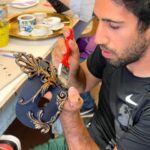
Here’s the moment most people remember: the lampwork tradition workshop run by a local artisan, with Monica specifically mentioned by name in multiple enthusiastic accounts. If you choose the optional hands-on part, you’ll create your own Venetian bead.
Important detail: the hands-on lampwork workshop is optional and costs €30 paid on site. The tour itself includes the artisan visit and the related glass viewing components, but you control whether you want to do the making.
What you can expect from the hands-on part is a practical lesson in precision. Lampworking is delicate work, and that’s why a teacher matters. In the accounts I’m drawing from, Monica is described as a great host and instructor, especially for families, and that matches how lampwork should be taught: calm guidance, clear steps, and a focus on results you can take home.
Also plan for timing. One useful tip from experiences shared is to give your bead time to cool after making it. If you’re hoping for lunch afterward, it helps to schedule it close by so you’re not rushing back while your souvenir is still finishing off its cooling stage.
Price and Value: What You’re Paying For (and What Can Cost Extra)
At $92.92 per person for about 2 hours, you’re not paying for a long bus ride and a stack of generic stops. You’re paying for something more specific: a small-group guided day on Murano with glass interpretation, a showroom visit tied to a factory active since 1295, and a glass artisan component.
Then you have two “watch this” costs:
- €30 on site if you want to do the hands-on lampwork bead-making
- A possible €5 access fee on certain days if you’re a day visitor staying outside Venice, based on local rules
So is it worth it? For many people, it is, because the value isn’t only the bead. It’s the pairing: you see Murano glass at a historical level, then you translate that into your own small piece of glass craft. If you’re someone who likes understanding before buying, this tour structure fits well.
If you’re only interested in a quick photo and a store browse, you might feel the price more sharply. But if you want the “process” angle—glass as labor and skill—this is one of the better ways to spend a couple hours on the island.
Best for Families, Curious Craft Fans, and Church-Walk Lovers
This is a strong fit if you’re traveling with kids or if you want a family-friendly activity with a real craft result. The hands-on bead option tends to work well for younger travelers because the goal is visual and tangible: you make something you can hold and keep.
It also fits you if you like authentic guidance. A local perspective makes Murano feel less like a theme park. Valerio’s role matters here: he shares context around glassmaking and also helps you move through the island with confidence.
One more good match: you like pairing craft with culture. The churches aren’t decorative add-ons. They’re part of understanding Murano as an island with a creative and artistic identity beyond glass.
Who Should Skip It
Skip it if you strongly prefer only glass blowing at the furnace level and want zero optional add-on costs. This tour includes a glass artisan visit and showroom viewing, but the specific hands-on bead-making step is optional at €30.
You might also skip it if you’re the kind of traveler who dislikes walking segments. The tour is short, but it is still a walk across Murano with multiple points of interest.
Should You Book This Murano Glass Workshop and Walk?
Yes, if you want a small-group Murano experience that blends glassmaking context with a meaningful walking route and a true take-home craft option. The combination of the oldest active factory showroom (since 1295), a church-focused stroll, and the chance to make a Venetian lampwork bead with Monica is a smart way to use a limited amount of time on the lagoon.
If you’re budget-sensitive, read the pricing carefully and decide up front whether you’ll do the optional €30 hands-on workshop. And if you’re visiting as a day traveler from outside Venice, check whether the local €5 access fee applies on your date.
If you want Murano to feel lived-in and craft-driven, this is a very solid choice.
FAQ
How long is the Glass Lampwork Workshop and Walking in Murano tour?
It runs for about 2 hours (approx.).
What is included, and is the hands-on workshop free?
The tour includes a visit to a glass artisan (glass lampwork or glass blowing) and a showroom visit of the oldest glass factory in the world. The hands-on lampwork workshop is optional and costs €30 on site.
Is the tour offered in English?
Yes, it’s offered in English.
How many people are in the group?
The tour has a maximum of 15 travelers.
Do I need to pay an extra access fee for Murano?
On certain dates, some day visitors staying outside Venice may need to pay a €5 access fee. Exemptions and exact dates are listed by the local authority at the provided link.
Can I cancel and get a full refund?
Yes. You can cancel up to 24 hours in advance for a full refund.