REVIEW · VENICE
Small Group Pasta and Tiramisu Class at Local’s Home in Venice
Book on Viator →Operated by Cesarine: Cooking Class · Bookable on Viator
Handmade pasta feels like time travel in Venice. In a local home, a Cesarina teaches you the steps behind the dough, the sauce, and the real tiramisù, then you sit down to eat what you made.
What I like most is the small-group feel, where you actually get attention while you work. I also love that the class blends skills with a proper meal, plus an Italian aperitivo to slow the whole evening down. One thing to consider: finding the exact apartment can be tricky in Venice, so you’ll want to treat the meeting instructions seriously.
In This Review
- Key things that make this class worth your afternoon
- Why cooking in a Venetian home beats another restaurant meal
- Where you meet: San Giacomo di Rialto and Venice’s “find the door” challenge
- Cesarina welcome, small-group size, and what it does for your cooking
- The pasta class in 3 hours: what you actually practice
- Tiramisu from scratch: the dessert lesson you’ll brag about
- Aperitivo and lunch: what’s included when you sit down
- Price and value: how $119.77 stacks up in Venice
- Potential gotchas: meeting point confusion and “what to expect” mindset
- Who should book this (and who might pass)
- Should you book this Venice pasta and tiramisu class?
- FAQ
- What is included in the 3-hour pasta and tiramisù class?
- Is this a private class or shared?
- What drinks and aperitivo are provided?
- Where does the class meet in Venice?
- Is the class offered in English?
- Do I need to pay a Venice access fee?
- Can I bring a service animal?
Key things that make this class worth your afternoon
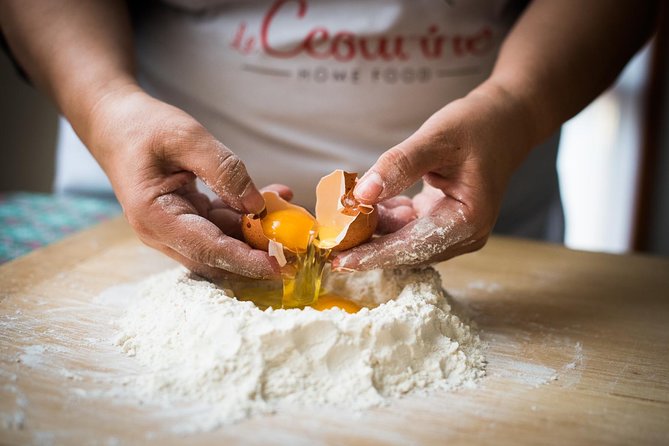
- Cesarina-led, in-home format: you’re cooking where locals actually live, not in a studio.
- Two fresh pasta recipes plus tiramisù (3-hour experience): real technique, not just tasting.
- Aperitivo included: prosecco and nibbles, plus water, local wine, and espresso.
- English instruction: good chance you’ll follow every step without guessing.
- Max group size of 16: small enough for questions, big enough for friendly conversation.
Why cooking in a Venetian home beats another restaurant meal
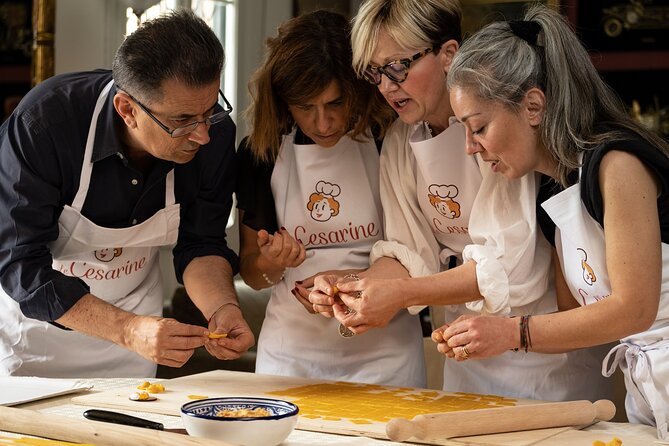
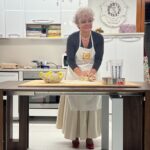
I get the appeal of eating your way through Venice. But a cooking class gives you something else: a method you can repeat. Here, you’re not watching from across a room—you’re making dough, shaping pasta, and building tiramisù from scratch in a real kitchen setting.
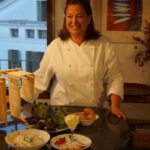
The best part is how quickly the day turns personal. In this setup, the Cesarina welcomes you like family and shares the little habits that make Italian home cooking taste right—timing, texture, and how to judge doneness without overthinking it. You’ll also get the kind of food stories that only show up when someone is explaining their own traditions.
There’s also a practical upside. Once you learn the core moves, you’re not just eating pasta anymore—you’re able to recreate the experience at home.
You can also read our reviews of more cooking classes in Venice
Where you meet: San Giacomo di Rialto and Venice’s “find the door” challenge
The meeting point is Chiesa di San Giacomo di Rialto, near Campo S. Giacomo di Rialto, 30125 Venezia VE. The class then ends back at the same meeting point. That round-trip matters in Venice because you don’t have to think about transfers after dinner.
Now, the honest consideration: Venice streets can be vague on maps, and building entrances can feel like a scavenger hunt. In the experiences people describe, the location is often easy once you have the correct address and a clear visual reference—but frustrating when rain hits or signage is limited.
My advice: plan to arrive a bit early, save the host contact details from your confirmation, and screenshot the final meeting directions. If you show up calm and ready to navigate, this part is usually painless.
Cesarina welcome, small-group size, and what it does for your cooking
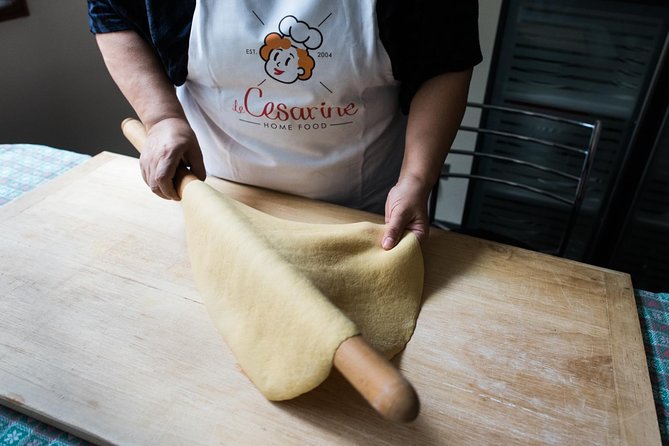
This is a shared cooking class held in a carefully selected local home, with a maximum of 16 people. That size is important. At this level, you’re more likely to get hands-on guidance instead of waiting your turn for a quick explanation.
You’ll also see how different Cesarine teaching styles can be. Names that come up in people’s stories include Giulia, Tessa, Nadine, Matilde, Rosa (and her daughter Angela), Patrizia, and Jenna. Across those accounts, the common thread is patience—especially when someone is new to pasta.
Another plus: in-home classes tend to be more relaxed than ticketed “activity rooms.” You’ll likely get conversation and small cooking lessons as you work. And if you’re traveling with family or a friend who’s nervous in the kitchen, the supportive vibe is often a big deal.
The pasta class in 3 hours: what you actually practice
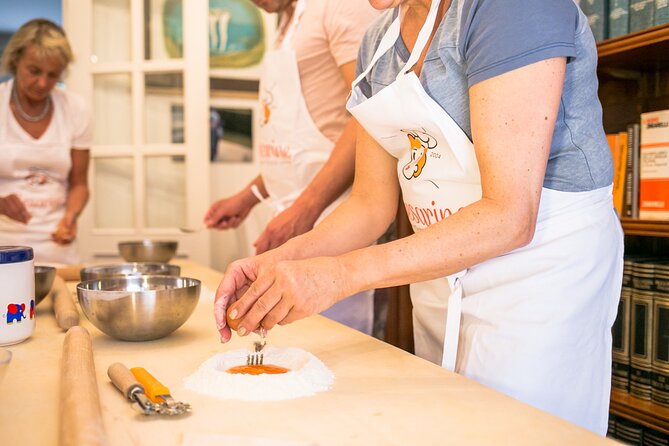
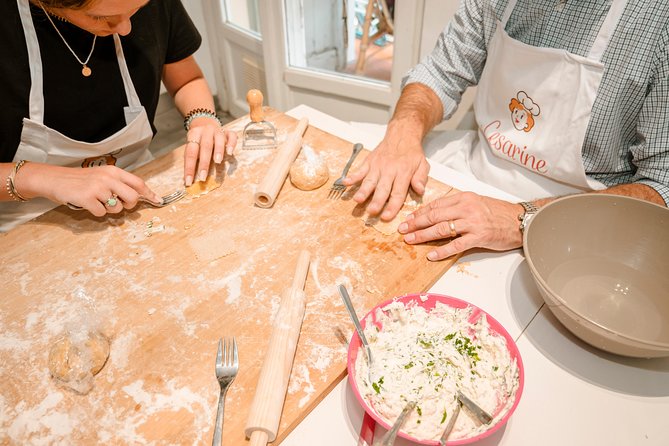
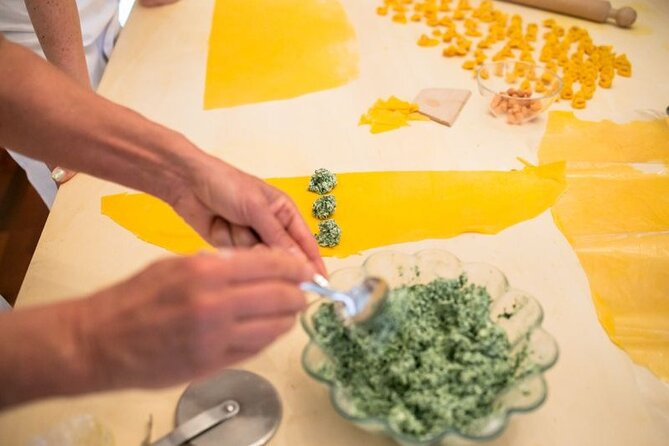
For the full 3-hour experience, the lesson is hands-on and focused. You’ll make two fresh pasta recipes from scratch and a classic tiramisù. The pace is designed so you do the work, not just assemble a plate at the end.
Here’s what that usually means in practice:
- You’ll start with dough basics—mixing and getting the texture right.
- You’ll shape pasta (the “why” behind each form matters for cooking and sauce pickup).
- You’ll learn how to time things so everything lands hot when it’s time to eat.
One thing I like about this format is that it works even if you’re not an experienced cook. The class is built to sharpen your skills at any level. Even if you’ve made pasta before, you’ll probably pick up improvements—how the dough should feel, what to watch for as it cooks, and how to keep your workflow moving while other dishes finish.
And since you’re learning two pasta types, you’re not stuck with one technique. That gives you more flexibility once you’re home.
Tiramisu from scratch: the dessert lesson you’ll brag about
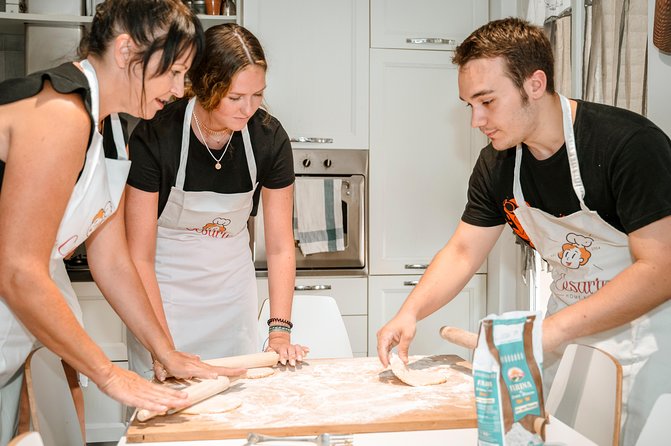
Most people think tiramisù is hard because it looks layered and fancy. In this class, you’ll learn it as a process, not a mystery.
You’re making the classic dessert as part of the experience, and then you eat it together. That “make it, then taste it” flow matters. It turns the dessert into something you can troubleshoot later—like adjusting texture, controlling cream consistency, and understanding how the components set.
The tiramisù portion is also where a good Cesarina can really shine. In the accounts tied to specific hosts—like Matilde and Nadine—people highlight how step-by-step tiramisù instruction translates into that smooth, delicately set cream texture that feels like an Italian restaurant finish.
My takeaway for you: treat the tiramisù steps like science-lite. Watch the texture as you mix. Don’t rush the assembly. And remember, tiramisù is forgiving in flavor—what you’re perfecting is balance and consistency.
You can also read our reviews of more tours and experiences in Venice




Aperitivo and lunch: what’s included when you sit down
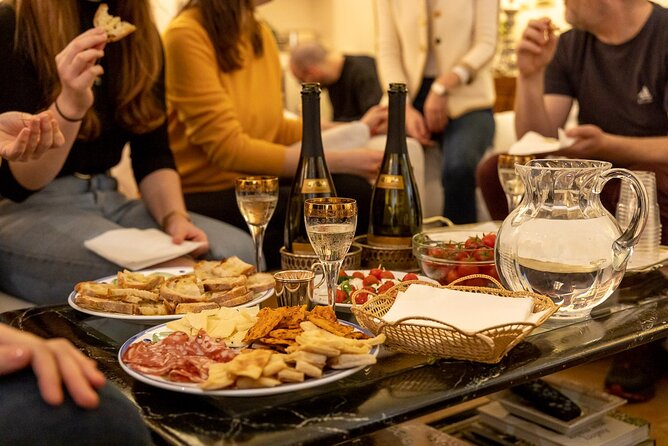
This isn’t only a cooking session. It’s built around enjoying your meal right after you make it.
Included:
- Italian aperitivo: prosecco and nibbles
- Alcoholic beverages: water, local wines, and espresso
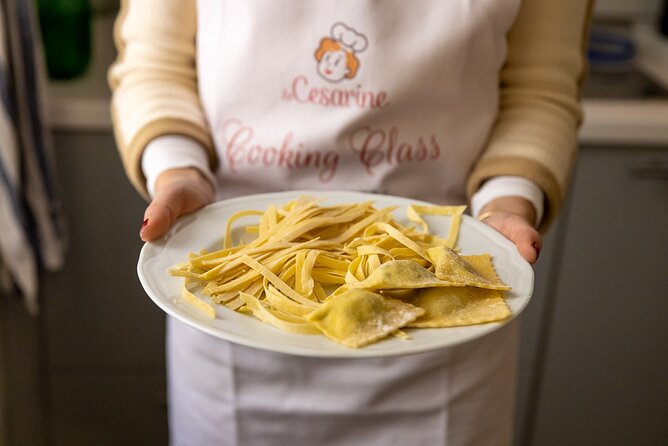
- A shared meal with what you cooked: two pasta recipes and tiramisù
In some people’s experiences, the aperitivo is simple—think small nibbles with prosecco. That doesn’t make it bad, but it does set expectations: you’re here for the cooking and meal, not for an all-out bar crawl.
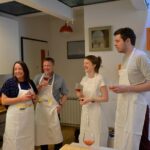
Still, it’s a genuinely nice rhythm in Venice. Cooking gets you out of “walking mode,” and sipping prosecco while chatting with your Cesarina (and the small group) makes the whole evening feel like a local dinner, not a rushed class.
Price and value: how $119.77 stacks up in Venice
At $119.77 per person, this is not a bargain. But it can be good value because you’re paying for four things you usually don’t get together:
- In-home instruction by a Cesarina
- Hands-on cooking of multiple items (two pasta recipes + tiramisù)
- A real sit-down meal with drinks
- A small-group setting that supports questions and learning
If you compare it to the cost of a normal dining night plus a food workshop experience, the mix here often makes sense. You’re essentially buying a guided food education and eating outcome in one.
That said, value depends on expectations. If you’re looking for a huge dining spread or a top-tier wine program, the experience may feel modest. On the other hand, if your goal is authentic technique and a memorable Venetian evening, the price can feel fair.
Potential gotchas: meeting point confusion and “what to expect” mindset
Venice is romantic, but it’s also practical—signage and addresses can be messy. A couple of the issues people describe are the same theme: they arrived with the wrong idea of where to meet, or the host contact details weren’t clear.
Here’s how you protect your evening:
- Use the confirmed meeting details you receive at booking time.
- Save the host contact info and keep your phone charged.
- If it’s raining (it happens), walk slower and budget a few minutes more.
Also, note that experiences can vary. The class format is consistent—fresh pasta and tiramisù—but small things like the size of the aperitivo nibbles or how smoothly everything runs can depend on the exact home and group day.
Your best strategy: go in expecting a home-cooking evening with real instruction, not a hotel-style production.
Who should book this (and who might pass)
I’d book this if you want one of these outcomes:
- You want to learn pasta and tiramisù, not just eat them.
- You like small groups and talking with your instructor.
- You’d rather spend a few hours making something than spending the same time in a line at a restaurant.
It’s also a solid pick for families and mixed skill levels, because the teaching style tends to be hands-on and supportive. Some hosts have even been described as accommodating specific needs (like celiac), but you should still ask early if you have dietary restrictions—don’t assume it will be handled.
You might consider passing if:
- You hate being in a home setting where you need to follow a schedule.
- You need a large, multi-course banquet feel more than a learning experience.
Should you book this Venice pasta and tiramisu class?
If you want an authentic Venetian memory you can bring home, I think this is a strong choice. The in-home Cesarina format, the chance to make two fresh pastas plus classic tiramisù, and the included aperitivo and drinks combine into a complete evening—hands-on, social, and delicious.
Just go in prepared for Venice logistics: arrive early, confirm the exact address, and keep your phone handy. Do that, and you’re likely to leave with both a full stomach and a new skill.
FAQ
What is included in the 3-hour pasta and tiramisù class?
You’ll do a shared, hands-on class where you make two fresh pasta recipes from scratch and a classic tiramisù, then you eat the meal together. Water, local wines, espresso, and prosecco with nibbles are also included.
Is this a private class or shared?
This experience is shared and hosted in a local home. The maximum group size is 16 people, and the class is designed for small-group interaction.
What drinks and aperitivo are provided?
You get prosecco and nibbles as an Italian aperitivo, plus water, local wines, and espresso with the class.
Where does the class meet in Venice?
The meeting point is Chiesa di San Giacomo di Rialto, Campo S. Giacomo di Rialto, 30125 Venezia VE, Italy, and the activity ends back at the meeting point.
Is the class offered in English?
Yes. The experience is offered in English.
Do I need to pay a Venice access fee?
If you’re staying outside Venice and visiting for the day, you may need to pay a €5 access fee on certain dates. You can check applicable days and exemptions at https://cda.ve.it.
Can I bring a service animal?
Yes. Service animals are allowed. The listing also notes the activity is near public transportation.