REVIEW · VENICE
Creative Venice: Artisan Excellence and Craftsmen Workshops
Book on Viator →Operated by deTourist Venice Valerio Coppo · Bookable on Viator
Venice has a craft heartbeat, not just canals. This is a 3-hour walk through artisan shops with Valerio Coppo as your guide, focused on how Venice still makes everyday objects with old-school skill. You’ll see work tied to textiles, glass, paper, and even recycled materials, plus you get the in-the-know context that most passersby miss.
Two things I like a lot: the behind-the-scenes access to small ateliers where makers actually work, and the fact that the pace feels unhurried. I also like that the tour doesn’t treat crafts like museum glass; it treats them like living skills, with stories you can use to spot quality when you’re shopping later.
One possible drawback: each stop is fairly short (about 15 minutes), so if you want long, uninterrupted demonstrations or deep shopping time at one single place, this may feel a bit fast. Also, you’ll be walking across central Venice, so comfortable shoes matter.
In This Review
- Key highlights you’ll feel in real time
- Venice craft isn’t souvenirs, it’s survival skills
- Starting in Campo San Giacomo di Rialto, where history feels close
- Rialto’s Pescheria: noise, ice, and 800 years of real life
- San Polo ceramics: rustic warmth made with old materials
- Rialto shoe shop: when recycling becomes the style
- Campo Manin and Giuliana’s hats: a shop with real continuity
- Chiesa di San Salvador atelier: art that plays with the viewer
- Marbled paper (and smiling fish): the lagoon trapped on sheets
- Murano glass jewelry: hand beads you can actually trace to skill
- Cannaregio textiles and soprarizzo velvet: old looms, real texture
- Price and value: what $182.17 buys you in Venice
- Pace, walking, and what to do if you want more time in one place
- Who should book this craft-focused Venice tour
- Should you book Creative Venice? My practical take
- FAQ
- How long is the Creative Venice tour?
- What language is the tour offered in?
- Is pickup available?
- What’s the meeting point and end point?
- Is this a private tour?
- Are there admission fees during the stops?
- What’s included in the price?
- Are service animals allowed?
- What is the cancellation policy?
Key highlights you’ll feel in real time

- Meet working makers in small shops, not just storefronts
- Valerio Coppo’s storytelling connects craft to Venetian life and tradition
- Recycled materials with purpose, like shoes made from old bike tires and jute sacks
- Color and technique on paper, including marbled effects and fish designs
- Murano glass done by hand, with lamp-working and bead-making methods
- Textiles from old looms, including the special soprarizzo velvet made with older techniques
Venice craft isn’t souvenirs, it’s survival skills
The best part of Creative Venice is how it reframes the city. Yes, you’ll still pass pretty churches and iconic streets. But the point here isn’t postcard Venice. It’s the craft culture that helped Venetians build a life in a lagoon city—where materials, trade, and ingenuity mattered.
I like that the tone stays practical. You’re not getting a list of dates. You’re getting a feel for process: what gets made, what tools get used, and why some techniques are hard to industrialize. The tour format also keeps it human. You move from shop to shop with a licensed guide, and the story changes with each maker.
This tour is private, meaning it’s just your group, so you can actually ask questions without competing for attention. That matters in a craft shop, where the person working might only have a few minutes to explain the next step.
You can also read our reviews of more tours and experiences in Venice


Starting in Campo San Giacomo di Rialto, where history feels close
You begin in the center of Venice at Campo San Giacomo di Rialto, right by a church traditionally considered the oldest in town. That opening matters because it sets the tone: this isn’t a trolley ride through Venice’s big-name sites. It’s Venice at street level.
From there, you’ll get oriented quickly—where you are, why this area mattered, and how it links to the crafts you’ll see later. It’s a short stop (about 15 minutes) and admission is free, so think of it as a warm-up. You’re basically getting your “Venice lens” before the tour turns hands-on.
If you’re the type who likes context, you’ll appreciate this first landing spot. If you prefer to skip intro stops, just know this one is there to anchor the rest.
Rialto’s Pescheria: noise, ice, and 800 years of real life
Next comes the Mercato del Pesce al Minuto, Venice’s fish market at Rialto—known locally as the Pescheria. Expect a sensory hit: deep layers of crushed ice, fish displayed like artwork, and seagulls making sure nobody forgets you’re in a working market.
This is one of those moments where Venice feels most like Venice. Local people browse with purpose inside the two market halls, and fishmongers call out today’s catch. The tour frames it as a place with generations of routine—something like a daily ritual that has run for centuries.
Why it’s worth including on a craft tour: fish markets and artisan workshops share the same logic. Objects get used, handled, sorted, and sold. You’re seeing Venice’s food-and-trade culture up close, not just hearing about it later when you sit down.
San Polo ceramics: rustic warmth made with old materials
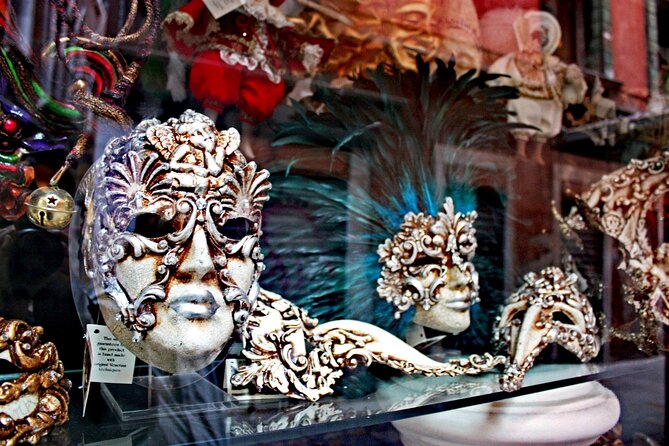
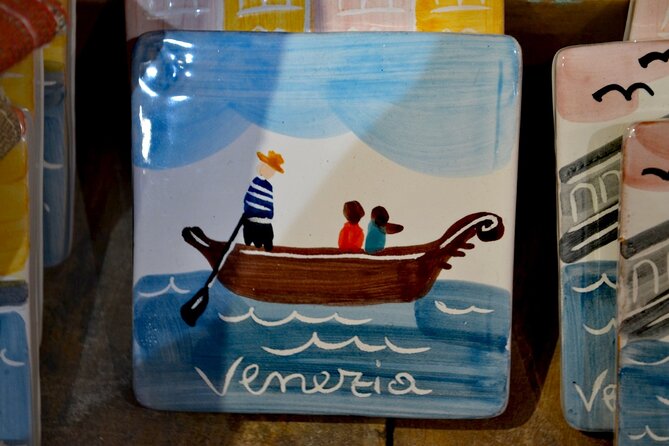
In San Polo, the tour shifts from “market life” to “table life.” You’ll visit a local artisan who makes traditional rural products—ceramics made with materials and techniques that don’t fit today’s factory rhythm.
The story here isn’t only about craft. It’s about what these objects support: spending time with family and friends around the table, preparing food, and celebrating at home. You can feel the logic in the design choices, like bright colors and lively patterns paired with a warm, informal elegance.
What to watch for: handmade ceramics often show slight variation. That’s not a defect. It’s the fingerprint of the process. If you like buying pieces you’ll actually use (not just display), this is the kind of stop where that impulse makes sense.
Potential drawback: if your main goal is glass or textiles, this stop might feel more “everyday” than “wow.” But for me, it’s the stop that explains how Venetian crafts connect to daily life.
Rialto shoe shop: when recycling becomes the style
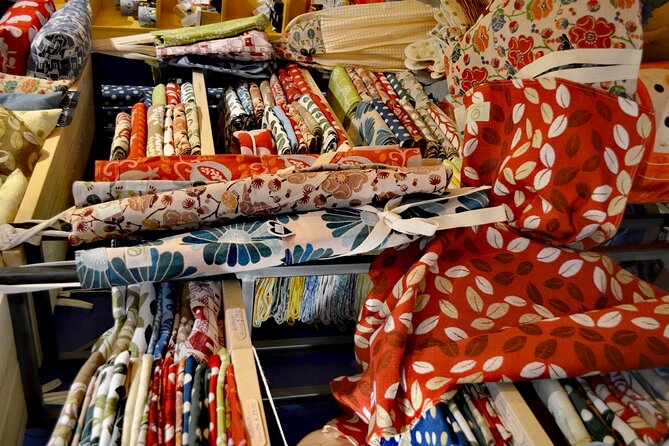
Then you get a shop that’s basically a lesson in resourcefulness. In a traditional shoe shop near Rialto, you’ll hear how Venetians turned necessity into a long-term craft idea.
The tour describes shoes made from reused materials: old bicycle tires repurposed into waterproof, hardwearing soles; jute sacks turned into lining; even old clothing fabrics transformed into uppers. The point is simple: materials weren’t wasted, and craftsmanship kept improving.
You’ll also hear how styles like Veneziane are inspired by the 18th-century splendor of the Serenissima, sometimes finished with velvet or bright oriental silks—and always hand-sewn. That’s the bridge between past and present: practical upcycling plus taste and tradition.
If you’re sensitive to ecological claims, keep it grounded in what you can see. Here, the value is in the concrete details of materials and hand work. You’re not just told a feel-good story—you’re shown how the shoe is built.






Campo Manin and Giuliana’s hats: a shop with real continuity
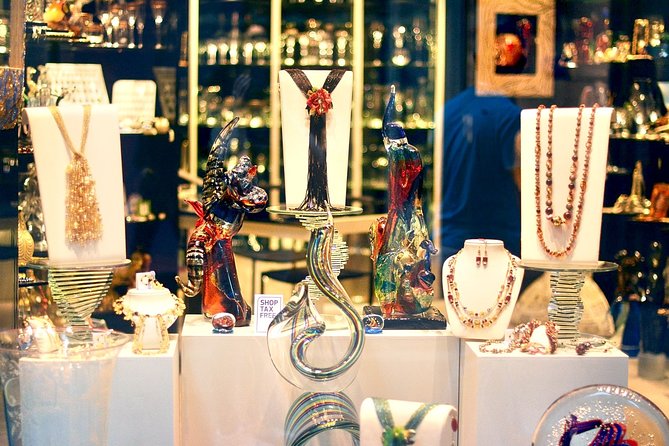
At Campo Manin, you’ll stop at Giuliana’s, a tiny hat shop stocked with options ranging from Panama hats to gondolier’s hats, Carnevale hats, waterproof hats, woolly hats, and even wedding hats. Yes, it’s specific. And that’s why it works.
The tour notes Giuliana has imported Panama hats directly from Ecuador since 1980, which adds a rare “lineage” to what could otherwise be a generic souvenir stop. Even better, the shop is officially recognized as a historic place of the Veneto Region.
Practical tip: if you’re thinking about buying a hat, check fit and fabric before you fall in love with the look. Hat sizing can vary, and the shop is small—so you’ll want your measurements ready or just be prepared to try things on quickly.
This stop is also a nice reset from the heavier craft materials like glass and ceramics. Hats are wearable history.
Chiesa di San Salvador atelier: art that plays with the viewer
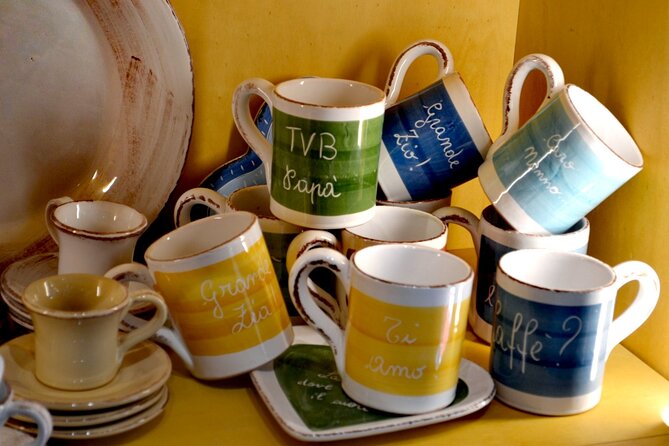
From there you move to Chiesa di San Salvador, right between Rialto Bridge and St. Mark’s Square, to an atelier where artists create objects with an intimate relationship to the viewer. Since 2007, a couple of artists have encouraged this mix of art and contact.
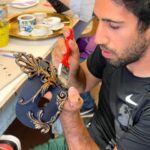
You’ll see rare collections of original sculptures and jewelry, plus glass flowers, dreamlike cut-iron shapes, wood-based “reborn trees,” and nomadic landscape-style pieces. It’s an emotional stop, not a technical one.
What you gain: a feel for how Venetian creativity isn’t trapped in categories like glass-only or jewelry-only. It spills across materials—glass, iron, wood—and each one changes how you read the object.
Even if you don’t buy anything, this stop gives you perspective. It helps you see craft as a conversation between materials and people, not just a production line.
Marbled paper (and smiling fish): the lagoon trapped on sheets
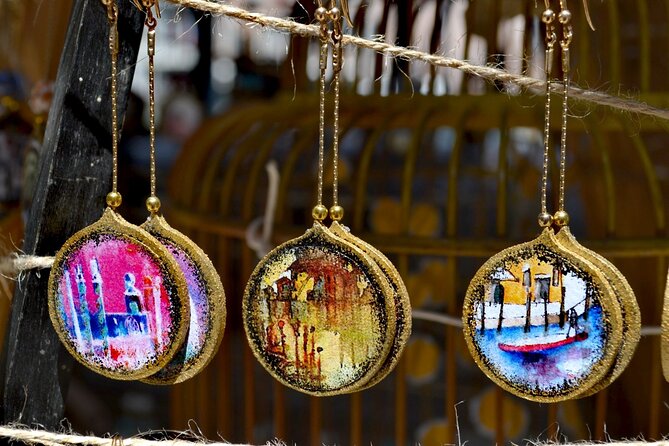
Another standout stop is where you meet a maestro marmorizzatore, a master papermaker. The tour explains that “maestro” isn’t only a formal title—it’s also a respectful dialect word Venetians use when greeting an elderly person.
Here, the craft is about ancient paper techniques that bring the Lagoon’s colors into physical form. The guide points out that lagoon hues shift during the day, and this technique reproduces those shades better than plain color printing ever could.
The paper designs described are specific and fun to remember: flower-themed sheets with tulips, roses, and trees. There’s also a series of fish that smile—fish “petrified” on paper like fossils embedded in primordial seas.
If you love details, you’ll enjoy this stop the most. If you prefer practical purchases, you might still like it because paper crafts make excellent gifts that feel personal, not mass-produced.
Murano glass jewelry: hand beads you can actually trace to skill
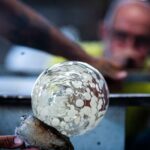
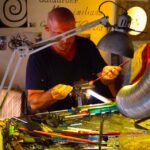
At Ponte di Rialto, you visit a shop producing Murano glass jewelry, made entirely by hand using refined Venetian methods. You’ll see beads made by little local workshops with years of experience in Murano glass-making, glass blowing, and lamp-working.
This is where you should slow down—because lamp-working and bead-making are all about precision. The guide’s value is in pointing out what to look for visually: quality comes from process control, not just from shine.
The best practical outcome: after this, you can shop Murano glass with a sharper eye. You’ll know what hand-made methods imply, and you’ll be less likely to get fooled by anything that looks “too perfect.”
Cannaregio textiles and soprarizzo velvet: old looms, real texture
The final craft-heavy stop is in Cannaregio, where you’ll visit a textile company producing fine fabrics for furnishing and higher fashion: velvets, damasks, lampases, brocatelles—and the special soprarizzo velvet.
Here’s the part that makes this stop feel earned: the tour says soprarizzo production is still done on 18 looms of the 18th century, originally belonging to the silk guild of the Republic of Venice. That’s not a vague “heritage” statement. It’s a concrete detail about how the craft stays alive.
What you’ll likely notice: fabric isn’t just about color. It’s about how fibers catch light and how the texture holds shape. In a short shop visit, you may not get a full manufacturing lesson, but you can see enough to understand why old looms matter.
If your budget allows only one “serious” purchase, textiles can be the one to consider—especially if you’re buying something you’ll use for home décor rather than another small trinket.
Price and value: what $182.17 buys you in Venice
At $182.17 per person for about 3 hours, this isn’t a budget walking tour. The value comes from three things you can’t easily replicate on your own.
First, you’re getting access to artisan spaces that aren’t always open like a normal museum. Second, you’re getting a real guide—Valerio Coppo—who connects the craft to Venetian life and gives context as you go. The reviews highlight that he’s entertaining, full of anecdotes, and stays personable without pushing purchases.
Third, you get a structure that keeps you from wasting time. Instead of guessing which shops are worth visiting, you’re following a craft-minded route built around what you can actually see and understand in a few hours.
Group discounts are mentioned too, which is helpful if you’re booking with friends. And because admission tickets for the stops are listed as free, you’re not dealing with extra ticket costs during the walk.
Pace, walking, and what to do if you want more time in one place
The itinerary is designed around short visits—about 15 minutes each. That’s perfect for collecting impressions and learning enough to appreciate what you see later. It’s also why the tour feels lively: you don’t linger too long in one shop.
The trade-off is depth. If you find one place you could stay in for an hour (for example, the marbled paper or Murano bead-making), you’ll want to use your questions quickly during the stop. If you’re traveling in a private group, the tour is flexible in pace and itinerary, so it may be easier to spend a little longer where you’re most interested.
Also plan for short walks between stops. Central Venice can be crowded and uneven underfoot. Comfort shoes are the difference between enjoying the craft stories and thinking about your feet.
Who should book this craft-focused Venice tour
This is for you if:
- You like artisan work more than big monuments
- You want to shop with context, not just impulse
- You’re the kind of traveler who enjoys talking to makers and asking how things are made
- You want something private, unhurried, and tailored in feel
It may be less ideal if:
- You only have time for the classic sights and want a skip-stop route
- You prefer long workshops and extended demonstrations
- You want a food-focused tour (the fish market is a taste of life, but it’s not a full meal experience)
Should you book Creative Venice? My practical take
If you’re craving a Venice that lives after the camera comes down, I think this is a smart booking. The craft element is specific and hands-on in tone, and the route connects multiple disciplines—textiles, paper, glass, ceramics, and even upcycled shoes—in a way that makes the city feel coherent.
Book it especially if you want to leave Venice with two things: better taste for what’s worth buying, and stories that explain why it’s worth buying. If your priority is only the headline sights, you can skip it. But if you want the city’s working creativity, this tour gives you a clear path through it.
FAQ
How long is the Creative Venice tour?
It runs for about 3 hours.
What language is the tour offered in?
The tour is offered in English.
Is pickup available?
Pickup is offered only if you book a private group. Otherwise, you meet your guide at the general meeting point in Campo San Giacomo di Rialto near the fountain in the middle of the square.
What’s the meeting point and end point?
The tour starts at Campo San Giacomo di Rialto (Campo S. Giacomo di Rialto, 30125 Venezia VE, Italy). It ends at Zattere (30133 Venice, Metropolitan City of Venice, Italy).
Is this a private tour?
Yes. It’s listed as a private tour/activity, meaning only your group participates.
Are there admission fees during the stops?
The provided stop details list admission tickets as free for each listed stop.
What’s included in the price?
A licensed tour guide is included.
Are service animals allowed?
Yes, service animals are allowed.
What is the cancellation policy?
Free cancellation is available. You can cancel up to 24 hours in advance for a full refund.