REVIEW · VENICE
Venice: 30 minutes Enchanting Gondola Ride
Book on GetYourGuide →Operated by StarFlorence · Bookable on GetYourGuide
A gondola ride moves Venice in fast-forward. In 30 minutes, you glide from Bacino Orseolo through side canals, then roll into the Grand Canal for classic sights like Rialto Bridge. I like how the pace stays gentle and not exhausting, and I like the waterside angles you only get from a boat. One drawback: if you expect nonstop commentary, it might not happen—some gondoliers keep things more conversational among themselves than narrating every turn.
You start behind Piazza San Marco, and the whole experience is built for a short window in your day. The group stays small (up to 10 participants), so it feels calmer than the big-ticket, headcount-heavy tours. For anyone who uses a wheelchair, this one isn’t set up for you.
In This Review
- Key takeaways before you go
- Boarding at Bacino Orseolo: where you’ll actually find the boat
- The 30-minute route: from narrow canals to the Grand Canal
- Rialto Bridge from the water: the Grand Canal highlight
- Ca’ Farsetti and Palazzo Grimani: the civic Venice side of the canal
- Rio San Luca and the bridges: Teatro, Rossini, and a quick architecture lesson
- How the ride feels in practice (and what to watch for)
- What to bring: the small stuff that makes boarding easier
- Value of a short gondola: when 30 minutes is the smart choice
- Who should book this gondola ride (and who might skip it)
- Should you book this 30-minute gondola from Bacino Orseolo?
- FAQ
- Where is the meeting point?
- Where does the gondola ride start from?
- How long is the gondola ride?
- Is the Grand Canal included?
- How many people are in the group?
- What should I bring, and what can’t I bring?
- Is this gondola ride wheelchair accessible?
Key takeaways before you go
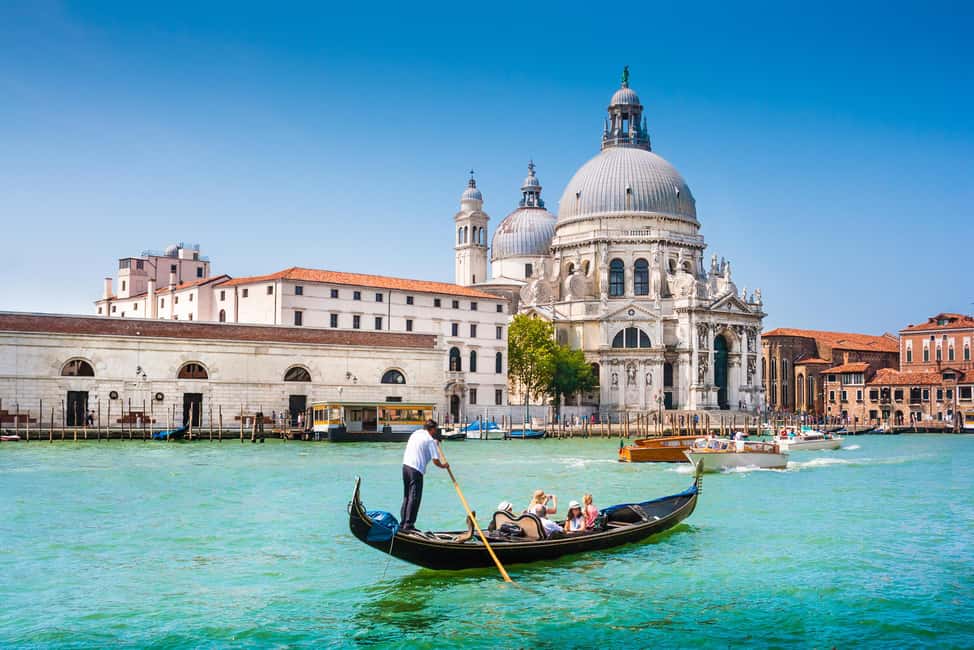
- Bacino Orseolo boarding: Start behind Piazza San Marco and sail into the quieter canal network.
- 30 minutes, not a marathon: The ride is designed to be easy and not overwhelming.
- Grand Canal + Rialto moments: You’ll see the Grand Canal and key buildings from the water.
- Rio stops with real landmarks: You pass areas named for Rio dei Barcaroli, Rio dell’Ovo, Rio San Luca, and more.
- Small group feel: Limited to 10 participants, so the experience stays relaxed.
- Weather can tweak the route: If conditions are rough, your itinerary may change.
Boarding at Bacino Orseolo: where you’ll actually find the boat
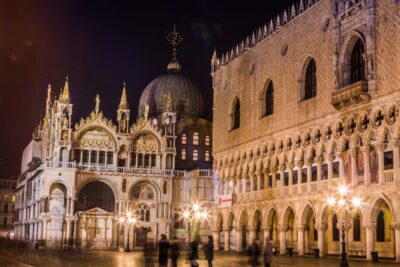
This gondola experience is all about getting on smoothly and getting off the water feeling like Venice made sense. The meeting point is in Piazza San Marco, not on the boat dock itself: stand in front of the wooden souvenir kiosk just behind the Correr Museum, next to the post office.
From there, your real sailing starts at Bacino Orseolo, the gondola station located behind Piazza San Marco. The ride begins from there, so plan your timing with that in mind—if you arrive late, you can’t join once the tour has started. Also, don’t show up with a lot of stuff. Oversize luggage, baby strollers, and large bags are not allowed, and the limit mentioned for bulky baggage is tied to size (over 16 liters is a no).
If you want this part to feel painless, do two things: arrive a bit early, and take a quick look around for the specific kiosk area by the Correr Museum. In past experiences, the biggest frustration wasn’t the gondola ride—it was confusion about where to meet right on time—so I’d rather you show up early and breathe than sprint at the last minute.
You can also read our reviews of more tours and experiences in Venice.

The 30-minute route: from narrow canals to the Grand Canal
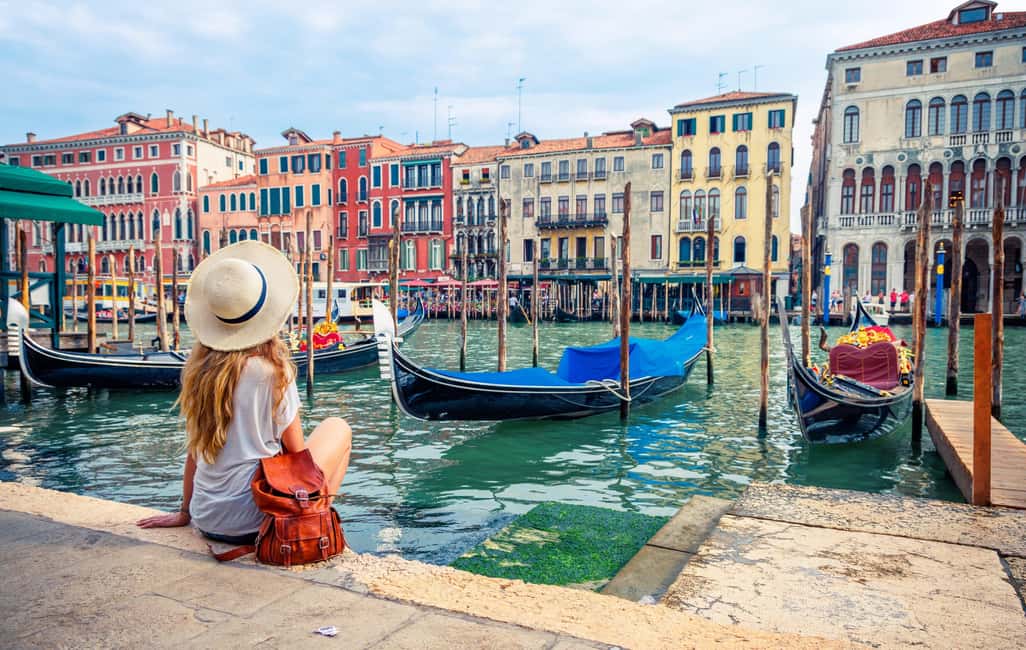
The core idea is simple: you start in smaller, calmer canals, then work your way toward the Grand Canal for the big postcard views—without turning your afternoon into a long schedule.
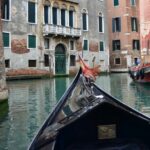
Once you’re on board, you’ll feel the gentle sway right away, the kind that makes Venice sound louder because you’re moving at water-level. The ride heads deeper into minor canals and along quieter stretches so you can see the city from a perspective most people never bother with.
Then comes the shift toward the Grand Canal. Along the way, you’ll travel through canals named for specific spots, including Rio dei Barcaroli and Rio dell’Ovo. Rio dei Barcaroli is called out as a place where Mozart’s home is associated—whether you connect Mozart to Venice before the ride or you just enjoy seeing the name on the canal route, it helps anchor the scenery with something you can picture.
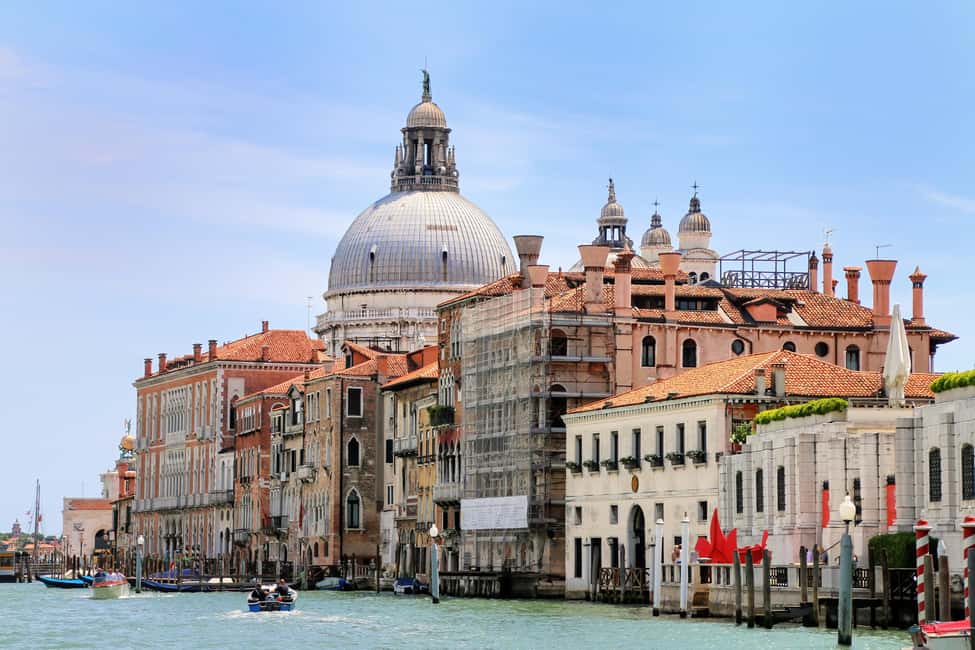
From there you head into the Grand Canal, where the width and scale of the water changes everything. Narrow canals feel like you’re in a hallway. The Grand Canal feels like you’re inside Venice’s main living room—wide views, more major facades, and the classic sense that the city is built for boats.
The best part of the timing is that you won’t feel like you’re stuck on the water for too long. It’s short enough that you stay alert for details, not bored waiting for the next bend.
Rialto Bridge from the water: the Grand Canal highlight
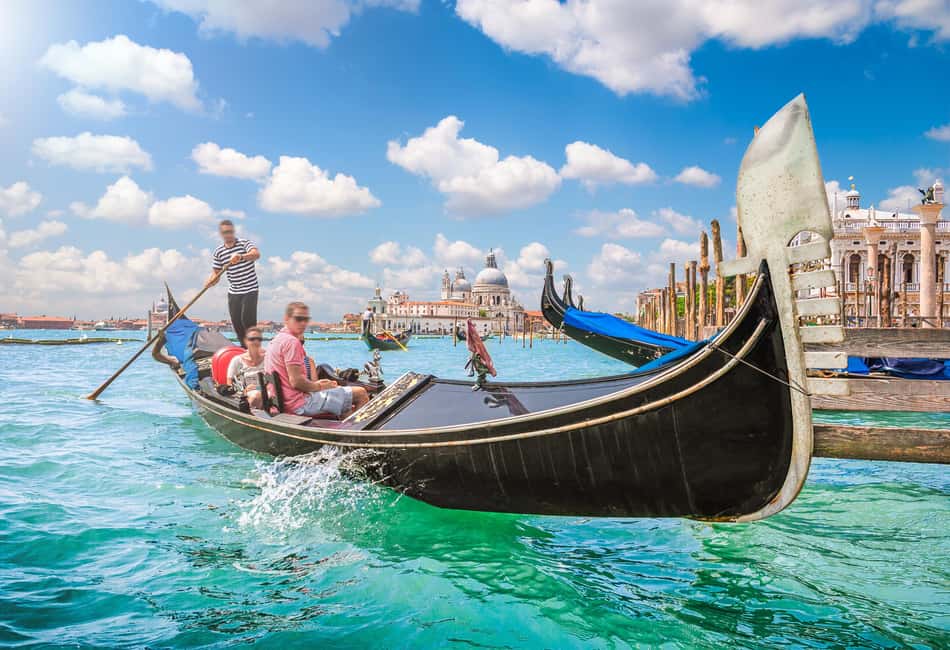
When the route reaches the Grand Canal, you get a very specific framing of the city.
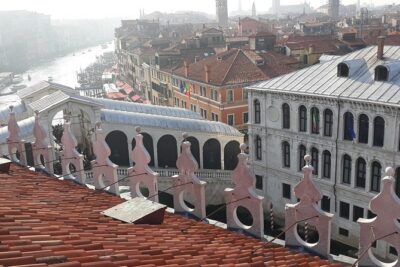
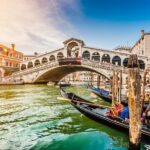
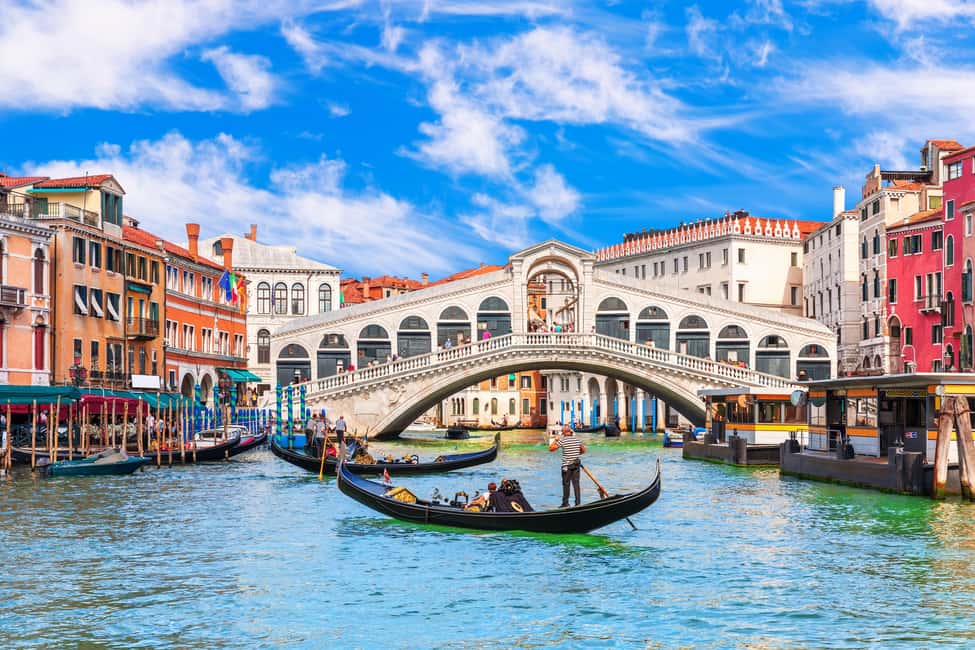
On the right side, you’ll see the Rialto Bridge. It’s described as the oldest bridge across the canal and credited for its Renaissance architecture and engineering. Even if you’ve already photographed Rialto from the banks, seeing it from the water gives it a different scale—less like a monument you pass by, more like a structure Venice built right into its daily flow.
This is also where you’ll notice how gondola travel changes what you pay attention to. From the street, you read the buildings first. From the gondola, you read the waterline and the facades together. The bridge doesn’t sit alone—it’s part of the geometry of the canal, aligned with buildings on both sides.
Ca’ Farsetti and Palazzo Grimani: the civic Venice side of the canal
Not everything on the Grand Canal is tourist-icon level. This route brings you past serious civic and legal landmarks, and that makes the ride feel more like Venice-as-a-functioning-city instead of Venice-as-a-stage set.
On the left side of the Grand Canal view, you’ll pass Ca’ Farsetti, identified as the seat of the city hall. Right after that, you’re in the vicinity of Palazzo Grimani, described as the largest building with a view of the Grand Canal and the seat of the Court of Appeal.
If your usual Venice day is heavy on churches and grand facades, this part adds balance. These buildings aren’t just pretty—they signal that the canals aren’t only for history. They’re tied to administration and everyday city power. From a gondola, you can actually see how the canal acts like a main corridor for the city’s important institutions.
Rio San Luca and the bridges: Teatro, Rossini, and a quick architecture lesson
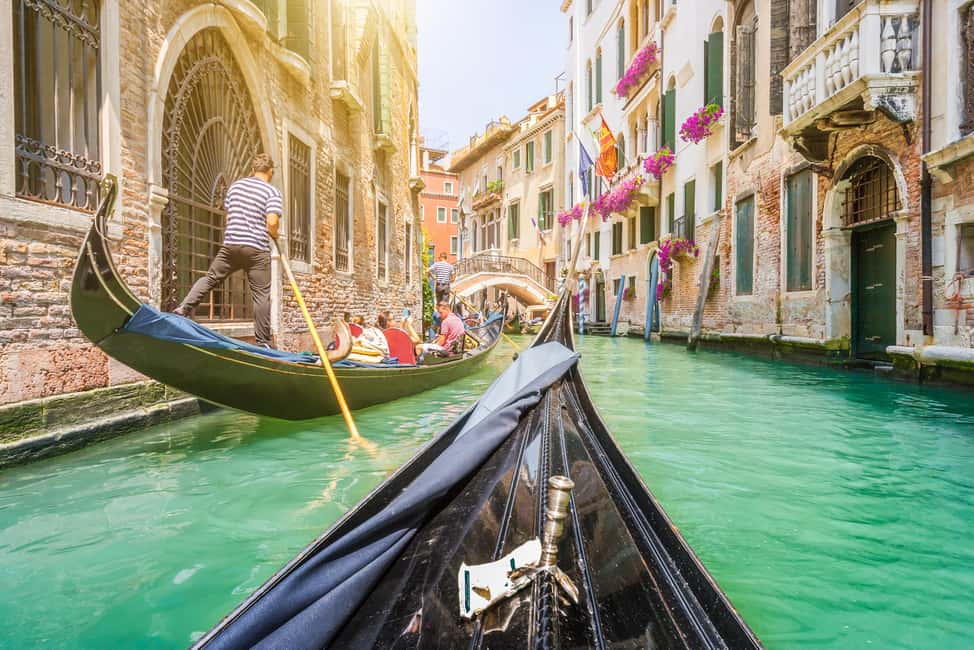
After the Grand Canal segment, the tour continues toward Rio San Luca. This portion is where Venice turns from major landmarks into smaller, more character-filled moments—especially around bridges.
You’ll be able to see Ponte del Teatro, described as the bridge connecting the façade of the church of San Luca and the façade of the Rossini cinema. That kind of detail matters because it shows Venice’s habit of layering uses and appearances across the same narrow water channels. A church façade and a cinema façade facing each other across a canal is the sort of thing you’d miss if you only walked and only looked straight ahead.
Then you move toward Ponte di San Paternian, a bridge that connects Campo Manin to Calle San Paternian. The tour specifically points you toward Palazzo Manin here, described as the residence of the last Doge of Venice, Ludovico Manin. Today, Palazzo Manin is identified as the Bank of Italy’s headquarters.
That’s a neat mental switch during a short ride: Doges and state power in the past, and modern banking and public finance in the present. Even if you’re not deep into Venetian political history, seeing Palazzo Manin in motion makes it feel less like a caption and more like a real building with real use.
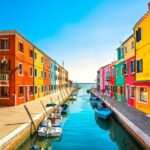
How the ride feels in practice (and what to watch for)
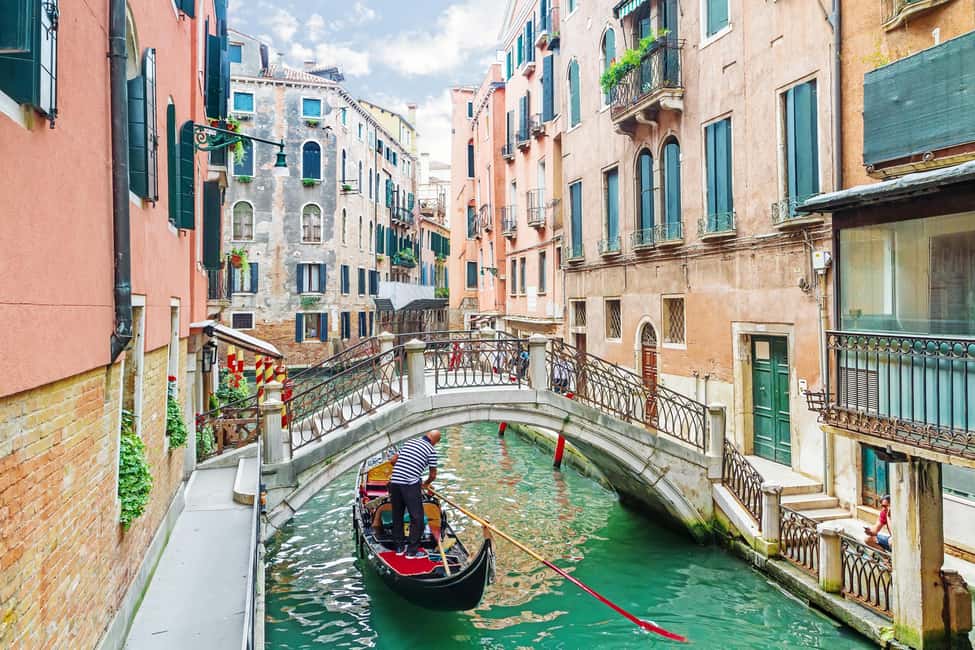
The ride itself is described as hassle-free and not overwhelming. That lines up with what you want from a 30-minute gondola: you get a true Venice experience without leaving you with sore feet afterward.
The boat motion is gentle, driven by the lagoon’s natural sway. It’s not a thrill ride. It’s more like drifting through Venice’s visual rhythm: turn, glide, look up at facades, then look forward again to the next canal opening.
Two practical cautions based on the experience details:
- Expect minimal commentary consistency. The tour is marketed as a guided experience, but onboard storytelling may vary depending on the gondolier’s style and whether they chat with their companion. If you want explanations, it helps to ask a question early and keep it simple.
- Weather can change the timing. The tour notes that adverse weather can vary duration or itinerary. It also says the gondola may not operate in exceptional high tide or during religious functions, and in those cases it can be rearranged or refunded. In other words: Venice weather is part of the plan. Keep your day flexible if you can.
If you’re the type who gets stressed by uncertainty, pick a time earlier in your trip and build in some backup hours nearby. Piazza San Marco is a great place to wait out a delay if you need to.
What to bring: the small stuff that makes boarding easier
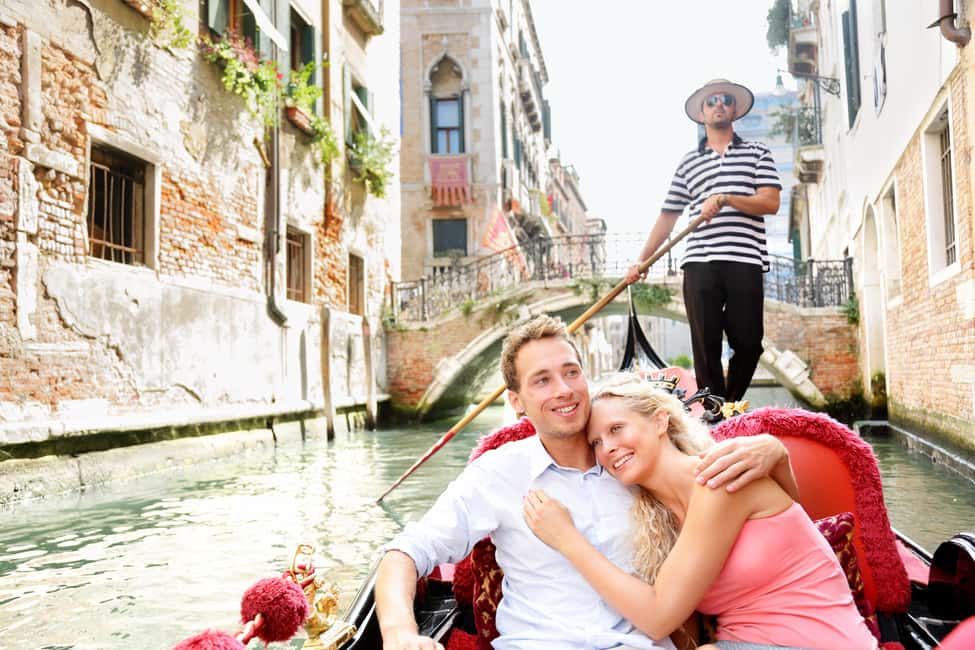
This is a short ride, but Venice can still be strict about what you carry.
Bring:
- Passport or ID card
- Comfortable shoes
Leave at home:
- Oversize luggage
- Baby strollers
- Smoking
- Luggage or large bags (with an indicated size limit tied to bulky baggage)
That’s not just rules for rules’ sake. Gondola boarding is tight, and the boat itself has limited room. Comfortable shoes matter because you might walk a bit around Piazza San Marco and the gondola station before you’re seated.
Also, because the tour is marked as not suitable for wheelchair users, plan a route where mobility isn’t limited. This isn’t a critique of anyone’s needs—it’s just the reality of narrow access and boat boarding.
Value of a short gondola: when 30 minutes is the smart choice
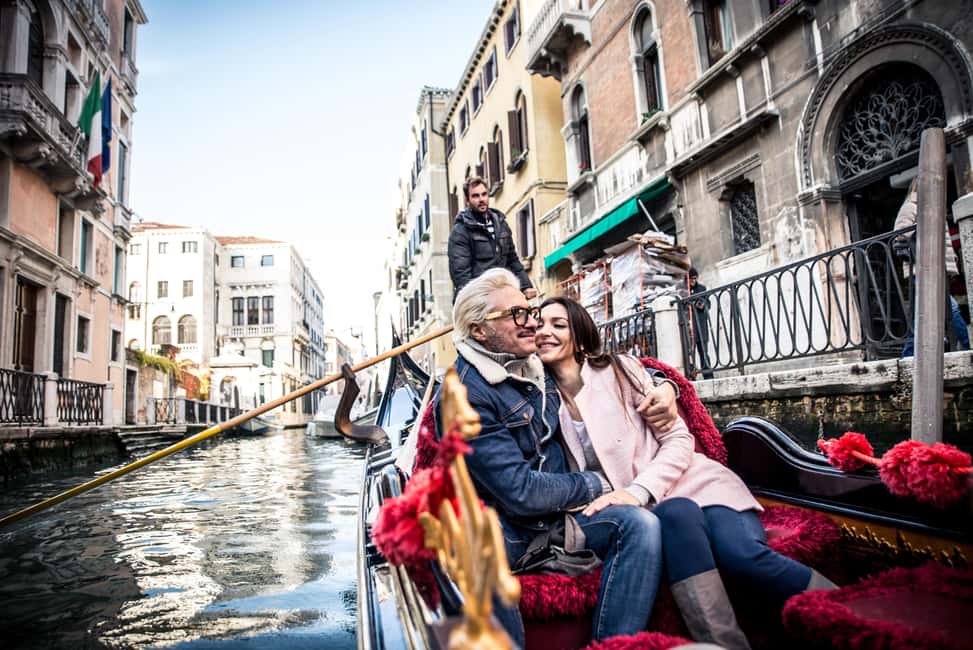
Long gondola tours sound romantic, but they can turn into a time tax. This one focuses on a short, high-impact route.
You get:
- A classic gondola experience, not a placeholder boat
- A route that moves from minor canals into the Grand Canal
- Big-name visuals like Rialto Bridge
- Civic and institutional Venice via Ca’ Farsetti and Palazzo Grimani
- Bridge and building details around Rio San Luca, including Ponte del Teatro and the Rossini cinema reference
- A palace-to-present connection with Palazzo Manin and its modern headquarters use
For value, think about what else you could do in Venice on the same day. A 30-minute gondola is the kind of activity that helps your photos look intentional. It also helps you orient yourself. Seeing Rialto and the Grand Canal from the water makes the walking streets around them feel more logical afterward.
If you’re doing your first day around San Marco, this fits well as a mid-day reset or an early evening soft landing. Even if you’ve already seen Rialto from a walkway, the gondola version is different enough to feel like a separate experience.
Who should book this gondola ride (and who might skip it)
Book it if:
- You want the classic gondola without committing to a long time on the water
- You like big sights plus quieter canals in one shot
- You prefer small group energy (up to 10)
- You’re comfortable following a schedule around Piazza San Marco
Consider skipping or switching if:
- You need wheelchair accessibility (this one isn’t set up for that)
- You strongly want guaranteed live narration the entire time
- You’re traveling with lots of luggage and don’t want to deal with the size restrictions
Should you book this 30-minute gondola from Bacino Orseolo?
Yes, I’d book it if your priority is a smooth, classic Venice boat ride that delivers major scenery fast. The biggest strengths are the timing and the route: you get from quiet canals into the Grand Canal, with Rialto Bridge as the headline and a few smart architectural/civic sights that make the ride feel more grounded than purely decorative.
My main caution is practical: show up at the right meeting point behind Correr Museum, be on time, and don’t assume the onboard chat will match your expectations. If you go in knowing it’s short and visual-first, you’ll likely come away happy with the whole arc.
FAQ
Where is the meeting point?
You meet your guide in front of a wooden souvenir kiosk just behind the Correr Museum in Piazza San Marco, next to the post office.
Where does the gondola ride start from?
The gondola ride boards at Bacino Orseolo, located behind Piazza San Marco.
How long is the gondola ride?
The ride lasts 30 minutes.
Is the Grand Canal included?
Yes. The route reaches the Grand Canal, after traveling through smaller canals first.
How many people are in the group?
The group is limited to 10 participants.
What should I bring, and what can’t I bring?
Bring a passport or ID card and wear comfortable shoes. You can’t bring oversize luggage, baby strollers, or smoking is not allowed. Large bags are also not allowed, and there is a size limit mentioned for bulky baggage.
Is this gondola ride wheelchair accessible?
No. The activity is not suitable for wheelchair users.