REVIEW · VENICE
Venice Tour by High-Speed train from Florence
Book on Viator →Operated by EUROLINKWORLDWIDE · Bookable on Viator
Venice in a day starts with a fast train. I like how this trip gives you both big-name Venice (Piazza San Marco) and quieter surprises (like the spiral Scala Contarini del Bovolo) without making the day feel random. I also like that so many sights are paired with free admission—churches, art-filled interiors, and classic landmarks—so you’re not constantly paying at the door. The one real heads-up: you’ll cover a lot of ground, and there are stairs; on top of that, a group of 9 found listening tough in the rain, so bring a bit of patience (and consider asking about headsets).
What makes it especially promising is the guide style. In past days, guides like Barbara and Catherine have taken people toward less “cookie-cutter” spots, and Catherine even adjusted plans for older folks by adding extra boat time when needed. If you want the Venetian signature, you can upgrade to a canal ride by gondola after you’ve seen the key sights. And yes, you’ll be back at the starting point at the end of the day, with your train timing set around an early departure from Firenze S.M.N at 8:20AM.
In This Review
- Key things you’ll really notice on this Venice day trip
- Why this Florence-to-Venice plan actually works
- Getting your day started at Venezia Santa Lucia
- Stop 1: Chiesa di San Rocco and why it sets the tone
- Stop 2: Basilica di Santa Maria Gloriosa dei Frari (Titian lives here)
- Stop 3: Chiesa Rettoriale di San Polo and the power of smaller interiors
- Stop 4: Mercati di Rialto—classic Venice energy, with real-life context
- Stop 5: Ponte di Rialto—what makes this bridge different
- Stop 6: Scala Contarini del Bovolo—the spiral staircase tourists miss
- Stop 7: Piazza San Marco—iconic square, plus gondola upgrade option
- Stop 8: Strada Nova and the walk toward Venice station
- Price and value: what you’re really paying for at $565.36
- How hard is the walking, really?
- Who should book this Venice day trip (and who might not)
- Final verdict: should you book it?
- FAQ
- What is the duration of the Venice tour from Florence?
- Where does the tour meet in Venice?
- What time does the train depart from Florence?
- How long is the train travel time?
- Is the tour private?
- What language is the tour offered in?
- Are attraction tickets included?
- Can I add a gondola ride?
- Is there an additional access fee for Venice on some days?
- What if the tour can’t run due to weather?
- Is confirmation provided after booking?
Key things you’ll really notice on this Venice day trip
- High-speed train efficiency: about 4 hours total for the train return, so you’re not burning your whole day in transit.
- Private group feel: it’s only your group, not a free-for-all with strangers.
- Lots of free entry stops: each of the main sightseeing stops is listed with free admission.
- A mix of famous and off-route details: from Rialto to the “snail” staircase you may never find on your own.
- Piazza San Marco, with an optional gondola upgrade for the canal vibe.
- Weather matters: the experience requires good weather, so plan around that.
Why this Florence-to-Venice plan actually works
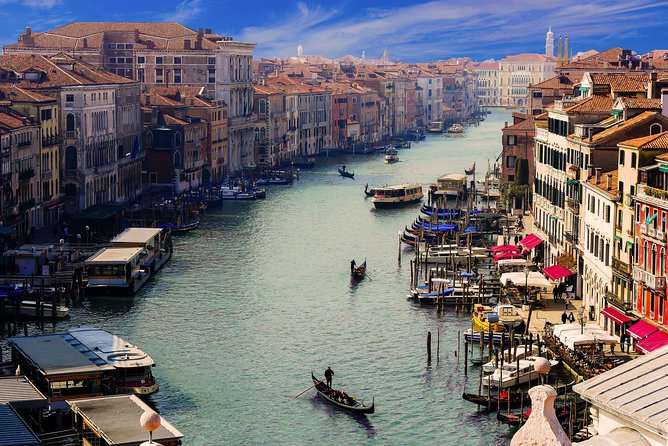
Venice is one of those places that can eat your time. Not because it’s complicated. Because it’s physical. You’ll walk, you’ll climb, and you’ll keep circling until the day feels gone. This tour’s strength is that it front-loads the essential sights while keeping the schedule tight enough to enjoy Venice without needing a full multi-day plan.
The other practical win is the train. You leave Florence by high-speed service (departing from Firenze S.M.N at 8:20AM), and the whole day is built around that. The return travel time is listed as about 4 hours round-trip, which is a huge deal if you’re trying to keep this trip within a single day. You’re also paying for the convenience of someone handling the day flow, not just telling you where to go.
And here’s the value angle people miss: you’re not paying for a stream of separate paid attractions. Many stops in the walking route are listed as free ticket sites. You’re paying for organization, guiding, and time you can spend actually seeing. That balance is what makes the price feel more reasonable than a “tour with lots of paid add-ons.”
You can also read our reviews of more tours and experiences in Venice.

Getting your day started at Venezia Santa Lucia
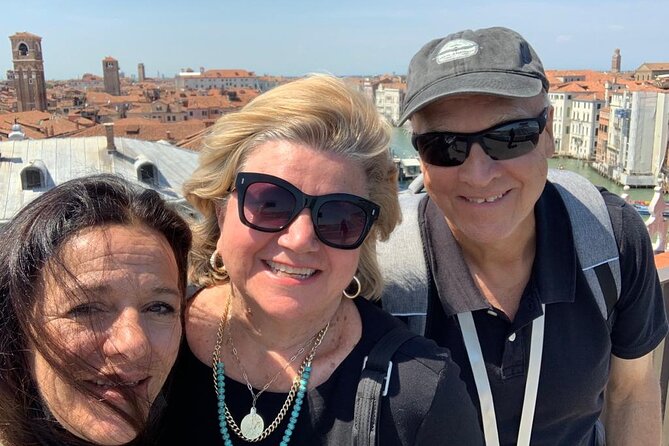
Your tour meets at Venezia Santa Lucia (the address provided is 30121 Venice). This matters because it’s your entry point into the city and the most logical anchor for a day trip by train. When tours start near the station, you spend less time hunting for a meeting point while already tired from the ride.
The tour ends back at the meeting point, so you don’t have that stressful last-mile “now where do I go” scramble back toward the train. It’s a small thing, but it changes how the day feels. You can focus on the sights instead of running a mental map of logistics.
You’ll also have confirmation at booking time, and the tour is offered in English. Finally, there’s a note about a possible Venice entry access fee on certain dates for visitors staying outside Venice. If your itinerary lines up with those dates, expect to see a €5 access fee requirement unless you qualify for an exemption—double-check the official site linked in the details so you’re not surprised.
Stop 1: Chiesa di San Rocco and why it sets the tone
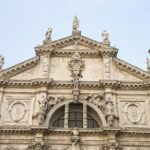
You start at Chiesa di San Rocco, originally built in 1508. This is a clever first stop because it gets you oriented inside Venice right away. The church is dedicated to St. Roch, who is tied to the era of plague—so the site isn’t just decorative. It gives you a perspective on what Venice’s past felt like.
Expect an architectural “time machine” vibe: centuries-old building fabric outside, then art inside. The route description emphasizes that the church takes you through history, including the role St. Roch played during the darkest days of the plague. Even if you’re not a big church person, starting here gives you a framework for understanding why Venetian churches are full of stories, not just stained-glass prettiness.
A practical perk: the listed visit time is about 30 minutes, and the admission is free. That’s a nice rhythm for a day trip—quick, meaningful, and not a stamina test.
Stop 2: Basilica di Santa Maria Gloriosa dei Frari (Titian lives here)
Next is Basilica di Santa Maria Gloriosa dei Frari, established in 1231. Outside, it reads as simple Gothic brick. Inside, it’s a different story—this is where the tour earns its “art magnet” reputation.
The standout named piece is Titian’s Assumption of the Virgin. Titian is one of those painters you recognize even if you don’t think you’re an art traveler. That alone is worth attention. The basilica also houses other paintings and sculptures, so you’re not limited to one highlight.
The downside to art-heavy stops on a group tour is crowd density. But the route keeps it to around 30 minutes here too, which helps. You’ll get a focused look rather than standing around wondering when the group moves on.
Stop 3: Chiesa Rettoriale di San Polo and the power of smaller interiors
Then the tour moves to Chiesa Rettoriale di San Polo, a small Gothic church dedicated to St. Paul. This is the kind of stop I love on a day trip because it feels quieter and more human-scale than some of Venice’s biggest churches.
You’re told the church holds numerous artworks, including pieces titled Last Supper, St. Silvester baptizes Emperor Constantine, St Paul Preaching, Marriage of the Virgin, and St Peter and the Keys. That’s a lot of named works for a 30-minute visit, which suggests the guide will steer you to what matters fastest.
One thing to keep in mind: smaller churches can feel dim. If you have trouble reading details in low light, don’t worry. The guide’s job is to point you toward the key areas and explain what you’re looking at.
Stop 4: Mercati di Rialto—classic Venice energy, with real-life context
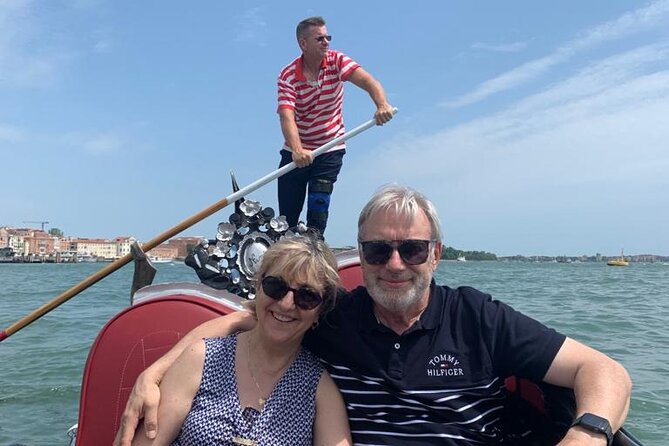
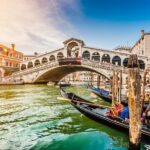
From churches to the market: Mercati di Rialto, near the arched Rialto Bridge. This is where Venice shows its working side. The description notes that the market is busy and sees both locals and international tourists.
What you should do here is shift from “sightseeing brain” to “observing brain.” Look at what people are buying. Notice how food and daily life sit next to the postcard architecture. Rialto is famous, but the market gives you the context behind the fame.
The time is again about 30 minutes and listed as free admission. That makes it a good breather before the walking gets more intense near the main bridge.
Stop 5: Ponte di Rialto—what makes this bridge different
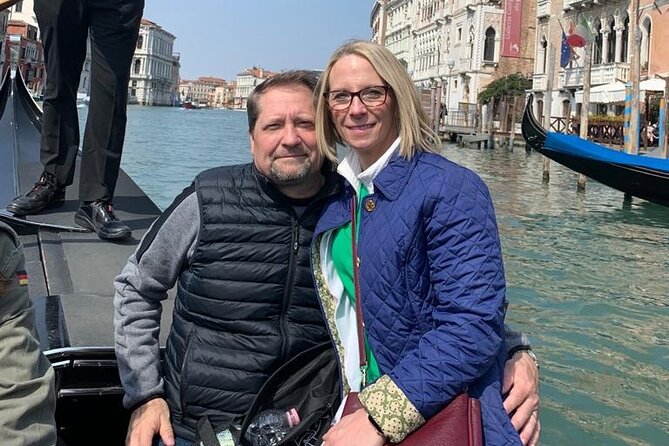
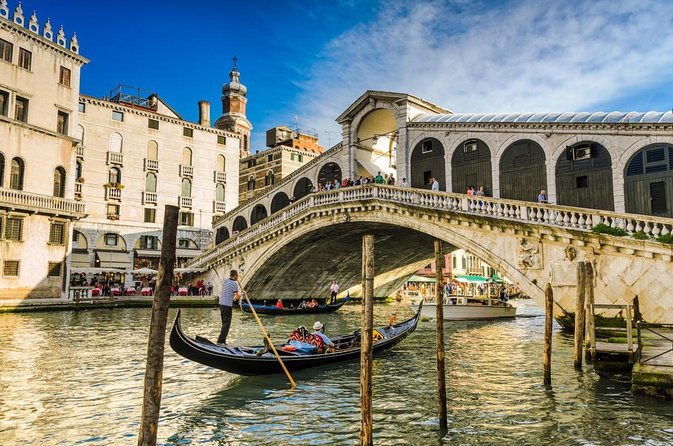
You’ll cross into the landmark zone at Ponte di Rialto. The key details here are very specific: the bridge was built between 1588 and 1591, and it stayed the only pedestrian crossing of the Grand Canal for a long stretch, until late 1854.
The route description also points out the structure’s engineering story: the bridge has a 24-foot arch and massive support resting on around 12,000 wooden pilings that have held it up for more than 400 years.
This is one of those times where a guide makes the monument feel less like a “photo spot” and more like a problem that people solved. If you care about how cities get built, the Rialto Bridge is your proof.
Stop 6: Scala Contarini del Bovolo—the spiral staircase tourists miss
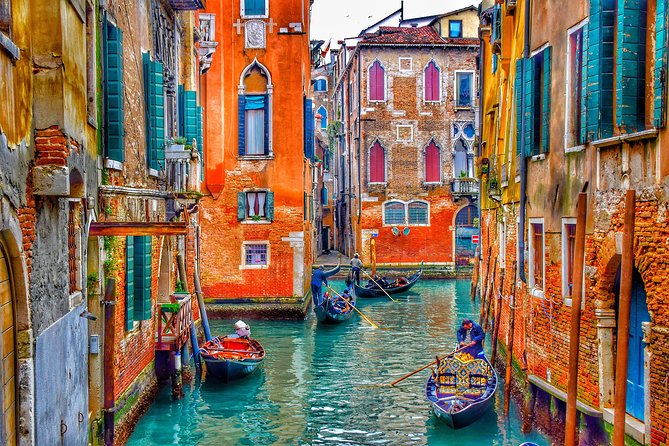
Then comes a stop I genuinely think is one of the best “smart find” moves on this day. Scala Contarini del Bovolo is the spiraling staircase—nicknamed the snail staircase—built to show the wealth of the Contarini family. It’s described as hidden in San Marco and unknown to many tourists.
This is the stop where you stop thinking only about what Venice looks like and start appreciating how Venice was lived in by families with power and status. You’ll see a structure designed to make movement itself feel theatrical.
Because it’s listed as free and only about 30 minutes, it fits neatly without breaking your schedule. If the weather turns lousy, this kind of sheltered architectural stop can still feel rewarding.
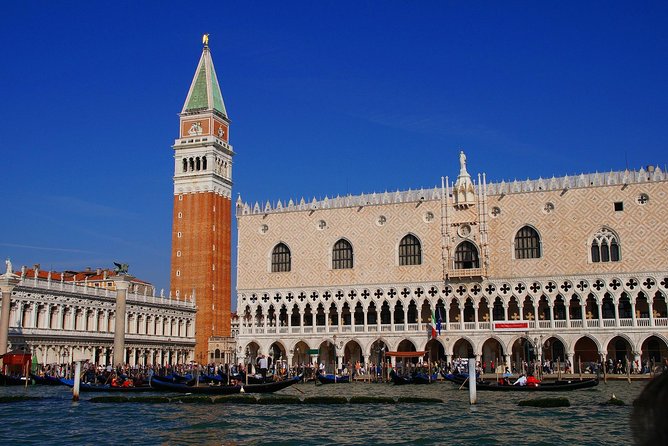
Stop 7: Piazza San Marco—iconic square, plus gondola upgrade option
Now you’re in Piazza San Marco, often called the drawing room of Europe. The tour frames it with two sides of the story: the square opens toward the sea, and it’s bordered by St. Mark’s Basilica. That’s the kind of setting where even quick explanations land well.
The description also mentions how the area can feel different with tide and timing, especially as high tide shows up later in the day. In plain terms: the square isn’t just a monument. It changes.
This is also where the gondola decision can happen. The tour offers an optional, all-inclusive gondola tour tied to San Marco square. If you’ve wanted that bucket-list canal ride, this is the moment to add it. You’ll have already seen the “why it matters” parts of the area, so the gondola stops feeling like a random purchase.
One practical note: gondola logistics sometimes depend on finding the right operator and slot. On one earlier day, locating a gondolier for the ride was a minor issue, but it didn’t ruin the day. If you’re the type who gets stressed by small delays, keep your expectations flexible.
Stop 8: Strada Nova and the walk toward Venice station
Finally, you’ll pass by Strada Nova, described as the chain of shopping streets running through Venice, before reaching Venice station. This is a useful last segment because it bridges your sightseeing day into “get ready to leave” mode.
You won’t be in full museum mode here. You’ll notice storefronts and street life. If you want to grab something small for later—snacks, gifts, or practical souvenirs—this is when you can do it without disrupting the main route.
Then it’s back to Venezia Santa Lucia to close the loop and get you ready for your train back to Florence.
Price and value: what you’re really paying for at $565.36
At $565.36 per person, this isn’t the cheapest way to do Venice. But the value case comes from what’s included and what’s optional.
You’re paying for:
- high-speed train transport from Florence timing around an early 8:20AM departure,
- a guided walking route with a private group setup (so you’re not mixed into a huge crowd),
- and a route that includes multiple listed stops with free admission.
That last part is important. Many Venice day trips look affordable until you add entrance fees for churches, basilicas, and major attractions. Here, the itinerary is built around places where admission is listed as free, so your day cost stays predictable.
The gondola is optional. That’s good value for people who care about the canal experience, because you can decide based on budget and time. If you’re not excited about gondola rides, you can keep the spending focused on the core guided tour.
In short: you’re paying for time-saving and guidance. If you love wandering but hate getting lost and stuck waiting for the group to “catch up,” this format fits well.
How hard is the walking, really?
This tour is a walking-based day. That means you should treat it like a city hike with sightseeing breaks, not a casual stroll.
One review noted it was hard to keep up for older people on a rapid walking plan, and the guide responded by booking a boat showing them sites and letting the route match their interests. That’s a big sign of practical flexibility. Still, the core route includes stairs and a lot of moving around.
So I’d plan like this:
- wear supportive shoes,
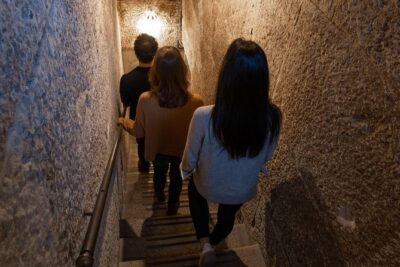
- expect stairs (especially around churches and the stair-focused Scala Contarini),
- and keep your energy for the late-day pacing in the San Marco area.
If you’re traveling with kids, it can still work—one family of six had their children raving—but keep in mind that “quick stops” still add up when you’re moving across Venice’s stone.
Who should book this Venice day trip (and who might not)
I’d point you toward this tour if you:
- want to see Venice in one day without stress,
- like a guided route that mixes famous places with smaller art-and-architecture stops,
- and want the option to add a gondola ride.
You might think twice if you:
- want a low-walking day,
- struggle with stairs,
- or rely on lots of quiet time to read every detail. This style is built for movement and guidance, not slow browsing.
For foodies and shoppers, you also get something useful: Rialto market energy and later Strada Nova shopping streets give you those everyday Venice moments. You won’t just be trapped in monuments.
Final verdict: should you book it?
If your goal is a structured, one-day Venice snapshot with real art interiors and classic landmarks, I think this tour makes sense. The value improves because so many major stops are listed as free admission, and the train schedule keeps your day from disappearing into transit time.
I’d book if you can handle walking and stairs, and if you like the idea of having a guide call the route for you. I’d maybe skip (or consider an easier pace) if mobility is tight or you’re traveling with someone who can’t do uneven steps comfortably.
FAQ
What is the duration of the Venice tour from Florence?
The tour duration is listed as approximately 8 to 10 hours.
Where does the tour meet in Venice?
The meeting point is Venezia Santa Lucia (30121 Venice, Metropolitan City of Venice, Italy).
What time does the train depart from Florence?
The details say your departure train from Firenze S.M.N is at 8:20AM.
How long is the train travel time?
The total train travel time is listed as approximately 4 hours return.
Is the tour private?
Yes. It’s described as private, meaning only your group participates.
What language is the tour offered in?
The tour is offered in English.
Are attraction tickets included?
The listed stops include free admission tickets for each of the sights described in the itinerary.
Can I add a gondola ride?
Yes. There is an optional upgrade for a gondola ride along the canal (an all-inclusive gondola option is mentioned).
Is there an additional access fee for Venice on some days?
On certain dates, visitors staying outside Venice may be required to pay a €5 access fee. Exemptions may apply, and you can check the official link provided in the details.
What if the tour can’t run due to weather?
The experience requires good weather. If it’s canceled due to poor weather, you’ll be offered a different date or a full refund.
Is confirmation provided after booking?
Yes. Confirmation is stated as being received at the time of booking.