REVIEW · VENICE
Cesarine: Home Cooking Class and Meal with a Local in Venice
Book on Viator →Operated by Cesarine: Cooking Class · Bookable on Viator
A Venice kitchen lesson feels like a secret. You get hands-on cooking with a local in a real home, then sit down to eat your work with local wines. It’s the kind of experience that turns famous Venetian flavors into something you can actually make later.
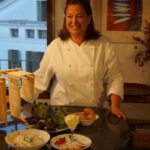
I like that the class is small (max 12), so the host can slow down for questions and correct your technique. I also like the structure: you learn three Italian courses—starter, fresh pasta, and dessert—rather than doing a quick demo and sending you away hungry.
One thing to consider: since this happens in private homes, conditions vary. In hotter months, some kitchens may not have air conditioning, and you’ll want to flag any allergies or animal concerns ahead of time.
In This Review
- What Makes This Venice Cooking Class Work So Well
- A Venice Kitchen Lesson You Can Actually Recreate
- Finding Chiesa di San Giacomo di Rialto and Getting to the Home
- The 3-Course Class: Starter, Fresh Pasta, and Venetian Dessert
- How Cicchetti-Style Cooking Makes the Class More Fun
- Fresh Pasta Technique: What You’re Practicing in Real Terms
- Wines, Water, and Espresso: The Meal Part That Helps It Stick
- Price and Value: Is $215.66 Worth It?
- Group Size: Why Max 12 Makes the Difference
- Practical Notes That Matter in Venice Homes
- Who Should Book This Class (and Who Might Skip It)
- Named Hosts You’ll Likely Hear About
- Should You Book Cesarine for Home Cooking in Venice?
- FAQ
- How long is the Cesarine home cooking class in Venice?
- How many people are in the class?
- Is the class offered in English?
- Where is the meeting point?
- Do I get hotel pickup or drop-off?
- What recipes will I learn and taste?
- Are drinks included?
- Is the Venice access fee included or mentioned?
- What’s the cancellation window for a full refund?
What Makes This Venice Cooking Class Work So Well
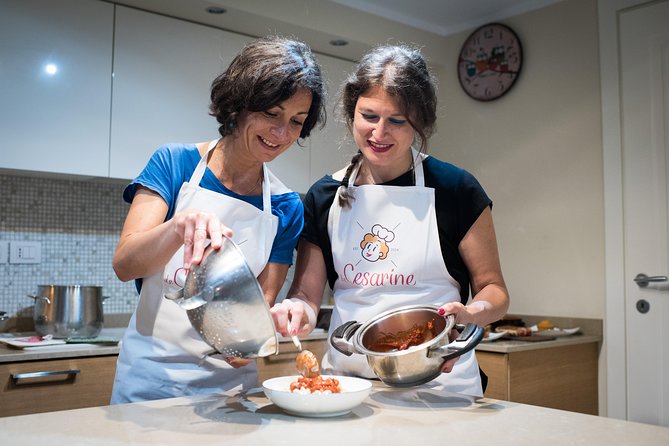
- A small-group format (up to 12) that keeps the host’s attention on you
- Hands-on practice with fresh pasta and other Venetian recipes
- A full tasting meal: starter, pasta, dessert plus local wines, water, and espresso
- Venetian cicchetti-style cooking—small bites and practical technique, not just plating
- Flexible menu choices that can include bigoli, risi e bisi, gnocchi, plus classic cookies and pastries
A Venice Kitchen Lesson You Can Actually Recreate
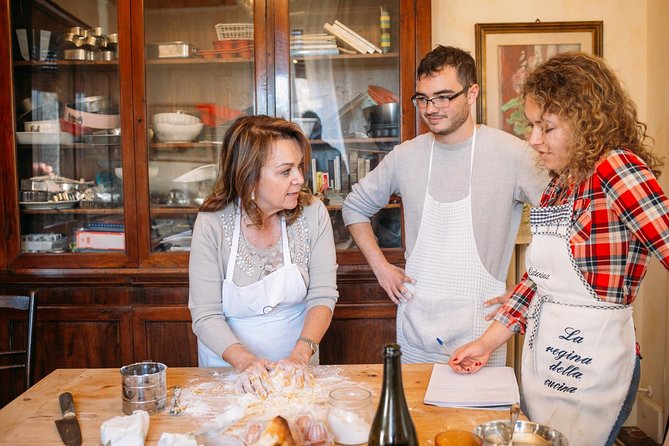
Venice is great at feeding you. But this experience is better at teaching you. The point isn’t just to taste Venetian food—it’s to learn how it’s made in the rhythms that local cooks use at home. You’ll work through a starter, fresh pasta, and dessert, with guidance that turns into usable skills.
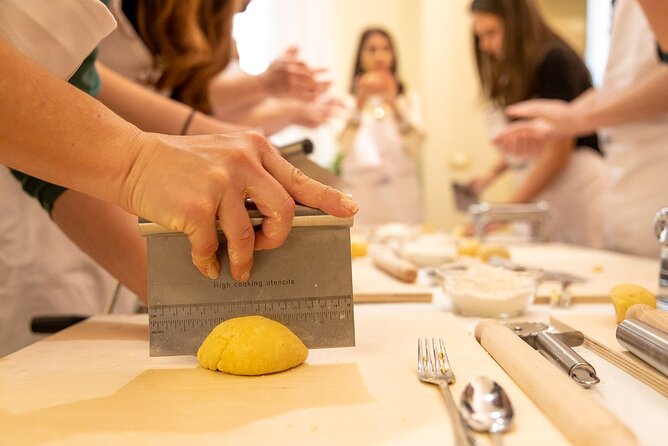
This format matters because pasta is one of those dishes where technique beats vibes. When you mix, knead, shape, and time cooking yourself, the whole process stops being mysterious. You’re not memorizing a recipe on the spot—you’re building muscle memory you can recreate later.
You can also read our reviews of more cooking classes in Venice
Finding Chiesa di San Giacomo di Rialto and Getting to the Home
You’ll meet at Chiesa di San Giacomo di Rialto, Campo S. Giacomo di Rialto, 30125 Venezia VE. It’s a clear landmark, and it’s also close to public transportation, so you’re not locked into one specific route.
From there, the experience continues in the host’s home. Some hosts guide you with specific directions, and the kitchen is often set up to be practical to reach—many people find the location convenient for getting there by water taxi. Still, Venice logistics can be a little unpredictable, so give yourself a few extra minutes and aim to arrive on time.
The 3-Course Class: Starter, Fresh Pasta, and Venetian Dessert
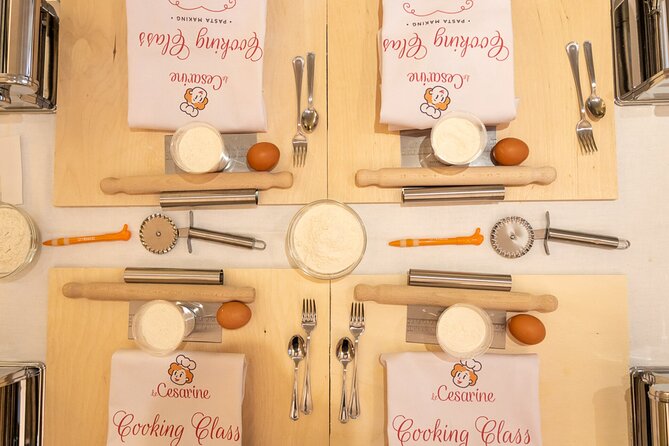
The menu is built around learning three recipes. Depending on the day and the host, you’ll see variation, but the course plan stays the same:
- Starter (seasonal starter): a taste of what’s cooking in Venetian home kitchens
- Main (fresh pasta): options often include bigoli, risi e bisi, or gnocchi
- Dessert (Venetian dessert): commonly baicoli cookies, Moro chocolate pastry, Zaeti biscuits, or tiramisu (or a similar classic)
I like this approach because it covers a wide slice of Venetian cooking. Starter and dessert are where you learn how locals balance simple ingredients and strong flavor. The pasta is where you get the real payoff: technique you can repeat.
How Cicchetti-Style Cooking Makes the Class More Fun
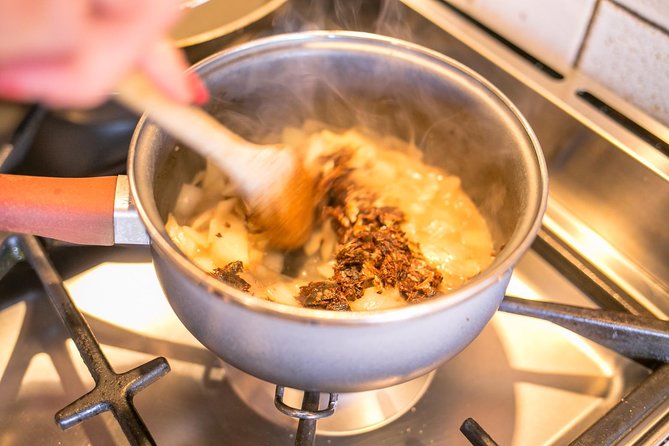
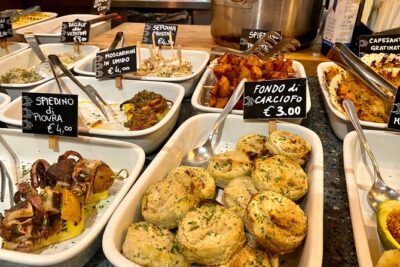
One of the best parts is that you’re not stuck making one big dish and waiting around. The experience includes small Venetian dishes called cicchetti as part of the hands-on practice. In plain terms, it keeps things moving and makes the food feel more like how people actually eat in Venice—small, snackable, social.
You also get variety in what you practice. Even if the exact cicchetti items change, the skill goal stays consistent: learn how to assemble, season, and finish items the way Venetian home cooks do, not just how to follow a single recipe card.
Fresh Pasta Technique: What You’re Practicing in Real Terms
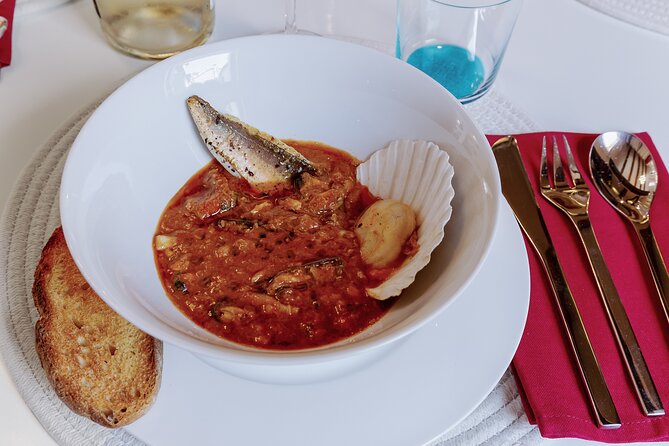
When the class is focused on fresh pasta, you’re doing far more than making shapes. You’re learning the small decisions that decide whether pasta turns out delicate, springy, or heavy.
For example, you’ll work on:
- Working the dough to get the right consistency
- Shaping pasta to a Venetian style (often bigoli-like forms or gnocchi texture)
- Timing so your pasta finishes when it should, not when everything else is ready
- Pairing pasta with the right sauce approach (which is usually a big part of Venetian cooking)
If you’re a beginner, this is exactly the kind of class you want. Multiple reviews describe hosts walking novices through steps, then letting you try. That’s the best learning style for cooking: watch once, try immediately, correct fast, repeat once more.
You can also read our reviews of more tours and experiences in Venice

Wines, Water, and Espresso: The Meal Part That Helps It Stick
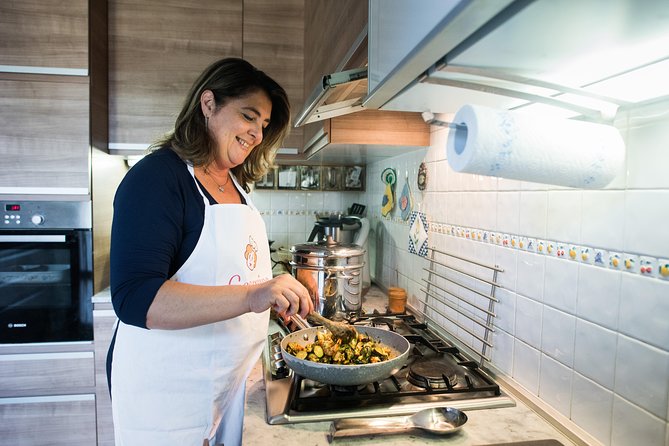
The class includes water, local wines, and espresso with the meal. The wine addition is more than a perk. It slows the pace just enough to let you actually taste, compare, and notice what you did right (or wrong) without feeling rushed.
This matters because pasta and dessert can blur together while you’re busy cooking. Sitting down with a glass in hand helps your brain lock in flavors and textures. You’ll finish with more than food. You’ll finish with a clearer sense of what Venetian cooking tastes like.
And yes, the wine is part of the social rhythm. Many hosts keep things relaxed, and you’ll usually get time to eat together rather than doing a strict production line.
Price and Value: Is $215.66 Worth It?
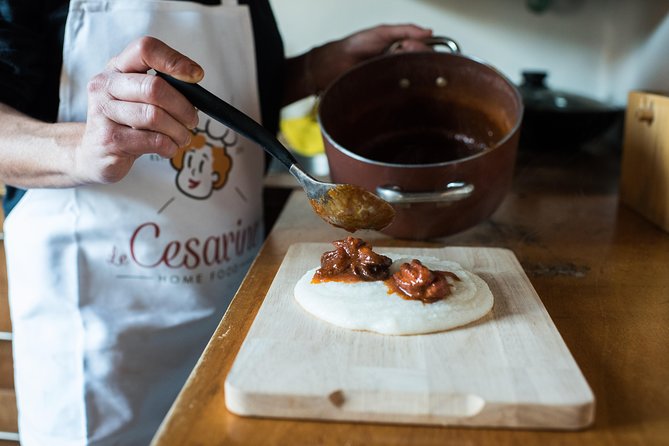
At about $215.66 per person for roughly 3 hours, this isn’t a budget activity. But it also isn’t overpriced in the way some tours can be, because you’re paying for three things that cost real money and real time:
- A trained host running the class in their own home
- Hands-on instruction plus ingredients for multiple courses
- Included drinks (local wines, water, espresso)
If you compare it to restaurant pricing, you’d probably spend a similar amount eating a multi-course meal in Venice anyway. The difference is that here you leave with a practical outcome: technique, plus a list of what to buy or how to make the dishes again (many people appreciate that recipe-style recap).
If you’re expecting a huge buffet or a long, slow dinner, you might feel the time limit. But if you want a high-quality cooking skill souvenir, this is a strong use of your evening.
Group Size: Why Max 12 Makes the Difference
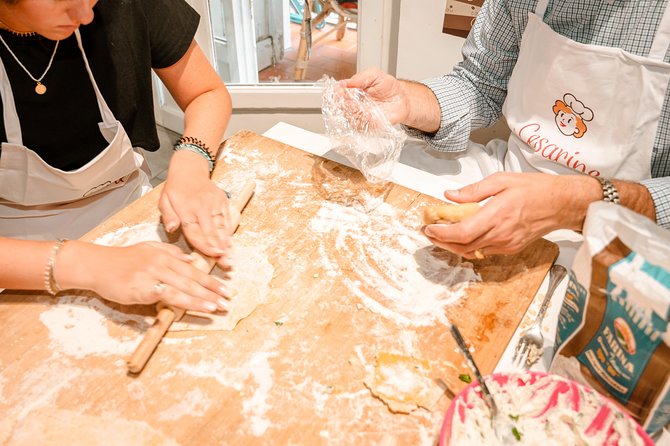
The class is capped at 12 travelers. That smaller size is a big deal in a Venice home kitchen, where space is tight and workstations aren’t designed for a crowd.
What you tend to get with this size:
- more chances to ask questions while you’re actively cooking
- quicker help when something feels off
- a smoother experience if you’re not a confident cook
In other words, it’s less like a lecture and more like a shared project.
Practical Notes That Matter in Venice Homes
A few real-world considerations can affect your comfort:
Air conditioning varies: One downside that shows up in the real world is that some homes may not have air conditioning, especially in hot summer stretches. If heat is an issue for you, plan to dress lightly and expect that conditions can feel warmer than you’d like.
Allergies and animal concerns must be clear: Since it’s a home setting, you should be proactive about allergies and animal-related concerns in your booking information. Service animals are allowed, but if you have allergies, don’t assume the environment is pet-free.
Time changes can happen: On some occasions, the start time may shift earlier. If your schedule is tight, keep some flexibility that day.
Venice access fee might apply: If you’re staying outside Venice and you’re visiting for the day, there are certain dates when you may need to pay a €5 access fee. Check the city guidance at https://cda.ve.it before you go.
Who Should Book This Class (and Who Might Skip It)
This experience is best for you if:
- you want fresh pasta skills you can repeat at home
- you like food tours that end with a meal you helped make
- you enjoy learning from a local perspective in an intimate setting
You might skip it if:
- you want a long, leisurely dinner with no cooking pressure
- you’re extremely sensitive to heat or home environments that aren’t standardized like hotels
- you need guaranteed allergy-free conditions that aren’t mentioned as available
Named Hosts You’ll Likely Hear About
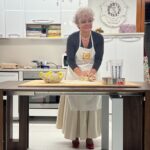
Cesarine home classes vary by host, but names that come up include Barbara, Patrizia, Giulia, Nadine, Lisa and Patricia (appearing together in one group’s experience), Daniella, Guilia, and Rossa. The common thread is what matters to you: organized instruction, patience with beginners, and a local approach to Venetian flavors.
Should You Book Cesarine for Home Cooking in Venice?
I think you should book this class if your goal is a hands-on Venice souvenir: something you learn, not just something you photograph. The combination of fresh pasta practice, a three-course tasting meal, and included local wine and espresso makes it feel like more than a food stop.
Do book with eyes open if you’re relying on specific comfort needs (heat, allergies, animal concerns) or if you have an inflexible schedule, since timing and home conditions can vary. If you show up with a flexible mindset and clearly stated needs, this is one of the better ways to experience Venice beyond the main canals and menus.
FAQ
How long is the Cesarine home cooking class in Venice?
It runs for about 3 hours.
How many people are in the class?
The group size is capped at a maximum of 12 travelers.
Is the class offered in English?
Yes, it’s offered in English.
Where is the meeting point?
You meet at Chiesa di San Giacomo di Rialto, Campo S. Giacomo di Rialto, 30125 Venezia VE, Italy.
Do I get hotel pickup or drop-off?
No. Hotel pickup and drop-off are not included.
What recipes will I learn and taste?
You’ll learn and taste 3 Italian recipes: a seasonal starter, fresh pasta (like bigoli, risi e bisi, or gnocchi), and a Venetian dessert (such as baicoli, Moro chocolate pastry, Zaeti biscuits, tiramisu, or similar typical desserts).
Are drinks included?
Yes. The class includes water, local wines, and espresso.
Is the Venice access fee included or mentioned?
The experience notes that on certain dates, day visitors staying outside Venice may need to pay a €5 access fee. You can check details at https://cda.ve.it.
What’s the cancellation window for a full refund?
Free cancellation is available up to 24 hours in advance for a full refund. If you cancel less than 24 hours before the start time, the amount paid isn’t refunded.