REVIEW · VENICE
3-hour Best of Venice Highlights Private Walking Tour
Book on Viator →Operated by Private Tours of Venice · Bookable on Viator
Venice makes sense in three guided hours. This private highlights walk pairs an art historian with a practical route across the city’s key sights, from St Mark’s Square to Rialto, with time to stop and actually make connections between what you’re seeing and why it matters. You can also pick a departure time that fits your day, which is a big deal in a city where every minute counts. Private walking tour with English support is the core idea.
I really like two things: the way you get art-and-architecture context while you’re standing right in the spots that shaped Venetian power, and the fact that your guide can adjust the pace to your interests. Names that have come up in past tours include Valentina and Michaela, and the common thread is strong English plus a friendly, funny, professional style that helps you feel oriented fast.
One consideration before you book: the tour price is on the high side ($350.91 per person), and Venice rules can trip you up if you’re not dressed for places of worship. You’ll need knees and shoulders covered (no shorts or sleeveless tops), and on some day trips you may also face a €5 Venice access fee depending on date and where you’re staying.
In This Review
- Key points
- Why this private Venice highlights walk works
- St Mark’s Square: majesty first, bearings second
- Campo Santa Maria Formosa: a first church story in the lagoon
- Fondamenta Nove: the view break that makes photos worth it
- Basilica dei Santi Giovanni e Paolo and the Colleoni statue
- Rialto Bridge: the commercial heart of Venice
- The art historian effect: what changes when you get context
- How the route helps you plan the rest of your day
- Pace, comfort, and what to wear
- Price and value: what you’re really paying for
- Who this tour suits best
- Should you book this Venice highlights private walk?
- FAQ
- What’s included in the 3-hour Best of Venice Highlights Private Walking Tour?
- What’s not included in the price?
- How long is the tour?
- Where do we meet, and when does the tour end?
- Is this tour private?
- What language is the guide?
- Are admission tickets needed for the stops?
- What is the dress code for the tour?
- Is there a €5 Venice access fee on some days?
- Can I cancel and get a full refund?
Key points
- Art historian guide explains what you’re looking at, not just where to stand for photos.
- Private, just your group format keeps things flexible and lets the guide tailor the walk to you.
- St Mark’s, Rialto, and the big monuments are hit in a tight 3-hour loop so you don’t waste a first visit.
- Canal viewpoint time includes Fondamenta Nove for North Lagoon and Murano Island views.
- Colleoni statue facts: 4m tall, linked to the Serenissima era, and famously on three feet.
- Dress code matters: plan for covered knees and shoulders to avoid being turned away.
Why this private Venice highlights walk works
A good Venice tour does two jobs at once. It helps you understand what you’re seeing, and it helps you navigate the chaos—call it a visual map in human form. This 3-hour walk is built around both.
You’re with an art historian (plus a local guide), so the stops aren’t random photo ops. Instead, you get explanations that connect squares, churches, and monuments to how Venice functioned—politically, artistically, and architecturally.
It’s also private, so you’re not squeezed into the same pace as a large group. That matters in Venice, where crowds, narrow lanes, and long lines can eat your attention if the tour plan isn’t smart.
You can also read our reviews of more walking tours in Venice
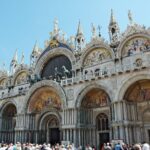
St Mark’s Square: majesty first, bearings second
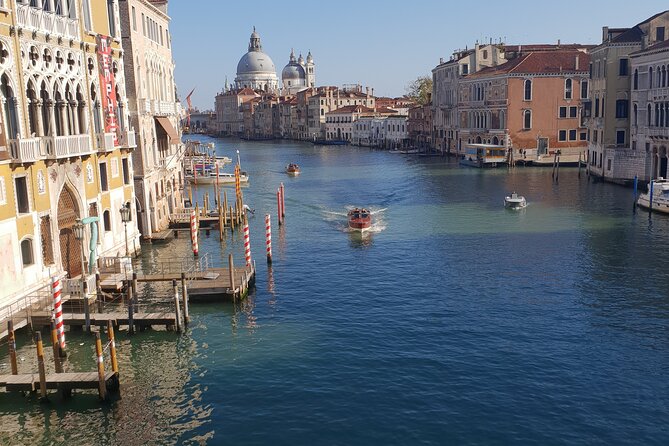
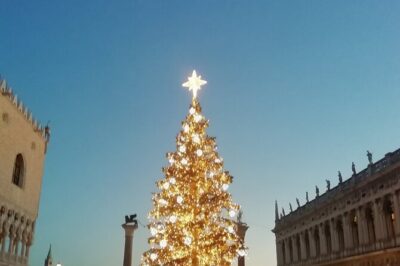
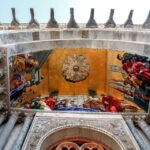
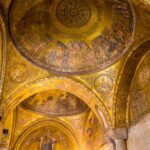
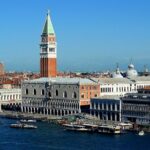
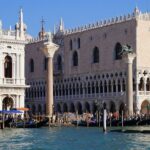
You start in Piazza San Marco, at the heart of the Venetian skyline and the city’s most famous public room. Even if you’ve seen pictures, the scale and detail land differently in person, and that’s where a historian’s framing really helps. The guide’s job here is to give you orientation: where power showed up, where art and architecture were meant to signal status, and why this square became the stage.
This stop is timed at about 40 minutes. That’s long enough to look beyond the obvious landmarks, but not so long that you lose momentum for the rest of the walk.
Practical note: St Mark’s Square can be crowded. If you want less rushing, choose a departure time that avoids peak foot traffic.
Campo Santa Maria Formosa: a first church story in the lagoon
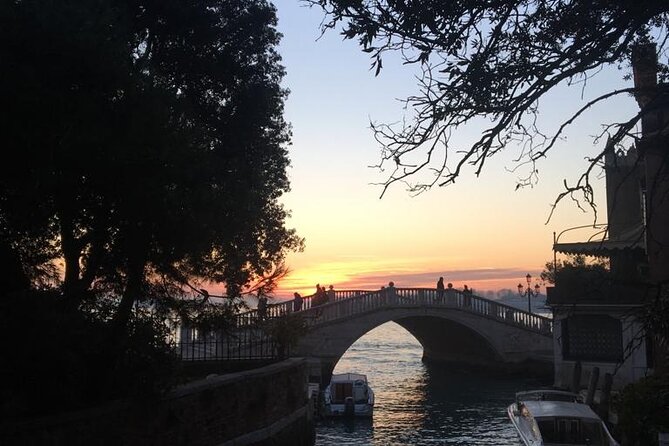
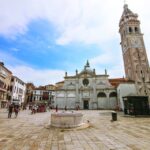
Next you head to Campo Santa Maria Formosa, a quieter, more local-feeling stop that still carries real historical weight. The setting is a campo—one of Venice’s community squares—and the church here is tied to a tradition about Venice’s early lagoon churches.
This is a shorter stop (about 30 minutes), and that’s a good use of time. In Venice, some of the most satisfying moments come when you switch from grand spectacle to the kind of place residents actually pass through.
If you like your history with place-based details—why a church matters, how a community formed around it—this stop tends to click quickly.
Fondamenta Nove: the view break that makes photos worth it
Then you get a change of pace with Fondamenta Nove, a long promenade along the canal. This is where you step out of the postcard center and into a more open, horizon-friendly part of Venice’s waterways.
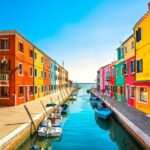
The timed stop is about 30 minutes, and the payoff is the outlook: North Lagoon islands with views toward Murano Island. It’s the kind of stop that helps you understand Venice’s geography, because you can’t fully grasp it from street level alone.
If you’re the type who likes to photograph water and architecture from angles, this is one of the best moments on the route. Even if you’re not, it’s still a useful reset for legs and eyes after more intense sightseeing.
Basilica dei Santi Giovanni e Paolo and the Colleoni statue
At Basilica dei Santi Giovanni e Paolo, you’re in for a cluster of major sights in one pocket: the church, the Scuola Grande di San Marco, and the famous complex that includes the historic hospital area and an equestrian statue.
This stop runs about 30 minutes, but it’s packed with visual information. The statue is the standout detail: a 4m-tall equestrian work of Bartolomeo Colleoni that’s described as the only monument of an actual person created during the time of the Serenissima. It’s also noted for being the first equestrian statue standing on three feet.
That’s the kind of specificity that makes a tour feel real instead of generic. You’re not just told a monument is important—you’re told why it’s rare, and what makes it structurally and historically distinct.
Possible drawback: as with many church-and-monument stops, dress code rules can affect timing. Plan your clothing so you can move inside without stress.
You can also read our reviews of more private tours in Venice



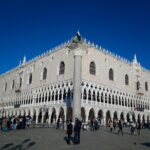
Rialto Bridge: the commercial heart of Venice
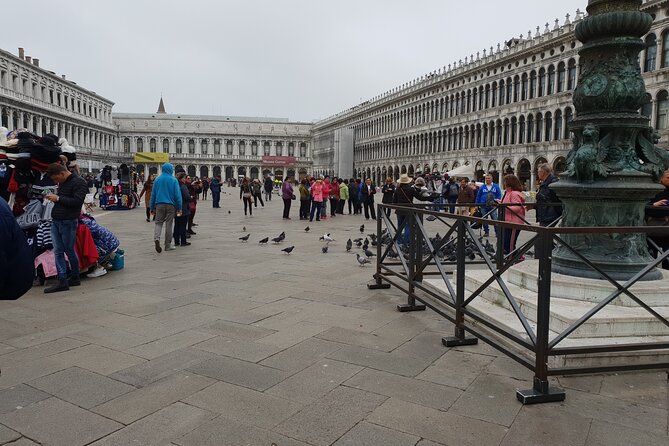
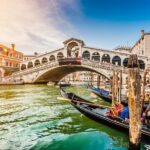
The final big anchor is Ponte di Rialto. This isn’t just a bridge; it’s a symbol and a center of gravity for Venice’s movement and trade. The guide frames it as the skyline landmark and commercial heart of the city, and also notes how, until the 19th century, Rialto served as the only bridge linking the two sides of the Grand Canal.
You’ll have about 1 hour here, which is substantial. That time is useful because Rialto is both a viewpoint and a place you’ll want to walk around—slow down enough to notice the architecture and the flow of people and boats without feeling like you’re being marched.
If you’re hoping to do a little independent wandering afterward (coffee, a shop stop, or a slower look), this is also where you can naturally transition into your own rhythm.
The art historian effect: what changes when you get context
A lot of walking tours tell you what something is. This one works better because it helps you understand why it looks the way it does and what it signaled at the time.
That context shows up most in the link between churches, civic spaces, and power symbols. St Mark’s Square sets the theme. Campo Santa Maria Formosa adds a local-layer story. Then you move into the big monuments and the statue that highlight how Venice used art to project authority. Rialto closes the loop with commerce and the Grand Canal’s role in the city’s daily life.
The tone matters too. Past guides highlighted in English-language experiences include Valentina and Michaela, with feedback pointing to strong enthusiasm and an approach that’s funny but still professional. You end up with explanations you can actually remember, because the guide’s style keeps you engaged rather than turning it into a lecture.
If you learn best by seeing and then hearing the story, this structure fits you well.
How the route helps you plan the rest of your day
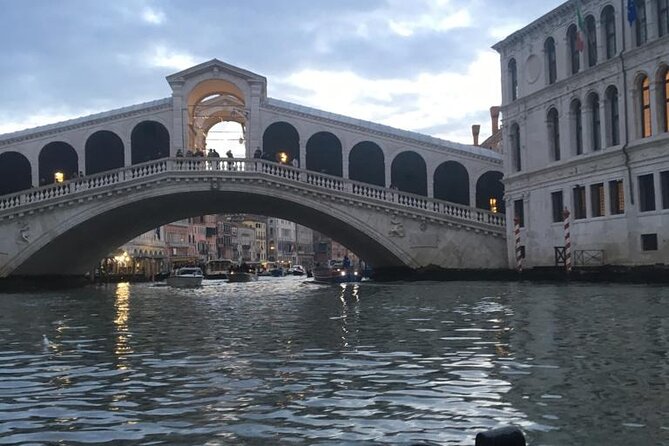
Three hours is a smart length for Venice. Long enough to hit major anchors, short enough that you still have energy to explore on your own afterward.
Because the route returns to the meeting point, it’s also easier to plug into the rest of your schedule—lunch plans, a museum visit, or even just a low-stress wander through smaller streets while you still feel oriented.
Also, the itinerary is longer than many quick tours. That extra time tends to translate into fewer rushed transitions, which is key in a city where you’re always negotiating foot traffic, narrow paths, and water-level detours.
Pace, comfort, and what to wear
This is an outdoor walking tour, and you’ll be moving through key areas with stops that include time inside places of worship. Venice temperatures and weather can change quickly, so I’d dress for walking first, sightseeing second.
The big rule you can’t ignore: places of worship and selected museums require a dress code. That means no shorts and no sleeveless tops, and knees and shoulders must be covered for both men and women. If you’re not dressed for it, you risk being refused entry, which can turn a planned stop into a missed one.
If you’re carrying layers, do it. It’s an easy way to handle sun and shade without needing to rely on a last-minute shop stop.
Price and value: what you’re really paying for
At $350.91 per person, this isn’t a budget-friendly walk. But in Venice, private guidance costs money—and it can also save money in a different way: time, confusion, and missed context.
Here’s the practical value equation. You’re paying for:
- an art historian’s explanations (not just a generic route),
- a private format (so you can move at a pace that fits your group),
- pickup and drop-off from designated meeting points (so you don’t burn energy figuring out logistics),
- and a route that hits multiple major anchors without stretching the day.
If you’re traveling with others and can share the cost across your group, the price can feel more reasonable. If you’re traveling solo, you’ll feel the cost more sharply—but you’re also paying to have your time guided rather than spent wandering in uncertainty.
Who this tour suits best
This tour is a strong fit if you:
- want a first-or-second-day orientation that still feels art and architecture focused,
- prefer a guided route rather than piecing together directions on your own,
- care about understanding how monuments connect to Venetian life,
- and appreciate clear English explanations with a guide who’s engaging.
It also makes sense if you’re the type who likes structure, since the timing is about 3 hours with multiple scheduled stops. You won’t be left wondering what comes next.
Where it might be less ideal: if you already know Venice well and hate walking between sites, you could find it more satisfying to do a shorter, targeted visit. The best approach depends on whether you want the framework.
Should you book this Venice highlights private walk?
If you’re building your Venice day around learning and not just ticking boxes, I’d book it. The mix of St Mark’s Square, a historic campo, a canal viewpoint at Fondamenta Nove, a major monument stop with the Colleoni statue details, and then Rialto gives you a strong “big picture” arc in only 3 hours.
The main reason not to book is simple: the price and the dress code. If you’re cost-sensitive, you may want a group tour instead. If you’re not planning clothing that meets the rules for churches and museums, you risk losing time.
For most people, though, this is a smart use of your first days in Venice. It helps you see the city with a clearer lens, and it gives you a path you can confidently explore again afterward.
FAQ
What’s included in the 3-hour Best of Venice Highlights Private Walking Tour?
The tour includes a local guide, local taxes, and a professional art historian guide. It also includes pickup and drop-off from designated meeting points and the tour is described as an outdoor walking tour. Mobile ticket is included.
What’s not included in the price?
Food and drinks are not included. Hotel pickup and hotel drop-off are also not included.
How long is the tour?
It’s listed at approximately 3 hours.
Where do we meet, and when does the tour end?
The meeting point is Piazza San Marco, P.za San Marco, 30124 Venezia VE, Italy. The activity ends back at the meeting point.
Is this tour private?
Yes. It’s a private tour/activity, and only your group will participate.
What language is the guide?
The tour is offered in English.
Are admission tickets needed for the stops?
The specific stops listed show admission ticket free. However, you should still follow the dress code requirements for places of worship and selected museums.
What is the dress code for the tour?
A dress code is required for entry to places of worship and selected museums: no shorts or sleeveless tops. Knees and shoulders must be covered for both men and women, or you may be refused entry.
Is there a €5 Venice access fee on some days?
On certain dates, people staying outside of Venice who are visiting for the day may need to pay a €5 access fee. You can check applicable dates and exemptions at https://cda.ve.it.
Can I cancel and get a full refund?
Yes. Free cancellation is available up to 24 hours in advance for a full refund. If you cancel less than 24 hours before the start time, the amount paid is not refunded.