REVIEW · VENICE
Tour of Venice between Art, History, Legend and Secrets
Book on Viator →Bookable on Viator
Venice has a way of turning legends physical. This tour connects Rialto’s Devil-built myth to the art world around Marco Polo, then pushes you into quieter churches where the details matter. You also get a simple payoff: site entry is built in, so you spend your time looking, not planning.
I like how the story stays grounded in places you can actually stand in—especially with art-historian style guidance like Alessandro’s. The one caution: when things go wrong, they go wrong fast. There are reports of a guide no-show, so you’ll want to arrive a bit early and keep your booking details handy in case of trouble.
Also, plan on a mostly standing and walking pace. There’s no easy sit-down rhythm, and even if it’s listed around 2 hours, it can run longer depending on the group.
In This Review
- Key highlights you’ll notice right away
- Why This Venice Walk Mixes Legends, Artists, and Real Places
- Before You Start: Campo San Bartolomio, Timing, and Getting Your Bearings
- Stop 1: Ponte di Rialto and the Devil-Built Legend You Can Still Feel
- Chiesa di San Giovanni Crisostomo: Polo’s Funding, Bellini’s Presence
- Casa di Marco Polo: From Katai Plans to a Second Home
- Campo Santa Maria Formosa: A Large Square With a War Story
- San Zulian (Giuliano): Gold Works and Painter Names That Actually Matter
- Piazza San Marco Finish: Basilica Views, Doge’s Palace, Bridge of Sighs, and Prisons
- Value, Group Style, and the One Thing to Watch Before You Pay
- Should You Book This Venice Art and History Tour?
- FAQ
- What is the duration of the Venice Art, History, Legend, and Secrets tour?
- Is this tour offered in English?
- Is admission included for the stops?
- Where does the tour start and end?
- Is the tour private?
- Is there an extra access fee for some visitors?
Key highlights you’ll notice right away
- Ponte di Rialto with legend attached: you’ll connect the bridge to its famous story.
- San Giovanni Crisostomo’s Polo funding story: Marco Polo’s family is tied to the church.
- Casa di Marco Polo focus: you’ll hear what happened before Marco Polo left for Katai and what brought him back.
- Campo Santa Maria Formosa’s war episode: this large field connects to the War against Padua.
- San Zulian (Giuliano) and golden church art: you’ll look for gold works and major painters tied to the church.
- San Marco finale with palace and prisons: Basilica area views plus Doge’s Palace, Bridge of Sighs, and the Prison Palace.
Why This Venice Walk Mixes Legends, Artists, and Real Places
Venice can feel like a nonstop postcard. This tour helps you slow down and read the city as a set of linked ideas. The best part is that it doesn’t treat history like a lecture. It points to objects, spaces, and churches—then explains why those details show up where they do.
You start with a legend that makes sense only in Venice: the stories around Ponte di Rialto, including the tale that the Devil helped build it. Then the tour shifts into art and patronage—how power and money left fingerprints in stone and paint. The churches aren’t random stops. They’re tied to major names: Giovanni Bellini, Tullio Lombardo, and painters like Veronese and Palma il Giovane.
What makes this work for you is the pacing. You’re moving through six focused stops, with admission tickets included for the sites named in the route. In practice, that means less time stuck at doors and more time learning what to look for once you’re inside.
The other big win is the human factor. When the guide is on form (and I saw that enthusiasm in the guidance style described by name, like Alessandro), the art-history lens becomes fun. You’re not just hearing dates; you’re learning how artists and patrons shaped what you see.
You can also read our reviews of more historical tours in Venice

Before You Start: Campo San Bartolomio, Timing, and Getting Your Bearings
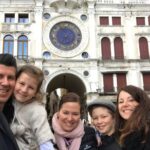
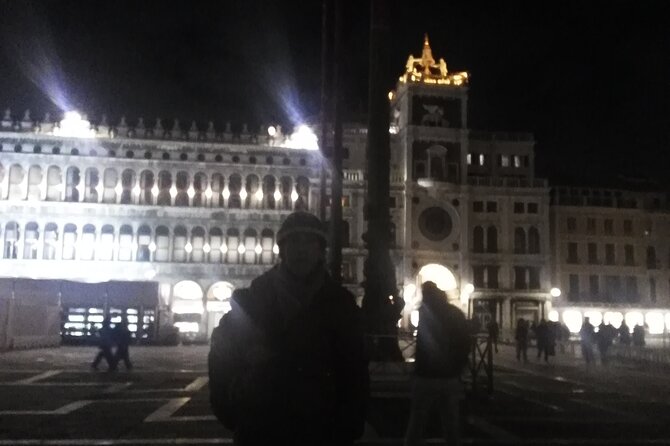
The tour begins at Campo San Bartolomio and ends in Piazza San Marco, at the clock-tower area. That matters because the route is built to move you toward Venice’s center of gravity—San Marco—without making you zigzag endlessly.
Plan for a listed duration of about 2 hours, but be flexible. At least one experience description notes that it can run longer than expected. Venice tours often stretch when there are questions, tighter transitions between churches, or slow-moving lines in front of popular sites.
Comfort-wise, treat this as a standing/walking experience. There’s no promise of benches or long “sit and listen” moments. If you’re the type who needs breaks to stay sharp, wear comfortable shoes and consider carrying a small snack and water.
Language is English, and it’s private—so you and your group only. That’s a real value in Venice, where “everyone squeezed into one group” can wreck the quality of a guide’s attention. Also, service animals are allowed, and most people can participate, though the pace is clearly city-stairs-and-streets logic.
One more practical note: if you’re visiting from outside Venice on certain days, you may need a €5 access fee. The schedule depends on the date, and exemptions exist. Check the city’s official page before you go so you don’t get surprised at the gate.
Stop 1: Ponte di Rialto and the Devil-Built Legend You Can Still Feel
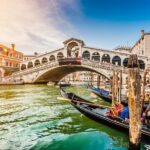
Rialto is the obvious Venice hit, but this stop adds something useful: a legend you can hold onto while you look. You’ll see Ponte di Rialto, one of the world’s most famous bridges, and hear the story that it was built with help from the Devil.
Why this is worth including: myths often point to what locals cared about. In Venice, money, engineering, and civic pride all live side by side. When a legend gets attached to a structure like Rialto, it usually signals the bridge wasn’t just functional. It was dramatic. It changed how the city moved and how power showed itself.
From a practical standpoint, be ready for busy scenes even early in the day. Rialto is always Rialto. Keep your expectations simple: you’re stepping into a viewpoint moment, then moving on. The tour isn’t here to stand and stare for an hour. It’s here to spark context.
If your guide is in a storytelling mode, Rialto becomes a gateway. You’ll understand why later places—churches tied to major families and artists—feel connected rather than random.
Chiesa di San Giovanni Crisostomo: Polo’s Funding, Bellini’s Presence
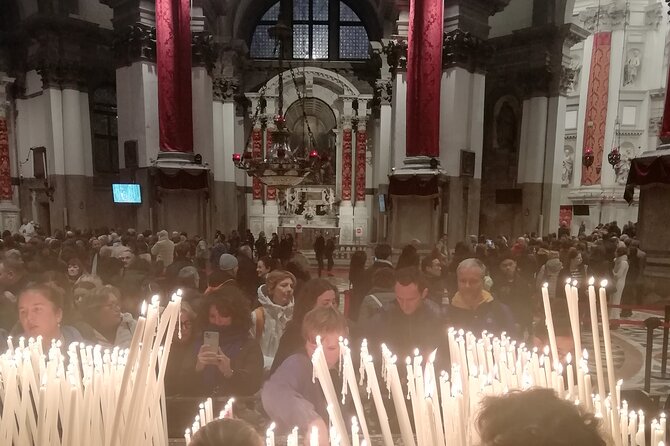
Next comes Chiesa di San Giovanni Crisostomo, described as an ancient church with ties to the architect Codiussi and financial support connected to Marco Polo’s family. That combination is a strong clue about what the guide will do in this stop: link art to patronage and patronage to real people.
Inside, you’re set up to look for major works by Giovanni Bellini and, especially, the presence of Tullio Lombardo. The key word for you isn’t the names alone—it’s the idea that church spaces in Venice weren’t just worship rooms. They were also places where wealthy families shaped cultural memory.
A balanced thing to expect: churches can be darker and more crowded than the street. That can make viewing art harder if you’re standing at the back. If you care about details, try to get a position where you can see the main works without craning your neck the whole time.
Time here is set at about 30 minutes, with admission included. That’s enough for the essential points without turning the church into a half-day event. If you’re an art lover, you’ll likely want a bit longer, but the route keeps you moving so the tour doesn’t drag.
Casa di Marco Polo: From Katai Plans to a Second Home
This stop is centered on the Casa di Marco Polo, the place described as the home where Marco Polo was born and lived until he was about 12. You’ll then hear the story of Marco Polo leaving with his father Niccolò and his uncle Matteo for Katai, plus what happened when he returned and chose to end his life in Corte del Milione, where you also visit his second home.
Why this matters beyond a name-drop: a lot of Marco Polo talk stays in the abstract—maps, routes, myth. Here you get the personal, human side. The tour frames Polo as someone embedded in Venetian life first, not just a famous traveler.
You also get built-in narrative structure. The stop flows from childhood, to departure, to return and final years. Even if you already know his legend, this setup helps you place the story in a physical timeline.
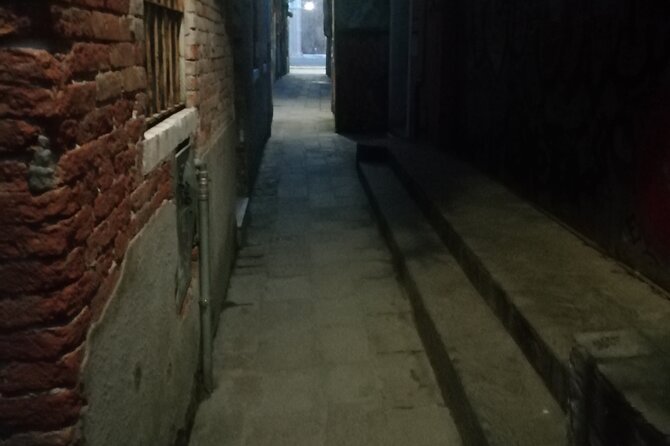
Real-world tip for your visit: because the space is tied to an actual historical home, it can feel tight compared with big public squares. Keep an eye on where you’re stepping and don’t expect wide open rooms. The value is in the connections the guide makes—between where he lived and why later stories take hold.
Time is about 30 minutes, with entry included. It’s a focused look, not a long museum drift.


Campo Santa Maria Formosa: A Large Square With a War Story
You’ll step into Campo Santa Maria Formosa, described as one of the largest fields in Venice and an important cultural center. It’s also tied to an episode that helped cause the War against Padua.
That’s a great reminder for you as a visitor. Venice isn’t only art and romance. It’s also politics, conflict, and alliances that shaped the city’s identity. This stop gives you a breather between churches and interiors, too. Outdoors means your legs get a moment to reset, and your eyes get room to breathe.
The drawback to keep in mind: open fields mean open views, which also means wind and noise. If you’re sensitive to street-level distractions, focus on what the guide points out—street corners, nearby structures, and the way the field operated within civic life.
Time is short—about 5 minutes. Think of it as a context marker. You learn what this place meant, then you move on to the next church where meaning turns visual.
San Zulian (Giuliano): Gold Works and Painter Names That Actually Matter
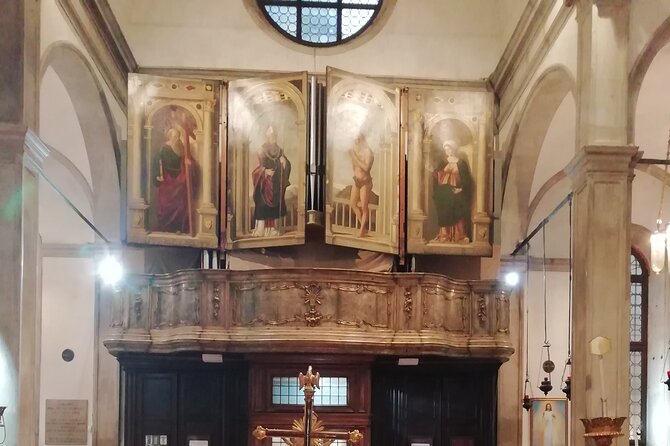
Next is Chiesa di San Zulian (Giuliano), a church highlighted for two things: the richness of its gold works and the connection to major painting masters. The route names painters tied to the church, including Veronese, Giovanni Bellini, and Palma il Giovane.
This is where the tour’s art-history angle pays off. You’re not just seeing a church interior; you’re seeing a network of artists connected to specific spaces. When you can tie those names to the same building, the city’s art map starts to make more sense.
Time here is around 15 minutes, with admission included. Fifteen minutes in a Venetian church can feel like it flies. So go in with a simple goal: pick one or two elements the guide highlights—especially anything gold—then let the rest register as atmosphere. If you try to absorb everything at once, you’ll end up exhausted and underwhelmed.
Also, lighting matters. Gold details can look best when you’re standing where the light hits. If your group position is awkward, it’s worth shifting one or two steps rather than waiting for “perfect” conditions.
If you want an art-forward Venice experience without spending half your day in a museum, this stop does a smart job of compressing the good stuff.
Piazza San Marco Finish: Basilica Views, Doge’s Palace, Bridge of Sighs, and Prisons
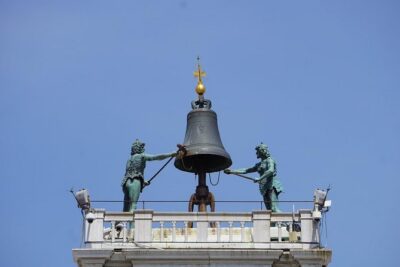
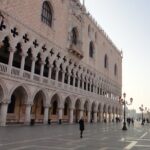
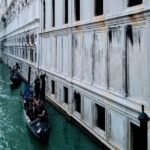
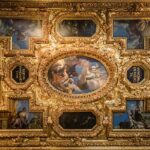
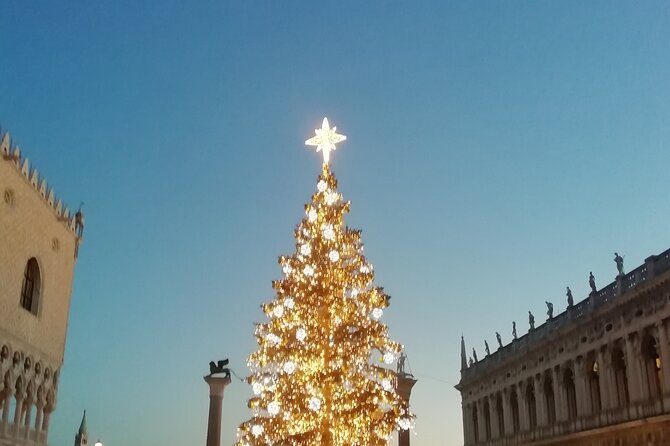
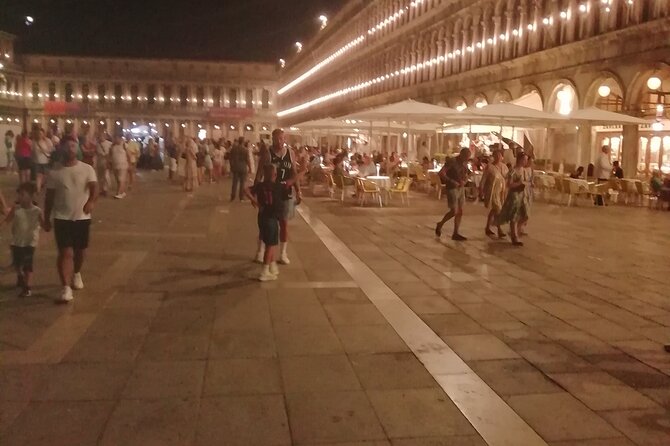
The tour ends in Piazza San Marco, where you’ll admire the Basilica and Bell Tower, plus major civic landmarks in the same zone: Doge’s Palace and the Bridge of Sighs, ending at the Prison Palace.
This finale is built for that emotional Venice payoff: big stone, big power, big symbolism. You’re moving from quiet art corners into the civic heart where the city’s history becomes visible at a glance.
What makes this finish valuable for you is the range of themes in one place. You’ll get architecture that communicates wealth, governance, and religion. Then you’ll shift into the darker shadow side with the prison story and the Bridge of Sighs theme. Venice loves contrasts, and this zone delivers them.
Time here is about 10 minutes. Ten minutes around San Marco can be tricky because the space is crowded, and the route also involves transitions between viewpoints and interiors. If you want extra time to linger, treat the tour as the orientation phase. Once you finish, you’ll know what to come back to on your own.
For photos: you’ll likely be in tight spots at the palace and bridge areas. If your phone camera is your priority, keep your expectations realistic and aim for a few strong shots rather than a hundred rushed ones.
Value, Group Style, and the One Thing to Watch Before You Pay
At $83 per person for an experience that’s about 2 hours (often described as longer by some groups), the value depends on what you care about. If you like art history and you want the “why” behind Venice’s landmarks, this price can feel fair—especially because admission tickets are included for the stops listed.
Also, this is all-inclusive in the sense that the tour covers the entry tickets referenced in the route. In Venice, getting inside multiple sites can quickly turn into a ticket-and-line hassle. Bundling that into one guided plan makes your day smoother.
The private-group format also improves value. You’re less likely to get lost in the shuffle when a guide needs to explain something detailed in a church interior.
Now the important caution. There are clear reports of no-shows and late arrivals without a guide at the meeting point. I can’t tell you why that happened in those cases, but I can tell you how to protect yourself:
- Be at the meeting point early.
- Keep your booking confirmation accessible.
- If you’re the cautious type, consider planning a lighter schedule afterward so you’re not stuck if something goes sideways.
One more real-life constraint: this isn’t a sit-down lecture. You’re walking between places, standing in churches, and moving toward San Marco. If that physical rhythm is a deal-breaker, you might want a slower option.
Should You Book This Venice Art and History Tour?
I’d book it if you want a focused Venice route that links places together—legends at Rialto, Polo’s family connections, church art tied to big names, and a final hit at San Marco’s civic power zone. The admission-included structure helps you feel like your money is going toward access, not just time spent meeting and waiting.
I would pause before booking if you need absolute reliability above all else. With reports of guide no-shows, you should go in with a plan for the meeting point and a small buffer in your day.
Best fit:
- You like art and history explanations more than generic sightseeing.
- You want a compact route that still hits major Venice icons.
- You’re okay with standing and walking.
Not ideal if:
- You need lots of seating breaks.
- You have a very tight timeline and can’t absorb delays.
If you do book, show up early, keep your confirmation handy, and go with a curious mindset. This tour works best when you treat each stop like a clue—because Venice really is one big puzzle, and this route gives you the first pieces.
FAQ
What is the duration of the Venice Art, History, Legend, and Secrets tour?
It’s listed at about 2 hours.
Is this tour offered in English?
Yes, the tour is offered in English.
Is admission included for the stops?
Yes. The stops listed include admission tickets.
Where does the tour start and end?
It starts at Campo San Bartolomio (30124 Venezia VE) and ends in Piazza San Marco, at/near the clock tower area.
Is the tour private?
Yes. It’s a private tour/activity, so only your group participates.
Is there an extra access fee for some visitors?
On certain dates, day-trippers staying outside Venice may need to pay a €5 access fee. Exemptions may apply, and you should check the official info for the applicable days.