REVIEW · VENICE
Venice Must See Attractions Walking Tour With A Guide
Book on Viator →Operated by Guydeez · Bookable on Viator
Venice is best when you know where to stand. This guided walk strings together the big postcard stops and the quieter corners, with photo-ready viewpoints plus a friendly guide you can ask questions to. I like that it’s paced like a stroll with purpose, not a sprint with a microphone.
Two things I’d put at the top of your list: you get clear orientation fast (Rialto to Cannaregio to the Grand Canal), and you also learn what to notice in everyday Venice—church art, local neighborhoods, and why places like La Fenice matter. One consideration: you’ll be on your feet for about 3 hours, so you’ll want comfy shoes and a little patience for narrow lanes.
In This Review
- Quick hits: why this Venice tour is a smart pick
- Venice on foot: why this 3-hour route is such a useful start
- Meeting at Campo S. Luca and getting your bearings fast
- Ponte di Rialto: the iconic view that sets your whole trip
- Rialto Market: shopping Venice, not just sightseeing it
- Basilica di Santa Maria Gloriosa dei Frari: art you can actually picture
- Campo San Bortolomio: a breather square with café rhythm
- Chiesa della Madonna dell’Orto: quieter church time away from the loud route
- Cannaregio: the neighborhood you’ll want to revisit
- Teatro La Fenice: opera house elegance, explained for real-world context
- Scala Contarini del Bovolo: climb for rooftop views and hidden courtyards
- Basilica di Santa Maria della Salute: the Grand Canal gateway view
- Ponte dell’Accademia: the bridge that shows Venice as a water-city
- Chiesa di San Zaccaria and finishing strong
- Price and value: what $41.94 really buys you
- Guide quality matters: from Fabio to Sneh and Nicoletta
- Who this tour fits best (and who should rethink it)
- Should you book this Venice walking tour?
- FAQ
- How long is the Venice Must See Attractions Walking Tour?
- What does the tour cost per person?
- Is this tour private or group-based?
- Where does the tour start?
- Where does the tour end?
- Is monument or museum entry included?
- Are there any included tickets?
- What languages are available for the guide?
- Do I need to bring a paper ticket?
- What’s the cancellation policy?
Quick hits: why this Venice tour is a smart pick
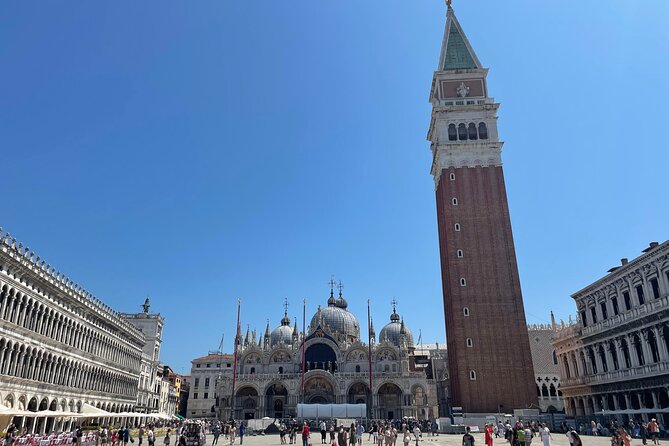
- Rialto Bridge + Rialto Market give you both the icon and the local food scene
- Frari Church helps you spot major Renaissance art connections tied to Titian and Giovanni Bellini
- Cannaregio is worked in so you can return later with less wandering
- Scala Contarini del Bovolo adds a real vertical payoff: rooftop and courtyard views
- Small group or private means questions stay easy, not squeezed in
- Guides like Fabio, Sneh (Sneh Wayne), Nicoletta, Vittorio, and Alberto show up often in top-rated experiences
Venice on foot: why this 3-hour route is such a useful start
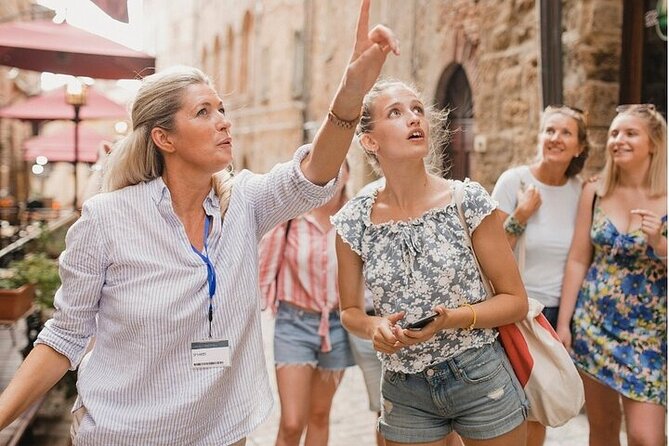
If Venice is your first stop on a trip, this kind of guided loop is worth it. The city is a maze made of canals, bridges, and lane turns that look the same until you learn what matters. In about three hours, you cover a lot of ground without trying to “do everything,” which is exactly how I like to travel.
You’ll also avoid the common mistake of walking past key views with no idea where the angles are. This tour is built around photo points and classic structures—then it nudges you into neighborhoods like Cannaregio, where the vibe shifts from “show me” to “this is real life.” Expect a mix of stops at free-to-view areas, plus a clear sense of what’s worth your time later.
You can also read our reviews of more walking tours in Venice
Meeting at Campo S. Luca and getting your bearings fast
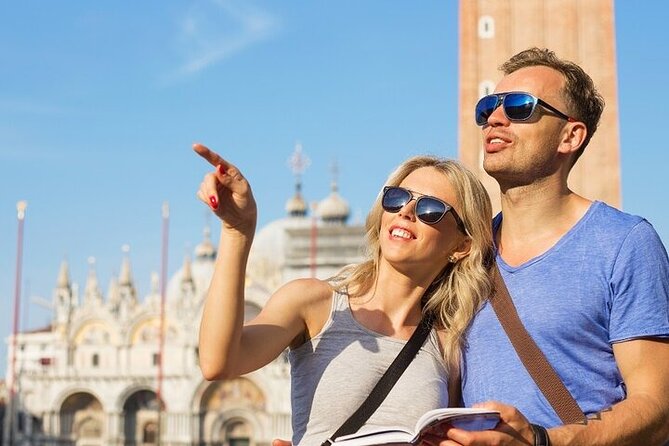
You start at Campo S. Luca, 4473, 30124 Venezia VE. That matters because it puts you in a practical Venice center—easy to find with nearby public transit. From there, you’re not just hopping between famous landmarks; you’re building a mental map of how bridges and canals connect.
In the first stretch, I’d treat it like your Venice warm-up. Listen for how your guide explains directions, neighborhoods, and sightlines. Many guides on this tour are praised for being adaptable—for example, some people note starting at a preferred meeting spot and handling route hiccups with updates—so you’ll get a tour that feels flexible rather than rigid.
Ponte di Rialto: the iconic view that sets your whole trip
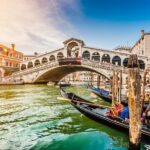
Your first true “wow” stop is Ponte di Rialto. It’s the classic Grand Canal crossroads: broad views down the waterway, crowds moving in every direction, and that particular Venice energy you only get at the big junctions.
This is also a great moment to learn how to look. A good guide will point out what you can photograph without turning your walk into a traffic jam. If you’re mapping your day, think of Rialto as your spine: later stops like Cannaregio and the Accademia area start to make more sense once Rialto is anchored in your head.
What to do at this stop: take your first wide shots, then do a second pass focusing on details like canal edges, bridge angles, and window views. It sounds basic, but it changes how you see Venice for the next day.
Rialto Market: shopping Venice, not just sightseeing it
Next you head to Mercati di Rialto. Here, you’re not chasing a museum; you’re watching daily Venice. The market setting gives you a feel for what locals buy—produce and seafood are the big themes—and it’s a natural place to pick up ideas for snacks and dinner later.
This stop works because it’s a contrast to the postcard bridge. You go from skyline and stone to storefronts and movement. And even if you don’t plan to eat there, it’s a useful way to understand Venice’s rhythm: trade, timing, and the way people move through tight spaces.
One practical note: Rialto Market can be busy, so if you’re photographing, give yourself a minute to find a safe angle. The guide’s job is to keep the flow smooth while you still get good views.
Basilica di Santa Maria Gloriosa dei Frari: art you can actually picture
Then comes Basilica di Santa Maria Gloriosa dei Frari. This is where the tour adds depth without dragging you into a long indoor slog. You’ll hear about major Renaissance art connected to Titian and Giovanni Bellini, and you’ll get context for why this church is a big deal in Venice.
Because this is a city walk (not a monument-intensive visit), you shouldn’t expect a full museum-style experience. Instead, you get the highlights that make later independent visits easier. That’s a real value if you want to see more on your own—your guide gives you the story, and you decide what to zoom in on.
How to make this stop pay off: look for the art connections your guide points out, then take a moment to orient yourself in the space. Even a quick, purposeful look can turn a name you’ve heard into something you recognize later.
You can also read our reviews of more guided tours in Venice



Campo San Bortolomio: a breather square with café rhythm
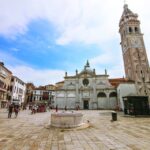
At Campo San Bortolomio, you slow down again. This is a charming square with cafes and shops, and it’s the kind of place where you can feel Venice’s everyday tempo. It’s also a smart pacing tool in the middle of a tour—perfect if your feet are starting to complain.
I like this stop because it reminds you that Venice isn’t only bridges and churches. It’s people sitting down, grabbing something quick, and continuing their day. If you want a clean pause for water or a quick gelato later, this is a decent point to plan it.
Chiesa della Madonna dell’Orto: quieter church time away from the loud route
After that, you’ll visit Chiesa della Madonna dell’Orto. This one is often described as a calmer, away-from-the-main-path kind of church. The atmosphere shift can be the most relaxing part of the entire walk.
You’ll see beautiful artwork and feel the difference from the heavier traffic zones. And since the tour is a city overview rather than a deep interior visit, it’s likely paced for quick appreciation—enough to spark curiosity, not enough to burn your energy.
Tip for your photos: churches can be tricky for light. Don’t fight the darkness—aim for steady angles and let the guide’s positioning help you avoid harsh shadows.
Cannaregio: the neighborhood you’ll want to revisit
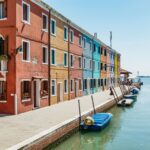
Now you step into Cannaregio, one of Venice’s best zones for feeling local life. You’ll get a taste of picturesque canals and historic buildings, plus the practical truth: trattorias here are where you can return for authentic Venetian meals.
This stop is valuable because it’s not only a scenic diversion. Cannaregio is where you can build a second day itinerary that doesn’t feel like repeating the same six icons. When you leave the tour, you’ll know the kind of lanes and canal views to aim for.
Several guides are praised for bringing in relevant Venice today, not just ancient names and dates. That matters here. Cannaregio feels like Venice you can live inside—if only for an afternoon.
Teatro La Fenice: opera house elegance, explained for real-world context
Next is Teatro La Fenice, the famous opera house. Even if opera isn’t your thing, it’s a symbol of Venice’s cultural heritage and artistic intensity. The guide’s job is to connect the building to the city, not just recite facts.
Because this tour isn’t about going deep inside monuments, you’ll likely focus on orientation and outside impressions rather than a full guided interior program. Still, it’s a great stop for understanding Venice as a place where art isn’t separate from daily life—it’s woven in.
If you care about tickets later: this tour also includes team help to book tickets for visits you want on your own. So you can use this stop to decide if you want to plan an opera night.
Scala Contarini del Bovolo: climb for rooftop views and hidden courtyards
Then comes the physical payoff: Scala Contarini del Bovolo. It’s known for its unique spiral staircase, and the reward is views over rooftops and hidden courtyards. This is the stop where your phone battery starts earning its keep.
You’ll want to move carefully here—staircases are narrow and the path is tight. But that’s also why it feels special: you’re experiencing a distinctive Venice element, not just looking at it from street level.
If you’re taking photos, aim for a quick sweep up top rather than lingering too long in one spot. The guide can help you time your look so you don’t miss the best angles.
Basilica di Santa Maria della Salute: the Grand Canal gateway view
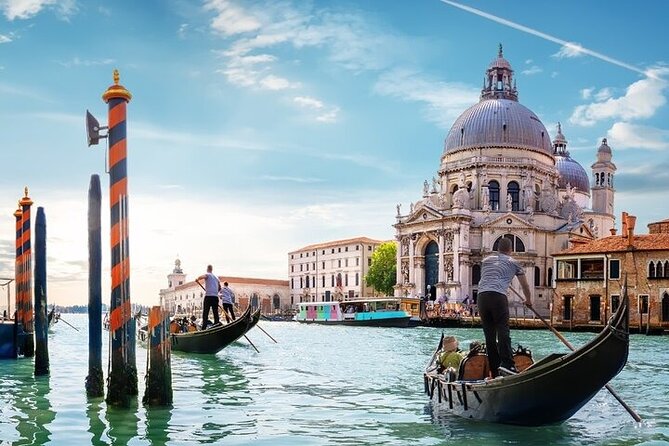
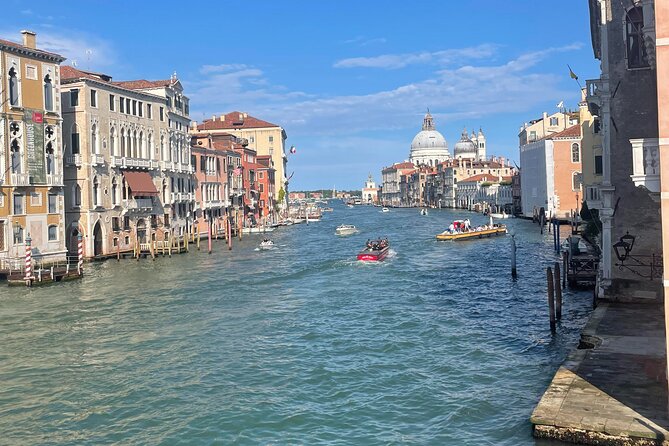
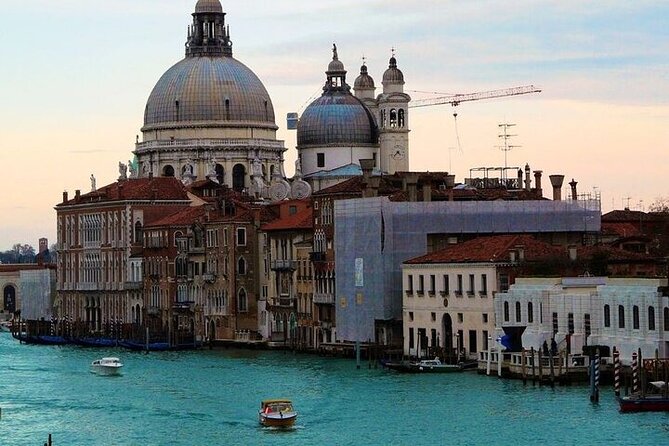
Next is Basilica di Santa Maria della Salute, positioned at the entrance to the Grand Canal. This stop gives you a majestic skyline view and a sense of how the city opens and funnels around big waterways.
I like this placement because it ties the route together. Earlier you’re in Rialto and markets, then in local neighborhoods, then back toward the canal-facing sights. Here, everything starts to look connected.
Take a minute to look outward. Venice photos often fail because people shoot too close. This is one of the stops where you benefit from stepping back and letting the architecture frame the water.
Ponte dell’Accademia: the bridge that shows Venice as a water-city
After Salute, you cross near Ponte dell’Accademia. This is a historic bridge with excellent views over the canals and surrounding palaces. It’s one of those places where you realize Venice isn’t built for cars—it’s built for angles, walking routes, and moving water.
This stop is also a good “wrap-up view” before you go into the final church. You see the city’s layers—waterfront lines, building heights, and how bridges stitch the neighborhoods together.
Photo tip: if you can, shoot from a position that includes both the canal curve and the far-side architecture. It looks more like Venice and less like generic canal water.
Chiesa di San Zaccaria and finishing strong
Your last stop is Chiesa di San Zaccaria. It’s another chance to appreciate Venetian artworks and centuries of tradition—ending the route with a sense of continuity, not just a random finale.
After this, the tour activity ends back at the original meeting area at Campo S. Luca. That closing loop is handy: you don’t get dumped in the far edge of town, and it’s easier to keep moving on your own plans.
If you’re tired, this is the moment to slow down your pace. Let your guide’s explanation land, then head off for a meal or a rest without rushing.
Price and value: what $41.94 really buys you
At $41.94 per person for about 3 hours, the value here is the live guidance, the route design, and the ability to ask questions. A lot of Venice tours cost more because they add time-sucking stops or require paid entries. This one keeps things practical: many stops are free to access, and the tour focuses on what you can see and understand on foot.
You’re also not locked into a single rigid script. The tour offers customization, and it can be private or small group, with your group participating only. That’s meaningful in a city where even ten minutes of extra wandering can cost you half a day.
For me, the best “value” part is this: you leave with a map in your head. You know where Cannaregio sits, what Rialto connects to, and which viewpoints are worth revisiting. That’s worth more than checking boxes.
Guide quality matters: from Fabio to Sneh and Nicoletta
One reason this tour gets high marks is that the guides tend to combine facts with a human pace. People highlight guides like Fabio for warm, informative storytelling, and Sneh (Sneh Wayne) for staying engaging while mixing history with what Venice is like today. Nicoletta is praised for speaking excellent French, and Vittorio gets credit for helping even a 15-year-old stay interested.
You’ll also see praise for guides who go beyond the walk: one person described getting restaurant and gelateria recommendations by text after the tour. Another noted that the guide was adaptable and handled route changes with frequent updates when travel access got interrupted due to an event.
So yes, the route is solid. But in Venice, the guide is half the product. This is one of those tours where choosing the right person makes the experience feel smoother.
Who this tour fits best (and who should rethink it)
This tour is ideal if you want an efficient first-or-second day plan that gives you both the big sights and the quieter areas to return to. It’s also a strong fit for people who like asking questions without feeling rushed.
You might rethink it if you hate stairs or long walking days. The route includes a spiral staircase stop, and it’s a steady walking loop. Also, because it’s a city overview (not a “go inside everything” plan), if you’re craving long, ticketed monument time, you’ll need to add that separately.
Should you book this Venice walking tour?
I think you should book it if you want Venice at a smart pace: iconic landmarks, market atmosphere, and a neighborhood like Cannaregio that you can explore later with less guesswork. The price feels fair for a guided route that includes major viewpoints like Rialto, La Salute, and the Accademia area, plus the payoff climb of Scala Contarini del Bovolo.
Skip it only if your priority is sitting down in museums all day or if your walking stamina is low. If you can handle three hours on foot, this tour is a strong way to get your bearings and leave with a plan.
FAQ
How long is the Venice Must See Attractions Walking Tour?
It’s about 3 hours.
What does the tour cost per person?
The price is $41.94 per person.
Is this tour private or group-based?
It’s available as a private or small group tour. Only your group participates, and a minimum of 2 participants is required for the group option.
Where does the tour start?
The meeting point is Campo S. Luca, 4473, 30124 Venezia VE, Italy.
Where does the tour end?
The tour ends back at the meeting point.
Is monument or museum entry included?
No. It’s a city tour, not a tour inside monuments, and entry to monuments and museums is not included.
Are there any included tickets?
The tour includes help from the team to book tickets for the visits you want, but entry tickets are not listed as included in the tour price.
What languages are available for the guide?
The guide is offered in English, Spanish, French, German, and Italian.
Do I need to bring a paper ticket?
A mobile ticket is provided.
What’s the cancellation policy?
You can cancel up to 24 hours in advance for a full refund.
If you want, tell me your travel dates and whether you’re doing Venice in one or two days, and I’ll suggest where this tour fits best into your plan.