REVIEW · VENICE
Venice: Lords of the Night Prison’s Palace Cells & Tortures
Book on GetYourGuide →Operated by CITY TOURS CO LTD · Bookable on GetYourGuide
A prison tour in Venice can sound grim. Then you step inside Piazza San Marco’s old jail and it turns into sharp, real-world history you can walk through. I love the chance to see actual cells (not just photos) and hear the Casanova story connected to this place. My only caution: the subject matter is heavy, and parts of the exhibits focus on torture devices.
This is a great match for people who like facts tied to specific rooms, not vague museum talk. The visit runs through courtroom spaces and underground-feeling cell areas, with graffiti you can actually look at and a guide who explains what life was like for prisoners. If you want softer, purely scenic Venice, this is probably not your pick.
In This Review
- The Prison Palace Cells: what makes this tour feel different
- Key highlights that are actually worth planning around
- Finding the Prison Palace at San Marco without stress
- What you see inside: courtroom energy, then the cells
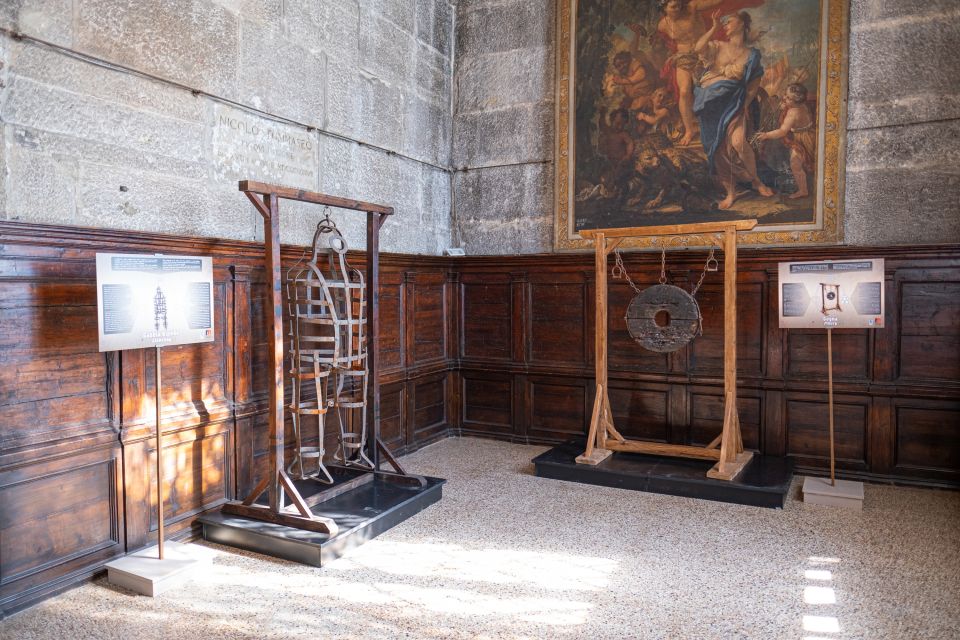
- The torture rooms: morbid artifacts, explained in context
- The secret 1500s path you can’t miss
- Casanova’s jailbreak story: the thread that ties it together
- The Lords of the Night and the Council of Ten
- Skip what matters: Bridge of Sighs and Doge’s Palace access
- Duration and pacing: plan for under an hour (and bring patience)
- Guided tour vs audio guide: which option fits you
- Who the guides are (and why that affects your experience)
- Price and value in Venice: why $11 can make sense
- Who should book, and who might want a different day
- Practical tips to get the most from your visit
- Should you book this Venice Prison Palace tour?
- FAQ
- Where do I meet for the Prison Palace tour near San Marco?
- What’s included with skip-the-line entry?
- Is the Bridge of Sighs included?
- Is the Doge’s Palace included?
- Are there audio guides, and what languages are available?
- What languages can the live guide use?
- Is this tour suitable for people with mobility impairments?
The Prison Palace Cells: what makes this tour feel different
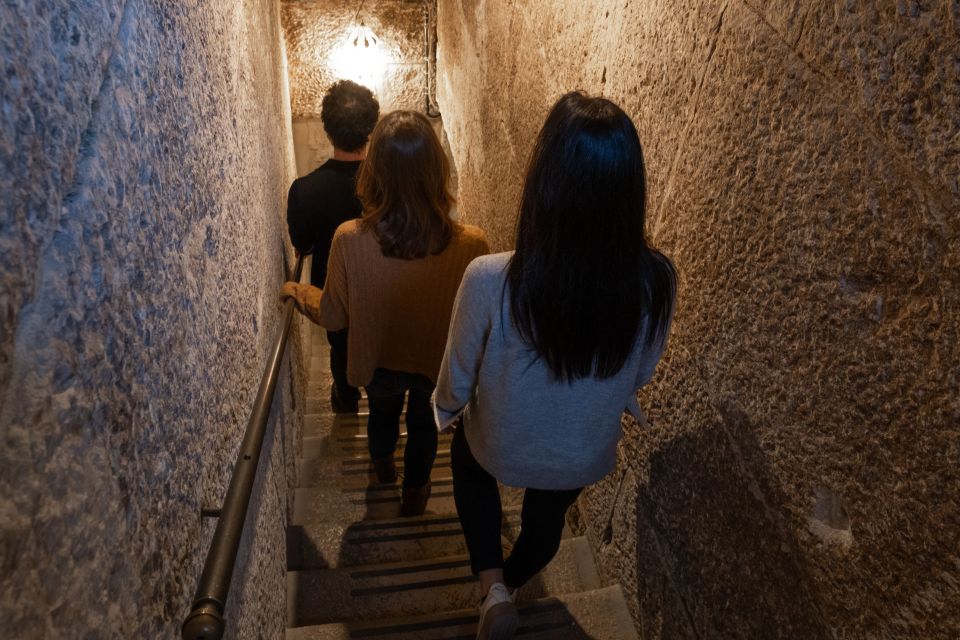
Venice built its justice system into stone, and this site still shows how power worked in the Venetian Republic. You’re touring an early prison linked to major authorities, and you’ll move through spaces that feel more like a working system than a staged exhibit.
Two things stand out fast. First, you get to enter dark cells and see the imprisonment setup close up. Second, you’re not just watching a lecture; you’re walking a route that includes the courtroom atmosphere and the torture-room material.
That “walk-through” approach matters. It turns abstract words like punishment and detention into something you can picture: where people slept, what they ate and drank, and how verdicts played out in an official setting.
Key highlights that are actually worth planning around
- Small-group access through prison spaces near San Marco, including courtroom and cell areas
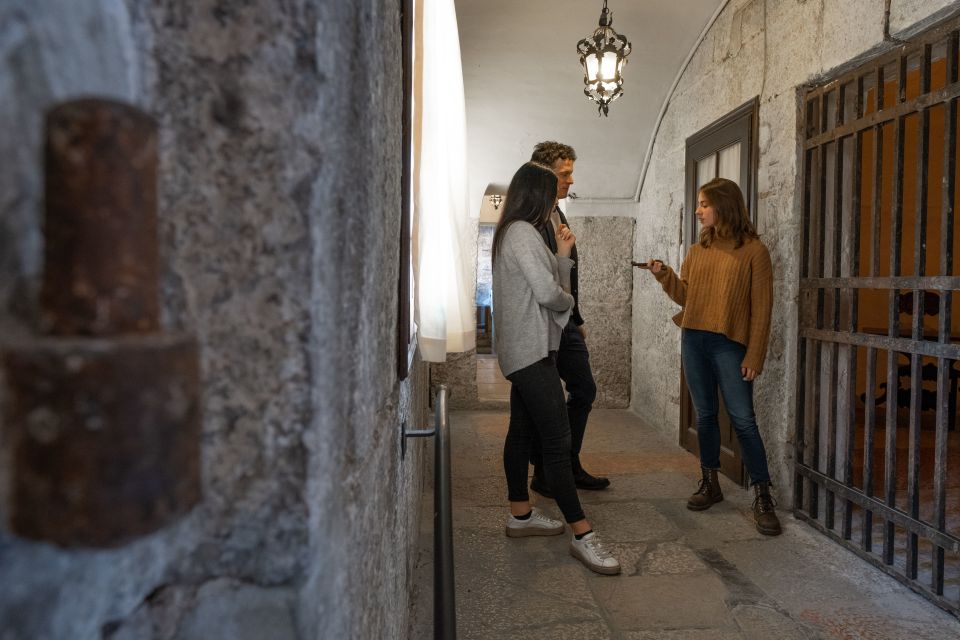
- Real cells and inmate graffiti that make the past feel disturbingly tangible
- A secret 1500s passage route that has not been open to the public until now
- Casanova’s arrest and jailbreak story tied directly to the Lords of the Night
- Council of Ten context explaining how justice was overseen in Venetian domains
- Torture-room exhibits across two floors, letting you see a range of devices
You can also read our reviews of more evening experiences in Venice



Finding the Prison Palace at San Marco without stress

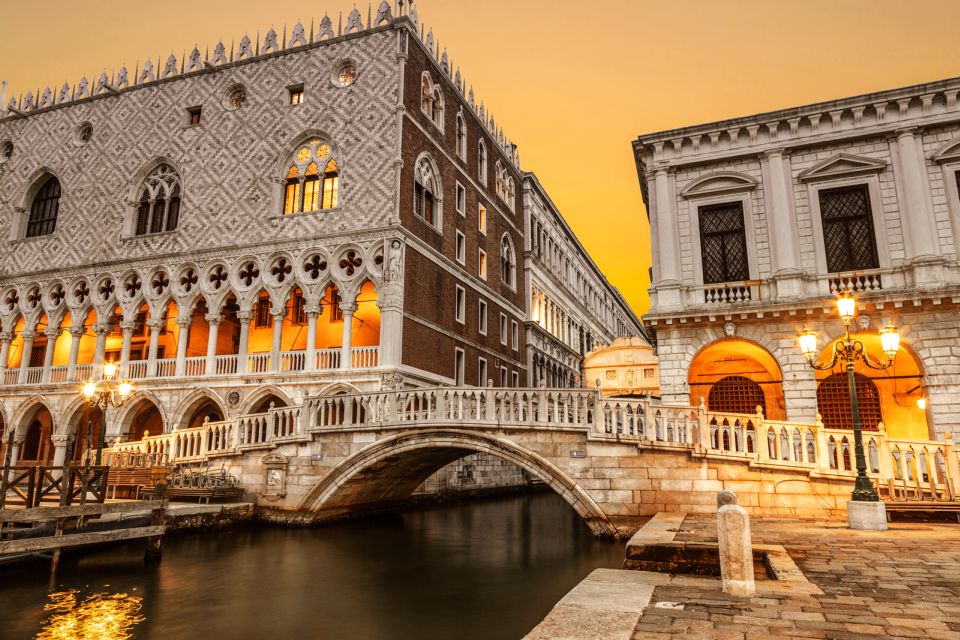
This is one of those tours where getting your bearings quickly pays off. The meeting point is at the Prison Palace entrance near San Marco Square. To get there, cross the bridge on the right side of the entrance area of the Doge’s Palace.
If you’re standing in Piazza San Marco with the Doge’s Palace in front of you and the San Marco basin behind you, head right. Cross the bridge, then look left for the entrance of the Palazzo delle Prigioni.
Plan to arrive a few minutes early. Several reviews hint that entry and upstairs-downstairs movement can feel confusing if you’re not expecting it, so a little buffer helps you settle in before the group starts.
What you see inside: courtroom energy, then the cells
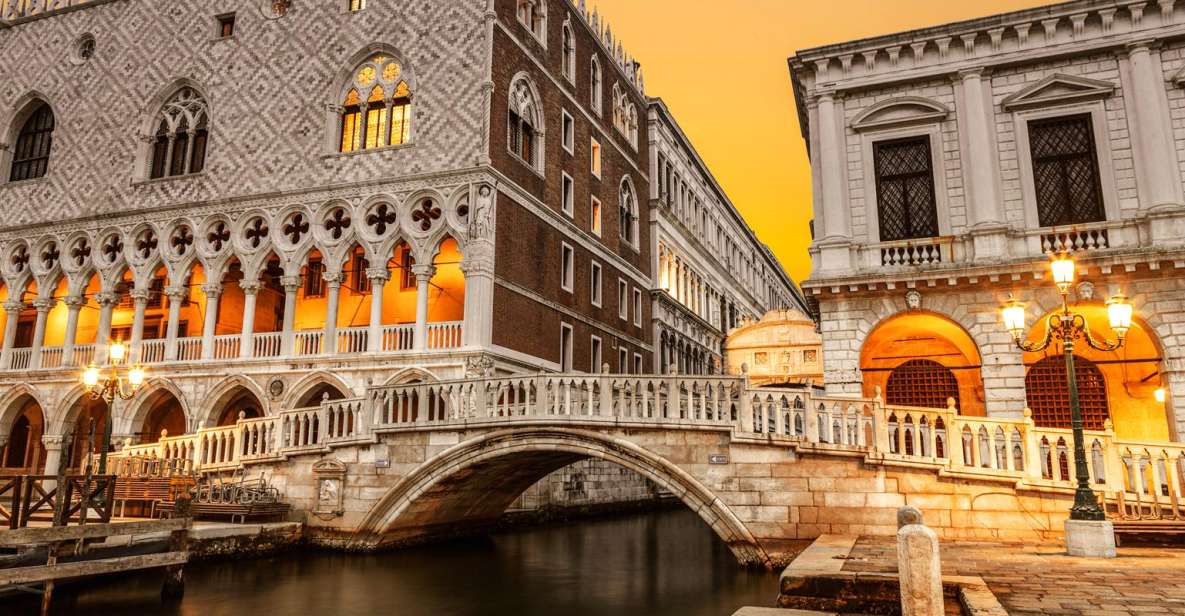
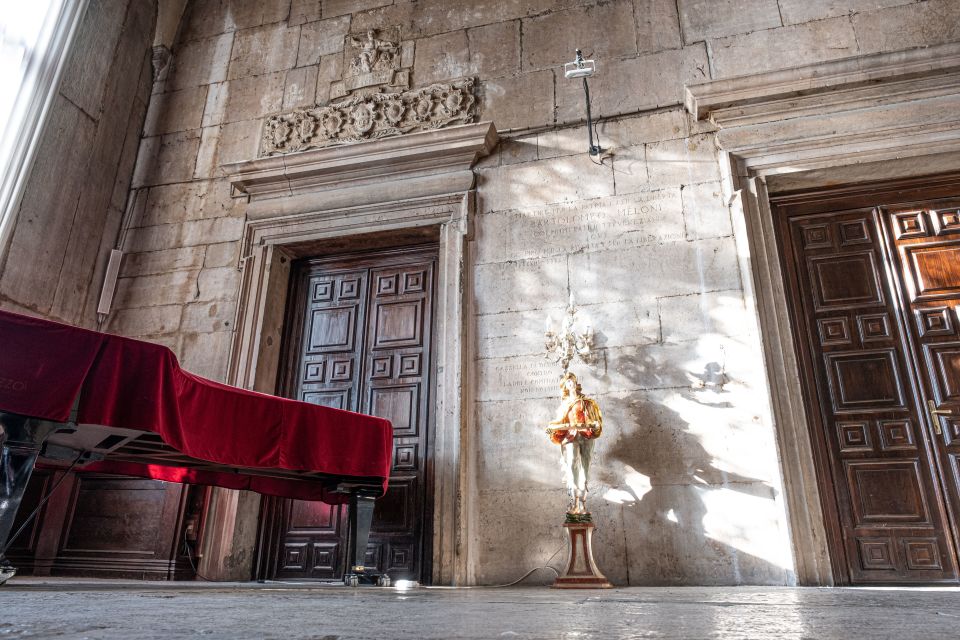
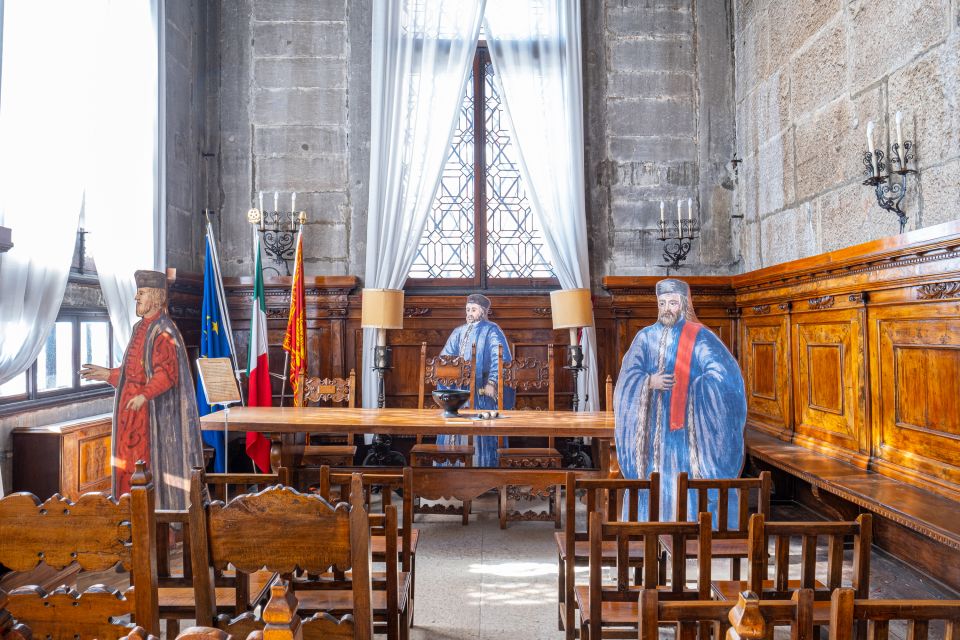
Your route is built around the idea of Venetian justice as a process. You start in imposing courtroom areas and then shift into spaces designed to contain people.
Inside, you’ll learn what prisoners ate and drank and where they slept. You’ll also see actual graffiti left by inmates, which gives you a human layer that mere object displays can’t match.
One practical perk: the guided version tends to keep the pace tight, which helps in a site like this. Reviews commonly describe short visit lengths, around an hour or even less, so it’s easier to fit into a day packed with classic Venice sights.
The torture rooms: morbid artifacts, explained in context
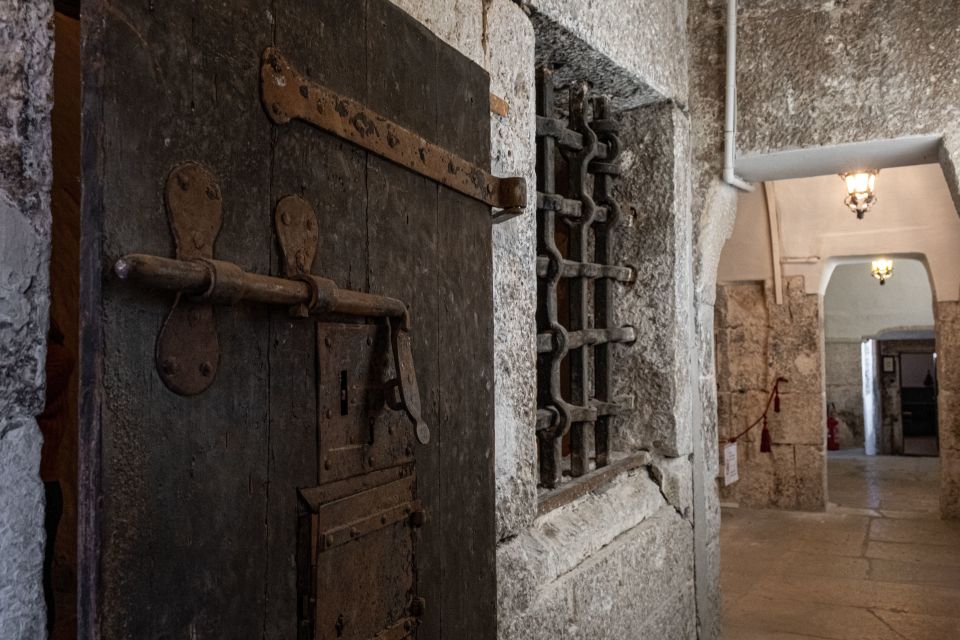
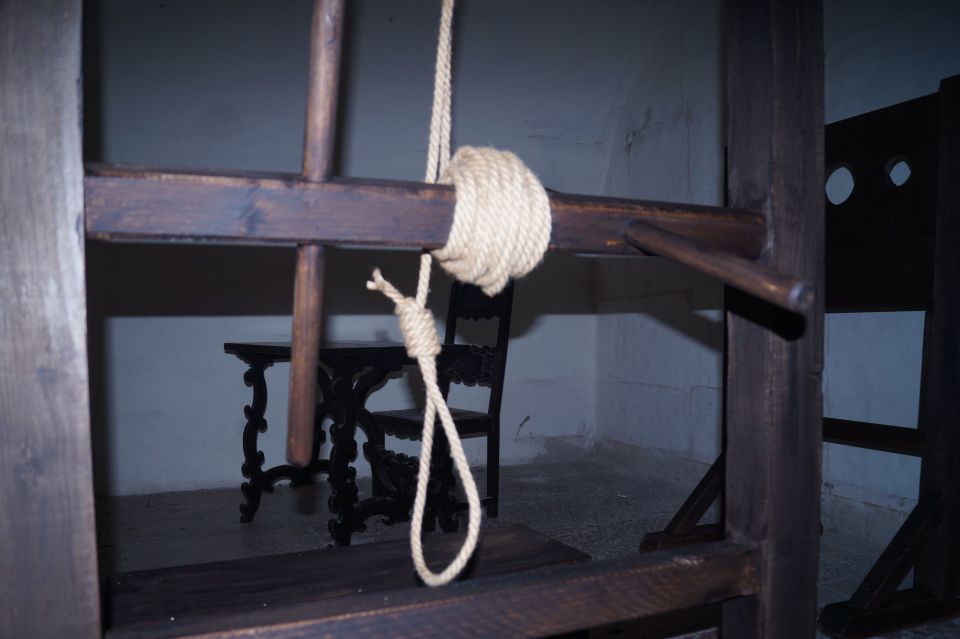
This prison experience isn’t shy about showing what punishment looked like. You’ll encounter torture devices presented through the exhibit areas, including items attributed to different periods (and at least some displayed across multiple floors).
It can be gruesome, so here’s the key balance point. This tour is not trying to shock you for fun; it uses the objects to explain what authorities did and why the system was feared.
If you’re sensitive to graphic material, you might want to approach slowly. Also note that the tour has a “short and sharp” structure, which means you’ll see a lot of intense content with limited time for emotional decompression.
The secret 1500s path you can’t miss
One of the standout promises here is a secret passage from the 1500s between prisons. This is described as a route that hasn’t been open to the public until now.
Why it’s worth it: passages like this change the feeling of the visit. Instead of viewing rooms as separate exhibits, you start to understand the system as connected spaces—movement, transfer, control.
If you like “how things worked” more than “what things were,” this portion is a big part of the value.






Casanova’s jailbreak story: the thread that ties it together
The tour links the Lords of the Night to famous events, including the story of Casanova’s arrest and his jailbreak. That narrative hook is one reason the visit doesn’t feel like a random walk through dark rooms.
Casanova works as a human entry point into a system that otherwise sounds distant. You hear myths and legends tied to the walls, but the emphasis stays on explaining how the justice machinery operated.
This is also where many guides seem to shine in reviews. People praised the way guides answered questions in real time and kept the story moving without turning it into pure sensationalism.
The Lords of the Night and the Council of Ten
Venice’s justice system wasn’t one single judge—it was political power acting through structured bodies. You’ll hear about the Council of the Ten, described as the highest political authority overseeing justice across Venetian domains.
Even if you’re not a Venice-government nerd, this context helps you connect details. Once you understand who held authority, the courtroom tone makes more sense, and the prison design feels less like “random cruelty” and more like planned control.
Skip what matters: Bridge of Sighs and Doge’s Palace access
This tour includes skip-the-line entry to the Prison’s Palace, but it does not include access to the Bridge of Sighs or the Doge’s Palace.
That matters for planning. If your heart is set on doing the Bridge of Sighs walk or spending time inside the Doge’s Palace rooms, you’ll need separate plans for those. The prison site is its own experience, and trying to stack everything in one go can lead to a rushed day.
For many people, this is still ideal value because it focuses on prison spaces themselves. You’re paying for the specific kind of access you care about: cells, courtroom spaces, and the exhibit route.
Duration and pacing: plan for under an hour (and bring patience)
The ticket is valid for 1 day, but the actual tour feel is short. Reviews often describe the visit as about 45 minutes to around an hour, with some groups noting it can be quick but still absorbing.
That pacing is actually a plus if your Venice day is already scheduled. It’s one of the easier “serious stop” attractions to fit between other sights.
Two scheduling tips based on what’s been experienced by others:
- If you get a guided tour, pay attention early—meeting point confusion can cost minutes.
- If you choose audio-only or don’t have a guide, you can still get around the site, but you may miss the extra explanation that guides add.
Guided tour vs audio guide: which option fits you
This activity can include a live guide (English, Italian) and/or an optional audio guide. The audio guide is available in multiple languages (English, French, Spanish, Italian).
Here’s how I’d choose. If you like asking questions and want stories connected to what you’re seeing, go for the guided option. Reviews repeatedly mention guides who explained objects and rooms with real enthusiasm, and who took time to answer questions.
If you prefer to move at your own pace, the audio guide can work well, especially when you’re comfortable reading exhibit info. Just know that with a self-paced visit, you’ll be doing more of the interpretive work yourself.
Who the guides are (and why that affects your experience)
Guides seem to play a big role in how satisfying this tour feels. Reviews name people such as Julia, Greta, Charlotte, Kristian/Kristian (also listed as Christian by at least one reviewer), and Tiziana.
That tells you something practical: you’re not just buying entry. You’re buying a human interpretation of dark spaces, objects, and stories.
In reviews, guides are described as keeping the visit fun while still factual, and as making the setting easier to process without turning it into a joke. If humor is your coping mechanism (totally normal in a prison-torture context), that’s a real advantage.
Price and value in Venice: why $11 can make sense
At $11 per person, this is priced like a smart add-on rather than a huge-ticket attraction. What you get is focused access through the prison site, plus the possibility of a guided or audio explanation depending on the option you choose.
Skip-the-line entry also improves the value. Venice lines can eat time, and this type of visit is short enough that losing 30 minutes to waiting can feel like you didn’t buy what you thought you bought.
The tradeoff is also clear: it’s not a full-day Doge’s Palace + Bridge combo. It’s a prison-experience stop, built to be intense and efficient.
Who should book, and who might want a different day
This is best for people who like criminal justice history, real artifacts, and story-driven tours tied to specific rooms. If you like Venice beyond canals and masks—if you’re curious how the Republic ran power—this is a strong match.
It’s less ideal if you’re easily disturbed by torture devices or strongly prefer gentle, light experiences. Also note the tour is not recommended for limited mobility, and it’s not suitable for people with mobility impairments.
On the other hand, some reviews mention the tour working for mixed groups that included children. That doesn’t mean it’s automatically a family-friendly choice for every kid—it just suggests the route is possible for younger audiences when they can handle intense themes.
Practical tips to get the most from your visit
- Expect dim, prison-like spaces, including cell areas, so treat it like an indoor attraction first.
- If you care about the details, book the guided option; many reviews point out that guides explain things not shown on placards.
- If you’re sensitive to heavy content, give yourself space after the tour before jumping into an energetic Venice walk.
- Wear comfortable shoes. The route includes moving through multiple areas, and reviews suggest stairs can be part of the experience.
Also, since the tour could be bilingual, stay alert to language flow. It’s not always a single-language-only situation, so choose the option that best fits how you want to listen.
Should you book this Venice Prison Palace tour?
Book it if you want a direct, room-by-room look at how Venice jailed people, with Casanova’s story as your narrative thread. The chance to see cells, graffiti, and a secret 1500s passage makes it feel more than just a standard museum stop.
Skip it if you dislike torture-themed exhibits or you need a lighter Venice day. And if mobility is a concern, choose a different attraction that fits you better, since this one is clearly not designed for that.
If you do book it, pair it with nearby San Marco sights. This is the kind of stop that sharpens the rest of your day, because you’ll look at the city’s official spaces with a new sense of how power and punishment were built into daily life.
FAQ
Where do I meet for the Prison Palace tour near San Marco?
Meet at the Prison Palace close to San Marco Square. From Piazza San Marco, head right, cross the bridge near the Doge’s Palace entrance, and you’ll see the Prison’s Palace entrance on the left.
What’s included with skip-the-line entry?
You get skip-the-line entry to the Prison’s Palace. A live guided tour and/or an audio guide are included only if you select those options.
Is the Bridge of Sighs included?
No. Access to the Bridge of Sighs is not included.
Is the Doge’s Palace included?
No. Access to the Doge’s Palace is not included.
Are there audio guides, and what languages are available?
Yes, an optional audio guide is available in English, French, Spanish, and Italian.
What languages can the live guide use?
The live guide option is offered in Italian and English.
Is this tour suitable for people with mobility impairments?
No. It is not suitable for people with mobility impairments, and it is also not recommended for people with limited mobility.