REVIEW · VENICE
Venice: After-Hours St. Mark’s & Doge’s Palace VIP Tour
Book on GetYourGuide →Operated by Walks of Italy · Bookable on GetYourGuide
Golden mosaics feel different after hours. On this after-hours Venice tour, you slip into St. Mark’s Basilica and the Doge’s Palace when the crowds thin out, and the buildings feel almost personal. I love the low-crowd access (no lines, much quieter rooms) and I love how the guide turns art into stories, from secret passages to the prisoners. One possible drawback: you should plan for a lot of walking and late-day variables like cold, closures, or occasional flooding.
Meeting up near Piazza San Marco is simple, and the tour is led in English with a live guide. You might be guided by locals who are known for story-style history, including names like Roberta, Elena, and Nico B. Still, this is a religious site with strict dress rules—cover up, or you may be turned away.
This is also a true evening experience. There can be a break of up to 1.5 hours between the Doge’s Palace and St. Mark’s Basilica, so build your dinner plans around that rhythm rather than expecting constant motion.
In This Review
- Key things I’d pay attention to
- When to see St. Mark’s Basilica: night lights vs day crowds
- The Doge’s Palace: where Venetian power really sat
- Bridge of Sighs from inside: less romance, more explanation
- New Prisons and the spooky side of the palace
- From chamber frescoes to the crypt: St. Mark’s specifics that matter
- Practical realities: what to wear, how to pace yourself
- Value check: is $157.47 worth it for this VIP-style access?
- Who this tour suits best (and who should skip it)
- Should you book: my decision rule
- FAQ
- How long is the tour?
- Where does the tour meet?
- Does the tour include entry to both St. Mark’s Basilica and the Doge’s Palace?
- Is there a live guide?
- What’s included and what’s not included?
- Does the tour skip ticket lines?
- What should I wear or bring for St. Mark’s Basilica?
- Are shorts or sleeveless shirts allowed?
- Is the tour suitable for wheelchair users or mobility impairments?
- What happens if high tides affect the tour?
Key things I’d pay attention to
- After-hours entry: St. Mark’s Basilica is accessed after closing, so it’s calmer and easier to see details.
- Doge’s Palace rooms, not just photos: you get the power centers—Great Council Hall, apartments/meeting spaces, and more.
- Bridge of Sighs from the inside: you don’t just see the bridge; you learn why it is less romantic than the postcards.
- Pala d’Oro without the daytime crush: the gold altarpiece area is quieter at night, so you can actually look.
- Walking + timing matter: comfort shoes are a must, and there may be a mid-tour pause before St. Mark’s.
When to see St. Mark’s Basilica: night lights vs day crowds
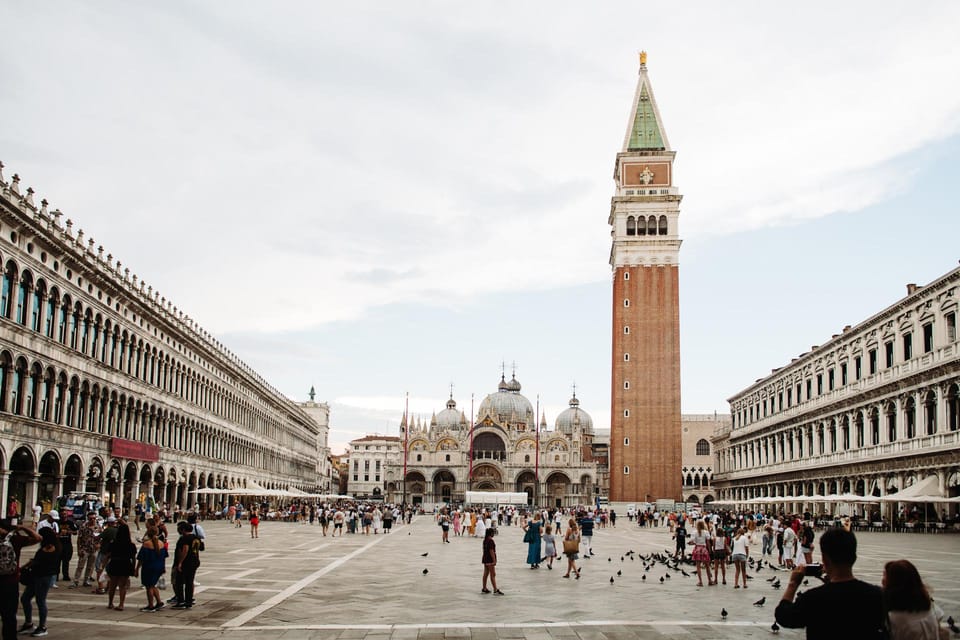
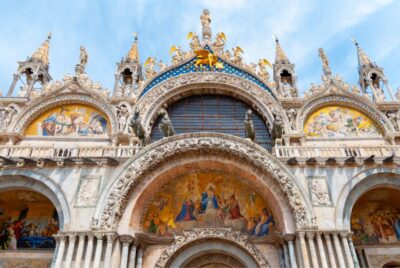
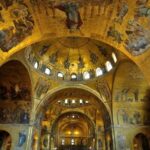
St. Mark’s Basilica is one of those places where timing changes everything. In daylight, you often spend more time orbiting people than studying mosaics. On this tour, you visit after closing, when the atmosphere shifts and the building feels less like a busy landmark and more like a living chapel.
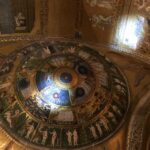
One of the best parts is the way the interior feels as the light changes. Several guides described the experience as magical when the lights come on in stages, revealing the golden surfaces above you. That matters because St. Mark’s isn’t just pretty. Those mosaics are tiny stories packed into gold backgrounds, and night makes the details easier to appreciate without the constant shoulder-to-shoulder problem.
Just remember the basilica is still a place of worship. You must cover shoulders and knees, and a scarf or shawl works. Also, if you’re hit by a closure due to holy observances or flooding/high tides, the tour may adjust—or in rare cases, certain areas may not be accessible.
You can also read our reviews of more tours and experiences in Venice


The Doge’s Palace: where Venetian power really sat
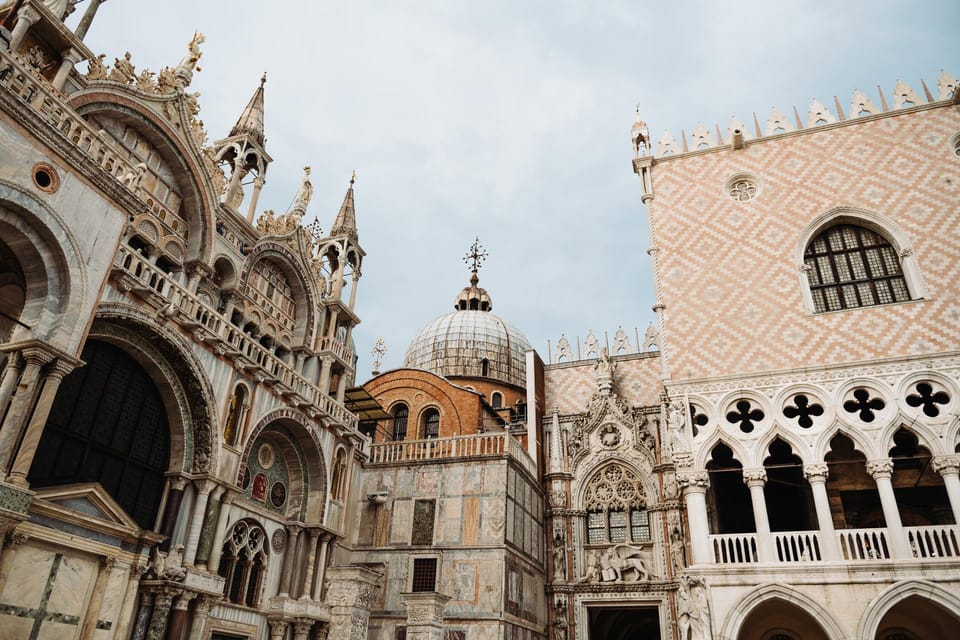
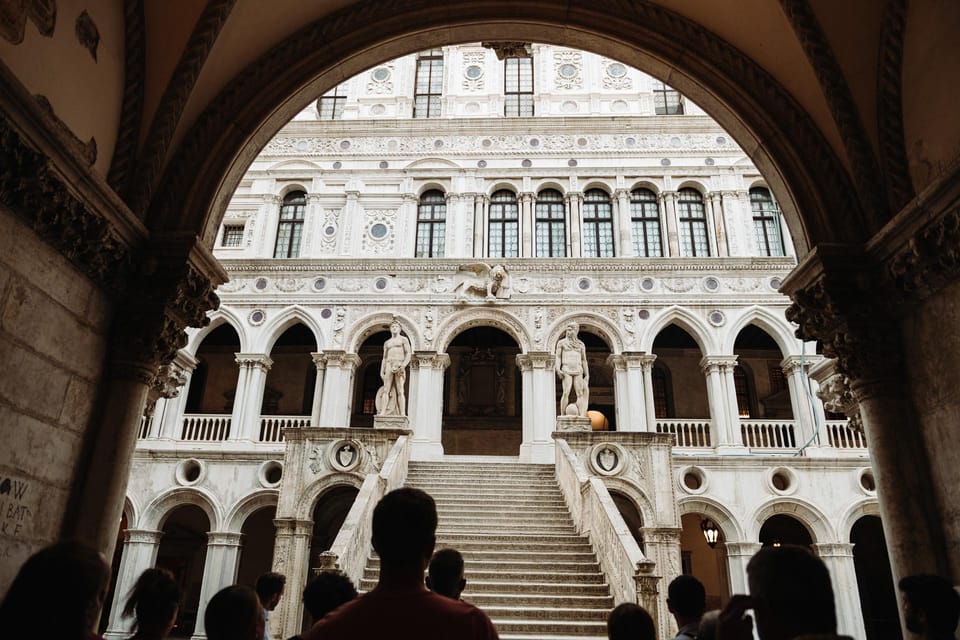
The Doge’s Palace isn’t only about grandeur. It’s about control—who held power, how they ran a vast maritime empire, and what they did to protect it. This tour takes you through the major spaces that explain how the Venetian Republic worked, not just the most Instagrammable corners.
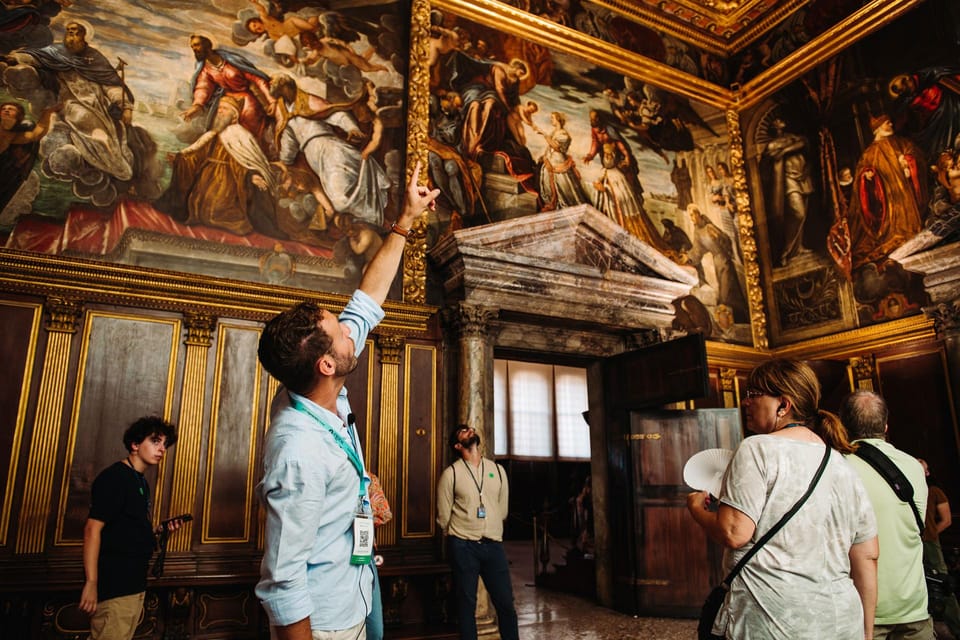
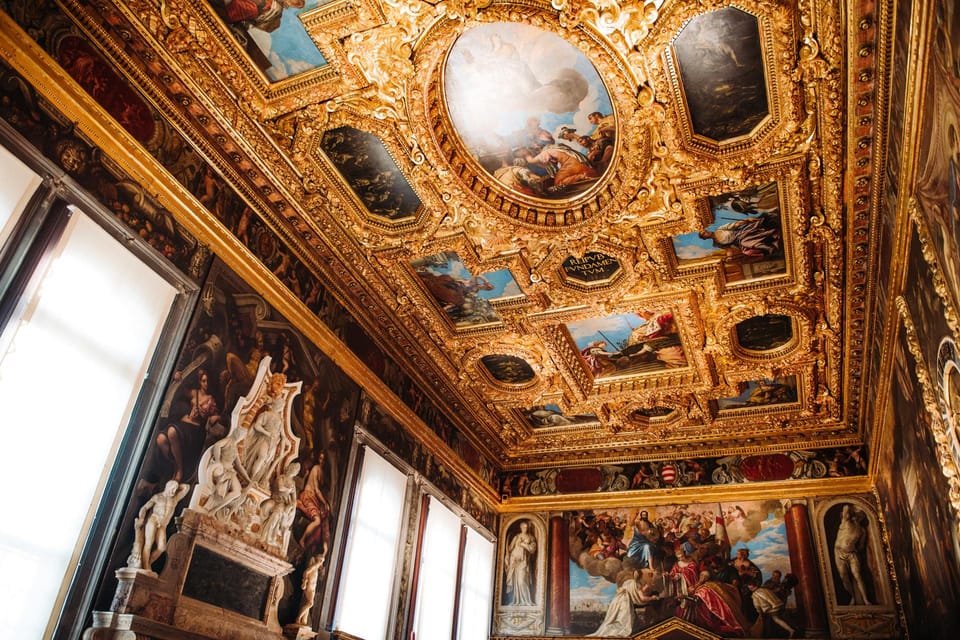
In the Great Council Hall, you’ll see frescoes by major artists including Veronese and Tintoretto, and you’ll learn what they were showing and why. The key is that the guide doesn’t treat the art like wallpaper. You get context—like how specific figures are portrayed, including why one doge in the painted series is covered by a black veil. That kind of detail turns the hall from impressive to understandable.
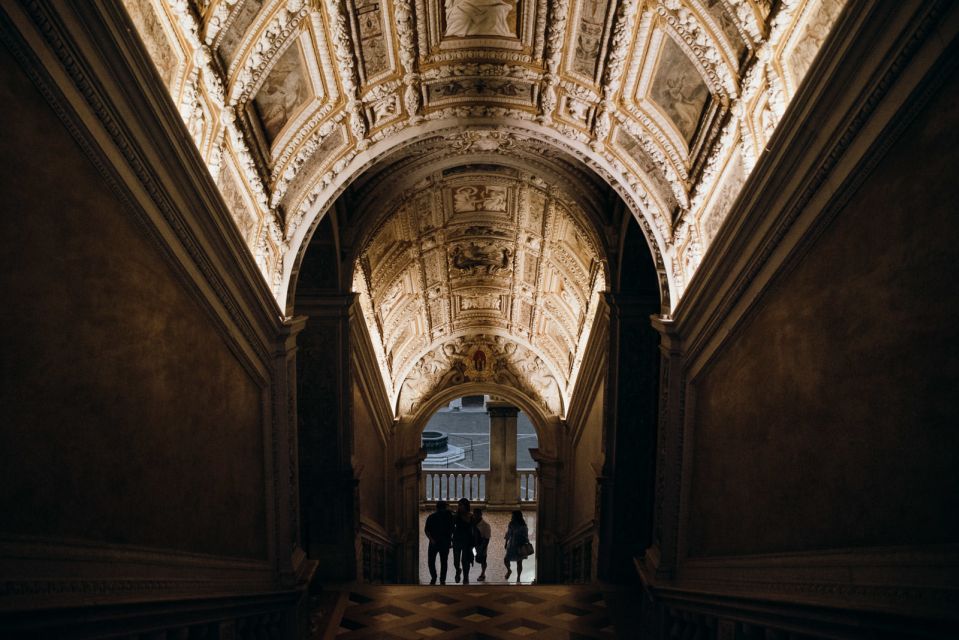
You also get to see the lavish apartments and meeting halls of the rulers. It helps you grasp the contrast: the palace is both a home for authority and a machine for governance. And since this is an after-hours-style visit, you’re more likely to have room to look—especially compared with the daytime crush.
Bridge of Sighs from inside: less romance, more explanation
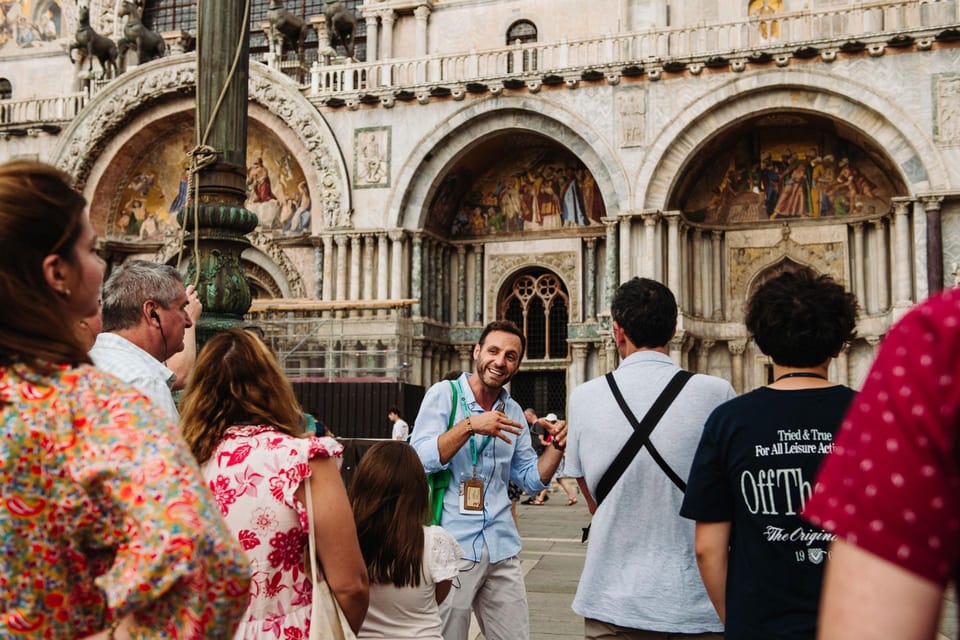
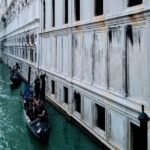
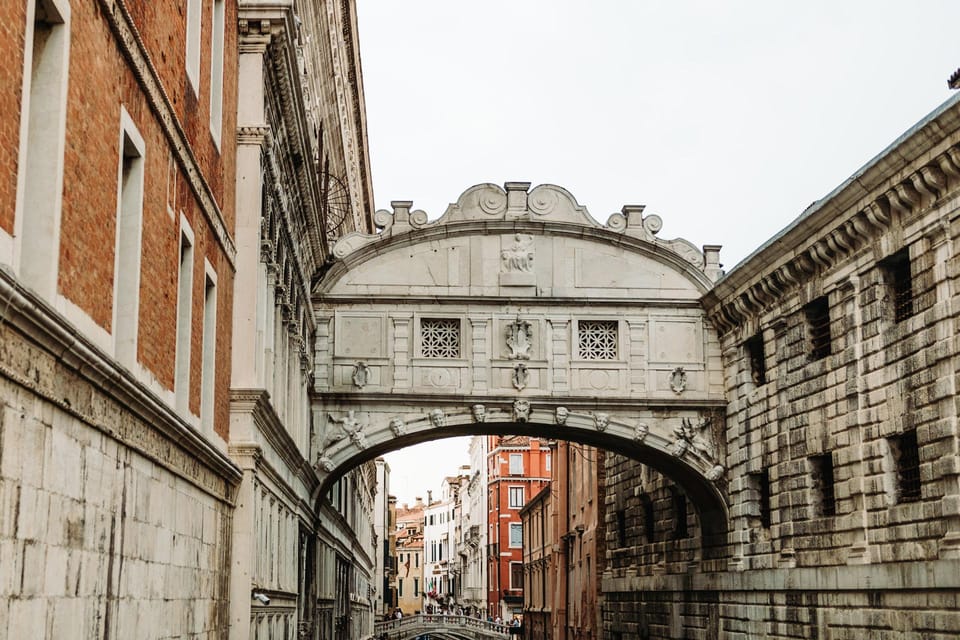
The Bridge of Sighs is famous for a reason, but the legend can make it feel like a movie scene. This tour is worth it because you walk across the bridge from the inside, and then you hear the story behind what you’re actually looking at.
Why it’s less romantic: the bridge connects spaces linked to punishment and confinement. It’s part of the palace’s justice system, not just an architectural love note. Hearing that while you’re physically there changes your mental picture fast. It’s one of those moments where the building teaches you history in the most literal way.
If you’ve ever visited the palace and felt like you only understood it halfway, this bridge segment usually fixes that. It gives you a narrative thread between the rule-making rooms and the darker side of Venetian justice.
New Prisons and the spooky side of the palace
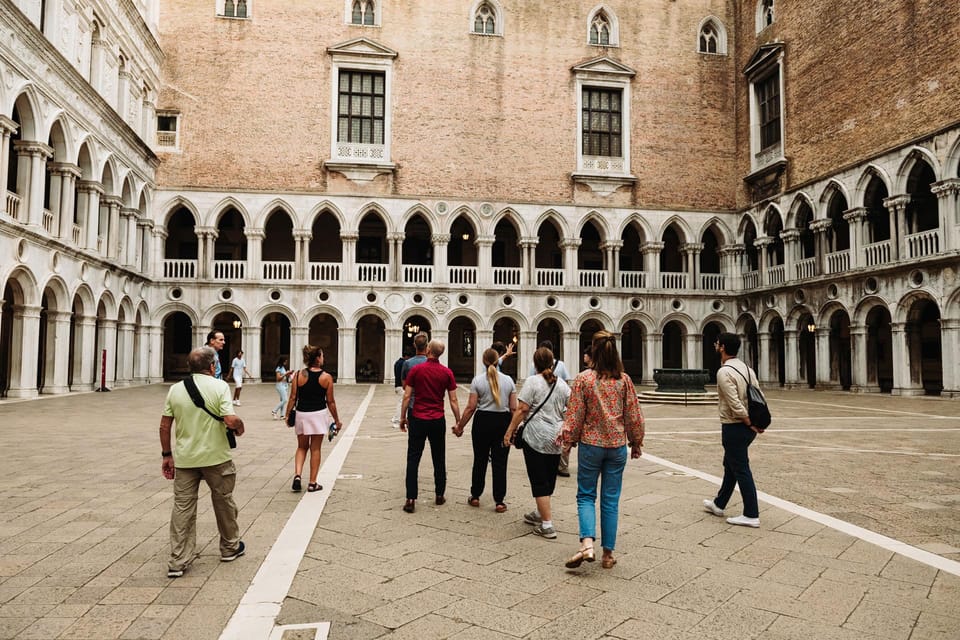
The palace’s prisons are the kind of stop that makes you slow down without trying. Venice had a reputation for style, but it also had consequences. Here you’ll get guided access to areas tied to imprisonment—often described as spooky, which is fair. The atmosphere, the design, and the stories make it feel heavy.
Even if you’re not a true crime person, the prisons add a necessary balance. They help you see how governance worked in practice, not just in speeches and paintings. And because you’re not trapped inside a nonstop crowd, you can actually take in the layout and details instead of rushing through.
One thing to keep in mind: the palace can have occasional access restrictions. If private events or internal closures happen, the tour may not be able to access every area, and there’s no guarantee for refunds in those beyond-control situations. Still, the core palace experience is typically the point of this tour, and it usually delivers.
From chamber frescoes to the crypt: St. Mark’s specifics that matter
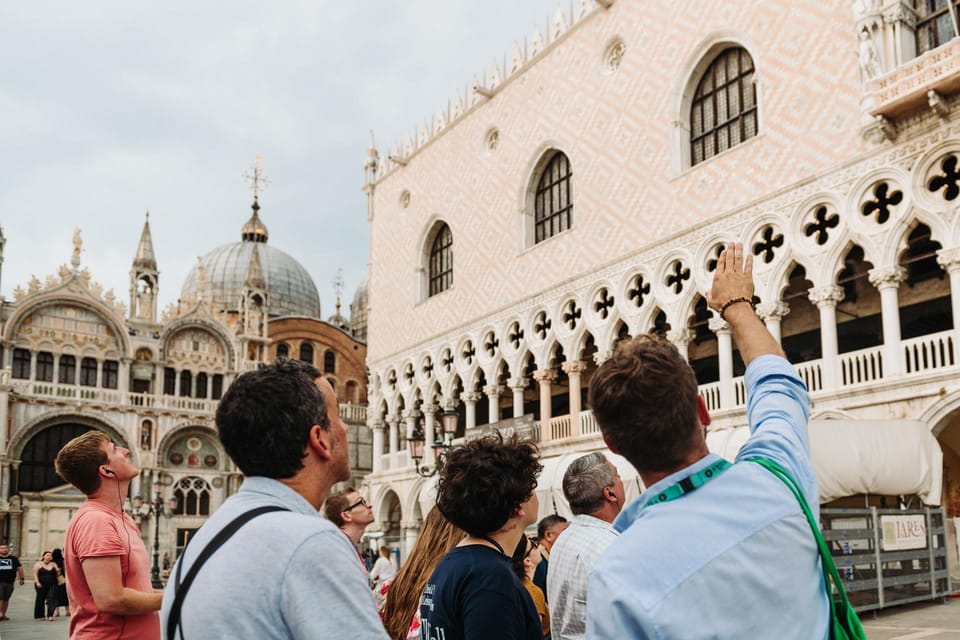
Once you shift from the Doge’s Palace to St. Mark’s Basilica, you’re moving from political theater to sacred art. The tour continues with the Byzantine basilica, where mosaics and gold detailing dominate your attention.
You’ll see the Pala d’Oro altarpiece area, and the value is that it’s quieter at this time of day. In crowds, you can barely scan the gold work. At night, you can look long enough to notice patterns and craftsmanship—especially the gemstones and intricate surfaces that make the altarpiece feel almost three-dimensional.
Then there’s the crypt, where the bones of St. Mark are said to be kept. This part adds a spiritual layer that’s easy to miss on a quick daytime visit. Even if you’ve seen pictures, seeing the space in person while the basilica is calmer makes it feel more real and less like a photo stop.
The guide also ties it back to Venice itself—art technique, religious meaning, and how this city built identity through symbols. That’s the difference between visiting a building and understanding why Venetians cared so much about these exact walls.




Practical realities: what to wear, how to pace yourself
This tour is a walking experience. Comfortable shoes are non-negotiable. Venice is uneven, and you’ll want to move confidently for stairs, corridors, and shifting between major stops.
Dress rules for the basilica are strict: cover shoulders and knees. That means no bare shoulders, no shorts, and no sleeveless tops. A scarf or shawl solves the shoulders/knees issue, but don’t count on being able to improvise last minute if your packing choices are off.
Also, you shouldn’t bring luggage or large bags. If you travel light, you’ll enjoy this tour more. If you tend to carry everything, you’ll feel the pinch fast when you’re moving through controlled spaces.
Timing can include a pause. In one case, a break of up to 1.5 hours was noted between the palace and St. Mark’s. That doesn’t mean the tour is falling apart. It means you’re syncing with the evening entry rhythm. Plan snacks or a proper meal strategy so you’re not stuck hungry or rushed.
Value check: is $157.47 worth it for this VIP-style access?
At $157.47 per person, this isn’t a budget add-on. So the real question is what you’re buying.
You’re paying for three big things: after-hours access, less time dealing with crowds/queues, and a guide who connects what you see to why it exists. Multiple highlights come from the same idea: seeing the basilica and palace when they’re calmer and easier to absorb.
A daytime ticket can get you in, but it often doesn’t get you the same pacing. Here, you’re more likely to have time to study art, hear the stories, and notice details like the black veil in the palace paintings or the way the basilica interior feels as light changes. If you care about understanding Venetian history and art instead of just collecting sights, this price makes more sense.
If you’re the type who wants maximum wow per minute and you hate crowds, the after-hours format is the selling point. If you don’t care much about guided context, you might feel the cost more than the experience.
Who this tour suits best (and who should skip it)
This is a strong match for you if you want a guided, story-focused visit to two of Venice’s biggest icons: St. Mark’s Basilica and the Doge’s Palace. It’s also a good choice if you’ve already visited Venice in peak hours and want a calmer second look.
It’s less ideal if you need mobility accommodations. The tour is not suitable for wheelchair users or guests with mobility impairments, and it’s also not set up for strollers. If you’re sensitive to lots of walking, plan accordingly and consider whether your pace will hold up through the full 3.5 hours.
It’s also not a great match if you’re arriving unprepared for religious dress rules. Shoulders and knees must be covered, and entry can be refused if you don’t comply.
Should you book: my decision rule
Book this tour if you want Venice without the daytime noise and you care about hearing the meaning behind the art and architecture. The after-hours access is the backbone, and the guided storytelling is what turns that access into a real experience, not just a faster way to see famous buildings.
Skip it if you’re mainly chasing photos and you don’t want to follow dress and walking constraints. Also, if evening timing and breaks stress you out, make sure you can handle a possible pause between major stops.
If you’re on the fence, here’s the cleanest way to decide: if you can tolerate stairs and walking and you’re willing to dress for the basilica, this is one of the smarter ways to experience St. Mark’s and the Doge’s Palace in a way you’ll actually remember.
FAQ
How long is the tour?
It runs about 3.5 hours.
Where does the tour meet?
Meet at the Correr Museum area in Piazza San Marco, under the portico just outside the entrance. The meeting point address listed is S. Marco, 75 / Piazza San Marco 52.
Does the tour include entry to both St. Mark’s Basilica and the Doge’s Palace?
Yes. Entry is included for St. Mark’s Basilica after closing and for the Doge’s Palace.
Is there a live guide?
Yes, the tour includes a live English-speaking guide.
What’s included and what’s not included?
Included: entry to St. Mark’s Basilica after closing, entry to the Doge’s Palace, a live guide, and the tour. Not included: hotel pickup and drop-off.
Does the tour skip ticket lines?
Yes, it includes skipping the ticket line.
What should I wear or bring for St. Mark’s Basilica?
Wear comfortable shoes and bring clothing that covers your shoulders and knees. A scarf or shawl is acceptable for covering.
Are shorts or sleeveless shirts allowed?
No. Shorts and sleeveless shirts are not allowed.
Is the tour suitable for wheelchair users or mobility impairments?
No. It is not suitable for wheelchair users, guests with mobility impairments, or strollers.
What happens if high tides affect the tour?
If high tide prevents certain parts, the route may be adjusted for safety and comfort. No refund is provided if high tide prevents certain parts.