REVIEW · VENICE
Venice: Ghetto Highlights and Cannaregio Walking Tour
Book on GetYourGuide →Operated by Beatrice Baumgartner · Bookable on GetYourGuide
Venice’s first ghetto tells stories with every turn. This 2-hour walk connects the Ghetto Ebraico with Cannaregio, including stops tied to Tintoretto and the Gothic Madonna dell’Orto area.
I especially like how the guide, Beatrice Baumgartner, brings the past to life with maps and pictures while you’re actually walking the streets. I also love the food moment: you get a kosher sweet from a family-run bakery, which is the kind of stop that makes the history feel real.
One thing to consider: this is a mostly on-foot route and it’s not suitable for wheelchair users or people with mobility impairments. Also, in the shared 2-hour option, the Madonna dell’Orto is viewed from outside only, so if you want to enter the church, you’ll need the private option (and an extra cash admission).
In This Review
- Key highlights you’ll actually notice
- Entering Venice through its first ghetto
- Meet Beatrice Baumgartner and get the tour style right away
- Walking the Ghetto Ebraico with streets that make sense
- Madonna dell’Orto and Tintoretto’s sites—outside viewing done well
- Casa del Tintoretto, the tomb area, and the legend connection
- The kosher bakery sweet: small stop, big meaning
- Boat workshop details and the bridge without balustrade
- One-hour vs two-hour: know what you’ll miss
- Ending at Campo Santa Sofia: easy next moves
- Price and value: is $64 fair for two hours?
- Who should book this tour (and who should skip it)
- Should you book: my take
- FAQ
- What does the 2-hour tour include?
- Is the Madonna dell’Orto church entered?
- What’s different about the 1-hour option?
- How long is the tour?
- What languages are offered?
- Do I need cash?
- Is it suitable for wheelchair users or limited mobility?
Key highlights you’ll actually notice
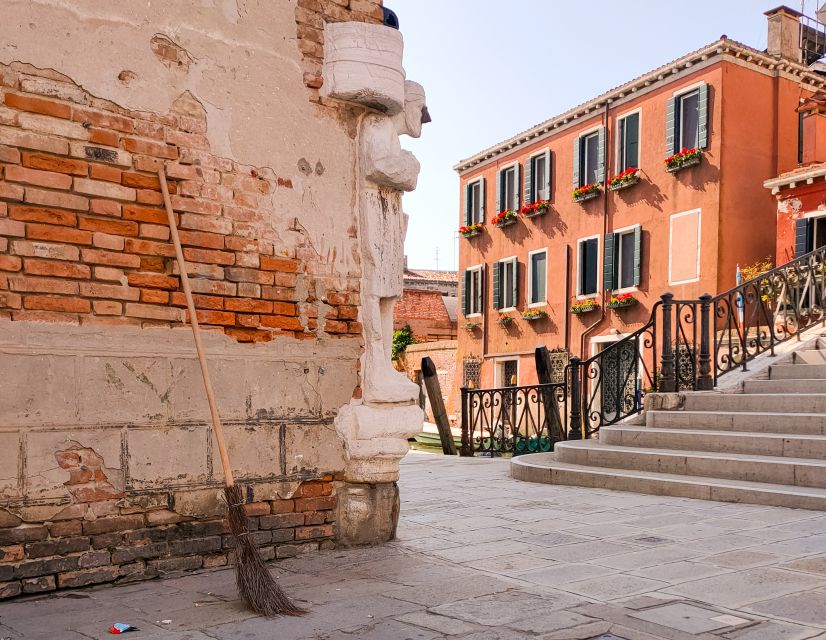
- Tintoretto on the move: you pass by Casa del Tintoretto and see where his home/workshop spirit lingers, plus his tomb area context
- Madonna dell’Orto (Gothic) from the street: you get the big exterior feel even when entry isn’t part of the shared tour
- A family-run kosher bakery sweet: small taste, big cultural context, and quick enough to keep walking
- The boat-workshop view: you spot a long-ago craft connection in a place that doesn’t feel like a museum
- Ponte Chiodo / the bridge without balustrade: an odd little detail that becomes a great photo moment
Entering Venice through its first ghetto
Venice can feel like a city of postcards until you slow down enough to read the street signs and building shapes. This tour does that. You start by focusing on the history of the first ghetto in the world, and you walk in a way that makes the neighborhood feel like a living timeline rather than a single “attraction.”
What I like is that the story doesn’t stop at dates. You get a sense of how the area functioned then, and how it sits in today’s Venice streets. That contrast is part of the payoff: you’re not just looking at old stones, you’re watching how the present uses the same spaces.
The guide sets an easy pace for a small group (limited to 10 participants). That matters in Venice, where crowding can flatten your experience fast.
You can also read our reviews of more walking tours in Venice


Meet Beatrice Baumgartner and get the tour style right away
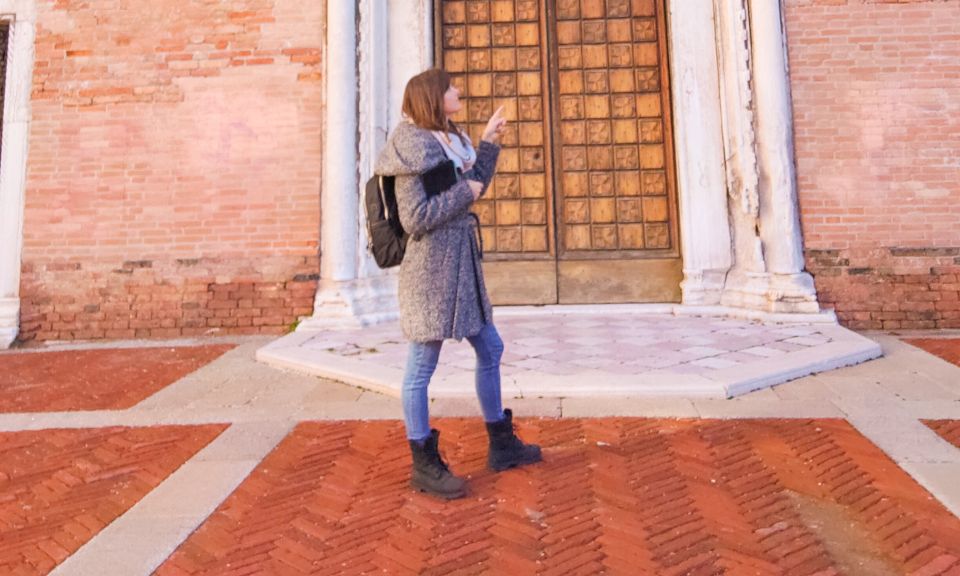
The tour is led by Beatrice Baumgartner, and her style is very practical. She uses maps and pictures while you walk, which helps you connect what you’re seeing to what you’re hearing.
Language options are German and English, so you’ll get the stories in a way you can fully follow. And because it’s a small group, you’re more likely to get answers to questions instead of listening to a lecture while people shuffle behind you.
Meeting point is in front of Trattoria alla Palazzina. There are also other possible starting spots at Rio Terà S. Leonardo (1510), so it’s worth checking your specific confirmation message before you head out.
Bring cash. You’ll want it for the kosher sweet stop and, if you choose the private option, for possible Madonna dell’Orto admission.
Walking the Ghetto Ebraico with streets that make sense
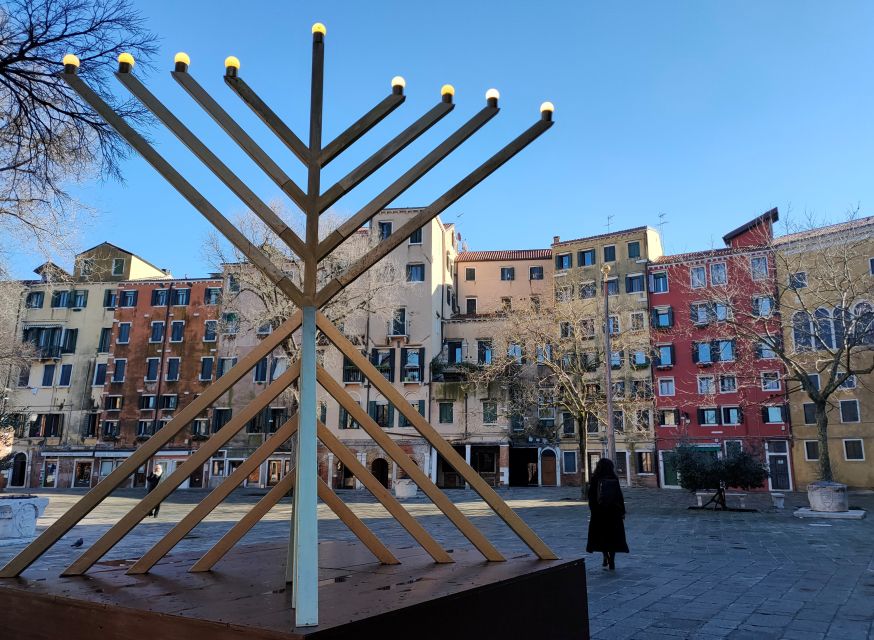
The core of this experience is the former Jewish Ghetto area. You’ll spend about 40 minutes focused on Jewish Ghetto history, hearing what the word “ghetto” meant in its original context and why Venice became the setting for such a complicated chapter.
As you walk, you’re not just hearing names. You’re getting orientation: where things are, how the streets connect, and what you can look for when you return on your own later. That “learn it once, recognize it again” effect is one reason this tour feels worth it even if you’ve already done other Venice walks.
One smart detail: the guide adds a personal layer to the history, including references to lived experience connected to the neighborhood. That human element helps the information stick, instead of washing over you like generic city facts.
Madonna dell’Orto and Tintoretto’s sites—outside viewing done well
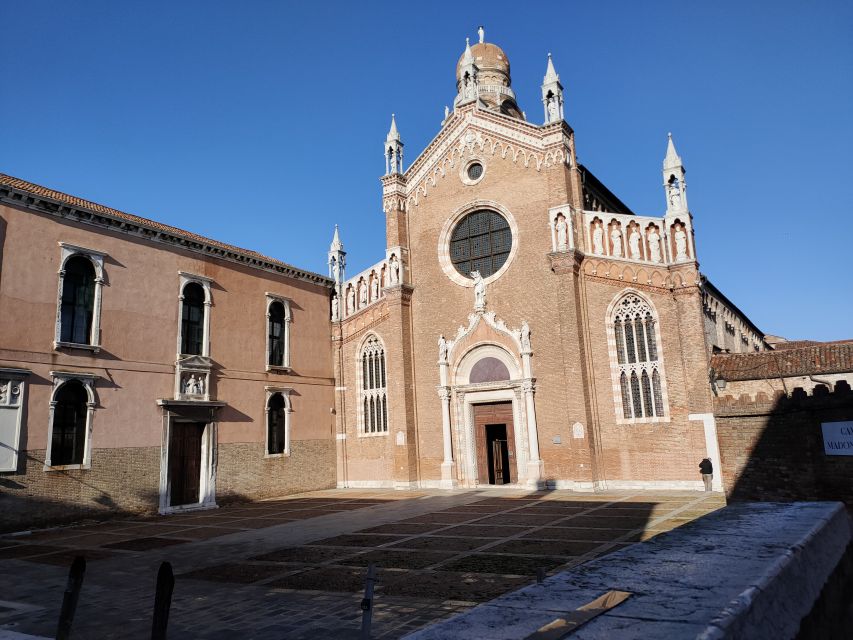
In the 2-hour option, you move from the ghetto area into Cannaregio, where the atmosphere quiets down a bit and you can focus on the architecture. A key stop is the Madonna dell’Orto area, where you get a guided overview (about 10 minutes).
Important for expectations: during the shared group 2-hour tour, the church is visited from outside only (no entry). If you book privately, it’s possible to enter the church, but it’s not included in the tour price. In that case, you should bring €3 per person in cash and wear appropriate clothing for a church visit.
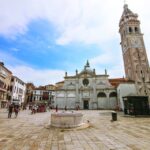
Even with outside viewing, the Gothic feel is still the point. You get the façade and context from the street, plus the sense of why Tintoretto’s legacy belongs in this neighborhood.
Casa del Tintoretto, the tomb area, and the legend connection
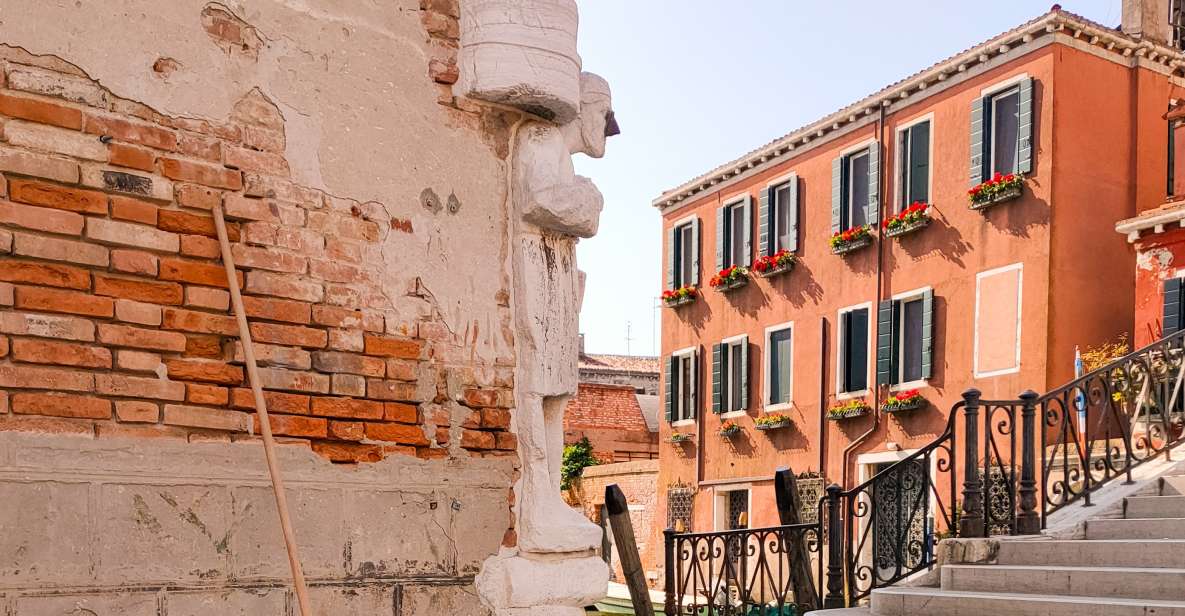
Tintoretto is more than a name here. The tour connects his home and workshop presence to how art and Venice life intersected. You’ll see places tied to Casa del Tintoretto (passed by), and you’ll also hear a Venetian legend about Tintoretto as part of the storytelling.
You’ll also treasure the context of Tintoretto’s tomb/resting-place—again, not as a museum “show,” but as part of a walk that keeps moving. In the 2-hour shared version, you get a choice of his most significant artworks only from outside, so you’re viewing from the viewpoints the guide sets for you rather than entering church or museum interiors.
That’s a trade-off, but it’s also a good one if your goal is to experience the neighborhood as a whole. You don’t get stuck in a queue. You keep a steady walking rhythm and still come away feeling oriented to Tintoretto’s Venice.





The kosher bakery sweet: small stop, big meaning
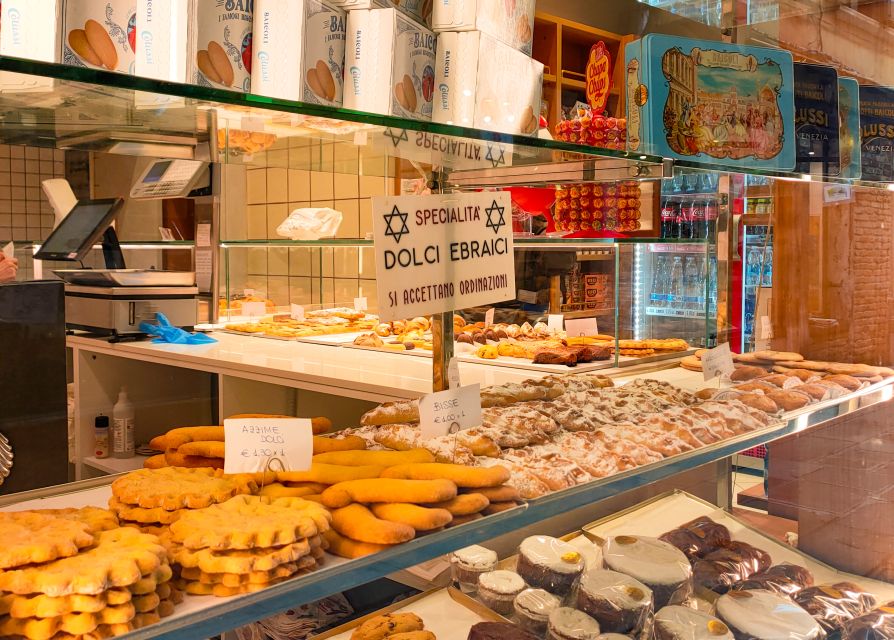
One of my favorite parts of the tour is also the shortest. You stop at a local kosher family-run bakery for about 10 minutes and taste one sweet per person.
This isn’t just a snack break. It’s a direct sensory connection to Jewish culinary culture in Venice—right in the middle of the history route. The sweet itself is simple and quick, and that makes it easy to fit into a short tour without losing your momentum.
Because you’re walking, you’ll likely appreciate the timing: it’s far more effective than pausing for a long café stop that disrupts your day.
Boat workshop details and the bridge without balustrade
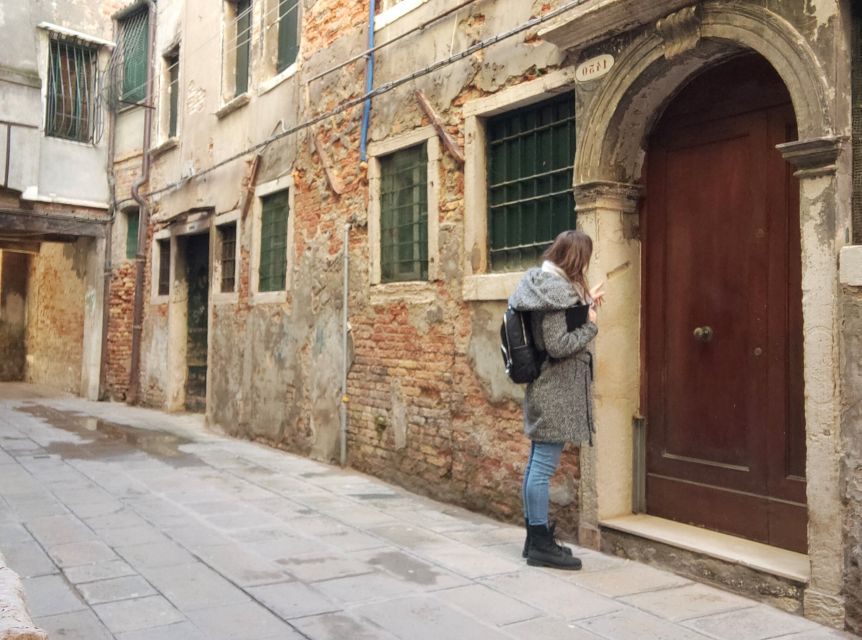
Venice has a talent for hiding small, strange details in plain sight. Two of them land on this route.
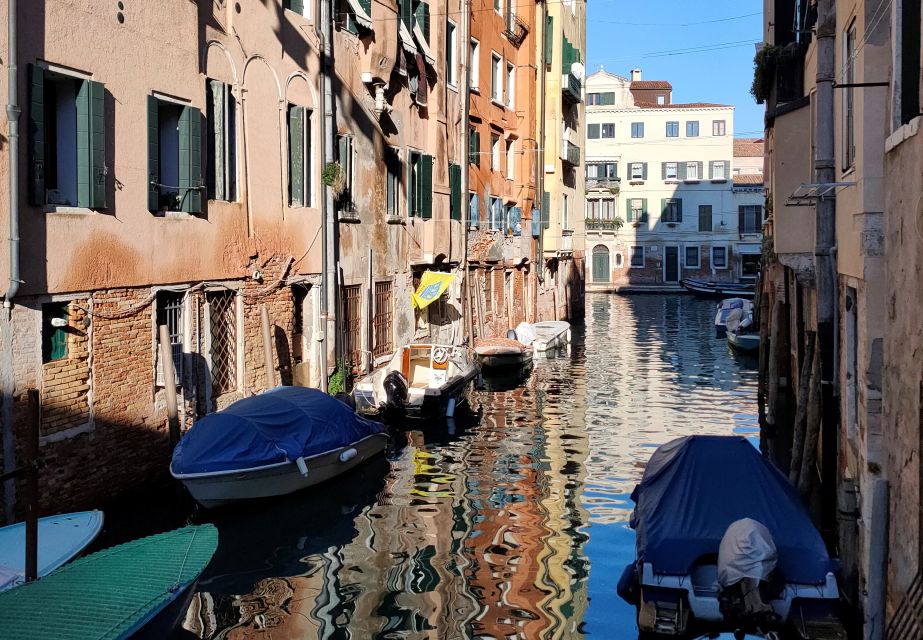
You’ll get a view tied to a former boat workshop, which is the kind of local craft clue that helps you understand Venice as a working city, not only a canals-and-cathedral postcard machine. The point isn’t a deep workshop history lesson; it’s the quick “ah, this is how people lived” moment.
Then there’s Ponte Chiodo, which you pass by. The guide points out the surprising fact that it’s the only bridge without balustrade. That’s exactly the kind of Venice detail you remember later, when you’re staring at other bridges wondering what’s different about them.
If you like walking tours that reward your eyes as much as your ears, these moments are a big part of the value.
One-hour vs two-hour: know what you’ll miss
This tour comes in two versions, and knowing the difference saves disappointment.
In the 1-hour shared option, you only discover the Ghetto area. You do not go into Cannaregio, and you do not reach the Madonna dell’Orto area, Tintoretto’s home sites, the boat workshop view, or the bridge detail.
In the 2-hour option, you add the quiet Cannaregio walk: Madonna dell’Orto exterior viewing, Tintoretto context tied to his tomb and significant works from outside viewpoints, plus the boat workshop and Ponte Chiodo moments. You also finish at Campo Santa Sofia, giving you an easy next step for the rest of your day.
If you’re a history-first traveler, the one-hour option can work. If you want a fuller picture of Venice’s religious history plus art connections plus neighborhood texture, choose the 2-hour.
Ending at Campo Santa Sofia: easy next moves
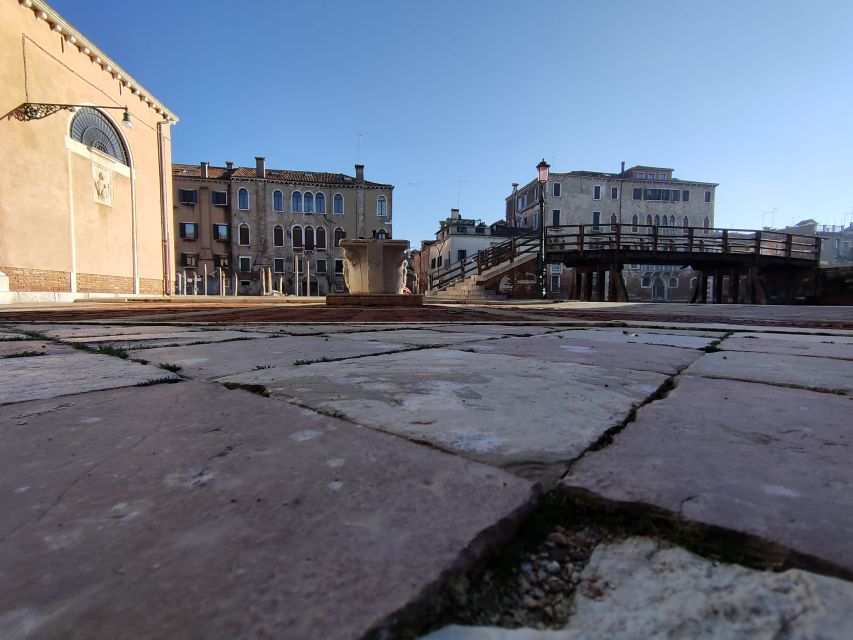
The tour ends at Campo Santa Sofia. That’s a convenient landing point because you can continue on foot toward Rialto Bridge and the Rialto fish market. If you’d rather break up the walk, there’s also the option of a traditional gondola ferry.
The nice thing about ending here is that you’re not locked into one direction. You can pivot based on energy and weather. And since this is a rain-or-shine walking tour, having flexibility matters.
Price and value: is $64 fair for two hours?
At $64 per person for a 2-hour small-group tour, the value comes from three areas.
First, you’re paying for a licensed live guide who can connect multiple themes: the first ghetto in history, Jewish life in the neighborhood, and Tintoretto’s Venice. Second, you get included tasting value—one sweet person-to-person at a kosher bakery. Third, the group size cap (up to 10 participants) keeps the pacing comfortable enough to absorb the story without getting rushed.
If your travel style is “one good guide-hour beats three random map hours,” this price generally makes sense. If you’re only interested in interiors or you want a lot of church or museum time, you may find the outside-only format less satisfying—but that’s a choice built into how the tour keeps you moving.
Who should book this tour (and who should skip it)
This is a good fit if you:
- want a focused Venice walk that mixes history + art connections
- like small-group guiding with room for questions (English or German)
- enjoy neighborhood details like craft clues and unusual architecture
I’d skip it if:
- you use a wheelchair or have mobility impairments, because the route is not suitable
- you want lots of indoor time; the shared 2-hour option keeps the Madonna dell’Orto church outside only
- you travel with luggage or large bags (they’re not allowed), or you’re traveling with unaccompanied minors (not permitted)
Practical note: wear shoes you trust. Venice footpaths and bridges are not where you want fragile soles.
Should you book: my take
If you’re in Venice for more than a quick hop and you want to understand how history, art, and everyday life share the same streets, this tour is an easy yes. The combination of ghetto context, Tintoretto connections, and the small kosher bakery stop makes it feel complete for a 2-hour window.
If you only have time for one short walk, go with the one-hour option only if you’re specifically chasing the ghetto area. Otherwise, the 2-hour route is the one that turns the day from “interesting stop” into “I can picture the place afterward.”
FAQ
What does the 2-hour tour include?
The 2-hour tour covers the Jewish Ghetto area, a guided walk that includes the Cannaregio route, the Madonna dell’Orto area (only from outside on the shared group tour), Tintoretto-related sites viewed from outside, a look at a former boat workshop area, and it ends at Campo Santa Sofia. You also stop at a kosher family-run bakery for one sweet per person.
Is the Madonna dell’Orto church entered?
On the shared group 2-hour option, the Madonna dell’Orto is visited only from outside, without entering. For a private group 2-hour option, entrance can be possible but it is not included in the tour price, and you must bring €3 per person in cash for admission.
What’s different about the 1-hour option?
The 1-hour shared option is limited to the Ghetto area only. It does not include the Cannaregio district, the Madonna dell’Orto, Tintoretto’s home, the former boat workshop, or the bridge without balustrade.
How long is the tour?
The duration is 2 hours for the 2-hour option.
What languages are offered?
The live tour guide offers German and English.
Do I need cash?
You should bring cash. Cash is noted as what to bring, and private Madonna dell’Orto admission (if you choose it) requires €3 per person in cash.
Is it suitable for wheelchair users or limited mobility?
No. The tour is not suitable for people with mobility impairments or wheelchair users.