REVIEW · VENICE
Venice Commissario Brunetti and Donna Leon: Walk His Beat
Book on Viator →Operated by deTourist Venice Valerio Coppo · Bookable on Viator
Venice turns more interesting when crime fiction gets a real address. This 2-hour walk follows scenes tied to Donna Leon’s Commissario Brunetti, but it also forces you out of the main streets and into quieter Venice—especially Cannaregio and toward the Ghetto vibe. I love the way the route links everyday corners (doors, bars, churches, kiosks) to specific story beats, and I also like the tour’s small size with strong guide energy, led by Valerio. One possible drawback: it is still city walking—uneven ground and a fair number of steps can feel like a lot if you’re expecting a light stroll.
In This Review
- Key points at a glance
- Walking Into Donna Leon’s Venice (Not the Usual Sights)
- Price and what you actually get for $93.16
- Meeting at Campo dei Gesuiti and ending at San Francesco della Vigna
- Stop-by-stop: what you’ll see and why each one matters
- 1) Cannaregio: starting at Brunetti’s house door
- 2) Chiesa di Santa Maria Maddalena: masked flight and a surprise capture
- 3) Strada Nova: the bar moment that feels very Venetian
- 4) Cannaregio again: the pub discussion after a murder
- 5) Rosa Salva near SS. Giovanni e Paolo: grappa, croissants, and a good pause
- 6) Basilica dei Santi Giovanni e Paolo (San Zanipolo): the kiosk and the quick directions
- 7) Chiesa di San Francesco della Vigna: the columned hall and the green door finish
- What makes this tour worth your time (and not just a fan walk)
- How strenuous is it really?
- Who this tour is best for
- Booking timing and tour size: how to plan
- The practical details you shouldn’t ignore
- Should you book Walk His Beat?
Key points at a glance
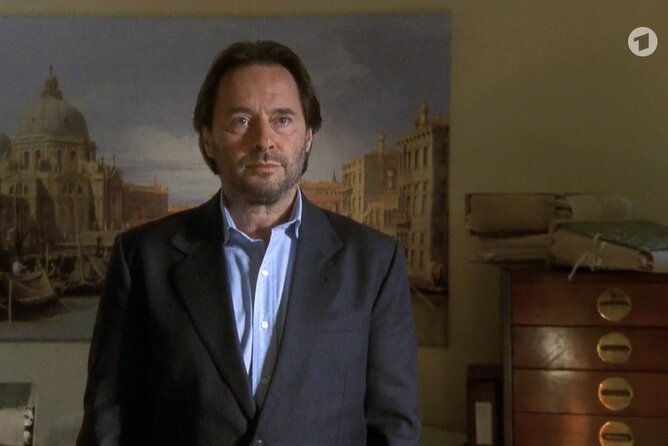
- Brunetti’s Venice, mapped to real streets with story-linked stops around Cannaregio
- Quiet neighborhoods over tourist shortcuts, including time near the Ghetto
- Ending at the Questura green doors tied to the police-station look in the series
- Small groups up to 15 people, for easier pacing and questions
- Licensed local guide (registration 06000001) with plenty of anecdotes beyond the books
- Admission at listed stops is free, so your cost is mainly the guide and time
Walking Into Donna Leon’s Venice (Not the Usual Sights)
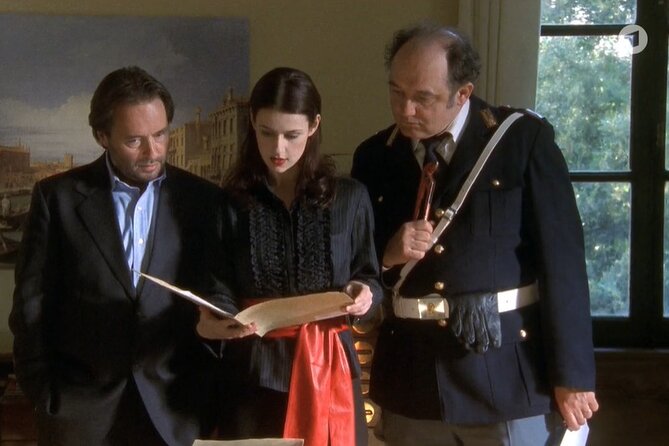
If you’ve ever watched a crime scene and then thought, I wonder what that street looks like in daylight, this is your kind of Venice. The idea here is simple: you follow a walking route that brings Donna Leon’s world into place, then you get the real-city context—how the neighborhoods work, why certain corners feel right, and how Venice’s layout shapes the mood of a story.
What makes it work is the balance. You’re not stuck in lecture mode. You move. You pause. You look at a door or a barfront and suddenly a scene you remember gains texture. And because the route leans into Cannaregio and nearby areas, the walk often feels like you’re seeing the Venice locals know: narrow lanes, practical streets, and calmer corners away from the heaviest foot traffic.
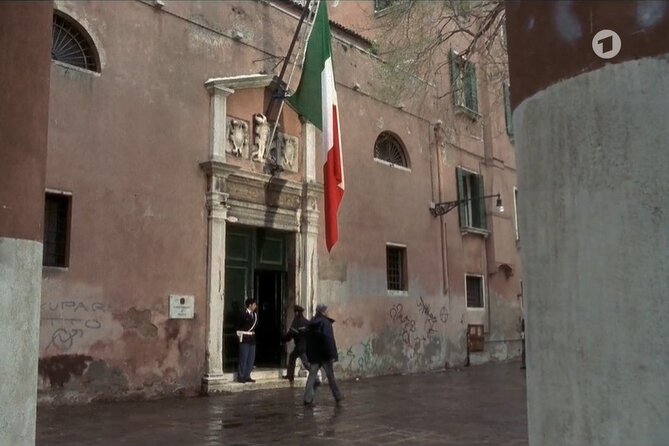
There’s also a clear “destination” moment. The tour ends at the famous green doors that lead to the Questura—Venice’s police headquarters. Even if you’re not a die-hard reader, you’ll recognize the look once you’re there.
You can also read our reviews of more walking tours in Venice
Price and what you actually get for $93.16
At $93.16 per person for about 2 hours, this isn’t a bargain-price add-on. But it also isn’t priced like a big-vehicle “big attraction” day. You’re paying for two things that matter in Venice:
- A guided route that takes effort out of planning. Venice is full of possible detours. This gives you a tight plan tied to specific story locations.
- A guide with room to talk. The strongest feedback centers on the guide’s humor, ability to answer questions, and his city knowledge beyond the series.
The tour also runs with a maximum of 15 people, and that tends to be a sweet spot for a walking show: you can hear the guide without everyone tailgating each other. The average booking window is also fairly early (about 63 days), which is a practical hint that dates can fill up.
Meeting at Campo dei Gesuiti and ending at San Francesco della Vigna
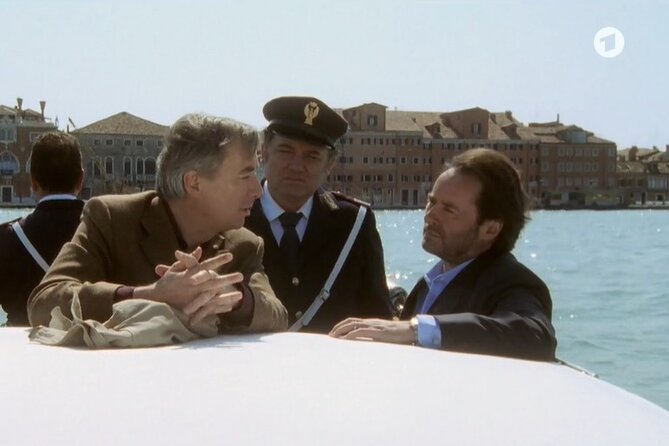
You start at Campo dei Gesuiti, 4878, 30121 Venezia VE. That’s your “gather here, then move” moment. The walk finishes at Campo San Francesco della Vigna, Campo S. Francesco, 30122 Venezia VE, right at the end-point near the police headquarters entrance.
Two practical notes matter for your planning:
- It’s a walking tour with a listed end at the police-station area. So don’t schedule a far-away connection immediately afterward.
- Pickup is not the standard for most guests. Personalized pick-up is available only for private group bookings, and only within the historical center if you’re doing that private format.
Stop-by-stop: what you’ll see and why each one matters
This route is built around the idea that Venice in fiction is made from ordinary places. Here’s what each stop does for the story—and for your sense of the city.
1) Cannaregio: starting at Brunetti’s house door
You begin right at the Brunetti family front door in Cannaregio. The tour describes it as instantly recognizable for fans once you find it, and that’s the point. This is the emotional hook: you’re not hunting for a monument. You’re standing in front of a lived-in threshold.
Why I think this works: starting at a door grounds everything. It tells you the walk won’t be only about big landmarks. It’s about the everyday locations where story characters move.
A consideration: if you’re not familiar with the series, you’ll still enjoy it for the neighborhood feel, but you may not get the same “aha” moment a big fan gets.

2) Chiesa di Santa Maria Maddalena: masked flight and a surprise capture
Next you visit Chiesa di Santa Maria Maddalena. The tour links this palazzo area to an action sequence involving Angelo Animale—described as a radical animal protection organization. Masked figures flee from a side entrance, a chase follows, and the unexpected reveal ties back to Brunetti’s family.
This stop is useful even beyond plot details. Churches and palazzi like this sit at the edge of how Venice functions: stonework, entrances, and sightlines that feel built for sudden movement and quick escapes.
3) Strada Nova: the bar moment that feels very Venetian
At Strada Nova, you’re pointed toward a bar scene tied to Signora Gismondi and an ice-cream moment—specifically last chocolate ice cream balls. It’s a short stop, but it does something important: it slows the pace and reminds you that Venice scenes aren’t only about chases and crime. They’re also about small, human cravings.
If you enjoy how food and daily routines show up in stories, you’ll appreciate this one.
4) Cannaregio again: the pub discussion after a murder
You return to Cannaregio for another bar setting, after Brunetti realizes his daughter Chiara is involved with Angelo Animale. The discussion here ties into the larger investigation, and the tour points to the murder of Professor Nava, noting his former employment in a slaughterhouse. Now the animal-angel group becomes a focus of the case.
This is where the walk turns from “spot the locations” into “understand the logic of the story.” Venice neighborhoods create a natural stage for tension: who sees what, who knows which rumor, and how conversations travel.
One practical thing: bar stops are short, but they can mean a bit of standing and gathering in tight lanes.
5) Rosa Salva near SS. Giovanni e Paolo: grappa, croissants, and a good pause
At Rosa Salva – SS. Giovanni e Paolo, you get a different angle on the series world. The tour references Vice-Questore Patta and a grappa overindulgence, but it also highlights more everyday pleasures. The tour notes this area for the best café in town and delicious croissants, plus food-and-drink suggestions like a panino prosciutto or a tramezzino with ham and artichoke, paired with white wine.
Even if you don’t order anything during the tour time itself, this stop can help you choose where to linger later. It’s a clear signal: the guide wants you to leave with practical instincts, not just souvenirs.
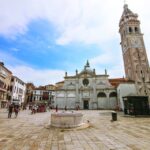
6) Basilica dei Santi Giovanni e Paolo (San Zanipolo): the kiosk and the quick directions
Then comes Basilica dei Santi Giovanni e Paolo (San Zanipolo), tied to a kiosk run by Signora Maria, who is described as extremely informed about the neighborhood. She points Brunetti toward the American archaeologist Brett Lynch.
This stop is about orientation. Basilicas and busy campos change how you navigate Venice, and kiosks anchor the human rhythm—who gathers, who trades news, who knows what’s where.
If you like the idea of reading a city like a network of hints and connections, this is the kind of stop you’ll remember.
7) Chiesa di San Francesco della Vigna: the columned hall and the green door finish
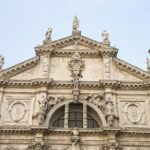
Your final stop is Chiesa di San Francesco della Vigna. The tour ends in a dramatic setup: you reach a columned hall in a campo, and the scene connects to how people in the films move toward the Questura via the famous green door and portal.
This is the payoff. It’s the one ending designed to make you look up, slow down, and take in the architecture that gives Venice its “off-kilter” cinematic feel. Fans often treat this moment like a target; non-fans often treat it like a striking way to end a themed walk.
One caution that comes up in feedback: the Questura-area look in real life can differ from the version you might expect. Some parts can look run-down compared with how film frames them.
What makes this tour worth your time (and not just a fan walk)
Plenty of themed tours can turn into checklists. This one tends to feel more like a city walk with a story filter. Here are the advantages that show up again and again in the experience design and the strong ratings.
- Strong guide presence (Valerio): the most praised elements focus on his humor, his ability to connect places to the series, and how he answers questions.
- Off-the-main-street routing: the route is built around quieter Venice rather than constant photo stops in the busiest corridors. If you want breathing room, this matters.
- Extra city recommendations: feedback highlights that you get pointers to local places and sights away from mass tourism, plus links that help you keep exploring after the tour ends.
- It helps you see Venice like a setting, not a postcard: even if you only know a few scenes, the city context adds weight.
And one more subtle thing: starting at a personal location (Brunetti’s house door) and ending at a real institutional threshold (the Questura green doors) gives the walk a clear narrative arc.
How strenuous is it really?
It’s about 2 hours on foot. That sounds manageable, but Venice walking adds up—uneven surfaces, lots of turns, and frequent “look up” moments.
Your best bet: wear comfortable walking shoes and plan for an active morning or late afternoon, not a tight schedule.
Who this tour is best for
You’ll likely enjoy this most if you fall into one of these groups:
- Brunetti fans who want to connect the fiction to street-level Venice.
- Donna Leon readers who like story mechanics: where a conversation happens, why a location matters, and how neighborhoods fit into the plot.
- First-time Venice visitors who are tired of the same big-sight pattern and want a calmer slice of the city.
- People who enjoy guide-led Q&A. This format seems designed for conversation, not just headset listening.
It may be less ideal if you want only iconic monuments or if you have very limited mobility, since it’s a walking route through historical streets.
Booking timing and tour size: how to plan
This experience averages 63 days in advance booking, which suggests it gets filled for popular dates. With a maximum of 15 travelers, early booking can help you avoid last-minute scrambling—especially if you’re traveling during peak season.
If you’re booking for a private group, that’s also the option where personalized pick-up can be considered within the historical center.
Also note: the tour is offered in English. There’s mention that if you book a small group tour in German, you’ll meet at a specific internal courtyard near the well at Campo dei Gesuiti.
The practical details you shouldn’t ignore
A few items from the provided info can affect your day:
- Mobile ticket: you’ll use your phone ticket.
- Service animals allowed.
- Near public transportation: helpful if you’re combining this with other plans.
- Good weather required: if weather is poor, the tour may be rescheduled or refunded.
- Venice access fee on certain dates: if you’re staying outside Venice and visiting for the day, some dates may require paying an access fee. Check the city guidance at https://cda.ve.it for whether your date applies and any exemptions.
Should you book Walk His Beat?
Book it if you want Venice through a story lens that still respects the real city. The value here comes from the combination of small-group pacing, a guide-led connection to recognizable scenes, and the final pull toward the Questura green door finish. It’s also a strong pick if you like discovering neighborhoods like Cannaregio and the edges of the Ghetto rather than only chasing the most famous spots.
Skip it if your dream Venice day is mostly about major monuments, museum time, or a completely low-foot-steps schedule. And if you’re expecting the Questura exterior to look exactly like a film set, calibrate your expectations—real buildings can look different over time.
If you’re on the fence, I’d make the call this way: if Donna Leon and Commissario Brunetti mean anything to you, this walk turns that interest into a smart plan for seeing parts of Venice you’d otherwise miss.