REVIEW · VENICE
Venice: 1.5-Hour Walking Tour
Book on GetYourGuide →Operated by Venice Events srl · Bookable on GetYourGuide
Venice can be noisy fast, but this route smartly avoids the worst of it. You start in St. Mark’s Square with clear, practical storytelling about the basilica, the Doge’s Palace, and the famous clock tower—then you get pushed outward into the Castello neighborhood, where residential streets, calli, bridges, and campi feel like the city’s daily life. The best part is that you’re not just looking at monuments; you’re learning how and why Venice developed the way it did.
I really like the format: a fully qualified local guide plus a live audio system (headset included), which makes it easier to hear details even when you’re moving. I also love that the tour focuses on smaller corners behind San Marco—like campo Santa Maria Formosa and campo San Giovanni & Paolo—so you get the “this is Venice” feel without spending the whole time shoulder-to-shoulder with everyone. One thing to consider: it’s an external walking tour only and it isn’t wheelchair accessible, so if you have mobility limits, you’ll want a different option.
In This Review
- Key points to know before you go
- Starting in St. Mark’s Square (the right way to begin)
- What you’ll notice in the square
- Moving from San Marco into Castello’s quieter Venice
- What makes Castello worth your time
- Campo Santa Maria Formosa: a square with a lived-in feel
- The drawback here (for some people)
- Campo San Giovanni & Paolo and the Doges’ burial story
- Why this works even if you’ve never studied Venice
- The Mercerie walk back: a useful final thread to connect the city
- The value question: is $37 worth 1.5 hours?
- The guide + headset setup: why it matters in Venice
- Timing and movement: easy on paper, real on feet
- Group size (a note from the experience pattern)
- Who should book this tour
- Should you book? My decision guide
- FAQ
- Where does the tour start?
- How early should I arrive?
- How long is the tour?
- What areas are included in the walking route?
- Does the tour include museum or attraction entry?
- Is this tour wheelchair accessible?
- What languages is the live commentary available in?
- What’s included with the tour?
- What should I wear?
- Can I cancel for a refund?
Key points to know before you go
- St. Mark’s Square orientation first: you get the landmark context before you leave the crowds behind.
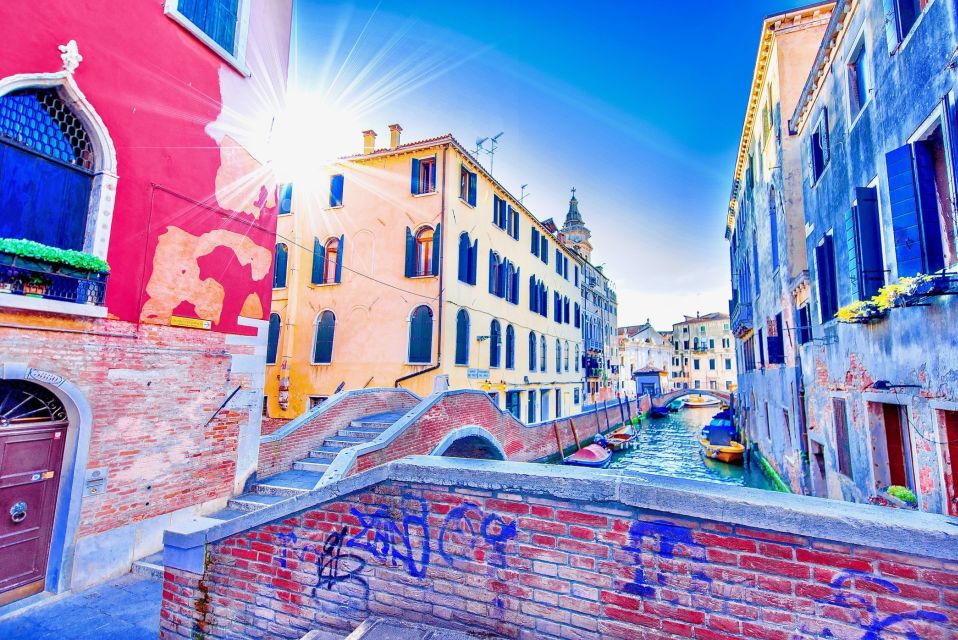
- Castello after the main sights: residential lanes, bridges, and campi that feel more like living Venice.
- Audio headsets included: live commentary stays clear as you walk and turn corners.
- Campi and churches you can miss on your own: Santa Maria Formosa and San Giovanni & Paolo are part of the route.
- Languages available: live commentary runs in English, French, German, Spanish, and Italian (depending on the session).
- Short and focused: 1.5 hours is enough to get oriented without tiring you out.
Starting in St. Mark’s Square (the right way to begin)
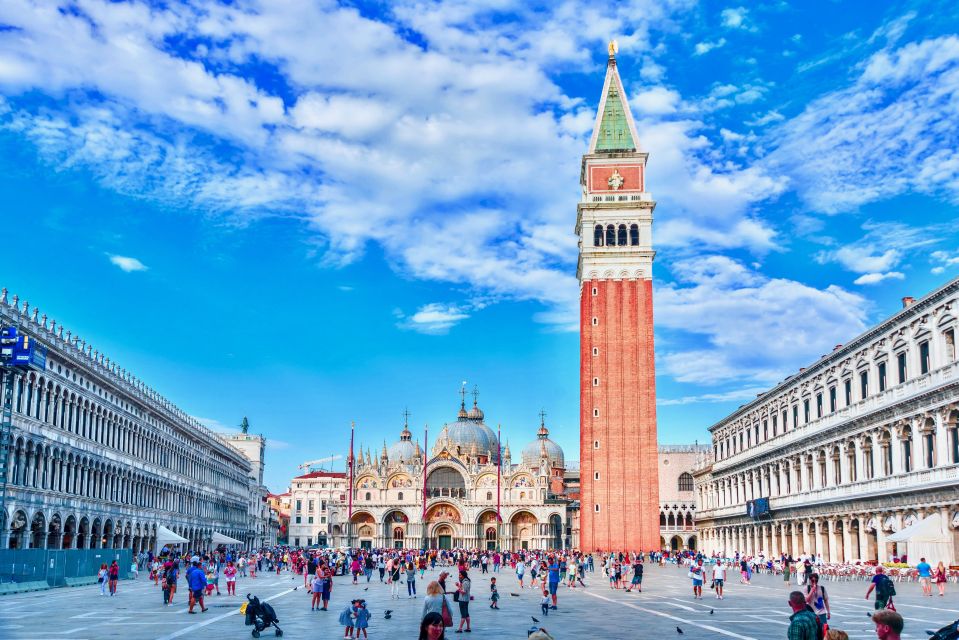
Your tour kicks off at Calle larga de l’Ascension, behind the Correr museum and directly opposite St. Mark’s Basilica. Check in 15 minutes early and look for the TURIVE assistant by the post office San Marco. It’s a great starting point because you’re not just dumped into the square—you get your bearings and the story first.
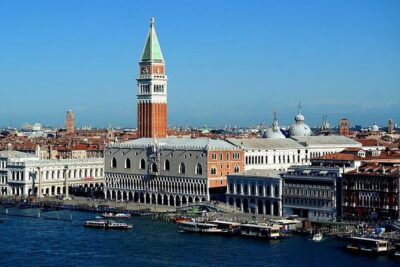
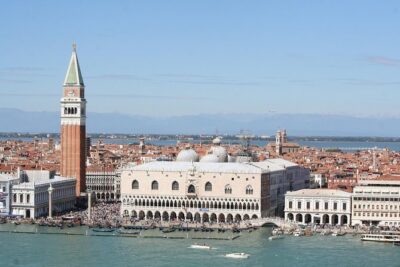
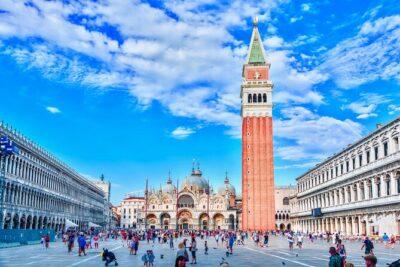
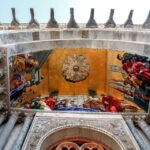
St. Mark’s Square is famous for a reason, but it can also feel like a blur if you only have guidebook captions. This tour does the heavy lifting. You’ll get a historical introduction to the square and the major sights you see around you, including the basilica itself, the Doge’s Palace (once the power center of the Republic of Venice), and the Renaissance clock tower. Instead of memorizing names, you’ll understand the symbols and ideas that made these buildings matter.
A practical bonus: you’re standing in the place where everything converges, so it becomes a mental anchor for the rest of your Venice days. If you’ve ever left St. Mark’s Square thinking, I saw a lot but I don’t know what it means, this fixes that.
You can also read our reviews of more walking tours in Venice
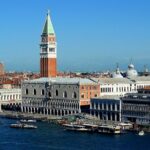
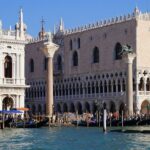
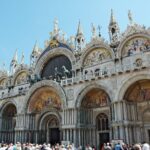
What you’ll notice in the square
Even on a short tour, your eyes start working differently. You’ll likely start noticing how the basilica’s layout and the palace’s role connect to Venice’s identity as a maritime power and a trading republic. That context matters once you start walking into Castello, because you’ll recognize the city’s “logic,” not just its scenery.
Moving from San Marco into Castello’s quieter Venice
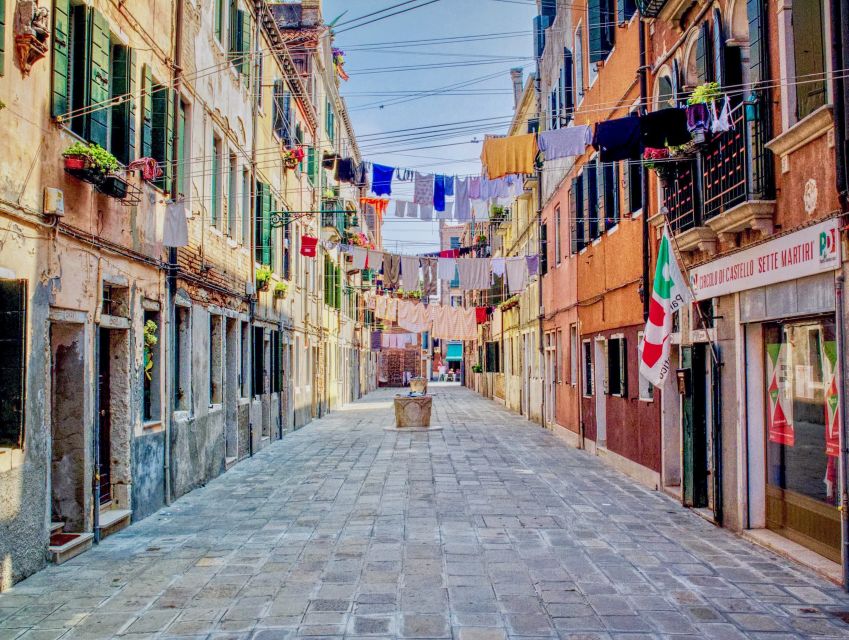
The tour’s real payoff is what happens after you leave the square. You’ll go away from the main flow of tourists and into the Castello area, described as atmospheric and residential—exactly the change of pace you want after getting your first dose of Venice spectacle.
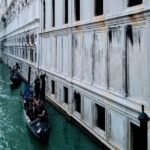
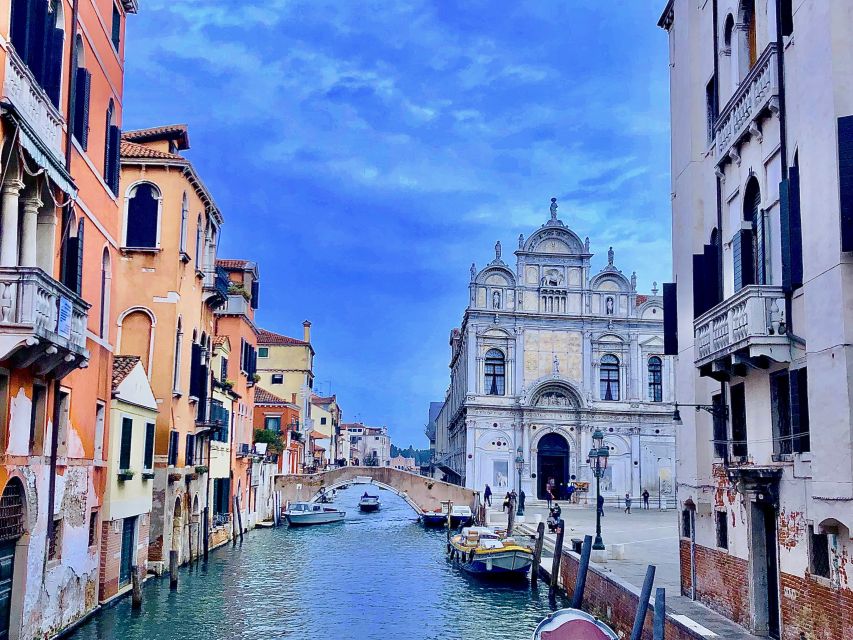
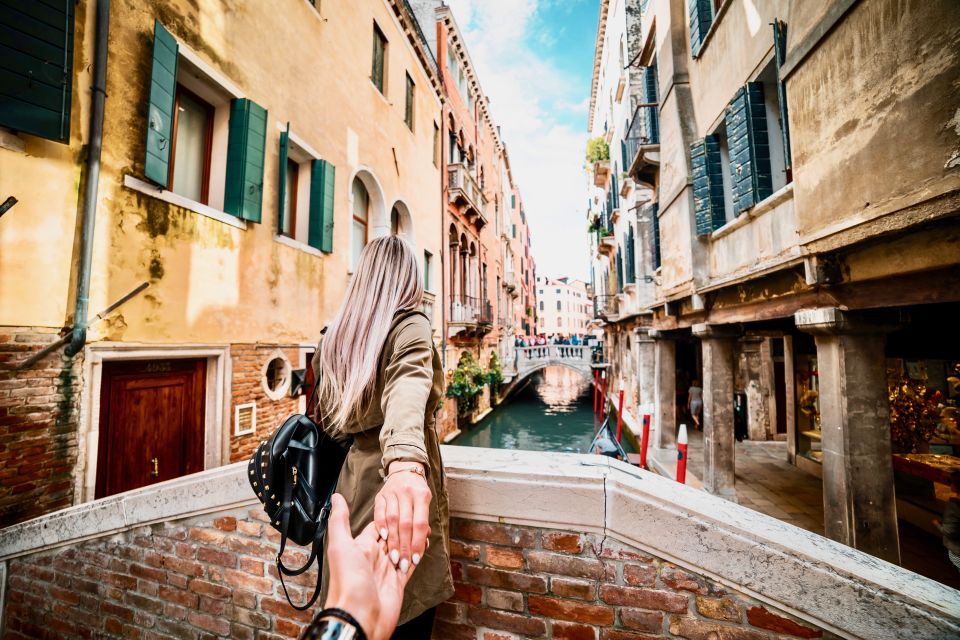
Castello is where Venice becomes harder to “scan.” The city narrows into calli (lane-like streets), turns into little puzzles of sightlines, and keeps redirecting you over bridges. You’ll walk through winding canals and across wide, picturesque campi. It’s the kind of route that teaches you how Venice is built: not as a grid, but as a network of paths shaped by water and history.
This portion is also where the guide’s explanations help the most. When you’re turning corners and crossing bridges every few minutes, it’s easy to forget what you just saw. Having live commentary on a headset keeps the flow coherent, so the walking feels like a guided story rather than a check-the-box stroll.
What makes Castello worth your time
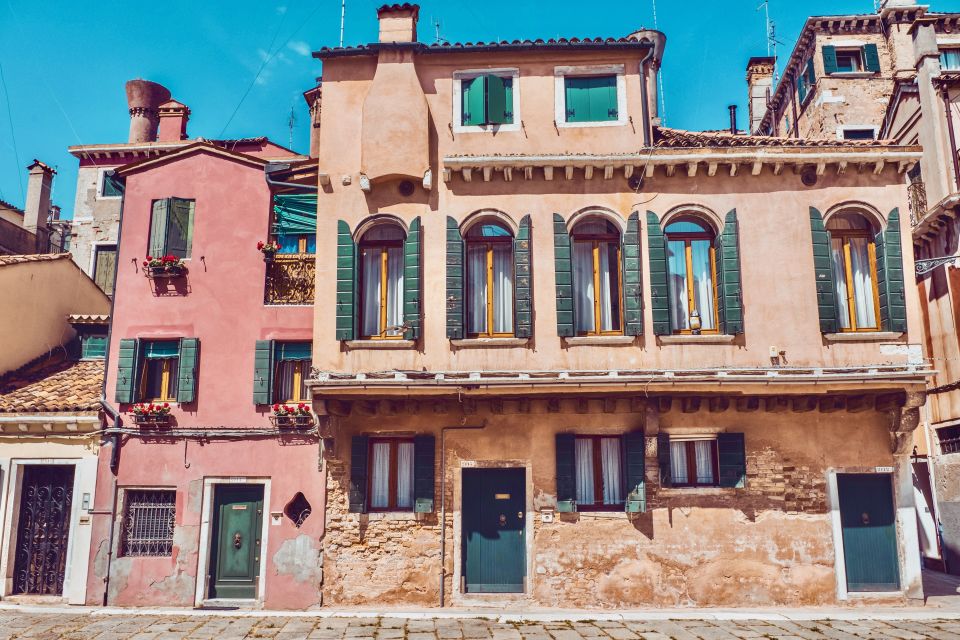
You could wander Castello on your own, sure. But you might miss what to look for—or spend extra time figuring it out. This tour gives you a curated walk through the neighborhoods behind San Marco, focusing on less crowded squares and historic sites that many visitors skip because they assume they’re “just streets.”
Campo Santa Maria Formosa: a square with a lived-in feel
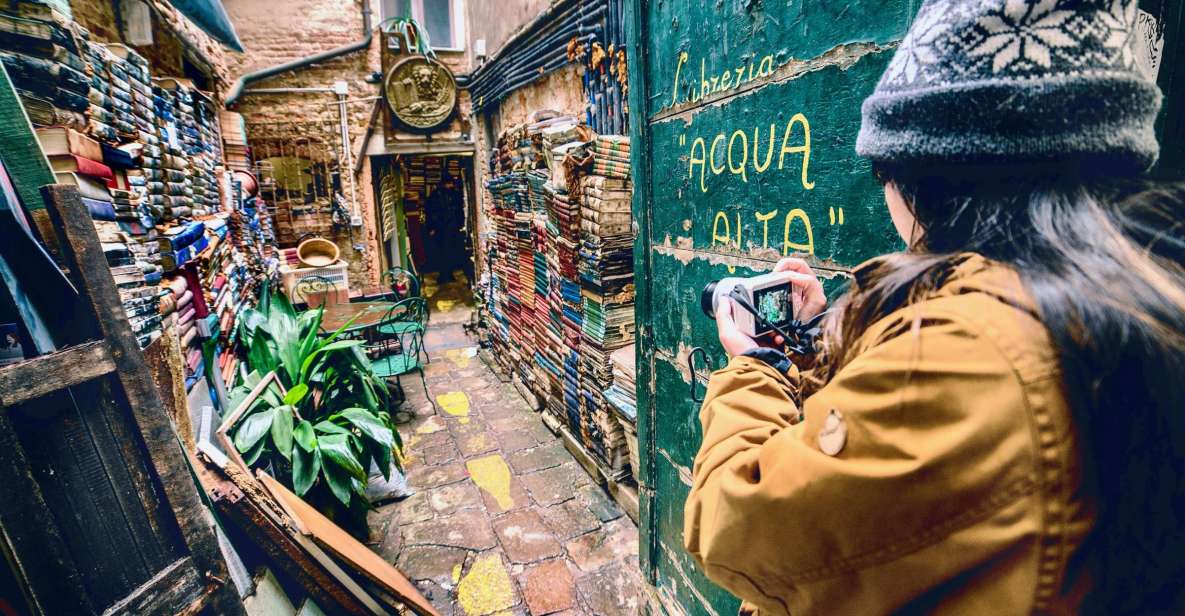
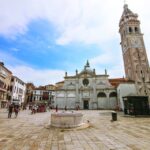
One of your specific stops is campo Santa Maria Formosa. Even if you don’t go inside anything, a campo can tell you a lot. It’s where people gather, where the city’s social rhythm shows up in architecture and street layout, and where you feel the difference between “tour Venice” and “day-to-day Venice.”
This stop is valuable because it’s not just a postcard stop. You get a sense of scale and community space—how Venice organizes daily life around open squares that sit within the maze of calli.



The drawback here (for some people)
If you’re hoping for nonstop big-ticket attractions, you might find this part calmer than expected. But that’s also the point. This tour is designed to make you understand Venice’s structure and daily atmosphere, not just collect landmarks.
Campo San Giovanni & Paolo and the Doges’ burial story
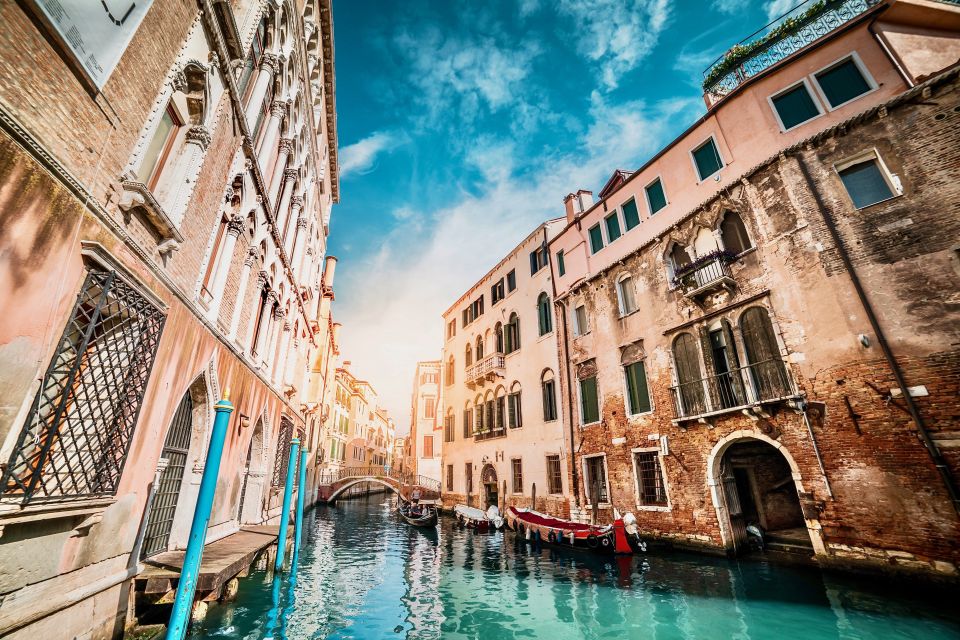
Next up is campo San Giovanni & Paolo, a square tied to a key church: the Basilica where the doges of Venice were buried. That detail changes how you’ll see the area. Venice wasn’t only about merchants and ships—it was also about power, legacy, and the way leaders wanted to be remembered.
The tour’s approach matters: you’re guided through buildings and spaces in context, so the basilica’s role in burial and remembrance isn’t just trivia. You’re learning how symbols worked in Venice, how the city honored authority, and why certain sites gained lasting significance.
Why this works even if you’ve never studied Venice
If your knowledge is mostly postcards and basilica photos, you’ll still get something out of this. The tour doesn’t assume you already know the Republic of Venice timeline. Instead, it gives you just enough background to make the architecture and burial connection click.
The Mercerie walk back: a useful final thread to connect the city
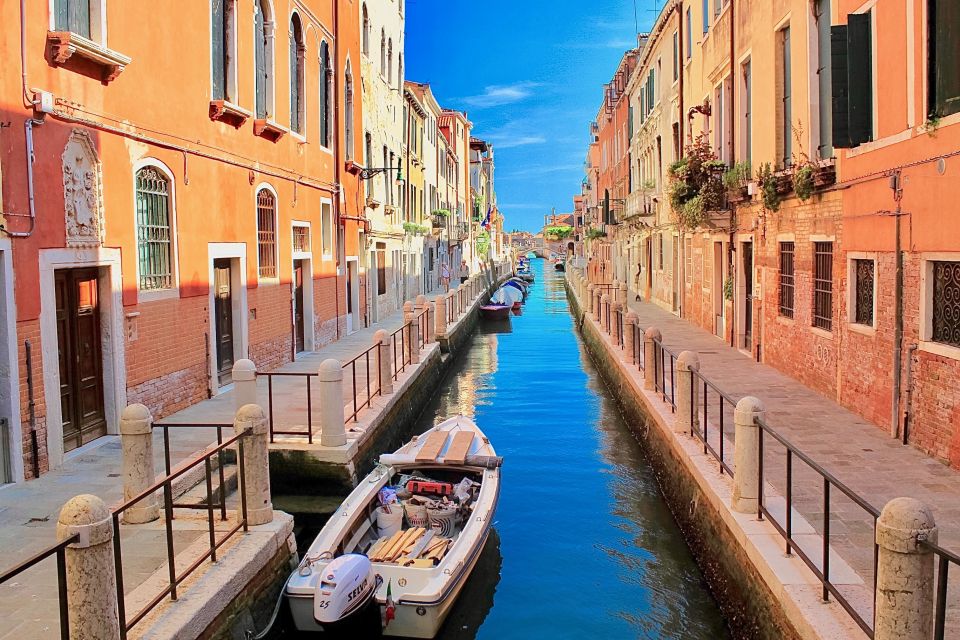
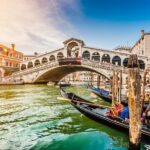
When the tour ends, you return to San Marco’s Square, passing through the Mercerie—the shopping connection street between Rialto and San Marco. This is a smart wrap-up. It gives you a familiar corridor to re-enter the most tourist-packed zone, but it’s timed after you’ve had the calmer part of the walk.
Even if you don’t plan to shop, the Mercerie is practical for orientation. It helps you connect Venice neighborhoods with movement patterns. After this tour, you’ll probably find it easier to choose where to head next, because you’ll know how the city “links” internally.
The value question: is $37 worth 1.5 hours?
At $37 per person for a 1.5-hour guided walking tour, the value depends on what you want out of Venice.
Here’s why I think it’s fair for the right traveler:
- You get a local guide plus a personal audio system with headsets, which is a real upgrade over just listening to someone over street noise.
- The route includes multiple named areas (St. Mark’s Square, Castello, specific campi, basilica context, and the Mercerie back path), so you’re not paying for random wandering.
- You’re paying for a structured orientation that can save time during your first day—especially in a city where it’s easy to get turned around.
What could make it feel pricey:
- If you already feel totally comfortable with Venice history and you don’t care about interpretation, then you’re paying more for guidance than for access. The tour doesn’t include museum entry, so you’re not buying attractions—you’re buying explanation and route design.
My practical take: if you want your first hour and a half to turn into confidence for the rest of your trip, this price can make sense.
The guide + headset setup: why it matters in Venice

Venice walking tours can fail in one simple way: you can’t hear the guide.
This one includes a personal audio system and headset, and the guide provides live commentary in English, French, German, Spanish, and Italian sessions. That setup changes your experience because:
- You can actually follow the story while walking.
- You’re less dependent on perfect spacing in the group.
- You can take in details without constant head-turning or straining.
In the guide styles that have shown up (names like Rosanna and Elisabeth appear in past bookings), you can see a theme: history with clear communication. Even if you’re not chasing deep academic detail, you still want explanations that feel connected to what you’re seeing right now.
Timing and movement: easy on paper, real on feet
The tour is 1.5 hours, rain or shine, and it’s an external walking tour only. That means:
- You should wear comfortable shoes. Venice doesn’t do forgiving footwear.
- You’ll be moving continuously, with stops for commentary at squares and key points.
Also, it’s not suitable for wheelchair users. If you need accessibility accommodations, you’ll want to consider a different format that avoids tight external routes and constant walking.
Group size (a note from the experience pattern)
You may find the group not huge based on how people describe the feel of the walk. Even if it’s not small, the headset helps keep the experience “together” rather than chaotic.
Who should book this tour
This is a great match if:
- You’re visiting Venice for the first time and want context fast.
- You want St. Mark’s Square explained, then want to avoid spending your whole day in crowds.
- You like churches and history, but you prefer explanations you can hear clearly while moving.
It may not be ideal if:
- You want museum time or ticketed attraction entry during this specific outing.
- You need step-free access or wheelchair-friendly routing.
Should you book? My decision guide
Book it if you’re planning your first day and want a smart introduction that balances landmark awe with calmer residential Venice. This tour’s value comes from the combination: St. Mark’s Square meaning first, then Castello atmosphere where Venice feels more like a place you could live.
Skip it (or swap it) if your priority is only “enter big sights” or if you’re already very comfortable reading Venice’s main sites without a guide. In that case, you might get similar satisfaction from self-guided wandering and spending that money on attractions you’ll enter.
If you fit the first group, you’ll likely leave with two things that matter in Venice: a clearer sense of how the city works, and a route you can repeat later with confidence.
FAQ
Where does the tour start?
The meeting point is Calle larga de l’Ascension (30124), behind the Correr museum and opposite St. Mark’s Basilica. Look for the TURIVE assistant next to the post office San Marco.
How early should I arrive?
Check-in is 15 minutes before the booked tour starting time.
How long is the tour?
The walking tour lasts 1.5 hours.
What areas are included in the walking route?
You’ll cover St. Mark’s Square and then move into the Castello area, including campo Santa Maria Formosa and campo San Giovanni & Paolo, and you’ll return through the Mercerie.
Does the tour include museum or attraction entry?
No. The tour does not include access to museums or attractions.
Is this tour wheelchair accessible?
No. This activity is not wheelchair accessible.
What languages is the live commentary available in?
Live commentary is offered in English, French, German, Spanish, and Italian (session-dependent).
What’s included with the tour?
Included are the guided walking tour, plus a personal audio system and headset for tour commentary.
What should I wear?
Wear comfortable walking shoes. The tour is rain or shine.
Can I cancel for a refund?
Yes. You can cancel up to 24 hours in advance for a full refund.