REVIEW · VENICE
Unusual Venice Walking Tour through Rialto & Gondola Experience
Book on Viator →Operated by CITY TOURS CO. LTD · Bookable on Viator
Venice can feel like a maze. This tour gives you structure with a walking route to Rialto and a shared gondola ride that’s easy to fit into a half-day. I especially like how it gets you away from the busiest lanes around St. Mark’s, while still lining up classic sights like the bell tower and Palazzo Ducale views.
Two things I’d highlight: the guide-led “Venice behind the postcard” stories (I’ve seen great performances from guides such as Valentina and Natalia) and the extra gondola touch beyond just boarding the boat. The gondola gallery and the gondola audio help you understand what you’re seeing, not just watch it pass. One possible drawback is timing: there’s a break between the walking portion and the gondola slot, so you should plan for waiting and don’t stack another tour right after.
In This Review
- Key highlights you’ll actually feel
- Where this tour starts: St. Mark’s area and why meeting point matters
- The walking route: San Marco’s monuments, plus the Venice between them
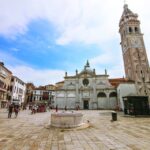
- Stop 1: Piazza San Marco and the real Venetian soul
- The explorer connection and a white plaque moment
- Rialto Bridge: first urban center energy
- San Marco Basin, San Giorgio Island, Bell Tower, and the Bridge of Sighs view
- How the gondola portion works: gallery, shared ride, and audio
- Gondola Gallery: tools, cross-section, and how they’re built
- Intro to boarding + multilingual help
- Shared gondola rules: up to 5 people, weight-based seating
- Timing reality check: plan around waiting and schedule conflicts
- What the gondola ride feels like in the canals
- Group size and the guide impact: what you can count on
- Rain, wind, and high tide: how Venice can change your day
- Value: is $60.60 a smart buy?
- Who this tour suits best (and who should skip it)
- Should you book this Venice walking + gondola combo?
- FAQ
- How long is the experience?
- Is the gondola ride included, and how long is it?
- Does the tour offer English?
- Where do we meet, and where does it end?
- How many people are on each gondola, and can I choose my seat?
- What happens if weather or high tide affects the tour?
Key highlights you’ll actually feel
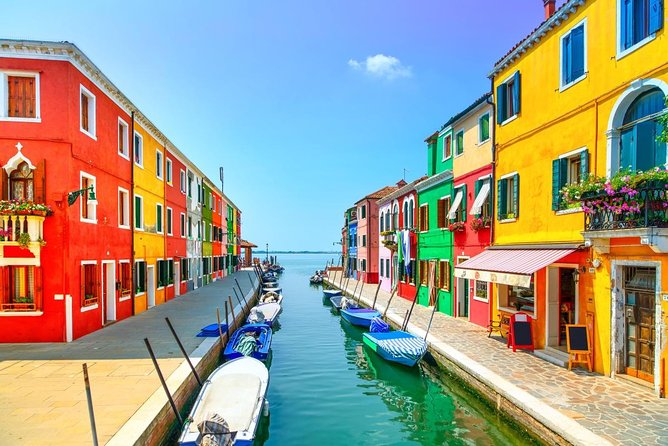
- Small-group vibe (max 15) makes the walking part more manageable.
- St. Mark’s Square to Rialto Bridge route hits both headline Venice and quieter corners.
- Gondola-making gallery shows how boats are built, with tools and a cross-section.
- Audio commentary on the gondola keeps the ride from turning into silent drifting.
- Shared ride with up to 5 passengers means shorter lines, but you give up some control over where you sit.
Where this tour starts: St. Mark’s area and why meeting point matters
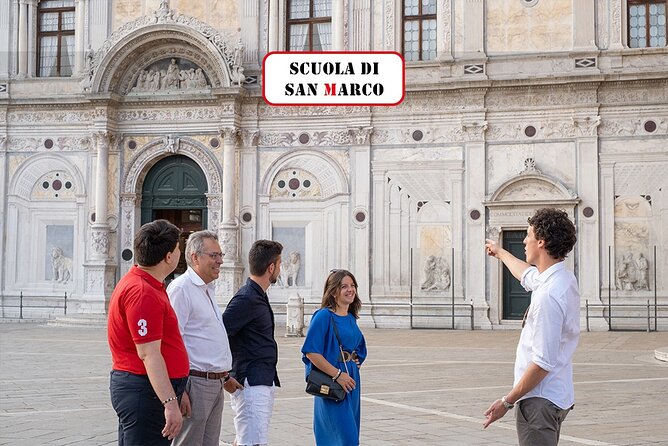
The action begins near St. Mark’s Square at Gondola Experience Venice Tours Srl, Calle S. Gallo 1093/b. You’ll want to arrive early. Even though you’re told to be at the meeting point about 5 minutes before departure, Venice foot traffic and canal-side wayfinding can eat time fast—especially on streets with few signs.
This is a walking-and-gondola combo, so your “start location” is tied to your “end location,” too. In practice, that means you should treat the meeting point like a hub: if you’re lost, you’re not far from the place you need to be. Still, allow extra buffer if you’re arriving by foot from a water bus stop, or if you’re traveling with luggage.
You can also read our reviews of more walking tours in Venice


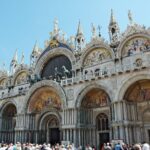
The walking route: San Marco’s monuments, plus the Venice between them
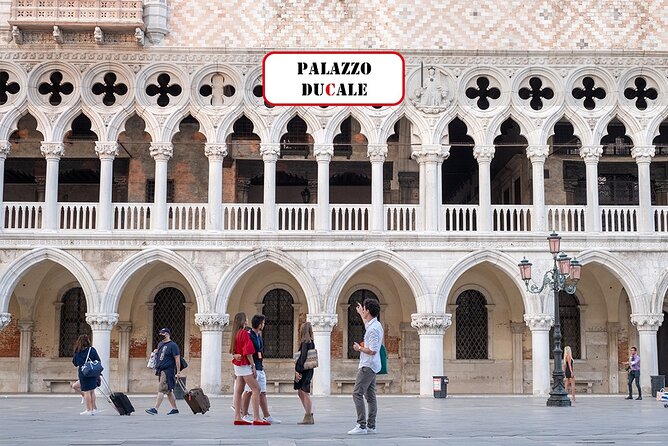
The walking tour portion is built like a guided orientation. It starts at Piazza San Marco and quickly moves into the “romantic Venice” you don’t see if you just rush from one landmark photo to the next.
Stop 1: Piazza San Marco and the real Venetian soul
You spend time in St. Mark’s Square listening to what matters about the main monuments—then you’re guided into smaller streets with stories that connect the dots. I like this approach because it helps you read the city as you walk: you notice details instead of only landmarks.
Also, there’s often an added intro before or near the start that can include a VR look at Venice’s history (I’ve seen it described as a virtual reality experience in a library next to the office). If that’s offered on your day, it’s a good way to warm up your attention before you hit the narrow lanes.
The explorer connection and a white plaque moment
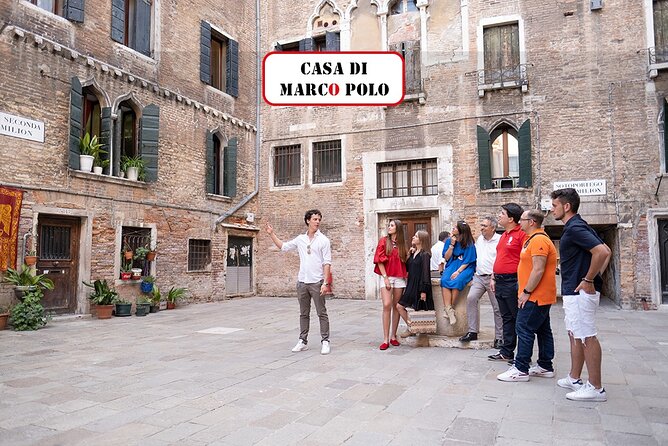
Along the way, you’ll pause at a building believed to be connected to a famous explorer, marked by a white plaque, and now used as a theater. It’s the kind of tiny detail that’s easy to ignore when you’re sightseeing solo—here, a guide points it out and gives it context.
This is one reason I’m a fan of local guidance in Venice: the city’s “signals” are subtle. A white plaque isn’t flashy, but it’s part of how Venice records its own story.
Rialto Bridge: first urban center energy
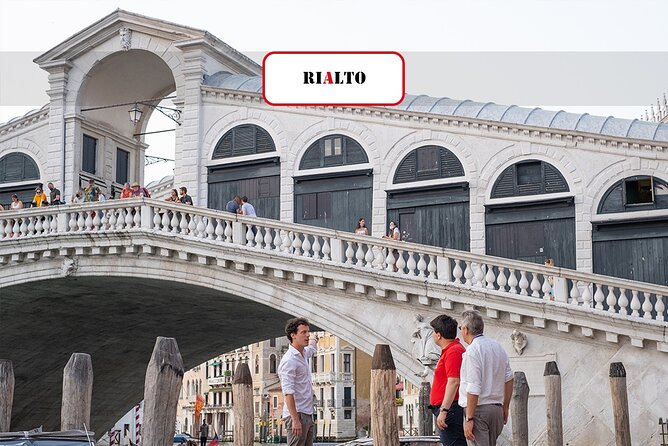
Next, you focus on the Rialto area, including the Rialto Bridge and its importance as an early urban center. You’re not just walking across a famous span—you’re learning why it became a hub in the first place.
For me, this is where the tour finds its balance. St. Mark’s is big, visual, and crowded. Rialto is more grounded. You get a better sense of daily Venice: movement, commerce, and the way people actually used the canals and bridges.

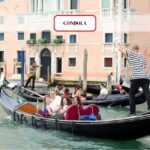



San Marco Basin, San Giorgio Island, Bell Tower, and the Bridge of Sighs view
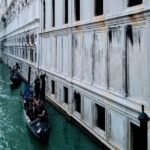
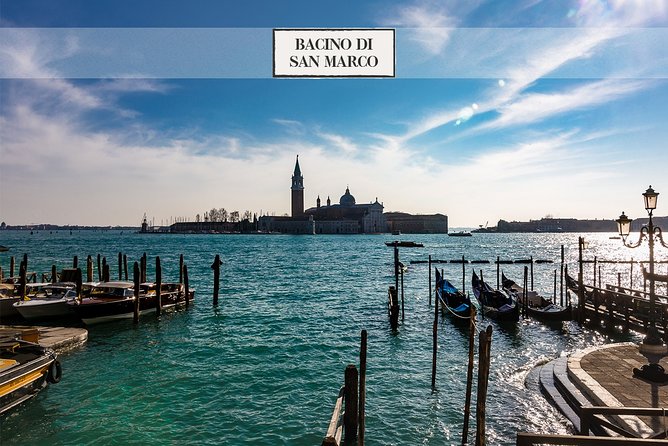
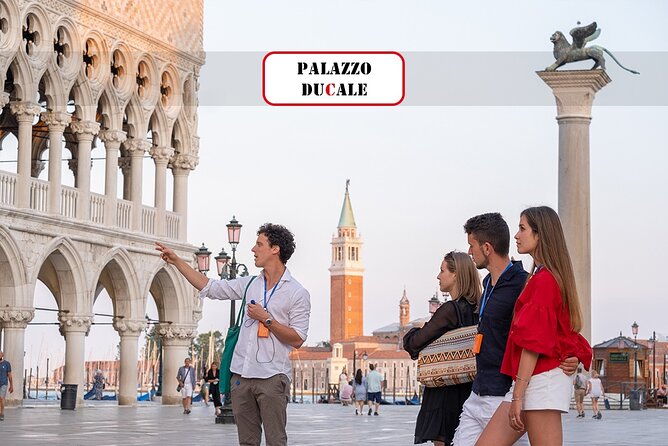
The walk builds toward a viewpoint sequence: you end near the St. Mark’s Basin area and look across to S. Giorgio Island, then take in the stunning views of the bell tower and Palazzo Ducale. You also get a unique view on the Bridge of Sighs.
This part matters because it gives you a clean payoff. It’s not random sightseeing; it’s a planned progression of sight lines. You leave with mental “anchors,” which makes the rest of your Venice day easier. You’ll recognize landmarks later while you wander on your own.
How the gondola portion works: gallery, shared ride, and audio
After the walking tour, the gondola experience starts. Here’s the practical truth: there’s usually a break between the walking end and your gondola boarding time. Even when everything runs smoothly, you should expect downtime.
That said, the gondola experience includes more than the boat ride:
Gondola Gallery: tools, cross-section, and how they’re built
Before boarding, you may go through a short gondola gallery experience. You’ll see how gondolas are made, along with tools and a cross-section. I like this because it turns the gondola from a generic “tour boat” into something you can picture and respect as craft.
Intro to boarding + multilingual help
You’ll get assistance for embarking, and support may be multilingual. There’s also an audio commentary on the gondola ride itself, so you don’t rely only on the gondolier for information.
Shared gondola rules: up to 5 people, weight-based seating
Each gondola can carry a maximum of 5 people. Also, you don’t get to choose your exact seat; the gondolier assigns it depending on guest weight. If you’re particular about where you sit for comfort or photography, that’s worth noting.
In the best-case scenario, you still get a calm ride in smaller canals rather than the huge-city chaos. In the worst-case scenario, you might get a gondola where the gondolier isn’t chatty (the ride can be quiet, which some people love, and others find disappointing).
Timing reality check: plan around waiting and schedule conflicts
This is the biggest decision-point for whether the tour works for you.
A number of experiences describe a gap between the walking portion and the gondola ride—sometimes long enough that it can interfere with plans. Even when the ride length is listed as 30 minutes, the lived timing can vary based on your slot and the line schedule.
So here’s my advice: treat the gondola slot as the end of your day plan, not a bridge between other bookings. If you’re trying to catch another tour, a train, or a Murano-style plan back-to-back, you’re taking a risk.
If you do want to chain activities, build in buffer time. Venice runs on windows, not on perfect punctuality.
What the gondola ride feels like in the canals
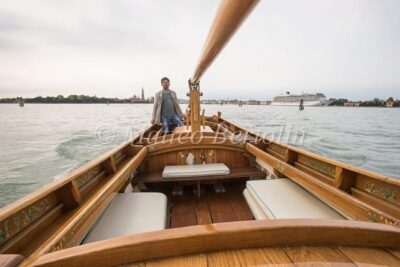
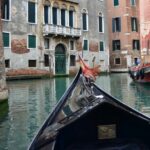
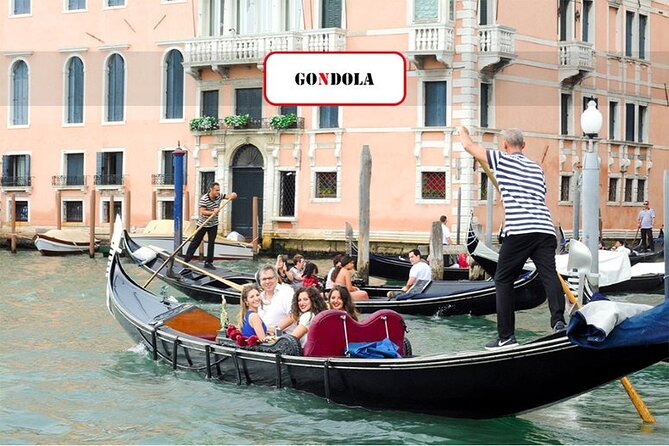
When your gondola finally launches, the ride is often described as quiet and scenic, especially compared with the crowds around St. Mark’s. The audio commentary helps pass the time in a meaningful way.
That said, the exact route can vary. Some people report a calmer route through smaller canals. Others mention that the ride didn’t go down the Grand Canal and that a large chunk of the route stayed near areas that didn’t feel as scenic as expected. Translation: you’re buying a shared gondola experience, not a guaranteed highlight reel.
Also, gondolier interaction varies. Some gondoliers stay focused and guide you without much conversation. If you’re hoping for a chatty storyteller, you might or might not get it.
Group size and the guide impact: what you can count on
This tour caps at 15 travelers, which helps the walking segment feel organized rather than like a giant stampede. Your guide leads the commentary using hearing devices, and the pace is guided—so you don’t have to plan every turn.
The strongest feedback tends to go to guides who clearly explain the city and answer questions. I’ve seen several names come up in positive experiences, including Valentina, Natalia, Elena, and Teo. While you can’t guarantee a specific guide, the operator appears to staff multiple bilingual-capable guides on different days.
If you’re sensitive to language issues, pay attention to the possibility of mixed-language groups. On dual-language days, you may wait while information is repeated.
Rain, wind, and high tide: how Venice can change your day
Weather is the other timing wildcard in Venice.
The tour can adjust its itinerary due to wind or bad weather. In exceptional high tide conditions, the gondola portion doesn’t operate, and the experience can be postponed to the day after or refunded if it can’t be moved.
So if you’re visiting in shoulder season or rainy months, pack for it and keep flexible. The city doesn’t ask permission before it changes the rules.
Value: is $60.60 a smart buy?
For $60.60 per person, you’re paying for a guided walking tour plus a gondola experience that includes audio commentary, introductory explanation, and that gondola gallery component. It’s not just “stand in line and hop on a boat.”
Shared gondolas also help keep the price reasonable. You’ll trade some privacy (up to 5 people) for access to the classic experience without paying full private-boat pricing.
The main value risk isn’t the gondola itself—it’s the timing gap. If your schedule is too tight, the cost can feel worse when you’re waiting in the sun (or rain). If you have room in your plan, the price looks more fair: you get city context on foot, then you get the canal ride.
Who this tour suits best (and who should skip it)
This works well if you:
- Want a guided route that connects St. Mark’s to Rialto instead of bouncing landmark-to-landmark.
- Like learning small details like plaques, theaters, and why certain spots mattered.
- Are okay with a shared gondola and flexible timing.
It may not be ideal if you:
- Have another tour or a timed reservation right after the walking portion.
- Hate waiting with no control over slot times.
- Need a guaranteed long, scenic gondola route with lots of back-and-forth commentary from the gondolier.
Should you book this Venice walking + gondola combo?
My take: book it if you want structure and you can spare time.
If your goal is to see Venice in a “guided, make-sense-of-it” way—then glide through the canals afterward—this is a solid value. The best parts are the city storytelling and the viewpoints that give your self-guided walking later a big head start.
But don’t book it as a filler between other timed plans. The gap between walking and boarding can be longer than you expect, and the gondola route can vary. If you’re planning your day around tight connections, choose something with more predictable timing.
FAQ
How long is the experience?
The tour is about 2 hours 30 minutes.
Is the gondola ride included, and how long is it?
Yes. You get a shared gondola ride for about 30 minutes, plus an introduction and audio commentary.
Does the tour offer English?
The experience is offered in English, and it could be bilingual on certain days.
Where do we meet, and where does it end?
You meet near St. Mark’s Square at Gondola Experience Venice Tours Srl (Calle S. Gallo, 1093/b). The activity ends back at the meeting point.
How many people are on each gondola, and can I choose my seat?
Each gondola can host a maximum of 5 people. Seat assignment can’t be chosen and is assigned by the gondolier based on guest weight.
What happens if weather or high tide affects the tour?
The itinerary may change in wind or bad weather. In exceptional high tide, the tour doesn’t operate; it can be postponed to the next day or refunded if it can’t be rescheduled.