REVIEW · VENICE
Private Venice Canal Cruise: 2-Hour Grand Canal and Secret Canals
Book on Viator →Operated by Avventure Bellissime · Bookable on Viator
Venice is best read from the water. This private canal cruise stitches together the classic sights and the quieter corners, all in about two hours.
I especially like the mix: you get the Grand Canal views you came for, plus side routes through Cannaregio and the Jewish Ghetto where the city feels lived-in. I also like that the route includes stops beyond the postcard strip, including the Arsenale shipyard entrance and a gondola workshop area.
One thing to watch: the boat experience depends on how many people are on board. When everyone wants the best photo angle, you may feel a bit squeezed outside, and you’ll want to plan for that.
In This Review
- Key highlights before you go
- Venice by water: fast, focused, and way more believable
- Meeting at Giardini Reali: the part you should not overthink
- Porta dell’Acqua and the Arsenale: seeing power, not just pretty buildings
- Cannaregio’s back canals: where Venice feels less staged
- The Jewish Ghetto stop: a focused walk with real meaning
- Dorsoduro and gondola craftsmanship: when Venice shows its hands
- Grand Canal time: Rialto, churches, and bridges without the crowd crush
- Boat comfort and group size: the real-world part
- When the price feels fair (and when it might not)
- Who should book this cruise
- Should you book this Venice canal cruise?
- FAQ
- How long is the Venice canal cruise?
- Is this a private tour?
- Where do we meet, and where does the tour end?
- What language is the guide?
- Do we stop at the Jewish Ghetto?
- Do we go onto the Grand Canal?
- What should I expect if it rains or if there is high water?
Key highlights before you go
- Porta dell’Acqua to the Arsenale shipyard area: you’ll pass through the 12th-century shipyard gateway and see Venice’s former naval power in motion.
- A short Jewish Ghetto walk for photos: you get 15–20 minutes on foot around the main square, not just a drive-by.
- Back canals in Cannaregio: less main-street traffic, more canal-side daily life.
- Dorsoduro gondola craftsmanship: you’ll pass a traditional gondola workshop where craftspeople work on boats by hand.
- Grand Canal plus Rialto from the water: classic architecture, less grinding foot traffic.
- Small-group feel (often 8/9) that can turn private: if your date is quiet, the vibe can feel like it’s just your group.
Venice by water: fast, focused, and way more believable
If this is your first day in Venice, this type of cruise can save you hours. Walking is great, but Venice is a maze. A good water route gives you a real sense of how the city is laid out, and it shows you what the streets can’t.
This one is built for that orientation. You start near St Mark’s Square, then you work your way through the shipyard and neighborhoods that most casual plans skip. You’ll also see the Grand Canal segment that matters, including the famous Rialto Bridge.
And you do it with an English-speaking guide who keeps the commentary flowing. Guides you may hear referenced include Sergio, who has art and history credentials and decades of guiding experience, plus guides like Georgia and Cristina who were specifically praised for clear English and a steady pace.
You can also read our reviews of more boat tours in Venice
Meeting at Giardini Reali: the part you should not overthink
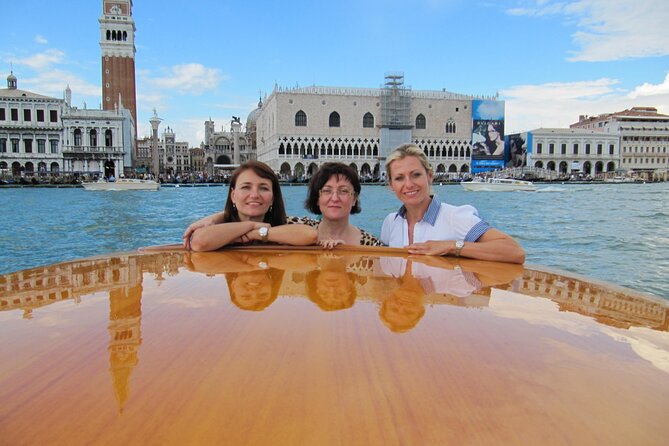
Your meeting point is Giardini Reali, Piazza San Marco (by the water). The tour ends back at the same spot, so you can treat it like a self-contained “get your bearings fast” block.
Two practical tips here:
- Go a little early. Venice water logistics are real, and the boat leaves on schedule.
- Bring your camera ready. Most of the best moments are quick passes—Rialto, churches, and bridges—so don’t wait until you’re already mid-turn.
There’s no hotel pickup, so plan to arrive on foot from your lodging or via nearby public transit. You’ll also get a mobile ticket, which makes entry smoother.
Porta dell’Acqua and the Arsenale: seeing power, not just pretty buildings
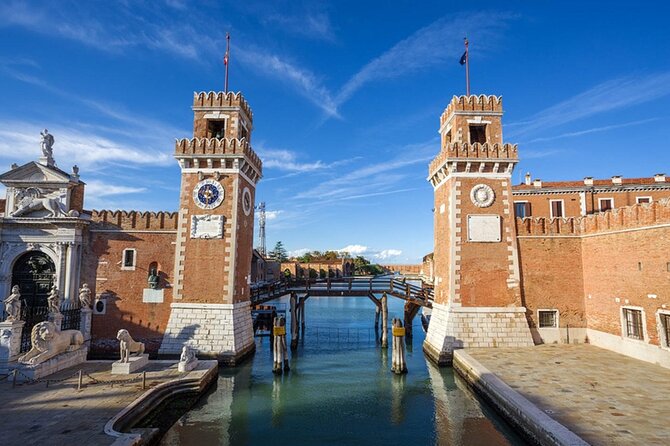
One of the most interesting segments is the trip into the Arsenal area. You’ll pass through Porta dell’Acqua, the gateway into Venice’s 12th-century shipyard complex, known as the Arsenale.
From the water, this hits differently than reading about it later. Venice wasn’t just a city of canals and gondolas. It ran like a maritime machine. The Arsenale was once among Europe’s biggest naval depots, and cruising past this industrial-heritage space gives you that “oh, this city was built to move ships” feeling.
What makes this stop valuable for you:
- It breaks the usual Venice loop of churches and palaces only.
- It adds context for why the Grand Canal looks the way it does: Venice was a trading and shipbuilding hub, and that shaped everything.
Cannaregio’s back canals: where Venice feels less staged
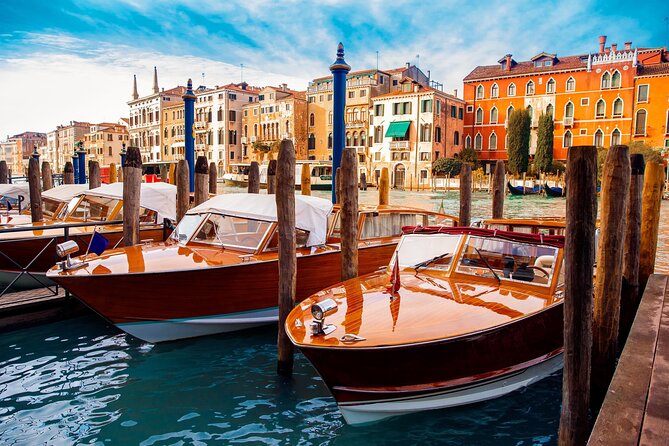
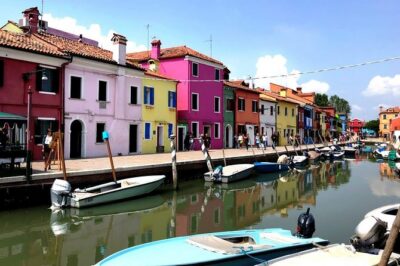
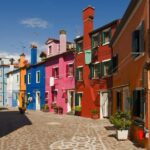
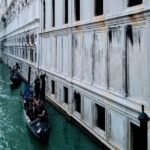
After the shipyard area, the cruise heads toward Cannaregio. This is where the tour name starts to make sense. The canals here aren’t about giant vistas. They’re about scale—narrow waterways, canal-side facades, and everyday Venice rhythms.
This is also where you’ll see the city outside the main tourist push. You’re not stuck in a single famous viewpoint. You’re moving, turning, and seeing Venice’s texture like it was designed for boats first and people second.
A couple of notes you’ll appreciate on the day:
- Expect lots of small photo opportunities rather than one “big reveal.”
- If you’re traveling with a mix of ages, this section usually works well because it’s mostly observation from the boat, not constant walking.
The Jewish Ghetto stop: a focused walk with real meaning
The boat then takes you to the Jewish Ghetto (Ghetto Ebraico). You’ll disembark for about 15–20 minutes to explore by foot and capture photos around the main square area.
This walk is short by design. It’s not trying to replace a full-day historical visit. Instead, it gives you a time-efficient way to connect the setting to the story: architecture, street shape, and how the neighborhood reads from the inside.
How to make the most of it:
- Have your camera ready before you hop off.
- Look up as well as forward. Ghetto streets can feel visually “tight,” and the buildings do a lot of the talking.
- Keep moving at a calm pace. Short stops are not for lingering in one corner.
If you like a guide who keeps facts grounded and doesn’t overwhelm you, this is the part that tends to feel most satisfying because the area is so distinct.
You can also read our reviews of more private tours in Venice
Dorsoduro and gondola craftsmanship: when Venice shows its hands
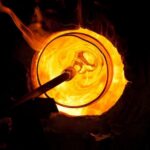
Next, you head toward Santa Croce and Dorsoduro, with a special moment around gondola making. The cruise includes a pass by a traditional gondola workshop where craftspeople carve and finish these iconic boats by hand.
This is a great change of pace from sightseeing. It turns Venice from “architecture you look at” into “craft you can understand.” Even if you only catch the workshop while cruising past, the idea matters: gondolas are not decorative boats. They’re built, measured, and shaped by people.
If you’re hoping for the most authentic Venice moments, this segment helps. It nudges your brain from postcard Venice to working Venice.
Grand Canal time: Rialto, churches, and bridges without the crowd crush
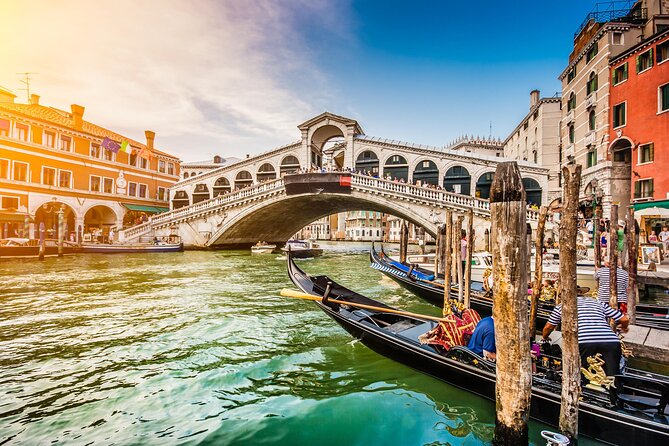
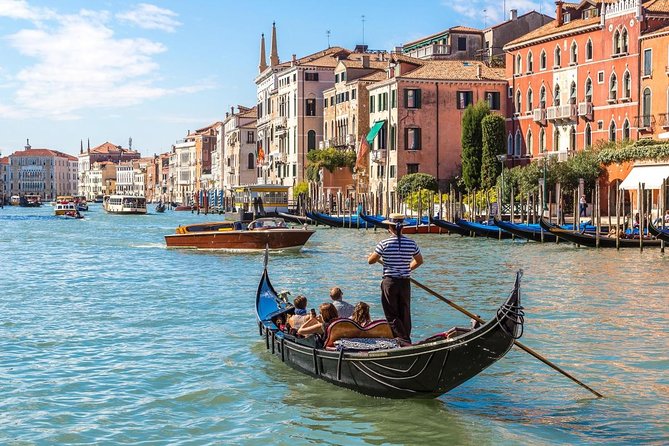
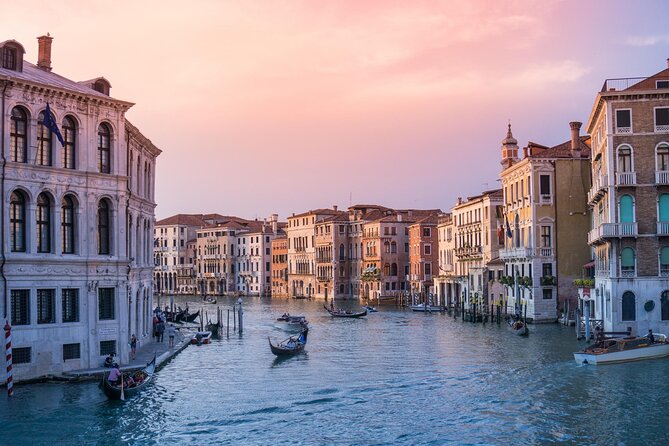
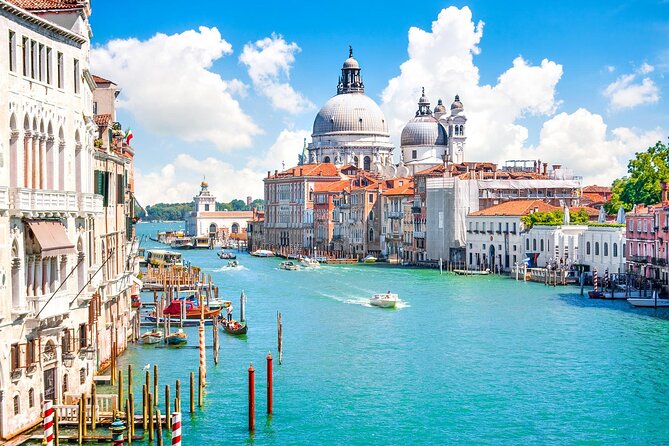
Then comes the Grand Canal. This is the section that people usually remember on the way home, because it’s the closest thing Venice has to a moving gallery.
You’ll pass:
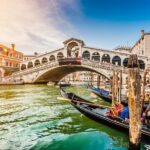
- Rialto Bridge (you’ll float beneath it)
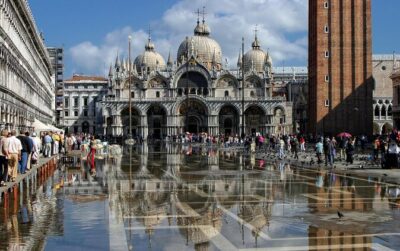
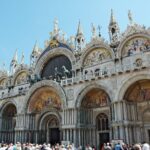
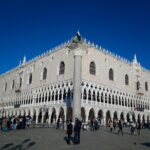
- St Mark’s Square and the Doges Palace view from the water
- Accademia Gallery and the bridge area
- Ponte degli Scalzi, described as the third bridge connecting the two sides of the Grand Canal
- Santa Maria di Nazareth, a Baroque church mentioned on the route
- Squero San Trovaso, an older, still active gondola-building workshop site
Here’s the value for you: seeing these places from the water keeps you out of the worst congestion and gives your eyes a better “whole picture.” On foot, you constantly stop, detour, and dodge bottlenecks. From the canal, you just glide.
Tip for photo timing: when you’re near Rialto, expect rapid changes. Hold your stance, aim slightly earlier than you think, and shoot in bursts.
Boat comfort and group size: the real-world part
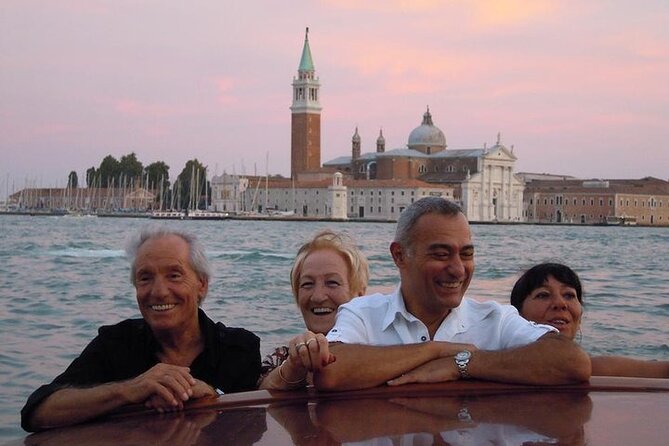
The cruise is described as a small group experience, commonly around 8/9 people, and it’s private in the sense that only your group participates.
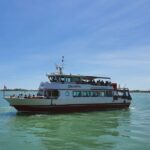
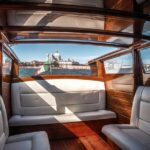
Still, this is Venice. The boat type used for Grand Canal access can include a cabin section. Some people are happier standing in the open-air portion for photos. Others prefer being under cover if it’s cold, wet, or windy.
A fair consideration:
- If your priority is having everyone outside at once for the best views, you may find the outdoor seating/standing area tight when the group is at capacity.
- If you’re sensitive to audio, note that guides can use a microphone, but distractions can happen. One interruption from a loud phone conversation was mentioned in feedback, and it’s the kind of thing that can briefly make commentary harder to hear.
What you can do:
- Dress for weather. The tour operates in all weather conditions, but it might adapt during high water.
- Plan on camera awkwardness. Venice boats do not stop long. Your best shots happen during passes, not during parking.
When the price feels fair (and when it might not)
At $521.33 per person for a 2-hour cruise, this is not a bargain. It’s priced like a premium “let’s see a lot, without wasting time” experience.
So how do you judge value?
- You’re paying for a guided route that compresses several distinct areas: Arsenale/Porta dell’Acqua, Cannaregio, the Jewish Ghetto walk, Dorsoduro gondola craftsmanship, then the Grand Canal and Rialto from the water.
- You’re also paying for the private-group structure and the English-speaking guide.
- You’re skipping a lot of logistical effort: no hotel pickup, but the meeting point is simple and the route is timed so you don’t spend your day bouncing between distant neighborhoods.
This price can make sense if:
- You’re on a short visit and want orientation plus key sights.
- Your group values guide context, not just scenery.
- You want to combine water views with a brief on-foot stop (the Jewish Ghetto) without committing to a long walking day.
It might feel steep if:
- You’re the type who prefers to spend hours slowly wandering neighborhoods you already know.
- You want a large amount of time at a single site rather than quick, moving glimpses.
Who should book this cruise
This tour is a strong match for you if you:
- Want a first-day or second-day Venice plan that gives you a clear read of the city.
- Like history explained in plain language while you move through real neighborhoods.
- Prefer a boat-based route that reduces foot fatigue and navigation stress.
You may want to rethink if:
- You hate tight photo angles and you expect everyone to have constant open-air access.
- You need long, detailed time in one museum-level stop. This is a two-hour tour, and it’s designed to cover ground.
Should you book this Venice canal cruise?
My take: book it if your goal is smart orientation plus the big sights, with a real contrast between the Grand Canal and the quieter neighborhoods. The Arsenale gateway pass, the Jewish Ghetto walk time, and the gondola workshop angle give this cruise more substance than a basic “ride around Venice” option.
Go in with realistic expectations about the boat. You’ll likely get great water views and smooth guiding, but you should also be ready for the shared-space tradeoff that comes with a small boat and a small group.
If you do book, choose clothing you can move in, keep your camera accessible, and plan to enjoy the gliding rhythm. Venice rewards that mindset.
FAQ
How long is the Venice canal cruise?
The experience runs about 2 hours.
Is this a private tour?
Yes. It’s listed as a private tour/activity, meaning only your group participates.
Where do we meet, and where does the tour end?
You meet at Giardini Reali, Piazza San Marco, 30124 Venezia (by the water). The tour ends back at the same meeting point.
What language is the guide?
The guide provides commentary in English.
Do we stop at the Jewish Ghetto?
Yes. You’ll have a stop for a walk of about 15–20 minutes in the Jewish Ghetto area for photos and exploring by foot.
Do we go onto the Grand Canal?
Yes. The cruise includes a Grand Canal section and you pass under Rialto Bridge.
What should I expect if it rains or if there is high water?
The tour operates in all weather conditions. During high water, the route may be partly adapted to weather conditions, but the experience still runs.