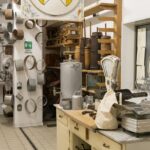
Murano glass in a few focused hours. This trip is built around getting you out on the Venetian Lagoon with fewer crowds, then landing you at Isola di Murano for a live glassblowing furnace visit where you can even shop on-site. My two favorite parts are the small-group feel and the fact that you’re not just watching from afar—you see real process. One thing to keep in mind: the live demo can be short, and on special dates it may vary by what’s operating at the furnace.
Guides like Sabrina and Claudia are a big part of why this works. They’ll fill the boat ride and the island time with clear context, so the glassmaking doesn’t feel like a magic show with no meaning. And since the furnace admission and the glass demonstration are included, you’re paying for an actual craft experience, not just transport.
What you should expect most days is focused art time on Murano, plus relaxed island strolling and panoramic views on the way back. If you’re the type who wants hours of uninterrupted glassworking, you’ll likely want to adjust your expectations and use the on-site time wisely.
In This Review
- Key takeaways before you go
- Leaving Main Venice: The Lagoon Cruise That Buys You Calm
- Isola di Murano Furnace Visit: What the Live Demo Really Delivers
- Getting Around Murano: How to Use Your Time on the Island
- Burano Pairing for Lace and Color: If Your Departure Includes It
- Shopping Smart in Murano: Beautiful Glass, Real-World Prices
- Guide Style and Sound: Small Group Support That Matters
- Price and Value at About $41: What You’re Actually Paying For
- Weather and Timing: How to Avoid a Day That Feels Cut Short
- Who This Tour Suits Best (and Who Might Feel Frustrated)
- Should You Book This Murano Glassblowing and Art-and-Walk Tour?
- FAQ
- How much does the Murano glassblowing tour cost?
- How long is the experience?
- Where does the tour start?
- What’s included in the tour price?
- What’s not included?
- Is the tour in English?
- How many people are in the group?
- Will the tour run in the rain?
- What happens in exceptionally bad weather?
- Is there an access fee for some visitors?
Key takeaways before you go
- Semi-private water taxi helps you trade long lines and noise for a smoother ride.
- Isola di Murano furnace admission is included, with a live glass demonstration.
- Small groups (max 10 travelers) usually mean easier pacing and more guide support.
- You get time to explore and not just stand still for a short show.
- On-site shopping is part of the experience, so decide in advance what you’ll and won’t buy.
Leaving Main Venice: The Lagoon Cruise That Buys You Calm
Venice by water can either feel like controlled chaos or a real trip. This one starts the good way: you meet at Venice Tours on Calle de le Rasse (4536) and head out by semi-private water taxi to Murano, away from the thickest crowds. That matters, because the “Venice experience” is often a lot of stop-and-start walking. Here, the boat ride does some of the work for you.
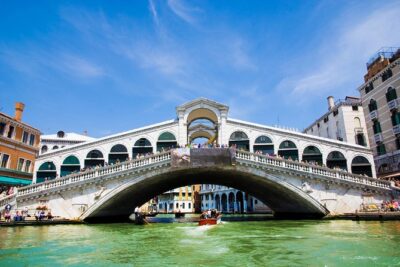
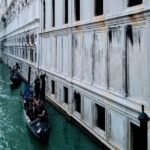
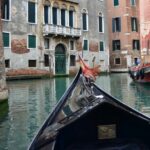
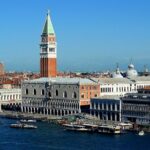
On top of that, you get panoramic views of Venice from the water. Even if the sky is gray, the lagoon angle gives you a different sense of scale than you get near St. Mark’s. It also helps you understand how these islands fit into the city. Venice isn’t one place—it’s a whole floating system.
One practical tip: bring a layer. The boat is covered, but you can still feel a breeze. If you get sensitive to wind, plan to stand smartly and keep an eye out for where you’ll be able to see and hear your guide. You’ll do best if you sit/stand where you can face forward during briefing and island instructions.
You can also read our reviews of more walking tours in Venice
Isola di Murano Furnace Visit: What the Live Demo Really Delivers
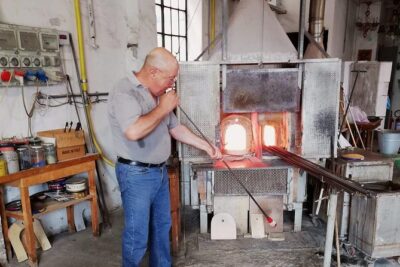
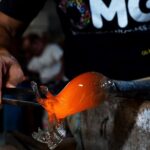
This is the heart of the experience: a visit connected to a Murano Furnace, including admission and a glass demonstration. The furnace visit is listed at about 30 minutes, and the live part tends to focus on showing how objects are formed—like the pitcher and even small figurines—rather than running a full long production session.
Here’s the honest expectation-setting: multiple guides and guests describe the demonstration as brief—often around 5 to 10 minutes. That doesn’t make it useless. It just means you should treat it like a craft highlight, not a full behind-the-scenes workshop.
You also get value beyond the demo itself. Murano is where you’ll see glassmaking culture in a way that’s hard to replicate anywhere else in Venice. Even if you’re not buying anything, it helps to watch the sequence the way a master would teach it: the heat, the shaping, the finishing. And on-site, you’ll have the chance to buy pieces from local production if you decide something catches your eye.
The one possible drawback isn’t about the art—it’s about variability. There are reports of furnaces not operating as planned on certain holidays, with guests being redirected to another location and sometimes with less glassmaking happening than expected. If you’re traveling on a date with heavy holidays, I’d go in with flexibility.
Getting Around Murano: How to Use Your Time on the Island
Murano is compact enough that you can explore without sprinting, but it still rewards simple wandering. The tour’s structure is designed to give you island time rather than locking you in place. In practice, that means you can look around, refocus your eyes on the glass pieces you just learned about, and then decide if you want to shop—or just observe.
For many people, the win here is pacing: you’re not spending your whole time in a single room. You get a short furnace experience, then you’re free to roam. That’s the difference between a “show” and a “trip.”
If you want to make your Murano time pay off, do it in this order:
1) Take in the furnace demo and shop area while it’s fresh in your head.
2) Walk the nearby streets and squares to reset your senses.
3) Only then decide whether you want to buy something, and whether you understand what you’re paying for.
A reality check: several guests felt the tour’s glassmaking portion could be longer, and others noted a lot of time spent around high-priced glass items. That’s not surprising—Murano is part art district, part retail ecosystem. Still, you’ll enjoy it more if you go in knowing this is as much about seeing culture up close as it is about watching the craft for hours.
Burano Pairing for Lace and Color: If Your Departure Includes It
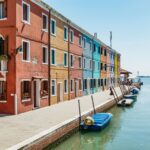
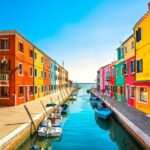
Murano is the headline, but many departures are paired with time on Burano, the lace and color-islands side of the story. In real life, Burano tends to be the island where people exhale. The colorful houses are eye-catching from the moment you arrive, and the area feels more like a lived-in town than a glass-themed stop.
If your schedule includes Burano, you may spot small lace-making demonstrations in shops and see how lace traditions continue in a commercial setting. One review mentioned a lace picture demonstration, and another highlighted specific sweets like Esse (S) cookies that came recommended by the guide.
Also, Burano gives you something Murano often doesn’t: visual variety. Where Murano can feel heavy on glass displays, Burano gives you “walk-and-look” time—windows, canals, and colorful facades you’ll want to photograph from different angles.
Important caution: if your goal is mainly glassblowing, Burano can feel like time “added,” not time “needed.” If you’re the opposite—if you want broader island flavor—Burano may be exactly why this tour is worth it.
Shopping Smart in Murano: Beautiful Glass, Real-World Prices
Let’s talk money, because Murano glass is not a casual souvenir. The tour environment naturally steers you toward glass shops and the on-site production you can buy. And yes, some guests felt the items were overpriced and that the retail time can outweigh the demo.
Here’s how to protect your wallet while still enjoying the experience:
- Decide your budget before you see the big showrooms.
- If you’re tempted by a bigger-ticket piece, ask yourself if you’re buying the art or buying the moment.
- Look for quality cues you can actually understand from what you saw in the furnace demo.
If you want a smaller keepsake, you might do better choosing something that’s clearly tied to the process you just watched, rather than picking the first pretty thing with a fancy tag. Also remember that Murano glass shop displays can be overwhelming. A guide can help you understand what’s traditional versus what’s more tourist-friendly.
If you’re traveling with the mindset that the tour is about craft appreciation and you’ll buy only if something truly clicks, you’ll likely have a better time. If you’re buying as the main goal, you may feel squeezed.
You can also read our reviews of more tours and experiences in Venice





Guide Style and Sound: Small Group Support That Matters
This experience runs with a maximum of 10 travelers, which changes the whole feel. Fewer people means the guide can actually manage movement between the dock, the furnace, and the island time. It also usually helps with questions—especially if you’re curious about how the glassmaking process connects to Murano’s identity.
Names that came up in feedback include Sabrina and Claudia. Both were described as informative and friendly, with guides adding storytelling and practical pointers during the cruise and on arrival. That’s a big deal because glassmaking can look like a sequence of hand movements unless someone gives you context.
One thing to watch: a couple guests complained that the guide could be hard to hear, especially in wind or from a less ideal position. If you’re sensitive to sound, pick your spot early during briefing and keep your phone and camera ready so you’re not constantly moving. And if this tour uses assistance like audio devices, take them and use them—quick fix when you don’t hear well.
Price and Value at About $41: What You’re Actually Paying For
At about $41.13 per person, you’re buying three core things: guided craft time, a semi-private water taxi experience, and the furnace admission plus glass demonstration. In Venice, transport and access often make or break value. Here, the boat element is the main reason the price can feel reasonable.
The tour also includes a specialized official tour leader who provides onboard info and island assistance. That helps when you’re trying to understand where to go and how long things take. If you’ve ever arrived at Venice attractions with no plan, you know how much time that saves.
The trade-off is that the demo can be short. Some people end up comparing the trip to doing it on your own by vaporetto and spending the day exploring. If your priority is maximum glassmaking viewing time, you may feel you should DIY or add extra hours after the tour.
But if you value organization, water transport, and a guided “what you’re seeing” layer, this price usually makes sense. The best value comes when you:
- enjoy a short, well-explained craft highlight, and
- want to avoid coordinating the ferry-water-taxi side alone.
Weather and Timing: How to Avoid a Day That Feels Cut Short
Venice on the water is weather-dependent, even with covered boats. The tour is described as operating regularly in rain, with boats covered, but it may be postponed in some cases. In exceptionally bad weather, the tour won’t take place.
So build in flexibility. If you have a tight train connection, give yourself buffer time. One guest reported a longer-than-expected trip that caused a missed connection, while the listing commonly describes it as around 3 hours approx. The safe move is to treat this as a half-day commitment, not a quick add-on.
Also consider the date. One major disappointment report described a holiday situation where the furnace was not operating as expected. If you’re visiting around big holidays, it’s smart to expect the demo could be different—especially if your heart is set on a very specific glass moment.
Who This Tour Suits Best (and Who Might Feel Frustrated)
This is a strong fit for you if:
- you want Murano glassblowing with a guide explaining what you’re seeing,
- you prefer a small-group experience,
- you want lagoon views without battling the densest crowds, and
- you like the idea of island time, not a nonstop schedule.
It may feel frustrating if:
- your top goal is a long, uninterrupted glassmaking session,
- you’re shopping-averse and hate the sales-heavy atmosphere,
- you’re traveling on a holiday date and need everything to run exactly as advertised,
- you have super-tight timing constraints (trains, tours right after).
For couples, solo travelers, and families who want an easy Venice “day slice,” small-group water transport plus a craft stop is a practical mix. For hardcore craft enthusiasts who want maximum time at a furnace, you might want more than what this format can provide.
Should You Book This Murano Glassblowing and Art-and-Walk Tour?
Book it if you want a guided Murano furnace experience plus the Venice Lagoon ride, and you’re okay with the demo being a highlight rather than a full-length production session. The included furnace admission and the semi-private water taxi are the value anchors, and the small group cap helps keep the experience from feeling like a cattle call.
Skip or reconsider if you need long-form glassmaking viewing, you’re highly budget-sensitive about what’s sold on-site, or your schedule is too tight to absorb weather delays. If you do book, plan for flexible timing, bring a layer for the boat, and go in deciding whether you’re an observer or a buyer.
If your goal is to appreciate Murano glassmaking without overplanning Venice logistics, this is a solid way to do it.
FAQ
How much does the Murano glassblowing tour cost?
It costs $41.13 per person.
How long is the experience?
The experience is listed at about 3 hours.
Where does the tour start?
The meeting point is Venice Tours on Calle de le Rasse, 4536, 30122 Venezia VE, Italy.
What’s included in the tour price?
You get a guided tour, a semi-private water taxi to and from Murano, and a glass demonstration at the Murano Furnace (with admission ticket included for the furnace visit).
What’s not included?
Food and drinks are not included, and there is no hotel pick-up.
Is the tour in English?
Yes, it’s offered in English.
How many people are in the group?
The tour has a maximum of 10 travelers.
Will the tour run in the rain?
It operates regularly in case of rain, and it may be postponed to later days in those situations.
What happens in exceptionally bad weather?
If weather is exceptionally bad, the tour will not take place. In that case, you’ll be offered a different date or a full refund.
Is there an access fee for some visitors?
On certain dates, some travelers staying outside Venice who are visiting for the day may need to pay a €5 access fee. You can check details and exemptions at https://cda.ve.it.