REVIEW · VENICE
Murano: Glassblowing Workshop for Beginners
Book on GetYourGuide →Operated by Wave Murano Glass - Factory, Tours and Experiences · Bookable on GetYourGuide
Hot glass makes instant sense.
This Murano workshop turns a classic island craft into a real, hands-on experience, where you learn the basics from a master and end with your own glass souvenir shaped by you, not bought off a shelf.
I love the hands-on coaching—the teaching style is patient and practical, with instructors like Ana and Stefania described as friendly and careful. I also love that you leave with your own glass piece, not just photos: you get a clear demo, then guided exercises so you can actually perform the motions before you tackle hot glass.
One consideration: the glass needs to anneal overnight, so you either pick it up the next day or pay to ship it. Also, the workshop involves extreme heat, so it’s not a good fit if you struggle with high-temperature environments or panic easily.
In This Review
- Key things I think you’ll care about
- Murano glassblowing for beginners: what you’re really learning
- Arriving at Wave Murano Glass: the meeting point that saves time
- From live demo to hands-on practice: the safety and the coaching
- Working with 1000°C molten glass: what it feels like and why it matters
- Blowing your own Murano piece: choosing a shape and getting results
- Annealing overnight: next-day pickup or shipping home
- Price and value: is $277.55 fair for what you get?
- Who should book this workshop (and who should skip it)
- Tips to make your 2 hours go smoothly
- Should you book the Murano glassblowing workshop for beginners?
- FAQ
- How long is the Murano glassblowing workshop?
- Is the workshop taught in English?
- Can I take my glass piece home?
- What’s included in the price?
- Where do I meet for the workshop?
- Is there an age limit?
- What’s the cancellation policy?
Key things I think you’ll care about
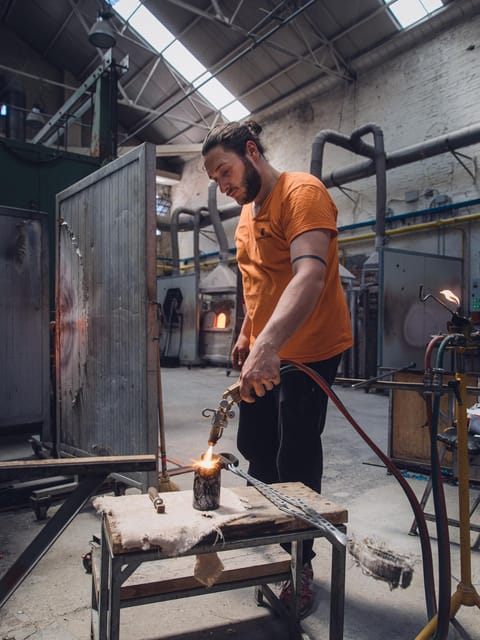
- Beginner pacing: you start with practical movement drills before touching hot glass.
- Safety first: safety glasses and a protective sleeve are part of the deal.
- You make the souvenir: the glass object you create is included in the price.
- Take-home logistics: annealing overnight means next-day pickup or optional shipping.
- Small group or private options: you can choose a more personal setup if you want it.
Murano glassblowing for beginners: what you’re really learning
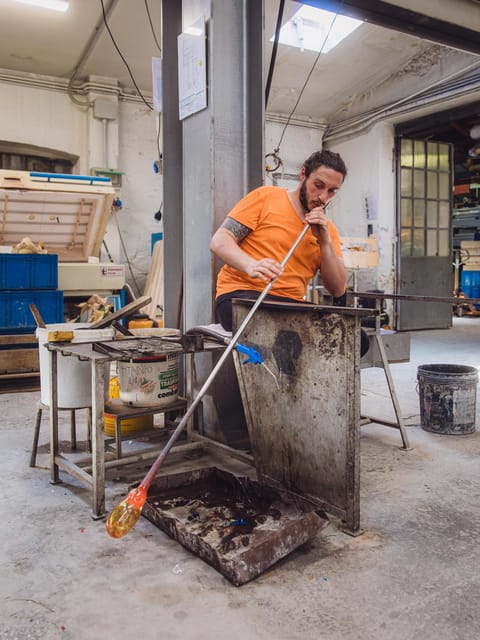
Glassblowing looks like magic until you get close to the process. In this workshop, the goal is not to make you a professional—it’s to make you competent enough to shape molten glass without guessing. You’ll practice the basic movements and hand-eye coordination first, then you’ll move to work with hot glass (the workshop focuses on feeling 1000°C molten glass with control, not bravado).
You’re also learning how glass behaves. Molten glass responds to breath, timing, and steady pressure. In a beginner class, that means the instructor’s job is to help you avoid the two common failures: losing your timing or moving your hands like you’re holding something cool and light. Here, you’re taught in stages so you can build the right muscle memory while the glass cool-down and heat exposure are still within what your body can manage.
The workshop runs in a small-group format or can be private. Either way, you’re working under a glass master’s instruction, with a mix of live demo and hands-on teaching. That combination matters because glassblowing is one of those crafts where seeing the steps is helpful, but doing the motions is what turns the lesson into a real skill.
You can also read our reviews of more tours and experiences in Venice


Arriving at Wave Murano Glass: the meeting point that saves time
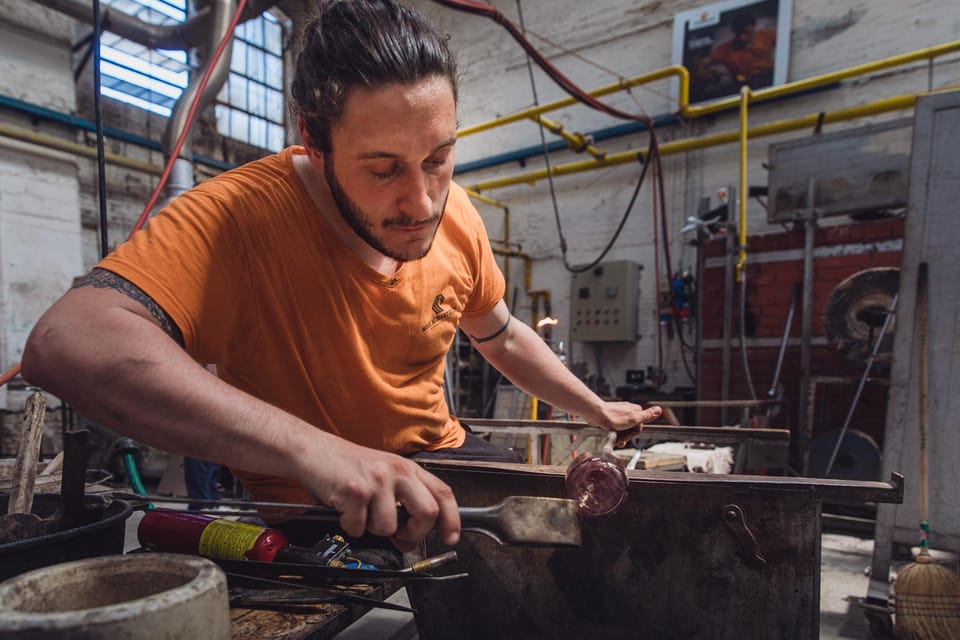
Murano is a small island, but workshops can still feel confusing if you head to the wrong door. You’ll meet at the front desk in the glass factory gallery/showroom, and you should go directly to the showroom. The instruction is specific: don’t meet in the area where the glass masters are.
That detail sounds tiny, but it can save your whole session. You’re likely to be wearing safety glasses and getting fitted with a sleeve, and the workshop timing is tight. If you arrive and wander into the wrong space, you’re just burning minutes while everyone else is already starting the demo portion.
Language is English, so you won’t have to piece together instructions with gestures. And the workshop includes basic essentials like water, safety glasses, and that protective sleeve—so you can show up focused on learning rather than playing organizer.
If you’re combining Murano with a Venice day trip, watch for the special 5 EUR access fee rules on certain dates for people staying outside of Venice and visiting for the day. It’s tied to specific days and exemptions, so check cda.ve.it before you plan your schedule.
From live demo to hands-on practice: the safety and the coaching
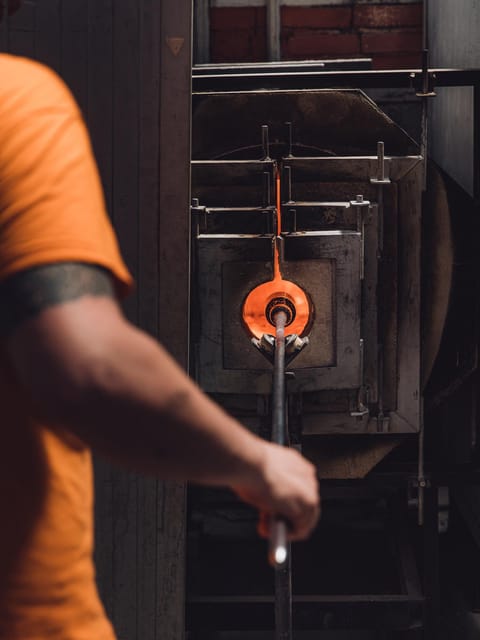
The workshop includes a live glassmaking demo and guided instruction from a glass master. Before you touch anything hot, you’ll go through practical exercises designed to teach the basic movements and hand-eye coordination.
This is where many beginner experiences either help you succeed—or accidentally set you up to fail. Here, the staging is the point. You start with dry movement practice so you understand how tools and glass movement relate to each other. Then you transition toward hot-glass feel, so you don’t meet 1000°C molten glass blind.
Safety gear is included: safety glasses and a sleeve that protects your arm from furnace heat. If you’ve never worn furnace-side protection before, you’ll likely notice right away how it changes your comfort and your reach. That sleeve is not just for safety; it also makes it realistic to keep your arm positioned correctly when you’re learning.
Instructors are described as patient and tuned to beginners’ pace. In at least some sessions, guides like Ana and Hillary are noted for being friendly and step-by-step with participants. Stefania is also cited for clearly explaining the process and risks, which is exactly what you want in a hot, high-focus environment.
One more practical note: alcohol and drugs aren’t allowed. And if you’re someone who doesn’t handle stress well, know that the workshop is physical and hot enough that you’ll feel focused the whole time.
Working with 1000°C molten glass: what it feels like and why it matters
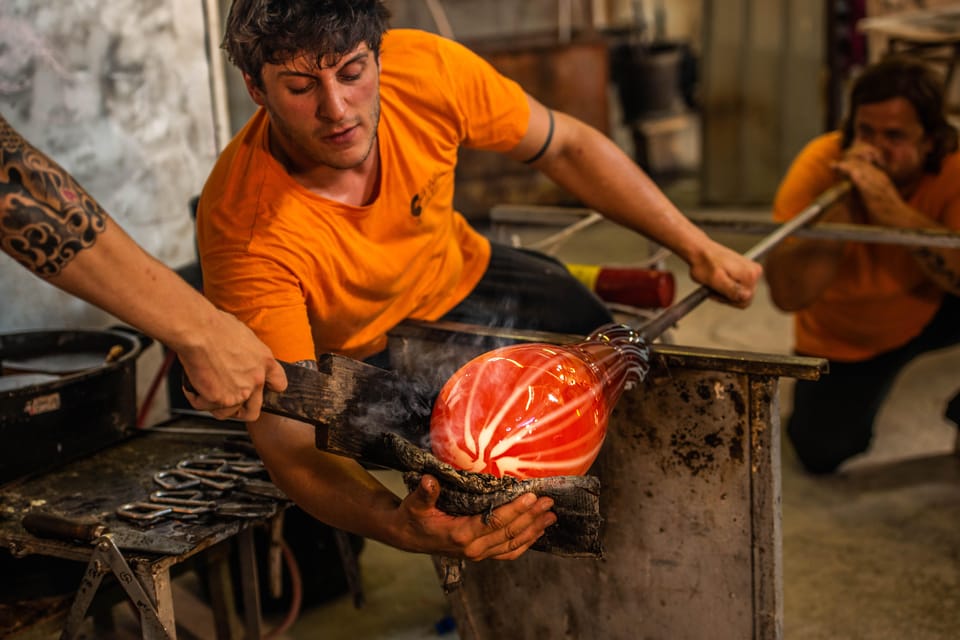
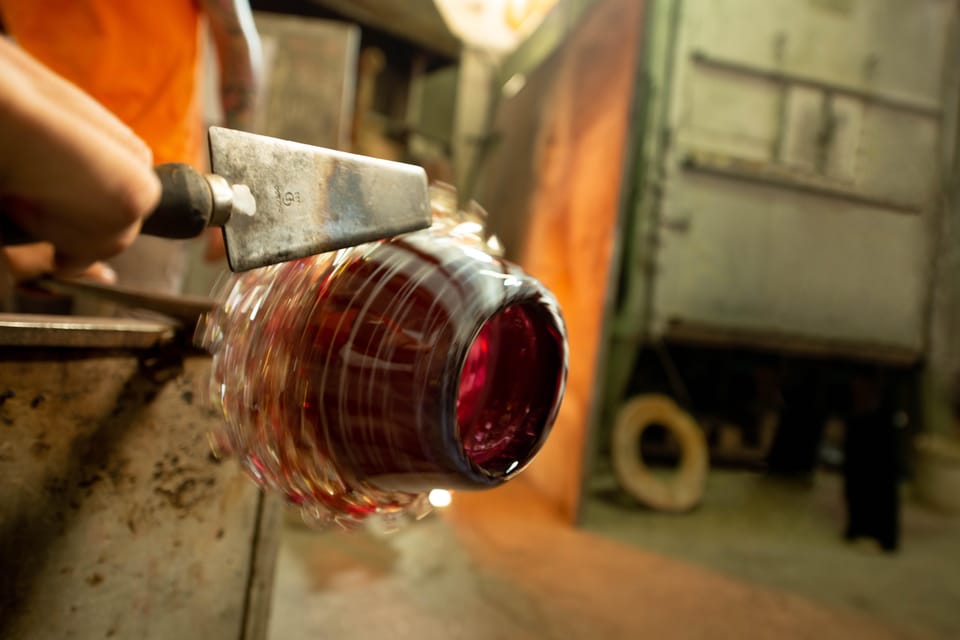
The workshop’s hot-glass segment is built around developing a “feel” for moving molten glass at extreme temperatures. You’re not just being shown what to do; you’re being coached through the mechanics of staying steady and controlling motion.
Here’s why that matters for a beginner: hot glass is forgiving in some ways (it can be shaped) and unforgiving in others (timing and technique affect the outcome). If you move too quickly or too roughly, it won’t hold the form you want. If you hesitate too long, the glass behavior changes. The instructor’s job is to help you hit that working window.
The included protective sleeve helps you stay comfortable while learning near the furnace heat. You’ll also have safety glasses on throughout so you can focus on your task instead of worrying about your safety.
You should also be ready for heat discomfort. This activity is not recommended for people who have trouble resisting extreme heat, and it’s not recommended for people who panic easily. It’s also flagged as not suitable for people with health issues, pregnant women, people with back problems, people with heart problems, and people with low level of fitness.
If you’re physically capable but just nervous, it may help to go in with the right expectations: this isn’t a calm craft class. It’s a controlled, guided session where your job is to learn technique while working in a hot environment.
Blowing your own Murano piece: choosing a shape and getting results
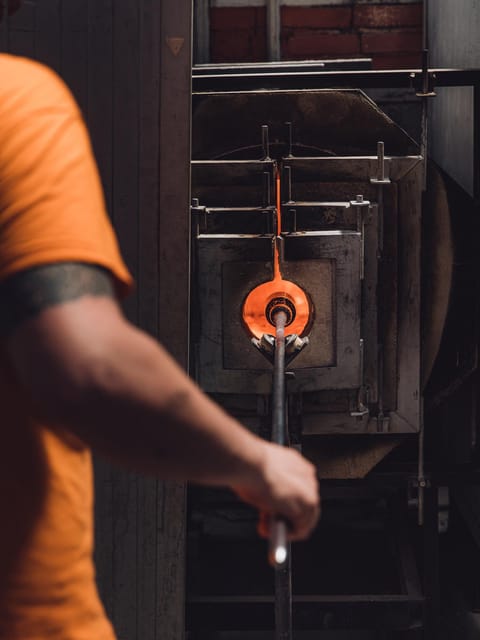
At the end of the practice, you’ll blow your own Murano glass artifact. The workshop mentions you can choose a drinking cup, a bowl, or a small custom glass vase. Even if your first try isn’t perfect, the point is that you’re learning the actual shaping process, not filling out a survey and picking up a pre-made item.
The experience is structured so you can start with the basics and then apply them. That’s why the earlier movement exercises matter: when you’re finally creating your piece, you’re already familiar with how your hands and tools need to move together.
It’s also a fun kind of pressure. Everyone in the room is learning something new at the same time, but you’re the one making your object. That turns the class into a souvenir experience with emotional value. You’ll likely find yourself looking at the piece a bit differently once you know how much control it took to shape it.
A practical tip: ask your instructor to confirm what they want you to focus on for your shape choice—cup vs bowl vs small vase. The workshop is designed for beginners, but small adjustments in technique can matter depending on the object form.






Annealing overnight: next-day pickup or shipping home
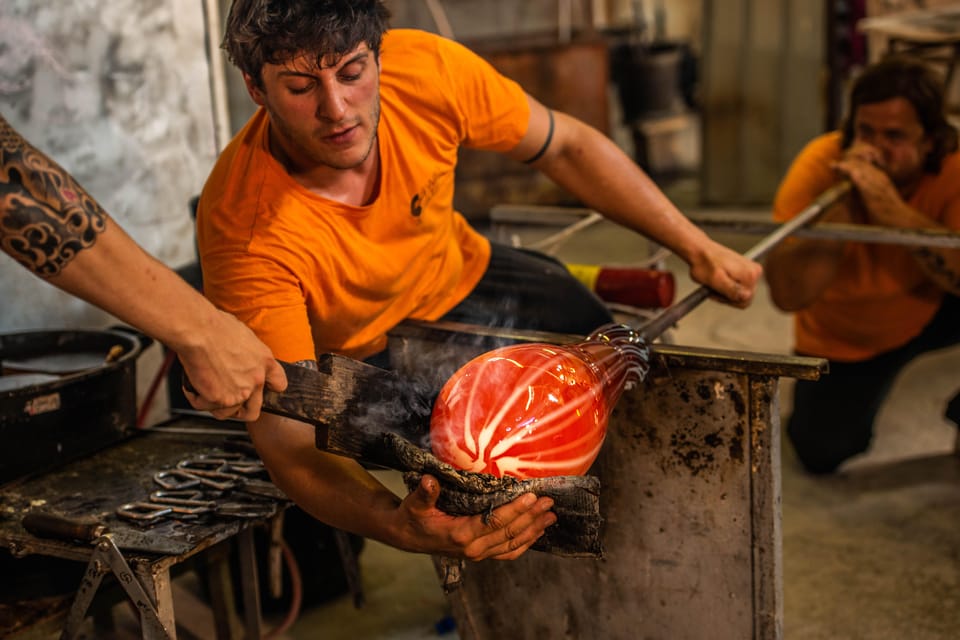
Your glass piece needs time to anneal overnight. That’s why the workshop doesn’t end with you walking out holding a fully finished item in your hands immediately.
What happens in practice is straightforward: you make the artifact during the session, then you let it anneal. You can pick it up the next day. Shipping worldwide can be arranged, but it’s an additional fee, paid as your own expense.
This is a big deal for planning. If you’re visiting Murano as a day trip, you’ll want either (a) enough time the next day to return for pickup or (b) the willingness to ship it. If you’re flying out soon, think carefully about whether next-day pickup is realistic for your schedule.
Also remember that the workshop ends back at the meeting point, so you’re not left to figure out logistics in the middle. You’ll be guided through the process during the workshop and then you handle pickup or shipping afterward.
Price and value: is $277.55 fair for what you get?
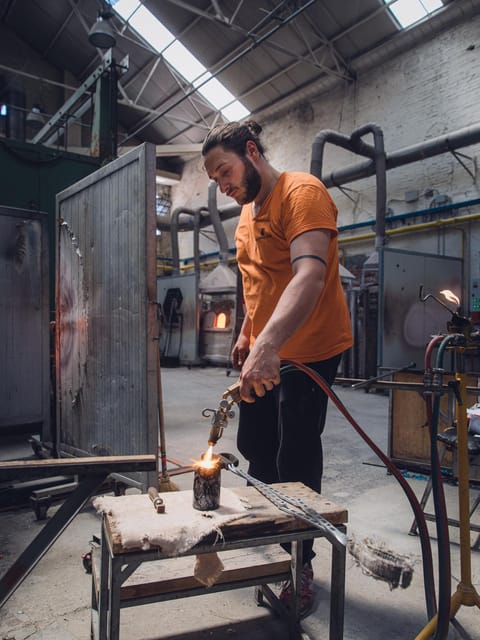
At $277.55 per person for a 2-hour workshop, you’re paying for a short, high-skill experience and a real included outcome: the glass item you craft. What makes it feel worth it is that it’s not a passive demonstration. You’re getting safety gear, a guided demo, hands-on instruction, and a tangible souvenir made by your hands.
You’re also paying for time with skilled labor. Glassblowing is labor-intensive and safety-critical, especially when you’re learning. That’s part of why the workshop isn’t just a quick novelty activity. The instruction time is tied to learning the motions safely, and then getting you through the step where you blow your own piece.
If you’re comparing this to buying Murano glass off a shelf, the price makes more sense. Retail pieces are beautiful, but you’re only consuming the result. Here, you’re experiencing the process. The value is the combination: access to a master craft moment plus a personalized keepsake that isn’t pre-made.
Still, it’s not cheap for a reason. If you’re traveling on a tight budget or you’re unsure about handling heat, it may feel like a steep spend. In that case, you can still enjoy Murano by visiting glass showrooms, but you wouldn’t get the same level of personal payoff.
Who should book this workshop (and who should skip it)
This is best for people who want a hands-on skill, not just sightseeing. It suits beginners because it starts with exercises that build basic movements and hand-eye coordination. If you want a souvenir that comes with a story you can explain in plain words—how you shaped and blew the glass—you’ll get that here.
It’s also a strong fit if you like working in a structured class format: demo first, then practice, then the final creation. The workshop includes what you need to participate (water, safety glasses, sleeve), and it’s run in English so instruction is clear.
On the other hand, it’s not recommended for people who:
- struggle resisting extreme heat
- panic easily
- have health issues
And it’s not allowed for people younger than 12. It’s also not suitable for pregnant women, people with back problems, people with heart problems, and people with low level of fitness.
If any of those apply to you, this is one of those activities where it’s better to choose a different Murano experience than to gamble with comfort and safety.
Tips to make your 2 hours go smoothly
- Wear clothing you’re comfortable keeping near heat. The workshop provides a protective sleeve, but you’ll still be in a hot environment.
- Don’t rush your thinking. Glassblowing is timing-heavy, so taking a second to follow the instructor’s guidance helps more than trying to move faster.
- Choose your piece type with care. If you’re deciding between cup, bowl, or a small custom vase, pick what you feel most confident shaping with your hands based on the instructor’s quick coaching.
- Plan for the next step. Since the glass anneals overnight, make sure your schedule supports next-day pickup or that you’re okay with optional shipping.
Also, if your day includes Venice plus Murano, plan your route and time so you don’t arrive frazzled. The workshop is short, and getting there in a calm frame helps you get the most from the instruction.
Should you book the Murano glassblowing workshop for beginners?
Book it if you want a true maker experience in Murano—beginner-friendly, guided, and built around learning the motions and then blowing your own glass artifact. The combination of a live demo, step-by-step instruction, included safety gear, and a real take-home souvenir makes it one of the more “worth the money” craft activities on the island.
Skip it (or choose a different Murano option) if you know you can’t handle extreme heat or you’re likely to panic in a high-intensity environment. This workshop is hot and physical, and the rules reflect that.
If you’re unsure, ask yourself one simple question: do you want to leave with a glass piece you shaped yourself, even if you have to return the next day for pickup? If yes, this is a very satisfying way to experience Murano’s glass craft up close.
FAQ
How long is the Murano glassblowing workshop?
The workshop lasts 2 hours. Check availability to see starting times.
Is the workshop taught in English?
Yes. The instructor provides instruction in English.
Can I take my glass piece home?
Yes. The glass item you craft is included, and it needs to anneal overnight. You can pick it up the next day, or arrange worldwide shipping for an additional fee.
What’s included in the price?
Included are the guide, the glassmaking demo, the glass item you craft, water, safety glasses, and a sleeve to protect your arm from the heat of the furnace.
Where do I meet for the workshop?
Meet at the front desk in the glass factory gallery/showroom. Do not meet in the area where the glass masters are—go directly to the showroom. The activity ends back at the meeting point.
Is there an age limit?
Yes. People younger than 12 are not allowed.
What’s the cancellation policy?
You can cancel up to 24 hours in advance for a full refund. The booking also offers reserve now & pay later, so you can keep plans flexible.