REVIEW · VENICE
Enchanting Venice: City Walk & Majestic Gondola Ride!
Book on Viator →Operated by VENEZIA GONDOLA TOUR · Bookable on Viator
Venice gets easier with a guide. This combo pairs a paced walking tour with a personal audio headset and a 30-minute shared gondola ride, so you see more without getting stuck in the crowd flow. I also like that you’re steered to the right streets between St. Mark’s and Rialto instead of playing map Tetris all day.
I’m a fan of tours that help you notice details you’d miss alone: La Fenice’s story, the Bovolo Staircase’s Renaissance design, and those quieter campi where locals actually linger. This one also keeps things practical with a guide doing the navigation for you, plus a smaller gondola grouping (max five) instead of cramming everyone into one boat.
One thing to consider: it’s not a private experience. The gondola is shared, seats are assigned, and in hot weather or busy routes you may feel the pace is on the brisk side.
Why This Combo Works in Venice
- Audio headset means you hear the guide clearly in tight alleys and over canal noise.
- Small groups (five on gondolas, up to fifteen on the walk) make it easier to stay together.
- Smart route design links major sights with quieter squares in between, so you don’t just sprint from landmark to landmark.
- La Fenice, Bovolo Staircase, and Rialto get explained in context, not as random photo stops.
- Grand Canal time on the water gives you a different angle on Venice’s architecture and traffic of boats.
- You avoid the “where are we?” stress because the guide leads the way and keeps you moving through the maze.
In This Review
- Getting Oriented Fast: St. Mark’s to the Quiet Side Streets
- Piazza San Marco Area Stops That Feel Local, Not Like a Checklist
- Campo Santa Maria Formosa: A Welcome Pause Mid-Route
- Rialto Bridge Timing: How to See It Without the Worst Bottlenecks
- Grand Canal Views From the Walk, Then From the Water
- Teatro La Fenice and the Power of Storytelling on the Streets
- The Gondola Ride: Shared, Short, and Still Worth It
- Ponte de le Ostreghe: Names, Food, and How Venice Remembers
- Price and Logistics: What You Pay For (and the Fine Print You Should Respect)
- Who This Tour Fits Best (and Who Might Want Something Different)
- Little Things That Can Make or Break Your Day
- Should You Book This Gondola-and-Walk Combo?
- FAQ
- What is the duration of this Venice tour?
- What is included in the price?
- Is this tour private?
- How many people are on each gondola?
- Can I choose my seat on the gondola?
- What should I bring and how do tickets work?
- Where is the meeting point?
- What time does the tour start?
- What if the gondola ride is canceled due to bad weather?
- Is there an extra Venice access fee?
Getting Oriented Fast: St. Mark’s to the Quiet Side Streets
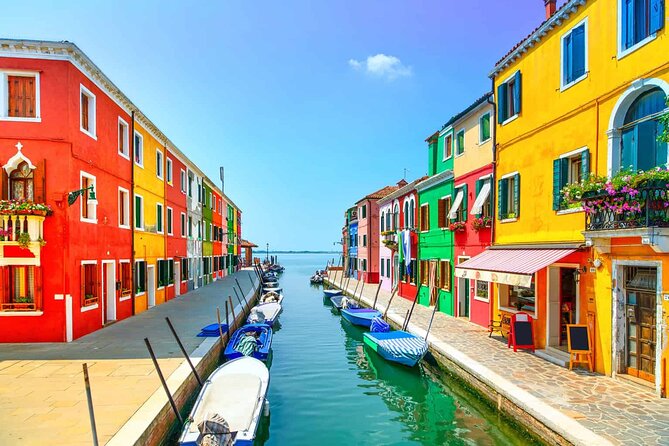
I love Venice tours that start with a simple promise: you’ll get your bearings fast. This one begins at Giardini Reali near St. Mark’s Square, then heads out from the St. Mark’s area toward smaller lanes and squares. That early momentum matters, because the biggest beginner mistake in Venice is spending the first hour lost and walking in circles.
Right away, you’ll get the benefit of having a guide navigate. The route is built around campi (small squares) and narrow streets between major landmarks, which is exactly how you learn the city’s real rhythm. The audio system is more than a nice extra; it helps you keep up when you’re walking and trying to listen at the same time.
If you’re traveling solo, or you just don’t want to spend your limited vacation decoding directions, this format makes sense. You’re not waiting for stragglers at every turn, and you’re less likely to end up in the wrong canal crossing because someone went off-script.
Piazza San Marco Area Stops That Feel Local, Not Like a Checklist
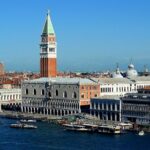
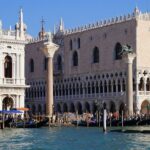
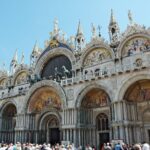
The tour’s opening run focuses on the stretch between St. Mark’s and the Rialto side, but it doesn’t treat every stop like a stamp. You start at a point near campo San Moisè, then move through lesser-known streets and campi where you can actually slow down.
One of the best early moments is the pause around La Fenice. Instead of only admiring the building from the outside, you’ll hear what makes the opera house story so dramatic. Venice loves art, but it also loves resilience—and La Fenice’s history is a good example of both.
Next up is a stop connected to the Bovolo Staircase. This spiral staircase is part of the Palazzo Contarini del Bovolo, and it’s the kind of Renaissance detail that looks like a mini architectural puzzle. Even if you’re not an architecture person, it’s fun to see a staircase described in a way that makes you look at the shapes, not just the view.
Practical tip: the staircase stop and similar points involve some standing and positioning. If you hate crowds, plan to take your best photo quickly, then listen. You’ll get more value from the story than from lingering while everyone else aims their camera.
You can also read our reviews of more walking tours in Venice
Campo Santa Maria Formosa: A Welcome Pause Mid-Route
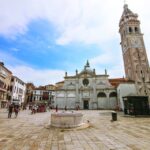
After the St. Mark’s side, you shift into Campo Santa Maria Formosa, a square known for its calm and its central church presence. This stop is ideal for balancing your day: it breaks up the constant motion that Venice can force on you.
At the heart of the square is the Santa Maria Formosa Church, with a façade that mixes Byzantine and Renaissance elements. That blend gives you something concrete to look for while you’re standing still—patterns, styles, and texture differences. You’ll also get the sense of how Venice squares work: they’re both public spaces and social rooms, surrounded by buildings that hold the day’s small drama.
This is also a good moment to reset your legs. The walk portions include tight streets and continuous movement, so a quieter square stop helps you keep energy for the bigger canal views later.
Rialto Bridge Timing: How to See It Without the Worst Bottlenecks
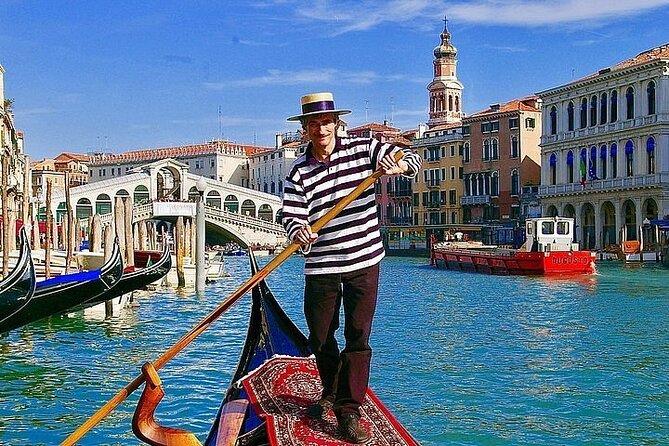
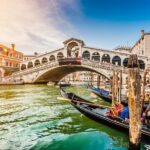
Next, you reach Ponte di Rialto, one of Venice’s most famous bridges. From here, you get the iconic canal views, with the bustle of boat traffic and the shops that line the bridge edges.
The trick with Rialto is timing and expectation. You’re not going to “escape” the crowds here—this is a flagship stop. But having a guide can still improve the experience: you’re more likely to understand what you’re seeing and where to look for the best perspective.
The stop length is short, so treat it like a focused photo and viewpoint moment. If you’re the type who likes to read every sign, you might feel rushed. But if you want a strong first impression and then to move on, this is a sensible use of time.
Grand Canal Views From the Walk, Then From the Water
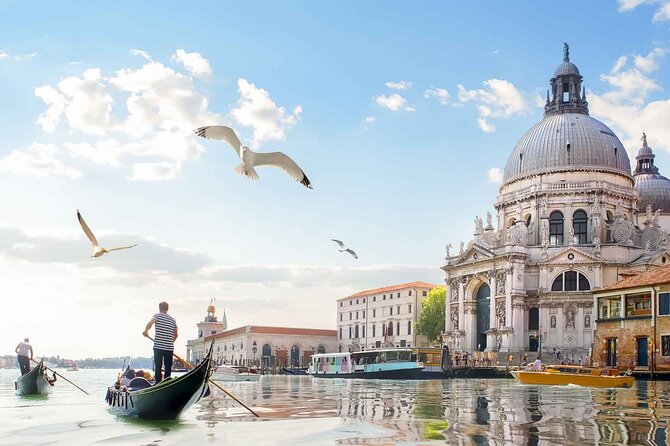
The walking portion gives you context for the Grand Canal, which runs through the city like Venice’s main timeline. The canal is long—over two miles—and its famous backward S shape influences how neighborhoods connect. Seeing it from land first helps you recognize what you’ll later notice from the gondola.
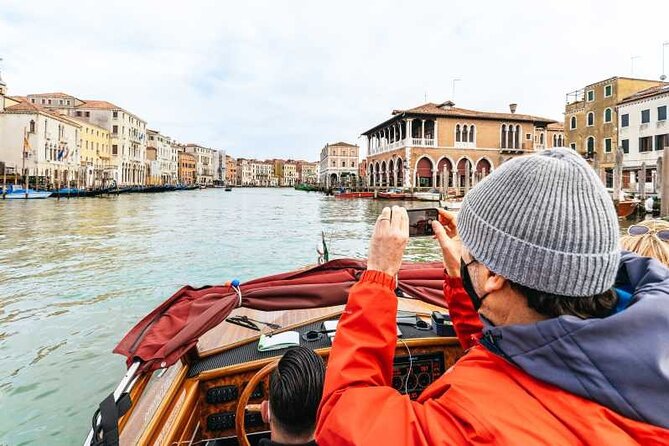
As you move into canal-adjacent viewpoints, you’ll get a feel for why Venice palaces and churches sit right on the water. The buildings aren’t background; they’re part of the transport system and the city’s identity. You’ll see gondolas and vaporettos threading through the canal, which helps make the canal feel like a living corridor rather than a static postcard.
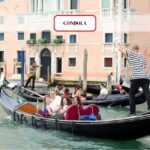
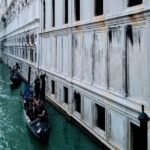
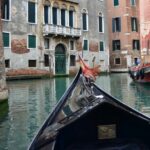
Then comes the highlight for most people: the gondola ride. This is a shared experience, and it’s scheduled as about thirty minutes. You’ll glide along the canal with a gondolier steering the boat, and that water-level perspective makes architecture look different—taller, closer, and more patterned than it does from streets.
Photo and comfort note: your seat is assigned by the gondolier, and you can’t choose it. On a shared boat, this affects your angles. If you care a lot about photos, pick your priorities: either bring the phone ready for a key moment along the canal, or relax and enjoy the ride without fighting for the perfect shot.
Teatro La Fenice and the Power of Storytelling on the Streets
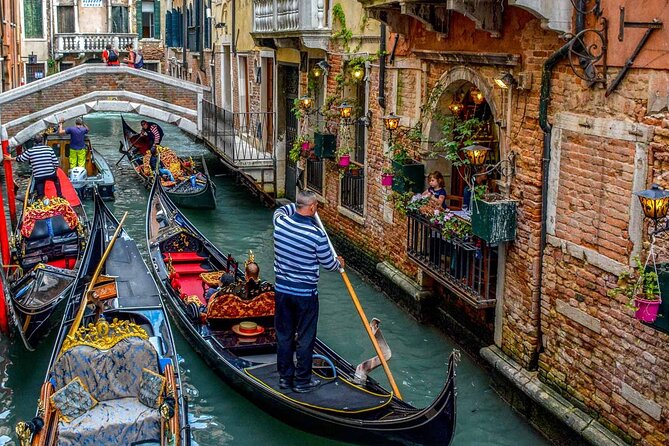
One of the best parts of this tour is how it uses landmarks to tell Venice’s story, not just to point at them. Teatro La Fenice returns as a stop, with background on how Venice’s theater world evolved. You’ll hear how the city once had several theaters, how power and ownership shifted, and how the building’s rebirth idea became part of the name and meaning.
Even if you don’t plan to attend an opera, this kind of context changes how you see the building. You start noticing the symbolism and the drama behind the brick and marble. Venice is full of structures that look beautiful because history made them beautiful. Learning the why helps you read the city faster.
This also makes the walk more satisfying. When a tour gives you story threads, you’re less likely to tune out during the “in-between” streets that can feel like walking time.
You can also read our reviews of more city tours in Venice


The Gondola Ride: Shared, Short, and Still Worth It
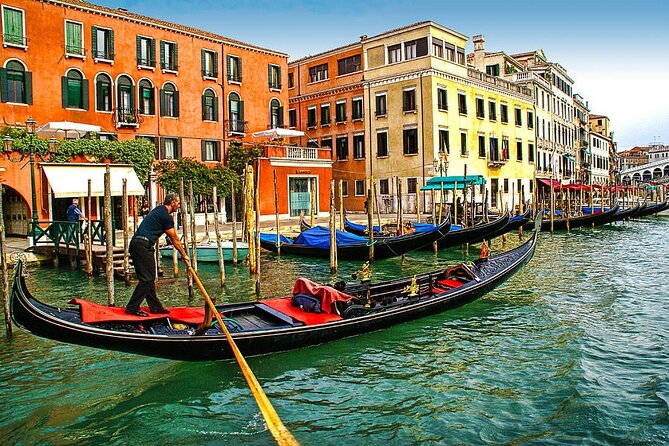
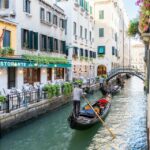
Let’s talk gondola reality. This is not a private gondola. Each boat can hold up to five individuals, and you’ll be grouped with other passengers. That’s part of why the tour stays priced at a level that feels fair compared to doing gondola alone.
The ride being shared also explains why the experience can feel a little tight. You don’t control the seating, and the schedule has to work for everyone. Some people love this and feel it’s a great way to cover the practical stuff without paying for exclusivity. Others prefer extra breathing room and may feel the ride is “just enough,” not long and slow.
Also keep in mind that weather can affect the gondola. If gondola service is canceled due to bad weather, you’ll receive a refund of 30 euros per person for the gondola portion. And the walking route can adjust too if conditions are rough.
One more small but important point: a gondolier’s behavior can shape the experience for better or worse. On shared boats, you’re close enough that details like comfort and conversation style matter. If you’re sensitive to that, go in with the mindset that this is a traditional boat ride shared with strangers.
Ponte de le Ostreghe: Names, Food, and How Venice Remembers
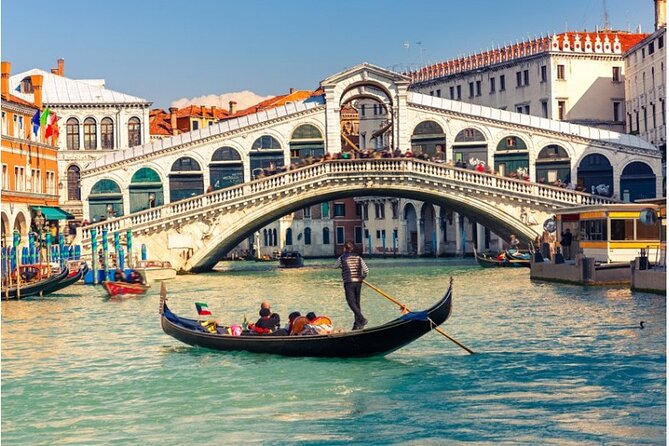
After the big-name sights, you’ll finish with a stop around Ponte de le Ostreghe. This area connects to the way Venice preserves memory through place names. The name points to a historic connection to oyster sellers and lagoon food culture, with references to local canals and the seafood trade.
Even if you’re not into etymology, it’s a good example of how Venice works: the city keeps old jobs and old industries in its labels. You start noticing how many names in Venice hint at what used to happen there.
This final segment is also a nice change of pace. It’s less about one famous landmark and more about how the city explains itself through language, not just monuments.
Price and Logistics: What You Pay For (and the Fine Print You Should Respect)
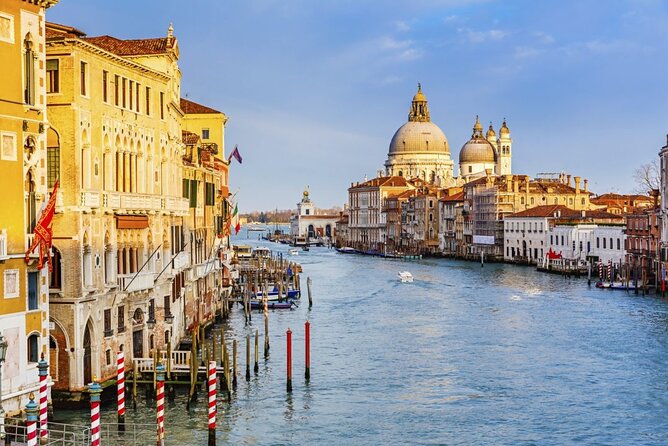
At $150.19 per person for about two hours, the value depends on your priorities. You’re paying for two components that would be harder to coordinate yourself: the guided walking route with personal audio and the 30-minute gondola ride with a licensed steering gondolier.
To me, the best bargain element is the audio headset. In Venice, you can walk past important details without noticing them. Here, the guide’s explanations are built into the walking flow, so you get more out of every turn.
But you also need to handle the logistics carefully.
- You should arrive 20 minutes early. You’ll need to show a voucher at the Aliguna Ticket Office and receive tickets there.
- You’ll be asked to provide a WhatsApp number when booking so you get a voucher via WhatsApp.
- Your tour can be canceled or adjusted for inclement weather.
- If you miss the meeting point or don’t arrive in time, you can lose the tour and there’s no refund.
That last point isn’t “bureaucracy.” In Venice timing is everything. A late start can turn a good plan into a frustrating afternoon.
One more note for some day visitors: you might face a €5 access fee on certain dates if you’re visiting for the day and staying outside Venice. Check the city access rules at the official site before you go, and look for exemptions.
Who This Tour Fits Best (and Who Might Want Something Different)
This tour is a great match if you want:
- a guided route that helps you avoid getting lost in the maze,
- a gondola ride but without paying for private boats,
- explanations for Venice’s big names plus smaller architectural details like the Bovolo Staircase,
- an English-speaking guide experience with clear listening thanks to the headset.
It’s less ideal if you:
- hate shared experiences and want to control seating on the gondola,
- are very sensitive to pace (some groups want slower stops and more time to linger),
- need maximum flexibility on the fly, since the schedule is timed and weather can trigger changes.
If you’re traveling with kids, the tour notes that children up to 2 years old do not pay only if they do not occupy a seat on the gondola. If they need a seat, you should expect standard pricing.
Little Things That Can Make or Break Your Day
This company clearly tries to reduce chaos, but Venice is Venice. The walk involves narrow streets and frequent directional shifts, so good group behavior matters. The audio headset helps you stay oriented, but you still need to keep an eye on your guide and your surroundings.
Also plan your expectations for each stop length. Some locations are meant for quick look-and-learn moments. If you’re the type who wants to read every plaque, this style might feel short. On the other hand, if you like getting the key points quickly and then going off on your own afterward, it’s a smart format.
For a positive experience, arrive early, wear comfortable shoes, and keep your water and photo breaks short. You’ll get more out of the guided moments.
Should You Book This Gondola-and-Walk Combo?
I’d book this if you want the classic Venice highlights, but you also want to understand what you’re seeing. The combo makes sense because it links major sights like Rialto and Grand Canal views with standout architectural moments like La Fenice and the Bovolo Staircase, all while keeping you from wandering aimlessly.
If you’re paying for your time in Venice, paying for context is usually worth it. The headset and guide navigation help you squeeze more meaning out of fewer hours.
But be honest with yourself about what you’re buying: it’s shared and time-boxed. If you dream of a long, private gondola with perfect photo positioning and slow pacing, look for a different option. If you want a well-structured overview plus a real gondola ride, this is a solid choice.
FAQ
What is the duration of this Venice tour?
It runs for about 2 hours.
What is included in the price?
You get a 30-minute shared gondola ride, a guided walking tour, and a personal audio system with headset. It’s offered in English.
Is this tour private?
No. It’s a shared tour with a maximum of 5 travelers.
How many people are on each gondola?
Each gondola can accommodate a maximum of 5 individuals, and it’s shared with other participants.
Can I choose my seat on the gondola?
No. Seats are assigned by the gondolier.
What should I bring and how do tickets work?
You’ll receive a voucher via WhatsApp. On the day of the tour, you must show it at the Aliguna Ticket Office to receive your tickets.
Where is the meeting point?
The start point is Giardini Reali, Piazza San Marco 30124 Venezia VE, Italy, and the tour ends back at the meeting point.
What time does the tour start?
The start time listed is 3:00 pm.
What if the gondola ride is canceled due to bad weather?
If the gondola tour is canceled due to bad weather, you receive a refund of 30 euros per person.
Is there an extra Venice access fee?
On certain dates, some visitors staying outside Venice and visiting for the day may need to pay a €5 access fee. You should check the city rules at https://cda.ve.it for applicable dates and exemptions.