REVIEW · VENICE
Eating Venice Food & Drinks Tour
Book on Viator →Operated by Eating Europe Food Tours Rome · Bookable on Viator
Venice tastes better when you follow locals. This 3.5-hour, max-10 group tour takes you off the main drag for classic bites and drinks, with local context as you walk. I loved the Rizzo Venezia stop for the mortadella, pesto, and buffalo mozzarella pizza, and I loved the spritz-making demo plus cicchetti at A La Vecia Papussa. One possible drawback: most servings are meant as tastings, not full restaurant portions, so if you want a big meal, plan to eat after.
My favorite part is how the route mixes food stops with real neighborhood wandering in Cannaregio, including the Ponte Chiodo area and the Jewish Ghetto streets around Campo de Gheto Novo. You’ll be with an English-speaking guide (names you might get include Giulia, Flavia, Daniela, Anna, Cecilia, Joe, and others I’ve seen mentioned), and you’ll get Food & the City style foodie tips you can actually use the rest of your trip. The total pace is easy enough for most people, but it’s still a walking tour on uneven Venetian streets.
In This Review
- Key points at a glance
- Where the walk really begins: Campo Santi Apostoli to Cannaregio
- Rizzo Venezia: the bakery stop built for locals since 1905
- Calle San Felice: DOCG Prosecco with meatball and shrimp in saor
- Cannaregio walking: Ponte Chiodo, canals, and “how Venice fits together”
- Crossing Campo de Gheto Novo: the Jewish Ghetto as a living part of the city
- Cantina Aziende Agricole: artichoke risotto with local wine or beer
- A La Vecia Papussa: spritz-making demo plus cicchetti with codfish or sardines
- Sweet finish: Tiramisù at Pasticceria Nobile, or gelato at Bacaro del Gelato
- What’s included (and what it means for your budget)
- Small-group pacing: why the walk feels relaxed, even with multiple stops
- Tips you can use immediately after the tour
- Price and that Venice day-fee note
- Who this tour suits best (and who should manage expectations)
- Should you book Eating Venice Food & Drinks Tour?
- FAQ
- Where does the tour start?
- How long is the Venice food and drinks tour?
- What is the group size?
- Is the tour in English?
- What food and drink do I get?
- Do I need to pay for admission tickets?
- Where does the tour end?
- Are dietary needs accommodated?
- Is there a seasonal dessert at the end?
- Can children join?
Key points at a glance
- Small group, max 10: easier conversation with your guide and quicker answers to your food questions
- Neighborhood focus: Cannaregio canals and quiet alleyways, not just the same photo spots
- Real Venetian flavors: mortadella pizza, risotto, cicchetti, plus Prosecco and local wine or beer
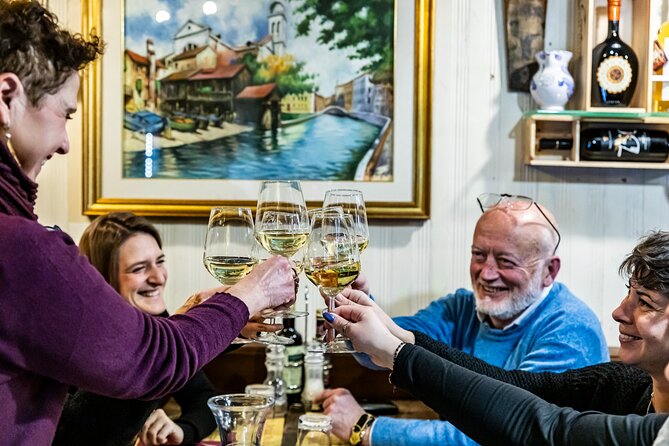
- Aperitivo culture built in: DOCG Prosecco pairings and a hands-on spritz moment
- Seasonal sweet finish: tiramisù in cooler months, gelato in warmer months
Where the walk really begins: Campo Santi Apostoli to Cannaregio
Meeting in Campo Santi Apostoli puts you in the right rhythm fast: you start in Venice, then you steadily move into a more local part of town. This tour is set up for wandering on foot. You’ll go from one tasting to another, then you’ll switch gears into a scenic stroll through Cannaregio’s quieter lanes.
The practical upside is that the route doesn’t just throw you into restaurants and out again. You’ll be walking through places like Ponte Chiodo (Venice’s only bridge without railings) and the Misericordia area, which helps you understand the city’s layout instead of memorizing points on a map.
Also, the tour is in English and capped at 10 guests. In a place like Venice, that small size matters. It keeps the pace human and makes it easier to hear your guide over canal-side chatter.
You can also read our reviews of more food & drink experiences in Venice


Rizzo Venezia: the bakery stop built for locals since 1905
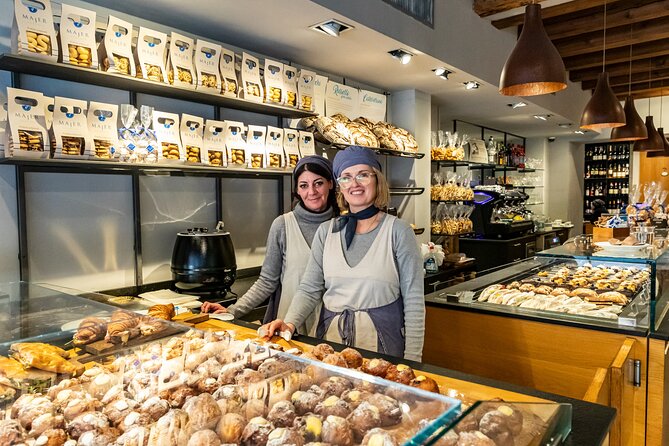
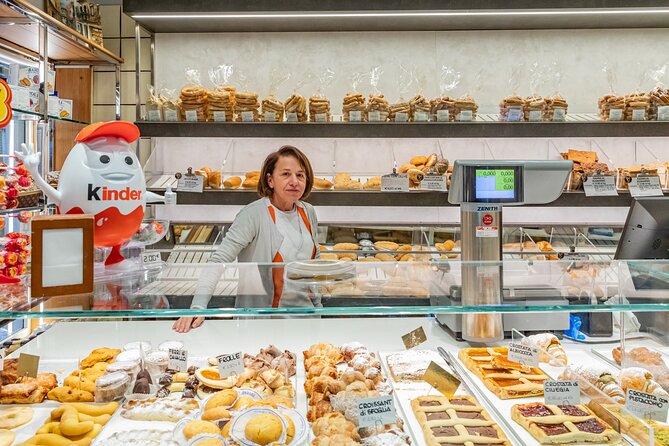
Stop one is Rizzo Venezia, a historic bakery and street-food shop operating since 1905. This is the kind of place you usually walk past without realizing it’s the real deal, which is exactly why tours like this work.
Here, you’ll taste a classic Venetian combo: mortadella, pesto, and buffalo mozzarella pizza. This matters more than it sounds. Venice isn’t only about seafood and gondola views. It’s also about everyday bites made with quick, high-quality ingredients. The pesto and mozzarella pairing gives you that creamy-salty balance Italians take seriously, and the mortadella adds a rich, savory depth.
If you’re thinking about what to order later in your trip, this first stop gives you a baseline. You’ll know what a well-built Venetian “fast” option tastes like, so you can judge other spots more confidently.
Calle San Felice: DOCG Prosecco with meatball and shrimp in saor
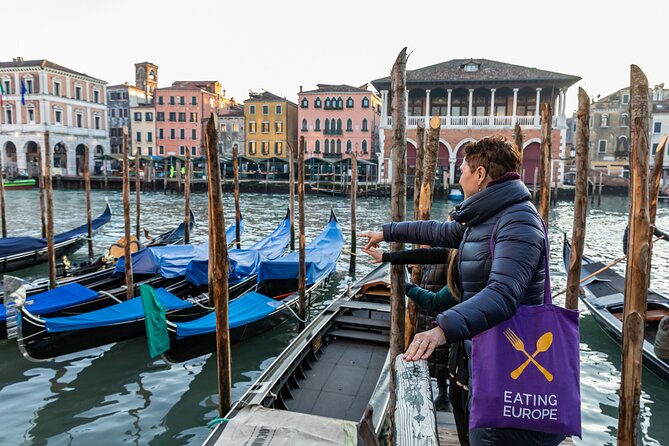
Next comes Calle San Felice, with a glass of DOCG Prosecco and two traditional Venetian bites. Expect a savory meatball pairing and polenta topped with shrimp in saor.
Saor is one of those Venice flavors that’s hard to reproduce outside the city because it’s so tied to local technique and ingredients. The sweet-sour notes (from the method used in saor) contrast beautifully with the crisp lift from the Prosecco. If you like your food with a little personality—not just salt and fat—this pairing is a strong early win.
This stop is a good lesson in Venetian eating habits. You’re not sitting down for a multi-course production. You’re learning how locals stack flavors: a drink, then two bites that each show a different side of the cuisine.
Cannaregio walking: Ponte Chiodo, canals, and “how Venice fits together”
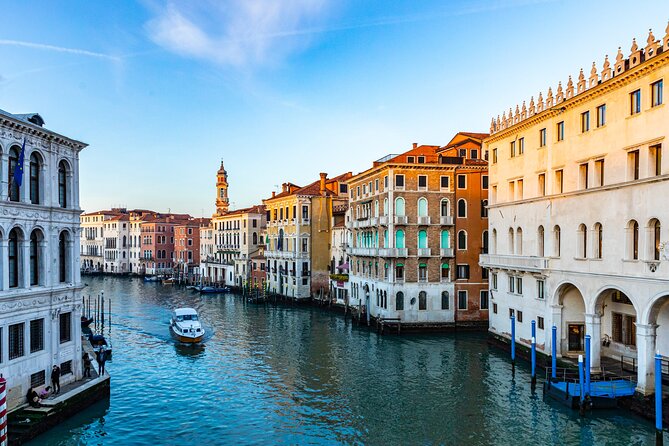
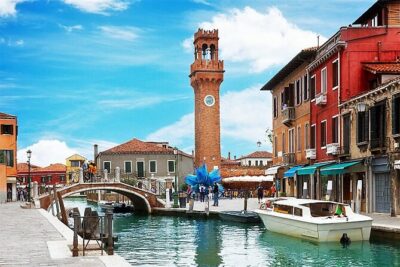
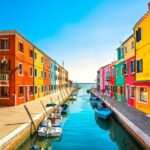
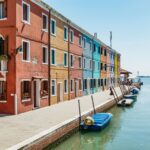
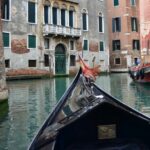
Between tastings, the tour includes a panoramic stroll through Cannaregio. You’ll see the Ponte Chiodo area, plus Misericordia, along with canals and quieter alleyways.
This walking segment does two useful things:
1) It breaks up the food rhythm so you don’t feel like you’re just collecting snacks.
2) It helps you connect what you eat with where it comes from—because the Cannaregio neighborhood layout changes the whole feel of the experience.
Cannaregio is the kind of district where you can walk for a while and not hit the big crowds. That means you can actually look around: canal corners, small bridges, everyday street life. And it gives you a map in your head for later, when you’re deciding where to wander on your own.
Crossing Campo de Gheto Novo: the Jewish Ghetto as a living part of the city
Then you pass through Venice’s Jewish Ghetto at Campo de Gheto Novo, one of the oldest in Europe. This isn’t treated like a trivia stop. It’s a real walk through an area that carries complicated history and ongoing cultural importance.
The value here is balance. Food tours can sometimes skip the heavier context and stick to only “pleasant Venice.” This one keeps the story tied to the city itself, so you come away understanding why certain neighborhoods feel the way they do.
You don’t need to be a history buff to appreciate this portion. You just need to pay attention to how the streets shape movement and community—because Venice’s geography has always mattered.
You can also read our reviews of more tours and experiences in Venice

Cantina Aziende Agricole: artichoke risotto with local wine or beer
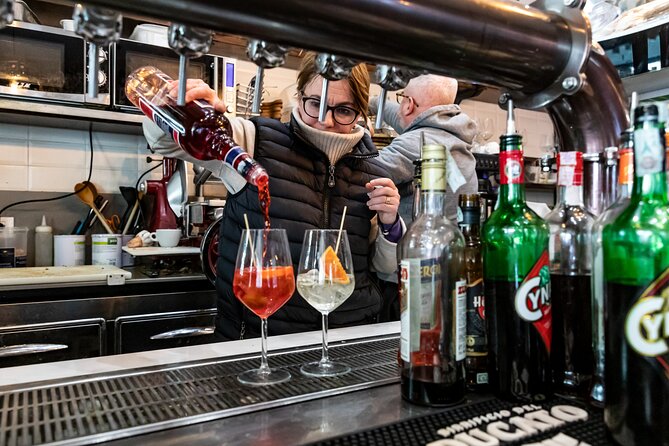
Stop three is Cantina Aziende Agricole, where tradition meets a modern touch in how the place presents Venetian flavors. You’ll savor creamy artichoke risotto paired with a local wine or beer.
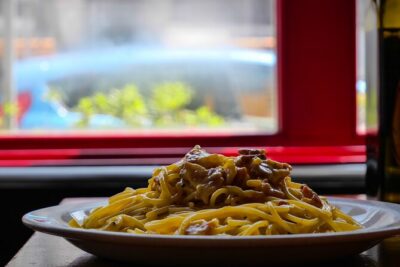
Artichoke risotto is classic enough to feel familiar, but it’s also specific enough to Venice that you’ll notice the difference. The creamy texture is what you should look for, and the pairing (wine or beer, depending on what’s served that day) is there to keep flavors from clashing.
This stop is a smart mid-tour pivot. Up to this point, you’ve had breads and smaller bites, plus Prosecco. Now you get a “main” dish style taste. It helps you settle in and feel like the tour isn’t only snacks—it’s building a meal in stages.
A La Vecia Papussa: spritz-making demo plus cicchetti with codfish or sardines
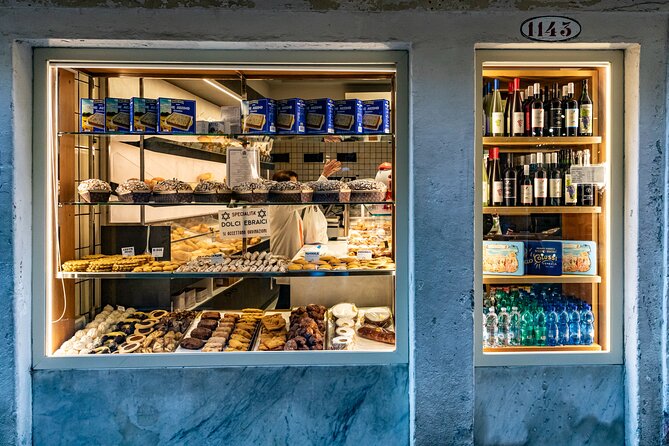
Stop four is where the tour leans hardest into Venice’s aperitivo culture. At A La Vecia Papussa, you’ll watch a spritz-making demo, then sip a classic spritz and taste two traditional cicchetti.
The cicchetti options listed include codfish and sardines, or shrimp in saor. Either way, you’re in tiny-sandwich territory—think bite-sized, intense flavor, built for tasting variety. Paired with the spritz, which is light and bubbly, it’s a classic Venetian balancing act: fat and salt get cut by acidity and carbonation.
The demo part is a real plus. Even if you’ve had spritz before, you’ll leave with a clearer sense of what’s going on in the drink beyond just the glass. And it helps you order confidently later.
Sweet finish: Tiramisù at Pasticceria Nobile, or gelato at Bacaro del Gelato
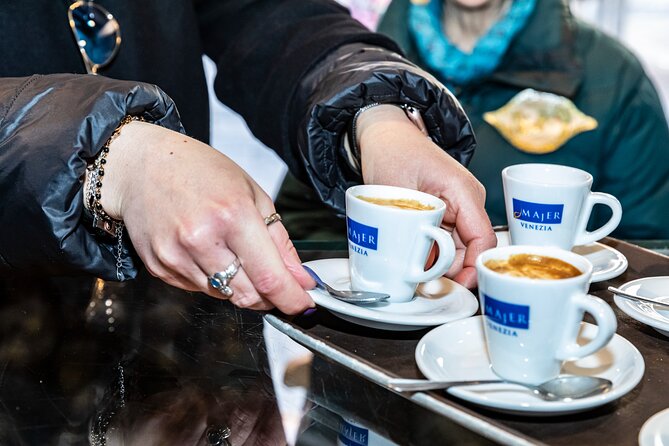
The last stop depends on the season. From November to February, the tour ends at Pasticceria Nobile for tiramisù. From March to October, you’ll end at Bacaro del Gelato for gelato instead.
This is more than a scheduling detail. It changes the mood of the ending. Tiramisù is heavier, coffee-and-cream comfort. Gelato is lighter and more refreshing, and it fits well with warmer evenings and longer walks.
Either way, this finale is a good closure. By this point you’ve tasted savory, sparkling, and wine-leaning flavors. Ending with dessert helps the whole experience feel complete, not like you ran errands for snacks.
What’s included (and what it means for your budget)
The tour cost is $125.77 per person for about 3 hours 30 minutes. For Venice, that’s not “cheap,” but it’s also not paying for empty wandering. You’re getting guided food stops with pairing drinks and multiple tastings that add up faster than you’d expect if you tried to build the day yourself.
Included tastings and experiences include:
- cicchetti paired with a glass of local DOCG prosecco or regional wine
- a typical Venetian main dish taste (like seafood risotto) paired with Veneto white wine
- an aperitivo moment with a spritz experience, plus two traditional cicchetti
- a local English-speaking guide
- Food & the City insider tips
You also don’t have to figure out reservations or translations for every stop. In Venice, that practical value matters. Even if you’re comfortable ordering Italian, it’s easier to let a guide pull you into places that fit the day.
One note on value balance: because the tour focuses on tastings, you’re not guaranteed a full dinner from these servings alone. Some people love that because it keeps the variety high. Others want larger portions and can feel “almost, but not quite.” If you’re a big-eater, treat this as a smart food sampler, then plan a real meal afterward.
Small-group pacing: why the walk feels relaxed, even with multiple stops
This tour runs with a small group (maximum 10). That shows up in how the stops feel. You’re not stuck behind a crowd. You get enough time at each place to eat, sip, and ask questions.
You’ll spend around:
- 15 minutes at Rizzo Venezia
- 45 minutes at Calle San Felice
- about 45 minutes at Cantina Aziende Agricole
- about 45 minutes at A La Vecia Papussa
- about 20 minutes at the final sweet stop
Then there are walking segments for Cannaregio and the Jewish Ghetto area. That structure matters. You don’t only taste food; you move through the city like a person, not a passenger.
In reviews I’ve read, the guides get praised for mixing food talk with city context, and for keeping the group moving without rushing. Names that come up often include Giulia and Flavia, plus Daniela and Anna. What you can take from that: you’re going to get stories, not just a list of what you’re eating.
Tips you can use immediately after the tour
The tour includes Food & the City insider tips, which is where a good food walk turns into smarter independent exploring. When a guide shows you where Venetians eat daily, you’re not just consuming—you’re learning how to choose.
Here’s what you’ll likely be able to do afterward:
- spot good bacaro-style snacks by how they’re served (bite-sized, paired with drinks)
- understand why spritz culture is tied to timing and social rhythm
- go back to a place you loved and order the next item on your own
If you enjoyed the pizza flavors at Rizzo Venezia, you’ll know what to look for when you hunt for similar combinations. If you loved the creamy artichoke risotto or the sweeter-savory feel of shrimp in saor, you’ll be more willing to order those dishes elsewhere instead of defaulting to the safest menu item.
Price and that Venice day-fee note
$125.77 sounds like a lot until you think about what you’re actually buying: a guided route, multiple tastings, and several pairing drinks in a city where quality food often comes at a premium.
One practical thing to keep in mind: on certain dates, some day visitors staying outside Venice may need to pay a €5 access fee, depending on timing and exemptions. If you’re coming from outside the city for the day, check the city rules ahead of time so you don’t get surprised when you’re out and about.
Also, hotel pickup and drop-off aren’t included, and the tour ends in a different location than where it starts. That’s normal for walking tours in Venice, but plan your next stop accordingly so you’re not guessing.
Who this tour suits best (and who should manage expectations)
This is a great fit if you:
- want a walk + food combo instead of only restaurants
- enjoy aperitivo culture and want to learn it through tasting
- like neighborhoods like Cannaregio and Campo de Gheto Novo more than only the headline sights
- prefer a small group where you can talk and ask questions
You might think twice if you:
- want a full sit-down dinner experience from the tour itself (tastings are the point)
- have severe or life-threatening food allergies (the tour notes it isn’t suitable for that)
- need an end point that’s very close to your hotel (because the tour finishes elsewhere)
Should you book Eating Venice Food & Drinks Tour?
Book it if you want an honest taste of Venetian food culture with a guided route that helps you see the city in motion. The strongest reasons to choose it are the variety—mortadella pesto buffalo mozzarella pizza, spritz + cicchetti, artichoke risotto, and the seasonal sweet finish—and the fact that you’re walking through Cannaregio and the Jewish Ghetto, not just circling tourist corners.
I’d say skip it only if you’re chasing a big-portion meal or you’re strictly focused on one narrow food theme. Otherwise, this is one of the better ways to spend a half-day in Venice: you’ll leave full of flavors, and more importantly, you’ll know where to go next.
FAQ
Where does the tour start?
The tour starts at Campo Santi Apostoli, 30100 Venezia VE, Italy.
How long is the Venice food and drinks tour?
It lasts about 3 hours 30 minutes.
What is the group size?
The tour has a maximum of 10 travelers.
Is the tour in English?
Yes, it’s offered in English with a local English-speaking guide.
What food and drink do I get?
You’ll taste multiple Venetian items, including cicchetti paired with DOCG prosecco or regional wine, a typical main dish taste paired with Veneto white wine, and a spritz experience with two traditional cicchetti. The tour also includes a sweet ending (tiramisù or gelato depending on season).
Do I need to pay for admission tickets?
Admission tickets for the stops listed are described as free in the tour details, and tastings are included as part of the experience.
Where does the tour end?
The tour ends in a different location than the start point. The details are provided on booking.
Are dietary needs accommodated?
The tour says it can do its best to accommodate vegetarians, gluten-free guests, and other dietary needs if you email or add a note at booking. It is not suitable for severe or life-threatening food allergies.
Is there a seasonal dessert at the end?
Yes. From November to February, the end includes tiramisù at Pasticceria Nobile. From March to October, it ends with gelato at Bacaro del Gelato.
Can children join?
Children under 4 can join for free, but food is not included. Tickets with food are available for ages 4 and up.