REVIEW · VENICE
Venice Islands: Murano Glass & Burano Colors Guided Visit
Book on Viator →Operated by CITY TOURS CO. LTD · Bookable on Viator
Venice turns strange-in-a-good-way once you hop on the boat. This guided visit strings together Murano glass and Burano’s colorful houses in a half-day format, so you get craft, history, and plenty of photo time without spending your whole day in transit. I like that you’re carried round-trip from San Marco by boat and you still get meaningful time on both islands. One thing to keep in mind: the hands-on craft moments can feel short, and a few departures report audio or timing issues that can shrink how much you see.
The vibe here is practical: a real lagoon day, not a museum marathon. It’s also small enough to stay manageable (up to 30 people), and it’s offered in English, which matters when the guide is doing most of the story work. If you’re the type who wants long, slow-watching craft processes and lots of freedom to wander off-plan, you may want to build in extra time on your own.
In This Review
- Key things that make this Murano & Burano visit work
- Why Murano and Burano feel like a different Venice
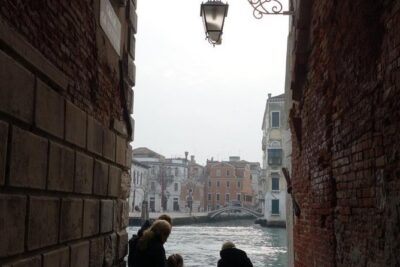
- The San Marco boat ride: the easiest way to get the lagoon look
- Murano: glassmaking culture, Ferro E Lazzarini, and real on-the-floor viewing
- A quick reality check on timing
- Burano’s colorful streets: where the free time becomes your best part
- Lace making in Burano: short demo, big context
- How much guided time you get (and how to use it smartly)
- Price and value: is $32.65 a fair deal?
- Potential downsides to plan around
- Who should book this Murano & Burano visit?
- Should you book this Murano Glass & Burano Colors guided visit?
- FAQ
- How long is the Venice Islands Murano Glass & Burano Colors guided visit?
- What does the tour cost?
- Where does the tour depart from?
- Is the tour offered in English?
- How big is the group?
- What are the main stops during the tour?
- How long do you spend on Murano and Burano?
- What demonstrations are included?
- Is food included?
- Is hotel pickup included?
- What if I need to cancel?
Key things that make this Murano & Burano visit work
- San Marco boat time saves your legs while you enjoy the Venetian Lagoon views
- Murano glass demo at Vetreria Artistica Ferro E Lazzarini gives you a hands-on look at how pieces are made
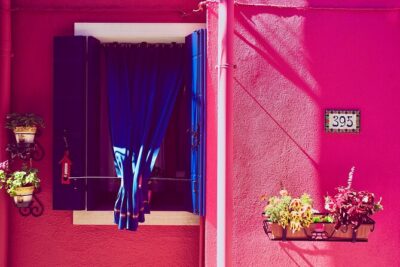
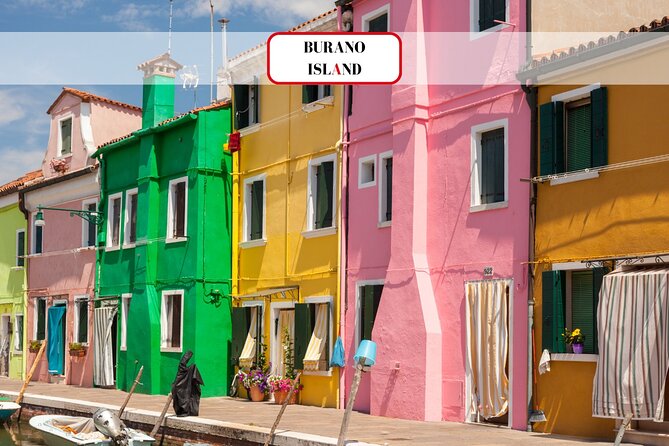
- Burano’s colors are a photo mission with real time to walk, browse, and look up at the houses
- Lace demonstration in Burano adds context beyond just shopping and snapshots
- Small group size (max 30) helps the day feel less like cattle transport
- Mix of guided moments and free time means you can balance learning with wandering
Why Murano and Burano feel like a different Venice
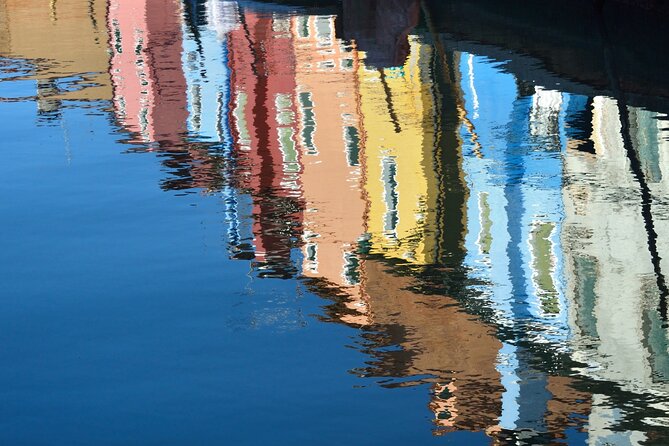
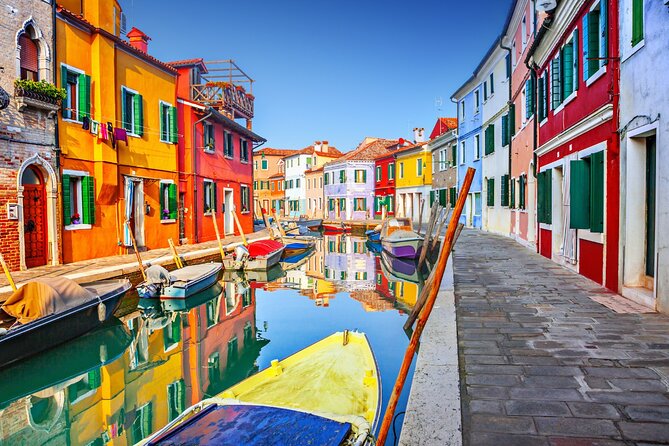
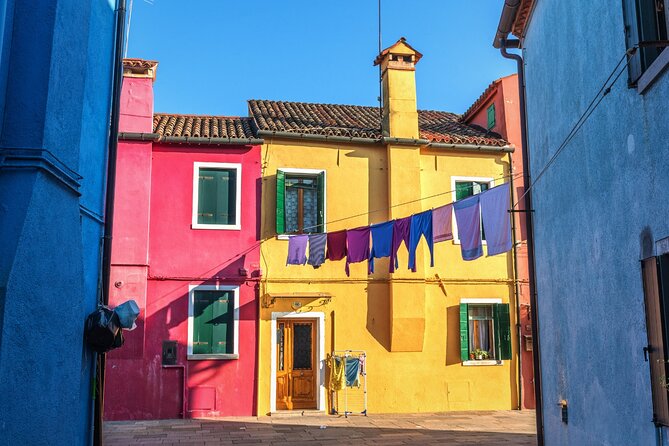
Murano and Burano don’t feel like side trips you force into your schedule. They feel like Venice’s craft villages, each with its own rhythm. Murano is all about glassmaking culture, with a reputation that goes far beyond tourist shopfronts. Burano, by contrast, is the place where color becomes part of daily life: houses painted in saturated shades, streets made for slow walks, and small craft stores that make it easy to turn a photo stop into a genuine browse.
This tour’s big strength is the structure. You’re not just dumped on an island with a vague suggestion to wander. You get guided context, then you’re released to spend time the way you want, whether that’s shopping, photographing, or ducking into a bakery break.
You can also read our reviews of more guided tours in Venice
The San Marco boat ride: the easiest way to get the lagoon look
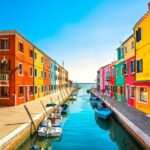
The day starts around the San Marco area and moves by boat with round-trip transportation. That matters more than you’d think. In a city that’s mostly made of footpaths and canals, a lagoon boat ride is the simplest way to experience the water without solving logistics mid-trip.
Expect the boat ride to take real time. On some days, boat speed, wind, and onboard setup can affect comfort and how easy it is to hear the guide (more on that later). But even when conditions aren’t perfect, the water route gives you that Venice-from-the-lagoon perspective: skyline angles change fast, and you’ll see the islands as places, not just dots on a map.
A practical tip: if you care about hearing everything, treat the onboard audio as helpful but not guaranteed. Bring patience, and don’t assume every word will land clearly over engine noise and weather.
Murano: glassmaking culture, Ferro E Lazzarini, and real on-the-floor viewing
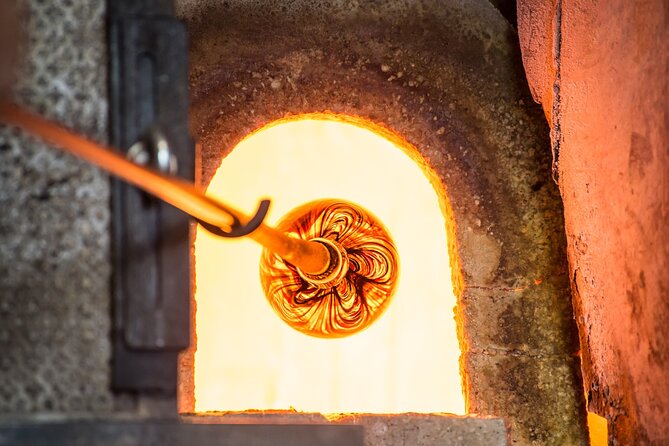
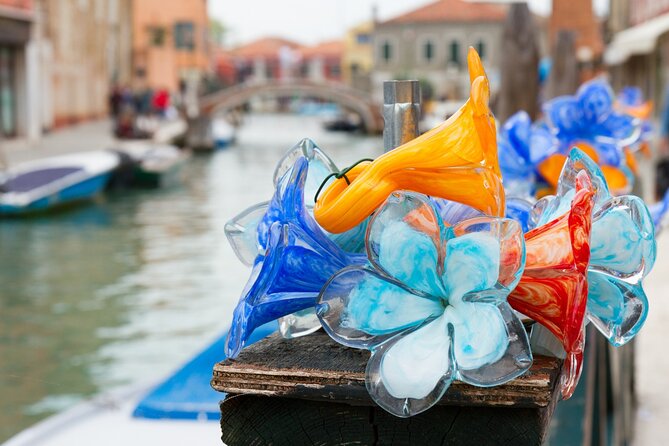
You’ll head to Murano first for about 1 hour 15 minutes of time on the island. This is where the tour makes its promise most directly. Murano is the glassblowers’ island, and the highlight isn’t abstract talk. It’s watching the craft in action.
The tour then includes a glassblowing demonstration at Vetreria Artistica Ferro E Lazzarini, with about 50 minutes allocated for this stop. That’s a solid chunk of time to see what goes into glass artistry—how work moves from setup into the demonstration portion, and how the finished objects connect to the process you’re seeing.
What I like about starting with Murano: the day builds. By the time you reach Burano, the craft theme is already “on.” You’re primed to notice details—different kinds of making, different artistic traditions, and how each island expresses its identity through handmade work.
A quick reality check on timing
Some people love the glass demo but wish they had a bit more watching time. A couple of accounts describe the demonstration feeling rushed, and one complaint points to the glass maestro arriving late, causing idle time. So if your dream is a long, slow, camera-ready craft session, go in knowing that this is still a tour with stops, not a private studio workshop.
Also, the tour includes admission to the glass demonstration area as part of the experience, so you’re not hunting tickets while you’re trying to watch the makers.
Burano’s colorful streets: where the free time becomes your best part

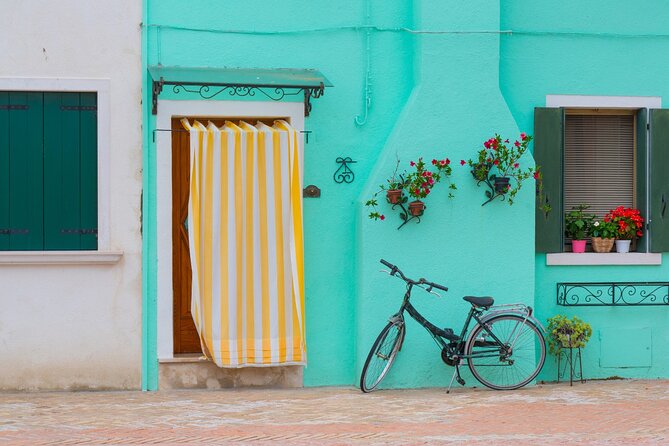
After Murano, you move to Burano for about 2 hours. This is the island where color is the main character. The houses are the obvious draw, but what makes Burano special is how quickly the place turns into a wanderable puzzle. You’ll want to keep looking—streets are narrow, facades are close, and there are plenty of corners that reward a slower walk instead of a sprint for the next photo.
This is also where the tour’s balance matters. You get enough time to move beyond one viewpoint. Most people come away feeling like they had room to breathe, not just a quick walk-by.
A plus: Burano also ties into craft culture. The tour includes lace-focused time (more below), and that helps make the island feel connected, not like a separate shopping district you happen to visit between boats.


Lace making in Burano: short demo, big context
Burano includes a lace demonstration as its own stop, with about 15 minutes allocated. That’s brief, but it’s also a useful introduction. Lace making can feel like an art form that exists only in museum labels, until you see the basic process and the precision behind it.
If you’re the type who likes understanding what you’re looking at, this stop gives you that little boost. It also pairs well with the longer island time, because after the demo, you can walk around with better instincts for what details matter—pattern, technique, and how long-lasting craft traditions show up in everyday goods.
One note for expectation-setting: a couple of accounts describe demonstrations as very short, and one mentions that the lace experience felt more like a shop visit than an extended instructional moment. Still, the overall value of Burano time tends to come from walking the streets, seeing the houses, and having room to browse and snack.
How much guided time you get (and how to use it smartly)
This tour is built around a classic rhythm: island visits + craft demos + scheduled return. The key for you is to treat the guided stops as the learning layer, then use free time to do the fun stuff.
Here’s how to think about it:
- Murano time is best for finding your favorite glass shop window moments, then getting ready for the demonstration. If you want shopping, try not to wait until the last minutes.
- Burano time is where you should slow down. Make photos first, then circle back to any lanes or storefronts that grabbed you.
Also, because this is a shared group experience, you’ll be guided to return at the right times. Several guides mentioned in accounts (like Sabina, David Philips, Francesco, and Nicolas) are described as organized and good at keeping people on track. That matters: in Venice by water, being even a little late can turn your afternoon into a stress spiral.
If you’re sensitive to sound, consider using your own backup attention strategy. The onboard ear-piece setup gets mixed notes. When audio is weak or the earpieces don’t fit well, you may miss parts of the guide’s story. The good news: you can still get plenty from the visible, hands-on stops.
Price and value: is $32.65 a fair deal?
At $32.65 per person, this isn’t priced like a private artisan workshop. It’s priced like a well-timed, shared experience that gives you transport, interpretation, and two craft islands in about 4 to 5 hours.
So what are you really paying for?
- Boat transport from San Marco and back (you’re not doing island-hopping DIY)
- An English-speaking guide
- A Murano glass demonstration at a real glassmaking stop
- Burano time, plus a lace demonstration
What you’re not getting: food and drinks, and there’s no hotel pickup. That’s normal for this style of tour, but it affects value. To stretch your money, plan to eat on your own during the free time or before/after the tour.
One more value factor: group size. With a maximum of 30 travelers, it can feel lively but not huge. That’s often the sweet spot for balancing cost and personal experience.
Potential downsides to plan around
This tour gets strong results overall, but a few repeating issues are worth taking seriously before you commit.
1) Audio and earpieces
A handful of accounts mention sub-standard headphones/earpieces, engine noise, or mic issues that make it hard to hear. If you rely on every spoken detail, bring realistic expectations and watch for visual cues during the demos.
2) Demonstrations can feel short
Some people say the glass and lace moments are too quick, especially compared with the time spent moving between stops. If your dream is long viewing, this may not fully scratch that itch.
3) Timing can slip
One complaint describes the glass maestro arriving late and cutting usable Murano time. Another describes a day where an extra stop appeared instead of the planned plan flow. These aren’t the norm based on overall ratings, but they’re reminders that boat schedules and workshop timing can affect the exact experience.
4) Boat comfort and speed
A few notes mention slower boat travel that uses up more of the tour window than expected. Others say the boat ride was fine, even with weather changes. Your best defense: dress for water weather and keep your plan flexible.
Who should book this Murano & Burano visit?
Book it if you want:
- Two islands, one afternoon without coordinating boats yourself
- A mix of craft demos and walk-around time
- A guided day in English with a manageable group size
- Strong photo potential, especially on Burano
Skip or adjust your expectations if you want:
- Long, uninterrupted studio-style watching
- Total freedom to stay wherever you like for hours
- Perfect audio clarity for every guide sentence
This is also a solid fit for first-time Venice visitors who feel overwhelmed by the lagoon options. You’ll get the highlights without needing to become a mini transit planner.
Should you book this Murano Glass & Burano Colors guided visit?
I think it’s worth booking if you like structured time and you want the quickest path to Murano craft culture and Burano color. The price-to-experience ratio is strong for a half-day that includes boat transport plus two demonstrations. And the fact that the day is guided in English helps you understand what you’re seeing, even if you don’t catch every word over the audio gear.
But if you’re very picky about demo length or audio quality, read your day like a schedule with potential variance. Wear comfy shoes for the walks, bring a camera you can hold steady in crowds, and plan to enjoy the islands as much as the craft moments.
If you want the safest version of this experience, go when you have flexibility in your overall Venice schedule. Then even if a stop runs a bit fast or slow, you still come away with the big wins: Murano glassmaking and Burano’s painted streets.
FAQ
How long is the Venice Islands Murano Glass & Burano Colors guided visit?
It runs about 4 to 5 hours.
What does the tour cost?
The price listed is $32.65 per person.
Where does the tour depart from?
You embark from the San Marco area.
Is the tour offered in English?
Yes, it’s offered in English.
How big is the group?
The tour has a maximum of 30 travelers.
What are the main stops during the tour?
You visit Murano first, then Burano.
How long do you spend on Murano and Burano?
Murano stop time is about 1 hour 15 minutes, and Burano includes about 2 hours.
What demonstrations are included?
The tour includes a glassblowing demonstration in Murano at Vetreria Artistica Ferro E Lazzarini, and a lace making demonstration in Burano.
Is food included?
No. Food and drinks are not included.
Is hotel pickup included?
No. Hotel pickup is not included.
What if I need to cancel?
You can cancel for a full refund up to 24 hours in advance of the experience’s start time.