REVIEW · VENICE
Venice Art Biennale 2026 Guided Tour with a Licensed Guide
Book on Viator →Operated by deTourist Venice Valerio Coppo · Bookable on Viator
Biennale art, timed for your sanity. With licensed guide Valerio Coppo, I like how this tight Biennale Arte 2026 tour turns big ideas into something you can actually follow, and how you get time in both the Giardini and Arsenale. The main catch: the Biennale admission ticket is not included, so you’ll need to plan for that extra fee.
This is a 2-hour, English-language, private guided experience that starts and ends at the Giardini della Biennale meeting point on Calle Giazzo. You’ll move through the main areas for the 61st International Art Exhibition, In Minor Keys (running 9 May to 22 November 2026), with about 40 minutes at each stop.
If you like modern art but fear getting lost in museum overwhelm, this format is built for you. You’ll still leave with more questions than answers, which is kind of the point at the Biennale.
In This Review
- Key things to know before you go
- What this Biennale Arte 2026 tour really does for you
- Meet your guide: Valerio Coppo’s approach in plain language
- Stop 1: Giardini della Biennale and the art of getting oriented
- Stop 2: Arsenale di Venezia and the main exhibition focus
- Stop 3: National pavilions and how countries tell the same story differently
- Timing and flow: 2 hours in Venice without losing the plot
- Price and value: what $240.59 means once tickets are added
- Who this tour suits best (and who might want something else)
- Tips to get more out of your two hours
- Should you book this Venice Biennale 2026 guided tour?
- FAQ
- How long is the Venice Art Biennale 2026 guided tour?
- Is the Biennale admission ticket included in the price?
- Where does the tour start and where does it end?
- What language is the tour offered in?
- Is this a private tour?
- Are national pavilions included, and is there an entry fee for them?
- Can I cancel for a full refund?
Key things to know before you go
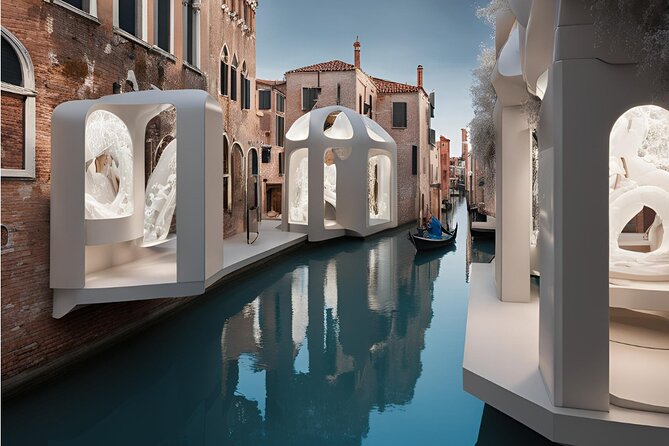
- Licensed guide Valerio Coppo: a calm, human way to understand what you’re seeing
- Giardini Della Biennale stop: start with the core Biennale spaces, about 40 minutes
- Arsenale di Venezia stop: focused time in the main exhibition area, about 40 minutes
- National perspectives with free admission pavilions: additional context without buying extra tickets for that segment
- Private tour for your group: you’re not doing this like a cattle chute
- Mobile ticket for the tour: easy to manage on the day
What this Biennale Arte 2026 tour really does for you
The Venice Biennale is huge. Not in a “look at all the art” way, but in a “how do I choose where to stand and what to care about” way. This guided format helps because it doesn’t try to do everything. It takes you to the main Biennale zones first, then adds national pavilion perspectives, and keeps the pace honest with roughly 40 minutes per section.
I also like the fact that you’re not only looking at individual artworks. You’re being walked through how the Biennale is organized as a worldwide conversation: the global show, then national viewpoints, all happening in Venice’s distinctive architecture and water-linked spaces. When you know the structure, the art reads clearer.
One more value point: the tour is guided by a licensed professional, not a random walk-and-point situation. A Biennale guide’s job isn’t to tell you what to think. It’s to help you notice the same things that make the show matter—materials, themes, and the way artists respond to today.
You can also read our reviews of more guided tours in Venice


Meet your guide: Valerio Coppo’s approach in plain language
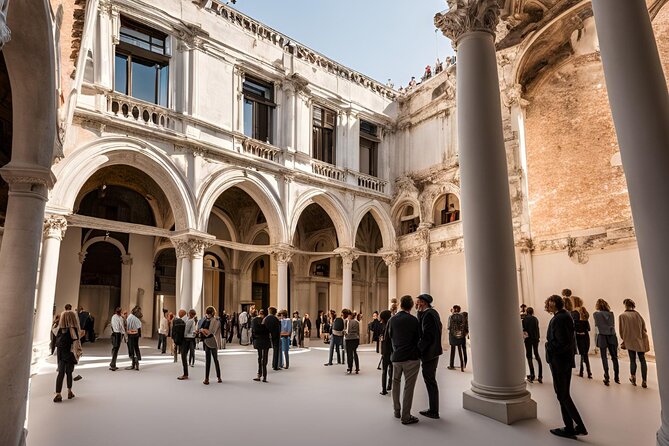
You’ll be with Valerio Coppo, a licensed local guide. What stands out from the experience pattern here is the human tone: people come away feeling you learned a lot without feeling judged for not being an art expert.
Valerio’s strengths show up in three practical ways:
- He’s accommodating and personable, so questions don’t feel awkward.
- He’s punctual and organized, which matters because Biennale days reward people who stay on schedule.
- He can support different language needs. One past guest noted his German is very good, while the tour itself is offered in English—so you can expect solid communication and clarity.
And yes, the guide also understands that Venice is Venice. One review mentioned spritz recommendations along the banks. That may sound small, but it’s actually useful: art days can drain you, and a good break beats stubbornly pressing on.
Stop 1: Giardini della Biennale and the art of getting oriented
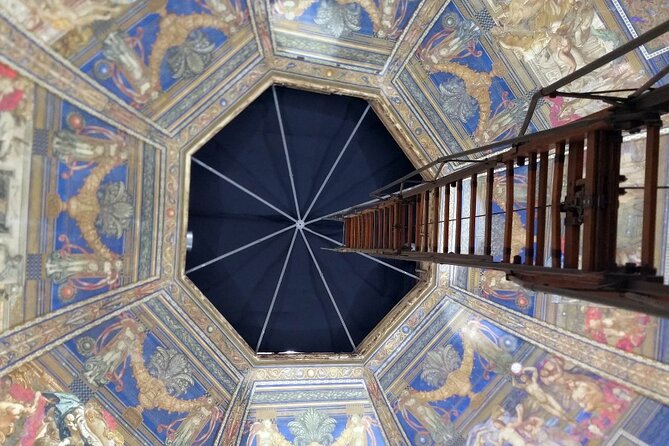
Your first main stop is Giardini Della Biennale, where the Biennale’s atmosphere begins. This is one of the most recognizable areas for the Biennale Arte experience, and you’re given about 40 minutes here.
Why this stop is a smart starting point:
- You get the overall vibe and layout before you rush into the bigger, more industrial-feeling space of the Arsenale.
- You’re positioned to understand how the global exhibition connects to national pavilions. That connection matters, because the Biennale isn’t just one show. It’s many overlapping conversations.
What to watch for during this first block is less about specific titles and more about how the Biennale frames themes. Look for repeated ideas across works, not just standout objects. If you’re new to contemporary art, that’s the fastest path to confidence.
A consideration: Giardini time is limited (about 40 minutes). That’s good for focus, but it means you’ll need to choose your attention. The guide helps you pick a path so you don’t spend the first part staring at the floor plan.
Stop 2: Arsenale di Venezia and the main exhibition focus
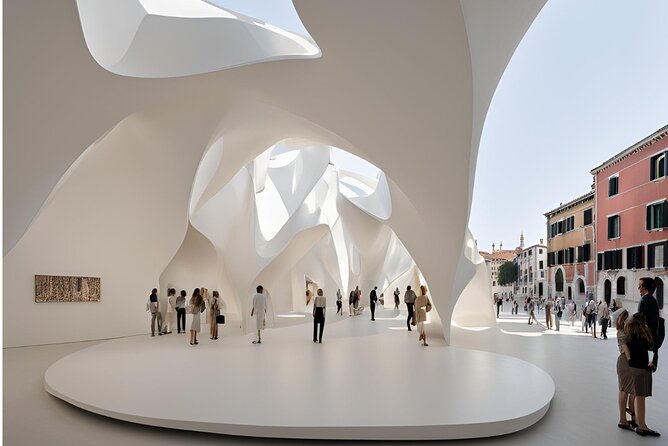
Next you head to Arsenale di Venezia, the other centerpiece of the Biennale Arte experience. You get another 40 minutes here, aimed at the main exhibition experience.
The Arsenale is where the Biennale often feels more cinematic—more space, more industrial architecture, and often more installations that demand your attention. A guide’s value here is huge because contemporary works can be demanding. Even when a piece is visually striking, it helps to know what question it’s responding to.
In practice, this stop is about moving from seeing to understanding. You’ll get help connecting:
- what you’re looking at (not just the objects, but how they’re staged)
- why it’s there (the theme and the larger Biennale framing)
- how to interpret it without needing a degree in art history
One possible drawback of the Arsenale stop: the show area can be concept-heavy. Even with guidance, some works will click faster than others. If you need every piece to feel immediately understandable, you might find part of the exhibition challenging. But that’s also why going with a licensed guide helps—you’re not stuck alone with uncertainty.
Stop 3: National pavilions and how countries tell the same story differently
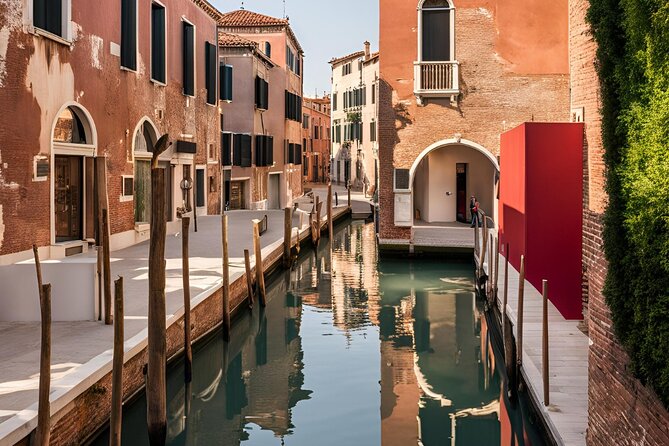
The final stop is about national perspectives, with 40 minutes allotted to a selection of national pavilions. The standout detail here is that this part lists admission as free.
That free-admission element changes the value equation. You’re not paying extra just to get broader context on how different countries interpret the Biennale’s overall world-at-scale conversation. You also get a different kind of art experience than the global show: more emphasis on national viewpoints, different artistic priorities, and distinct cultural storytelling rhythms.
This is where you can learn a lot fast, especially if you care about identity, memory, and social questions. One earlier experience highlighted how the pavilion choices can lead you to perspectives from queer and non-binary artists, and that kind of guided selection is exactly what makes the national portion more than a random walk.
Practical consideration: Because you’re seeing only a selection, you may not hit every pavilion you’d personally choose on your own. That’s the trade-off for time and structure. If you’re returning on a second day, the national pavilion highlight becomes the shortlist you can explore in detail later.




Timing and flow: 2 hours in Venice without losing the plot
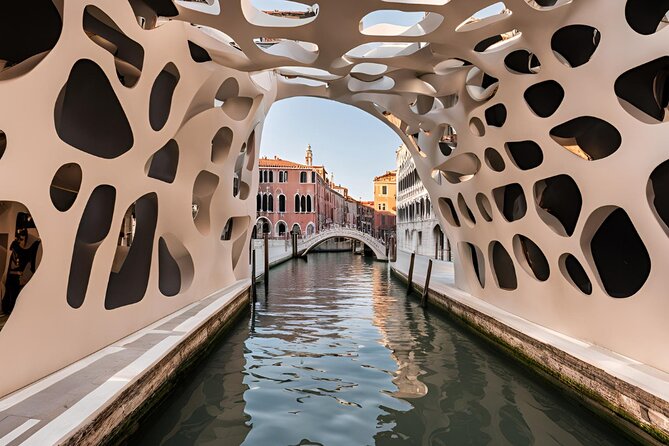
This tour is listed at about 2 hours. With three stops of roughly 40 minutes each, the structure is clear: orientation in the Giardini, main exhibition in the Arsenale, then national perspectives.
What I like about this schedule:
- It prevents decision fatigue. You don’t have to decide where to begin and what to skip.
- It keeps your focus sharp. Contemporary art works can be easier to process in smaller chunks.
- It gives you a logical day plan: start at the Giardini, end back at the same meeting point, and then keep exploring Venice on your own.
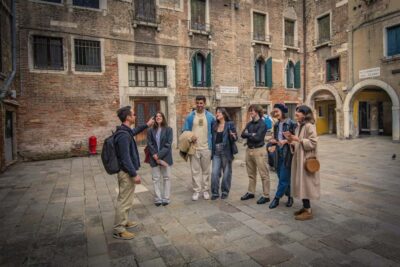
Also, it’s a private tour. That matters because you’re less likely to feel rushed or ignored. If you want to pause and ask about a specific installation detail, you’re not competing with a larger group to do it.
You’ll also have the benefit of being near public transportation. That’s useful if you’re mixing the Biennale with other plans around Venice, rather than treating this as your only activity.
Price and value: what $240.59 means once tickets are added
The price is $240.59 per person for the guided tour. The guide and tour service are included, and you get a mobile ticket for the experience.
However, the Biennale admission ticket is not included. The listed admission ticket cost is €25.50 per person, with reductions possibly available. So your realistic total is basically:
- the tour price, plus
- the Biennale admission ticket if you need it
That doesn’t make the tour cheap, but it can still be good value, because you’re paying for time-saving structure and a licensed guide’s help interpreting what you see. For many people, that’s the difference between leaving with photos and leaving with understanding.
You’re also getting group discounts, which can improve value if you come with friends or family. If you can share the experience, your per-person cost can drop.
The bottom line: if you already know the Biennale well and love wandering without guidance, you might not need this. If you want a strong start, this price buys you direction.
Who this tour suits best (and who might want something else)
This is a strong fit if:
- you’re in Venice for a limited time and want the main Biennale zones covered
- you prefer a guide who keeps things organized and readable
- you want a balance of global themes plus national pavilion viewpoints
- you like asking questions and getting practical interpretation
It’s also a decent option if you’ve never done the Biennale before. The tour format helps new visitors avoid getting overwhelmed by too many choices at once.
If you’re an ultra-expert and you want to spend hours analyzing a few works in depth, you might find 2 hours too short. In that case, use this tour as a first pass, then go back on your own for the pieces you can’t stop thinking about.
As for participation: it notes that most travelers can participate, which suggests it’s not designed as a high-barrier activity. Still, since you’ll be moving between Venice locations, plan for that reality on the day.
Tips to get more out of your two hours
Here are ways to make the time count, based on how a guide like Valerio tends to work with visitors:
- Ask early what the main theme is for your visit, so you can look with purpose from stop to stop.
- Pick one or two questions you want answered by the end—like how national pavilions differ from the main exhibition.
- If you find yourself stuck on whether a work is supposed to mean something or just be experienced, ask your guide. That’s exactly the kind of moment a good Biennale guide helps with.
- Use the guide’s Venice instincts. If you want a spritz break along the banks, ask. A good recommendation is often the best souvenir.
This kind of art experience works best when you treat the guide like a translator, not a lecturer.
Should you book this Venice Biennale 2026 guided tour?
I’d book it if you want a focused, structured way to see the Biennale Arte 2026 without spending your day trying to figure out where to start. The mix of Giardini, Arsenale, and national pavilion perspectives is a smart route, and having a licensed guide like Valerio Coppo makes the contemporary art experience easier to digest.
I would think twice if you hate ticket math and the idea of paying separate entry for the Biennale itself. Also, if you already know the show deeply and want long, slow time with a handful of works, 2 hours may feel too limited.
For most people, though, this is a practical way to get your bearings fast, see the key zones, and leave with clear themes in your head—not just images on your phone.
FAQ
How long is the Venice Art Biennale 2026 guided tour?
It’s listed at about 2 hours.
Is the Biennale admission ticket included in the price?
No. The admission ticket to the Biennale is not included. The listed admission price is €25.50 per person, and reductions may apply.
Where does the tour start and where does it end?
The tour starts at Giardini della Biennale, Calle Giazzo, 30122 Venezia VE, Italy, and ends back at the meeting point.
What language is the tour offered in?
The tour is offered in English.
Is this a private tour?
Yes. It’s described as a private tour/activity, with only your group participating.
Are national pavilions included, and is there an entry fee for them?
A selection of national pavilions is included, and this stop lists admission as free.
Can I cancel for a full refund?
Yes. You can cancel up to 24 hours in advance for a full refund. If you cancel less than 24 hours before the start time, the amount paid is not refunded.