
REVIEW · VENICE
The Murano Glass Museum in Venice
Book on Viator →Operated by Weekend in Italy · Bookable on Viator
Murano glass tells time in color and technique. With this ticket, you get secure entry to the Museo del Vetro and the largest collection of Murano glass in the world, arranged in a clear historical timeline. You’ll move from Roman-era works to 15th–20th-century pieces, including world-famous masterpieces. The only catch: it’s not very hands-on, so younger kids who want to touch and try may fade fast.
I like that the museum structure makes it easy to follow. Roman pieces show the roots of glassmaking, then you get the big Murano story in chronological order. Another positive: the visit is flexible enough to fit a quick stop or a deeper 1–3 hour wander.
If you’re the type who needs activity at every moment, plan differently. This works best when you’re okay looking closely—reading labels, listening if you grab the audio guide, and letting the objects do the talking.
In This Review
- Key things to know before you go
- Museo del Vetro: what you’re really paying for
- Roman foundations downstairs: the 1st–3rd century A.D. floor
- First floor timeline: Murano glass from the 15th to the 20th century
- How the audio guide changes the experience
- Garden break: a quiet pause, not a destination
- Museum shop: small inside, shops everywhere outside
- Timing and duration: how to plan for 1 to 3 hours
- Value check: is $26.43 a good deal?
- Booking realities: don’t let ticket delivery trip you up
- Venice detail that can affect your day: the €5 access fee
- Who this museum suits best (and who might want to skip)
- Should you book the Murano Glass Museum ticket?
- FAQ
- Where is this experience?
- What’s included with the ticket?
- How long should I plan for the visit?
- Is the museum experience available in English?
- Is the museum ticket only for the main galleries, or does it include other areas?
- What kinds of objects will I see?
- Is there any audio guide available?
- Is this museum interactive?
- Do I need to pay a Venice access fee?
- What is the cancellation policy?
- When will I receive confirmation after booking?
Key things to know before you go

- Chronology that makes sense: Roman glass (1st–3rd century A.D.) downstairs, then the main Murano collection on the first floor (15th–20th century).
- A time-saver for busy Venice: you’re set up for secure entry, so you’re not stuck hunting for the next step.
- Audio guide boost: there’s a free audio guide in multiple languages, which helps a lot if you want context beyond the display labels.
- Not an interactive museum: it’s mostly galleries and viewing, so it’s better for art-history adults and older kids than for toddlers.
- A calm garden moment: the garden area is tranquil, but it’s not huge.
- A small shop, but that’s fine: the museum shop is limited, and Murano has plenty of other glass shops nearby.
Museo del Vetro: what you’re really paying for
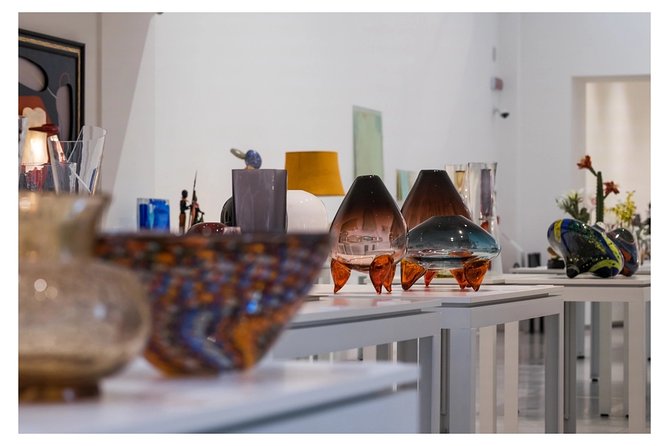
At $26.43 per person, you’re buying a straightforward thing: admission to the Museo del Vetro with English-friendly setup and secure access. For Venice, that matters. Lines and delays can chew up your day, especially when you’re trying to fit islands, churches, and museums into one Venice loop.
This visit is also about scale and structure. The museum’s collection is presented in chronological order, which turns “glass museum” into a readable story: how glassmaking evolved, how Murano became central to it, and how styles changed over centuries. You’re not just looking at pretty objects—you’re seeing a timeline of technique and taste.
The pace is realistic. Most people land somewhere in the 1–3 hour range, depending on how much you read and whether you stop for the garden.
You can also read our reviews of more museum experiences in Venice



Roman foundations downstairs: the 1st–3rd century A.D. floor
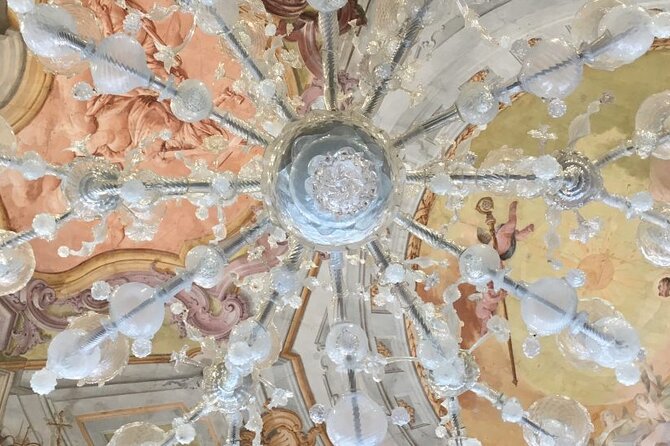
You start with the archaeological side on the ground floor. This is where you’ll find Roman works from the 1st to the 3rd century A.D. The museum doesn’t treat this as a throwaway preface. It’s presented as an important starting point, so the later Murano material doesn’t feel random.
Here’s the value for you: even if you care mainly about Murano’s famous glass traditions, the Roman section gives context. You can spot what’s consistent and what’s dramatically different when the story shifts from ancient glass to later decorative styles and techniques.
Downside? If you come in expecting wall-to-wall Murano masterpieces, this earlier portion can feel more “historical” than “wow.” Still, it’s the kind of prologue that makes the main galleries hit harder once you’re there.
First floor timeline: Murano glass from the 15th to the 20th century
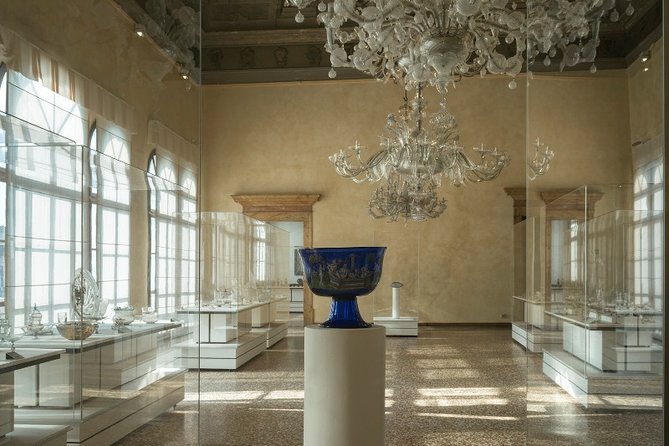
The first floor is where the museum’s reputation makes sense. This is the largest historical collection of Murano glass in the world, with pieces dating from the 15th to the 20th century. Many are described as world-famous masterpieces, and the way the museum organizes the rooms by time period makes it feel like you’re walking through eras, not wandering through unrelated displays.
This is also the place where you’ll get your best “I get it now” moments. When glass is shown in historical sequence—styles changing, preferences shifting—you start understanding how Murano earned its status. It’s not just craftsmanship. It’s culture, patronage, and technology moving together.
Practical tip: slow down at the transitions between rooms. Those are the spots where your brain stops treating it like a single museum experience and starts seeing evolution.
How the audio guide changes the experience
One of the most praised features is the free audio guide in different languages. If you’re the kind of person who reads labels only after you know what you’re looking for, the audio guide can be the difference between a good hour and a meaningful one.
It also matters because this museum isn’t designed like an interactive playground. The galleries are meant for viewing, and the audio guide helps you fill in context while you stand and look.
If you’re visiting with a 10-year-old (or anyone who likes movement and choices), this is a key reality check: the museum is not interactive, so your kid may get bored once the novelty wears off. On the flip side, an older child who’s curious about art history or design can get a lot out of the room-by-room time periods.
Garden break: a quiet pause, not a destination
There is a garden area, and it’s described as tranquil. It’s a nice reset if you’ve been walking around Venice and Murano all day.
Just don’t expect it to replace the galleries. The garden isn’t extensive, so treat it as a breather. Sit for a few minutes, then head back into the rooms while you still have attention and energy.






Museum shop: small inside, shops everywhere outside
The museum shop is small. That might sound like a negative, but it’s also practical. Murano is basically built around glass shopping, so you don’t need a massive museum store to find things to browse.
If you want souvenirs, the museum is best as a viewing stop first, shopping second. Use it to learn what to look for, then go see more variety in the broader Murano shops.
Timing and duration: how to plan for 1 to 3 hours
Plan for 1 to 3 hours. That range is important because it tells you the museum won’t swallow your whole day unless you let it. If you’re already committed to other Murano stops or want time for a scenic walk, you can keep this visit tight.
If you want the most value, give it the full attention span:
- spend enough time in the Roman section to set context
- then commit to the first-floor rooms by time period
- use the audio guide to decide where to linger
Also, because the museum is chronological, you’ll enjoy it more if you don’t rush room-to-room like it’s a checklist.
Value check: is $26.43 a good deal?
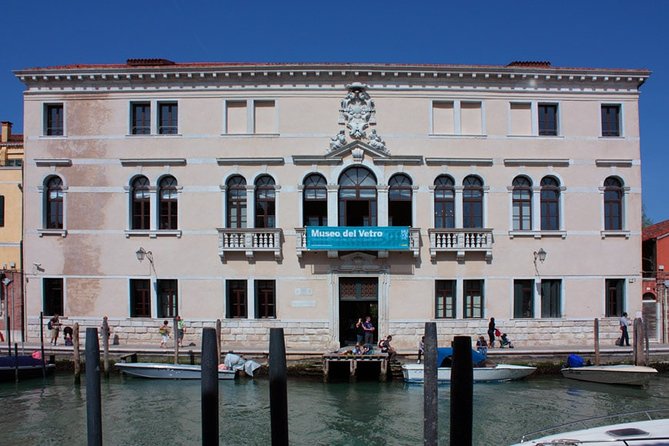
For Venice, $26.43 for an admission ticket to a major glass collection is fairly reasonable—especially when you consider the size and the time period sweep. You’re getting a world-scale collection plus an easy-to-follow layout, which is what you want when you’re paying museum prices while traveling.
Where value gets complicated is your personal style:
- If you love design history and want context, it feels like money well spent.
- If you want hands-on fun or constant action, it may feel like an expensive passive stop.
My take: this is a strong value if you’re even slightly interested in how glassmaking evolved. It’s less of a value if you’re only going because it’s famous and you’re hoping for something you can do, not just observe.
Booking realities: don’t let ticket delivery trip you up
Everything rides on having the right ticket in hand. There’s a tough lesson from a negative experience: if a third-party ticket doesn’t arrive and you show up without valid access, you can end up denied entry and asked to pay again at the door.
So here’s the advice I’d give you: double-check that your booking actually results in usable admission on arrival. If you’re booking close to your visit, don’t treat this like a casual add-on.
On top of that, this experience is non-refundable and can’t be changed for any reason. If your schedule might shift, plan carefully. Also, confirmation is supposed to arrive within 48 hours of booking, subject to availability.
Venice detail that can affect your day: the €5 access fee
If you’re staying outside Venice and you’re visiting for the day, you may need to pay a €5 access fee on certain dates. The key point is that it depends on the day, and exemptions may apply. Check the official information at https://cda.ve.it so you don’t get surprised when planning your day.
Who this museum suits best (and who might want to skip)
Best fit:
- Adults who like art history, craft traditions, and design evolution
- Older kids who enjoy reading labels and learning how things changed over time
- Anyone who wants a focused Murano experience without committing to a full guided tour day
Not the best fit:
- Very young kids who need interactive activities
- Anyone who wants frequent hands-on experiences or constant visual action
- People who only want a quick photo stop and zero time reading
If you’re flexible and curious, the museum delivers. If you’re hoping for a hands-on workshop vibe, you’ll probably leave wanting more.
Should you book the Murano Glass Museum ticket?
Book it if you want a calm, organized glass-and-design timeline, and you’re okay spending time looking instead of doing. The combination of a chronological layout, a museum with major Murano glass coverage, and a free audio guide makes it one of the better ways to learn without turning the day into a stressful sprint.
Skip or reconsider if you’re traveling with very young kids who get restless in quiet galleries, or if you hate passive museum time. Also, don’t treat the ticket as optional paperwork—make sure you’ll have valid entry ready when you arrive, because denied access is the one problem that can sour the whole experience.
If your goal is a meaningful Murano stop that pairs well with a bit of wandering and shopping afterward, this is a solid pick.
FAQ
Where is this experience?
It’s in Venice, Italy.
What’s included with the ticket?
You get an entrance ticket to the Murano Glass Museum.
How long should I plan for the visit?
Plan on about 1 to 3 hours.
Is the museum experience available in English?
Yes, it is offered in English.
Is the museum ticket only for the main galleries, or does it include other areas?
The museum visit includes the museum collection areas, including an archaeological section and the main Murano glass collection. There’s also a garden area.
What kinds of objects will I see?
You’ll see Roman works dating from the 1st to the 3rd century A.D., then Murano glass pieces dating from the 15th to the 20th century.
Is there any audio guide available?
Yes. There is a free audio guide in different languages.
Is this museum interactive?
It is not interactive. It’s better suited to older kids and adults than to younger children who want hands-on activities.
Do I need to pay a Venice access fee?
On certain dates, day visitors staying outside of Venice may be required to pay a €5 access fee. Check https://cda.ve.it for details and exemptions.
What is the cancellation policy?
This experience is non-refundable and cannot be changed for any reason.
When will I receive confirmation after booking?
Confirmation is received within 48 hours of booking, subject to availability.