REVIEW · VENICE
The Majestic Teatro La Fenice: Guided Tour in Venice
Book on GetYourGuide →Operated by Bucintoro Viaggi · Bookable on GetYourGuide
You hear opera history, then you see it.
The Teatro La Fenice guided tour turns famous names and premieres into something physical: gilded rooms, the stage spaces you can picture mid-aria, and a clear sense of how this theatre became a Venice institution. In about an hour, you get the story and the setting in one go.
I especially love two parts. First, you can get up close to the royal box area and take in the theatre’s layout from the kind of seat most people only imagine. Second, the tour style is built for faces-to-face listening, with guides who tell the theatre’s past like a living plot.
One thing to consider: this is a short, inside-only tour. If you’re hoping for backstage access or a long, room-by-room deep look beyond what the guide covers, you may leave wanting more.
In This Review
- Key things to know before you go
- La Fenice in One Hour: what the tour really gives you
- Where to meet in Venice and how the tour starts
- Entering the theatre: the rooms that make opera feel real
- La Fenice’s big claim to fame: acoustics, stage craft, and the crowd
- The history thread: Rossini, Bellini, and the premieres that made La Fenice famous
- The royal box and the views: the experience feels different from there
- Contemporary direction: why the tour talks about today, not just the past
- Guides and group feel: what you’ll notice when the talking starts
- Price and value: is $28 worth it in Venice?
- Who this tour suits best (and who might want something else)
- Should you book Teatro La Fenice guided tour?
- FAQ
- How long is the Teatro La Fenice guided tour?
- What does the tour include?
- Is the tour guide available in English?
- Where do we meet for the tour?
- Is the tour wheelchair accessible?
- How much does it cost?
- What is the cancellation policy?
- Is there a pay-later option?
Key things to know before you go
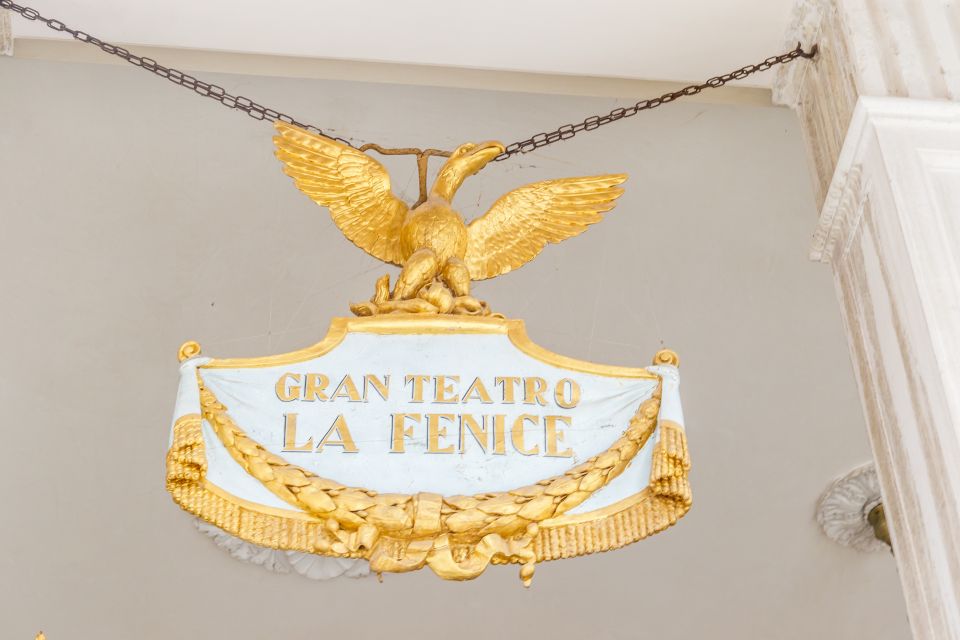
- A quick 1-hour format that fits neatly into a Venice day
- English live guide with explanations that happen once you’re inside
- Royal box viewing and multiple theatre rooms beyond the main floor
- Opera history from Rossini and Bellini to 20th-century works
- Contemporary direction, including major modern titles and world-premiere emphasis
- You can often linger afterward, if the venue is open
La Fenice in One Hour: what the tour really gives you
This tour is timed to do one job well: help you recognize what you’re looking at inside Teatro La Fenice. You’re not just walking through a pretty building. You’re learning why the rooms matter for opera—the seating geometry, the way sound travels, and how the theatre’s identity got shaped by the works first staged there.
At one hour, the pace is brisk but not rushed. The guide’s goal is to give you a framework fast: who performed, what made La Fenice famous, and what’s different today. You’ll leave with names you can connect to the architecture. Even if you’re not an opera superfan, you’ll be able to look at the theatre and say, yes, I get why people care.
You can also read our reviews of more guided tours in Venice


Where to meet in Venice and how the tour starts
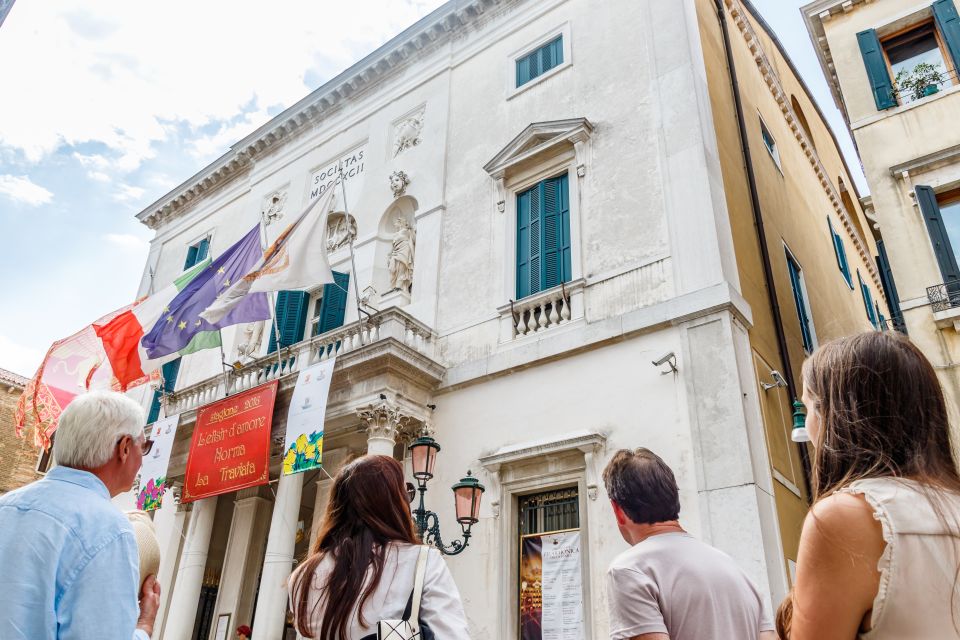
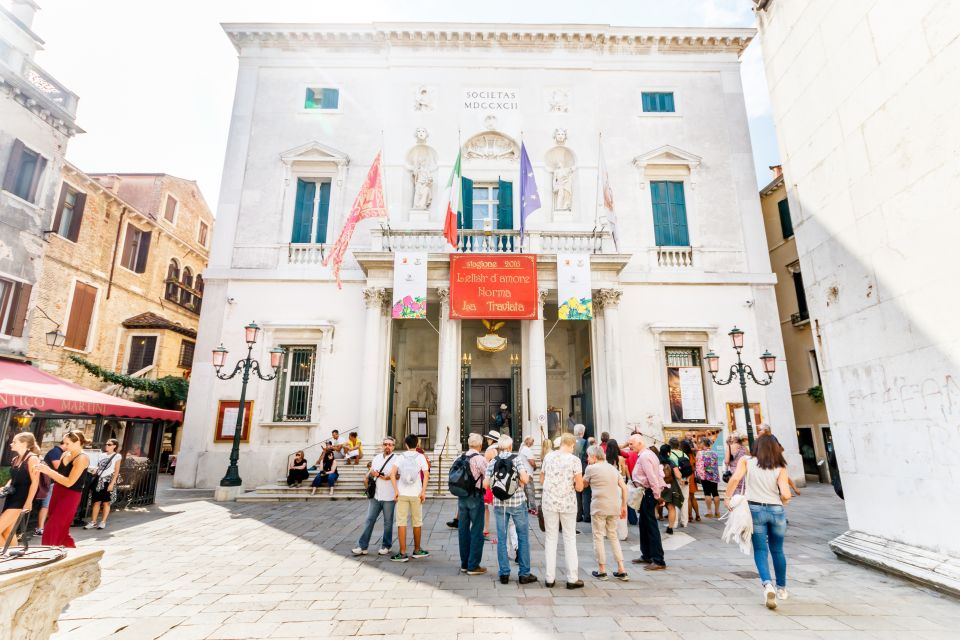
Your meeting point is simple: in front of the Fenice theatre entrance. A hostess meets you directly outside. Then, the real explanation happens inside the theatre, not while you’re walking up to it. That matters because the tone shifts once you’re in the room—quiet attention, fewer distractions, and more time focused on what you’re seeing.
A practical note from how these tours run: you’ll want to arrive a few minutes early, especially in Venice streets where it can be easy to lose track of time. One of the recurring themes in guide reviews is punctual starts and clear meeting behavior, but a little buffer helps.
Entering the theatre: the rooms that make opera feel real
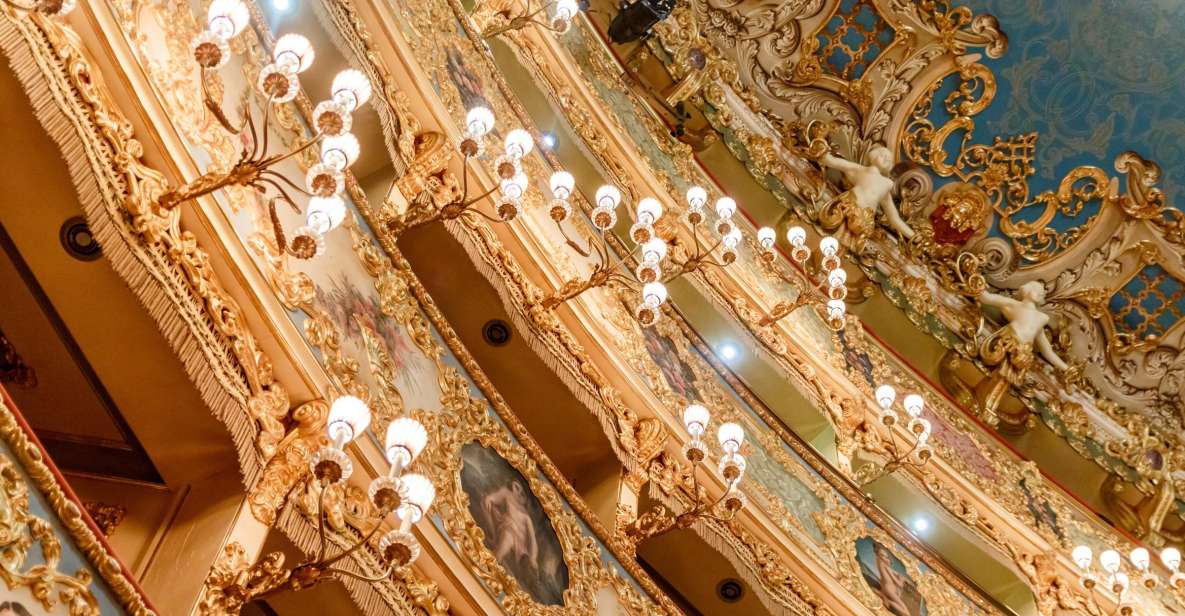
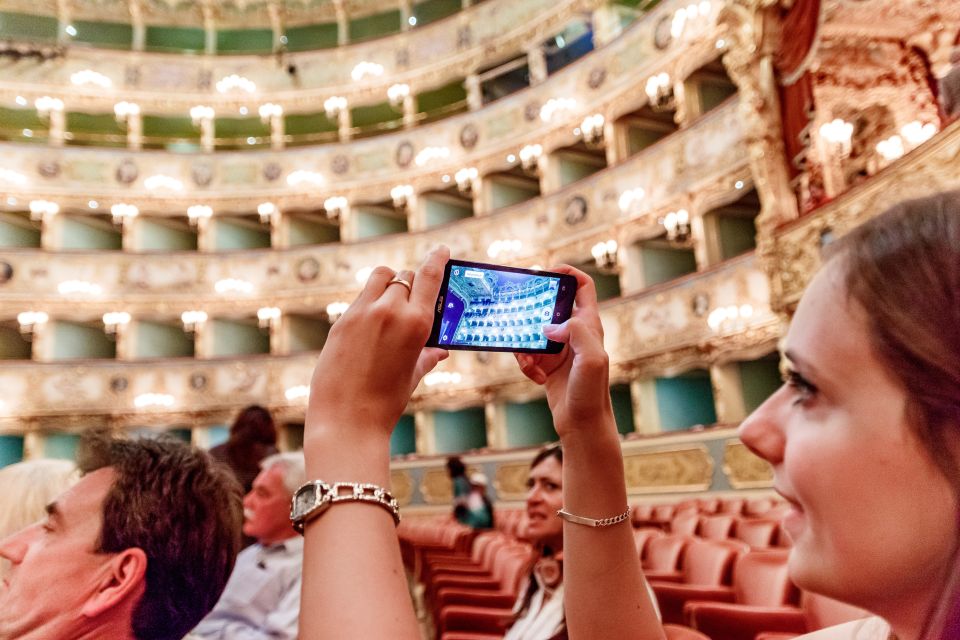
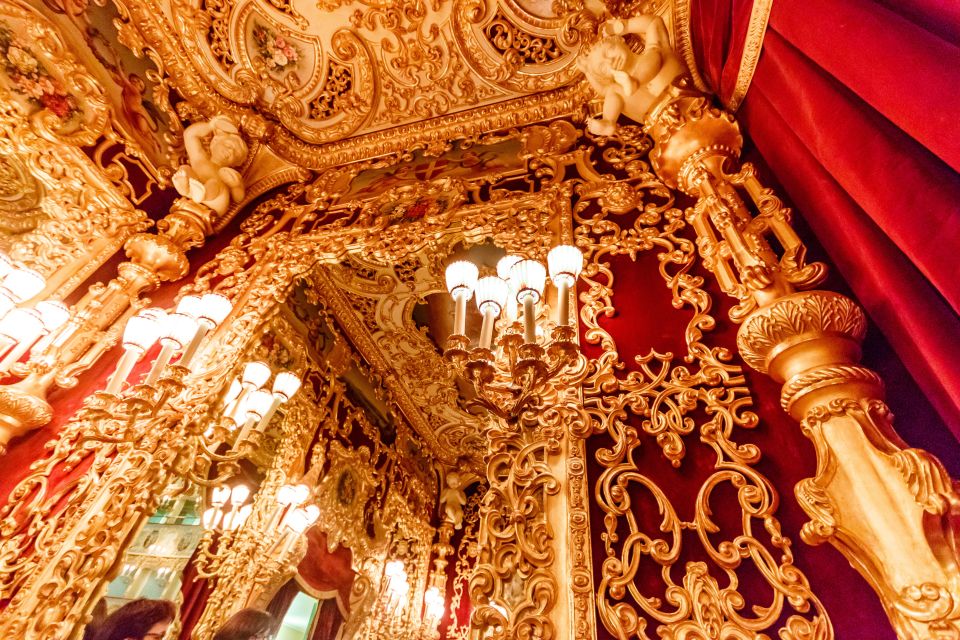
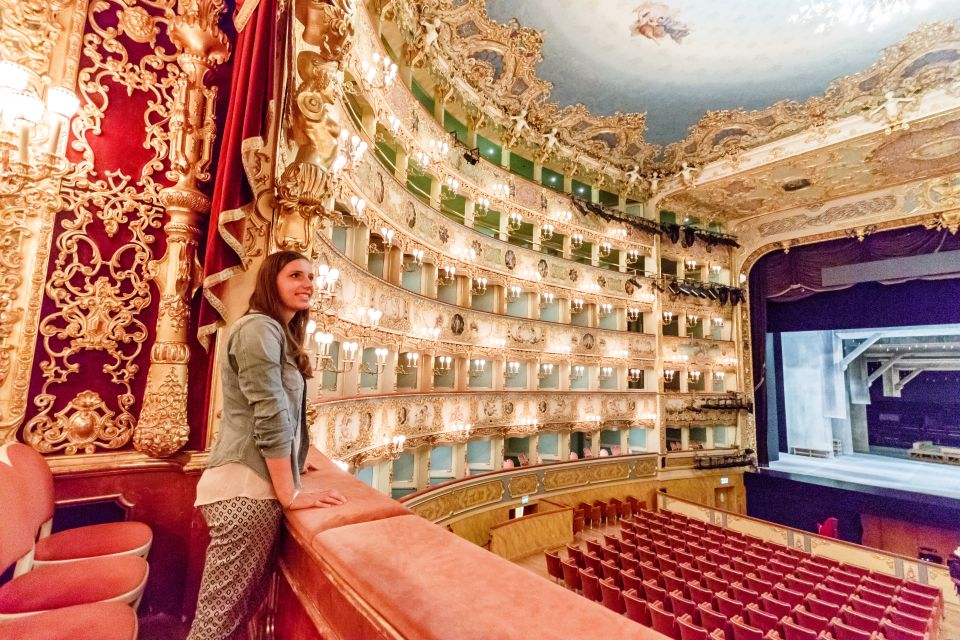
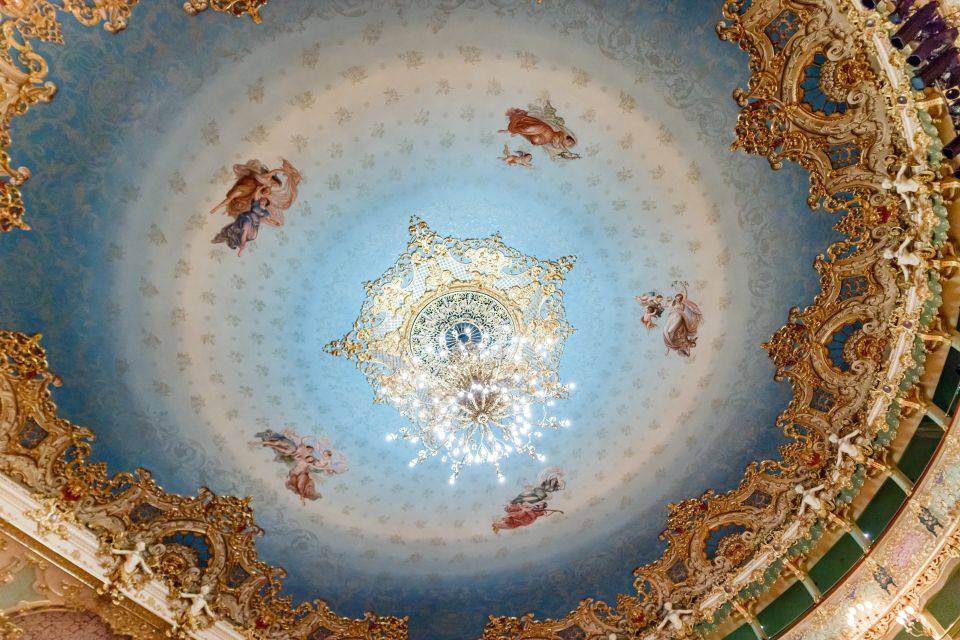
Once you’re inside, the tour centers on the interior spaces that shape the opera experience. La Fenice is known for its stage and for the sense of spectacle that hangs in the air—this is the kind of theatre where details aren’t decoration; they’re part of the performance. As the guide talks, you start to notice how the seating tiers frame the stage and how the theatre layout focuses attention.
One reason people love this tour is that it doesn’t stop at the obvious. You typically see more than just the main viewing area. In several guides’ runs, you may get access to larger interior rooms and special vantage points, including areas connected with the royal box.
Also, you’re in the building long enough to feel the scale. La Fenice has seating for over 1,000 people, and the room is described as having excellent acoustics. When you hear that while you’re physically standing in the theatre, it clicks: this is built for voices to carry and for music to land with clarity.
La Fenice’s big claim to fame: acoustics, stage craft, and the crowd
Opera isn’t only about singers. It’s also about the room. La Fenice’s scale—a 98-member orchestra and a 66-person opera chorus—signals why the theatre became such a target for major productions. This is not an intimate little stage. It’s a full system for large musical works.
During your tour, you’ll hear how La Fenice became a go-to venue for major premieres soon after it opened (founded at the close of the 18th century). That early momentum is part of why the theatre’s identity is so strong: it built a reputation, then kept earning it.
When the guide explains the way the theatre’s audience and artistic direction evolved, you’ll understand the theatre’s “why” beyond the “wow.” You’re learning how the building supported big projects, and how that same venue still matters for today’s productions.
The history thread: Rossini, Bellini, and the premieres that made La Fenice famous
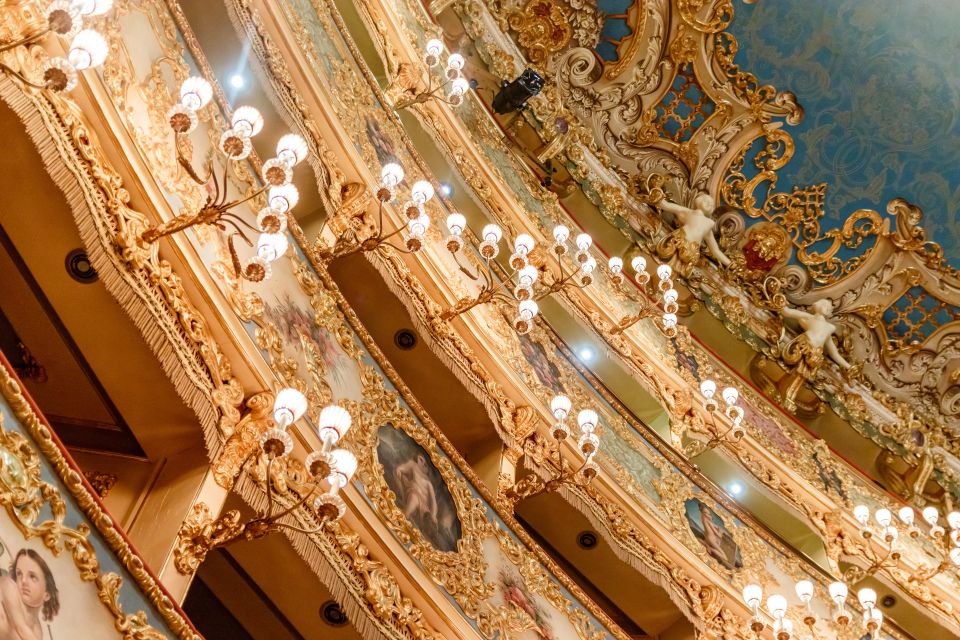
The tour’s storytelling backbone is the repertoire associated with La Fenice. You’ll hear about major Italian composers whose operas helped shape the theatre’s prestige—think Rossini and Bellini—and you’ll connect those names to the kind of grand premieres a theatre like this hosted.
Specific titles that come up include Rossini’s Tancredi, Sigismondo, and Semiramide. You’ll also hear about Bellini’s The Capulets and the Montagues. Another title mentioned is Beatrice di Tenda. Hearing these names during your walk inside the theatre gives you a sense of continuity: this place isn’t a museum that looks back only. It’s tied to performances that defined eras.
A detail I like in this style of tour is the way history is treated as drama. The guide doesn’t just list dates. You get the sense of how La Fenice’s direction shifted across time—what got staged, why it mattered, and how the theatre’s role in Venice kept adapting.


The royal box and the views: the experience feels different from there
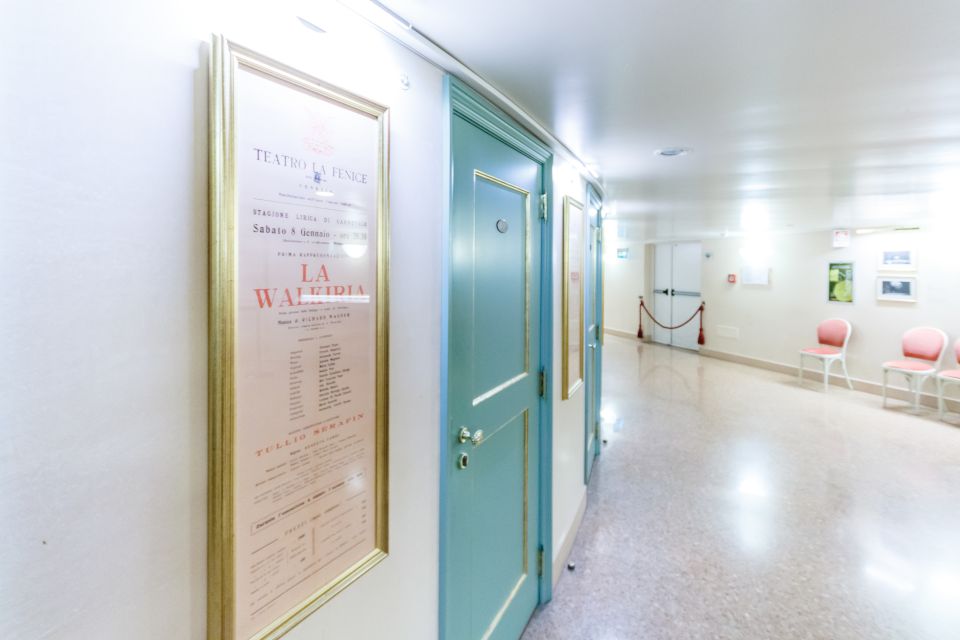
If you’re excited about “I want to see more than the general public area,” focus on the part where the tour brings you toward special vantage points. Several guides’ runs emphasize time connected to the royal box, described as fascinating and decadent in atmosphere.
Even without being a seated “performance” moment, standing in these theatre zones changes your perspective. You understand sightlines. You see how the space feels when you’re aligned with a stage viewpoint rather than a casual walking path.
There’s also a nice extra layer that shows up in some runs: you may see an exhibition linked to Maria Callas. Add that to the setting, and suddenly the tour becomes more than a lecture—it’s an experience of opera culture in the building itself. One review specifically called out the royal box view and the chance to look at that Maria Callas exhibition, plus a short stop in the theatre cafe area.
Contemporary direction: why the tour talks about today, not just the past
La Fenice is not stuck in nostalgia mode. Your guide should explain how the theatre now places emphasis on contemporary productions and big modern works, including major titles like Stravinski’s The Rake’s Progress and Britten’s The Turn of the Screw.
That matters for value because it updates what you’re seeing. You’re touring a legendary opera house, yes—but you’re also learning how it stays relevant. If you’re visiting in the present day, that context helps you understand why the building still draws attention and not only admiration from history lovers.
Guides and group feel: what you’ll notice when the talking starts
One of the strongest points from guide experiences is how well they handle questions and how clearly they tell the story. Names that show up in English-speaking guide experiences include Nicole, Sara, Marina, Matilda, and Sabin. Across these runs, the common thread is a lively explanation style that keeps the theatre from feeling like a stuffy lesson.
You’ll also likely find the group size feels manageable. Several experiences describe it as a small group setup, which makes a difference in a place like this. Less crowding means you can actually see what the guide points to, and you’re not stuck watching someone else’s shoulder.
There can be small hiccups when the theatre is undergoing testing or maintenance. One guide handled a lighting-testing situation by working around it, so the tour still moved forward. That’s worth remembering: theatre buildings are working spaces, even when they feel grand and ceremonial.
Price and value: is $28 worth it in Venice?
At $28 per person for a guided visit lasting about 1 hour, the value comes from what you don’t have to figure out yourself: where to look, what to notice, and how the theatre’s layers connect to the operas you’ll recognize.
If you’re paying for a theatre visit, you’re really buying interpretation. This tour provides the narrative that makes the building click: opera titles, the theatre’s founding era, and the modern direction with contemporary works. The cost also makes sense when you consider that La Fenice is large and visually complex. A guide helps you avoid wandering without context.
Also, you’re not necessarily limited to only the guided portion. Some experiences note that your ticket allows time to stay afterward and absorb the atmosphere on your own, including access to areas like the cafe and the exhibition display. That “extra time” effect is a real value booster because it turns a guided session into a half-visit.
Who this tour suits best (and who might want something else)
You’ll love this tour if you:
- want a high-impact Venice activity that fits into a busy schedule
- like culture with clear context, not just a quick look-and-go inside
- plan to see opera later (or just want to feel more connected to it first)
You might want a different option if you:
- are hoping for backstage access, technical rooms, or a longer inside circuit
- need wheelchair-friendly access (this tour is listed as not suitable for wheelchair users)
Should you book Teatro La Fenice guided tour?
Yes, if you want the fastest way to understand what makes Teatro La Fenice special. The one-hour format is ideal when you’re balancing museums, walking, and good meals. The highlight for me is the way the guide connects opera history to the physical theatre spaces, including special vantage points tied to the royal box.
Book it especially if you’re the kind of traveler who likes standing in a place and then suddenly seeing the story built into the architecture. Just go in knowing it’s an inside tour with a focused timeframe, not a backstage expedition.
FAQ
How long is the Teatro La Fenice guided tour?
It lasts 1 hour.
What does the tour include?
The included activity is a guided visit inside the theatre.
Is the tour guide available in English?
Yes, the live tour guide is in English.
Where do we meet for the tour?
You meet in front of the Teatro La Fenice theater entrance.
Is the tour wheelchair accessible?
No, it is not suitable for wheelchair users.
How much does it cost?
The price is $28 per person.
What is the cancellation policy?
You can cancel up to 24 hours in advance for a full refund.
Is there a pay-later option?
Yes. You can reserve your spot and pay later.