REVIEW · VENICE
Teatro La Fenice Tour in Venice
Book on Viator →Operated by Bucintoro Viaggi · Bookable on Viator
La Fenice burned, then rose again. This guided walk into one of Italy’s iconic opera houses lets you see the Baroque interiors up close and learn how the theater’s disasters and restorations shaped what you experience today. I especially like that you get the focus on the auditorium and royal box, so you’re not just looking at a pretty building from the doorway.
Here’s a fair caution: the experience can be sensitive to the theater’s schedule, and some groups have been mixed by language, so English may take a little extra time if you’re in a blended group. In short, it’s usually brilliant, but do a quick sanity check on your day and start time.
In This Review
- Key highlights worth knowing before you go
- Why Teatro La Fenice feels more than a pretty opera house
- Price, timing, and what you’ll realistically get
- Meeting point in Campo San Luca: how to keep it stress-free
- The auditorium and royal box: the visual payoff
- The phoenix story: fires, restorations, and why the name matters
- Opera and concerts context you can use during your Venice days
- When things don’t go perfectly: language mix and schedule surprises
- Who this tour fits best (and who might want the audio option)
- Should you book the Teatro La Fenice Tour?
- FAQ
- How long is the Teatro La Fenice tour?
- Is the tour offered in English?
- What is included in the price?
- Where do I meet the tour?
- What time does the tour start?
- Is there a cancellation option if plans change?
Key highlights worth knowing before you go
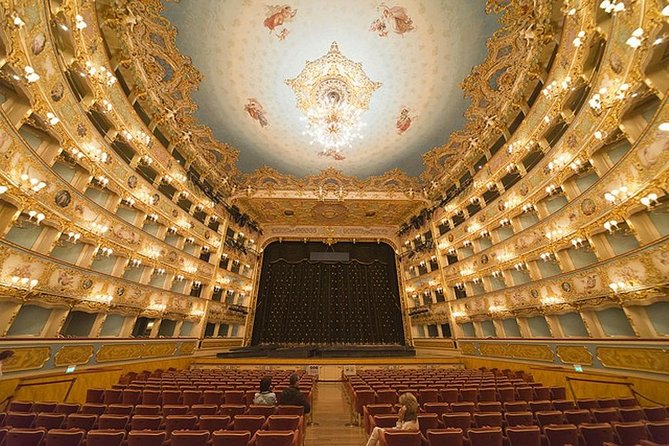
- Meet in central Campo San Luca at Bucintoro Viaggi, then take a short walk to La Fenice
- Ticket included for your visit, and the guided portion is about 45 minutes once inside
- Auditorium + royal box access, with plenty of time to spot décor and architecture details
- Phoenix story (two fires) plus the long restoration process that brought the theater back
- Opera connections explained through major works and the famous musicians and patrons who passed through
Why Teatro La Fenice feels more than a pretty opera house
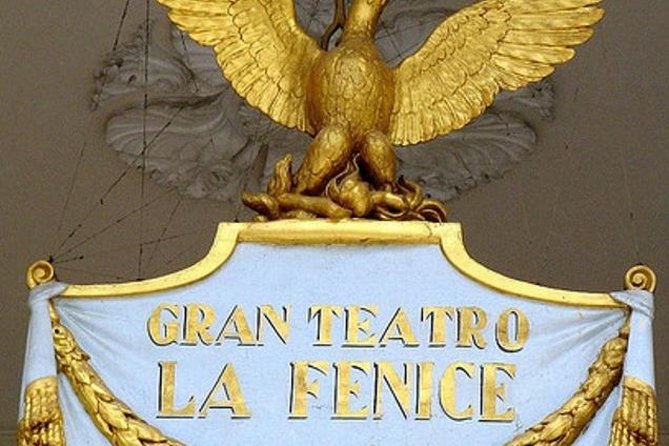
Teatro La Fenice is famous for one simple reason: it’s had to rebuild itself. It was originally built in the late 1700s, then it burned down twice. That gives the tour a built-in story arc that feels personal, not textbook.
As you walk into the auditorium and see the lavish Baroque décor, the place stops being abstract history. You start imagining what it meant when Venice’s cultural elite gathered here in formal clothes, leaning toward the stage and listening for every cue. The name La Fenice means phoenix, and the restoration work is the heart of why the tour matters. You’re not only looking at beauty; you’re seeing how the theater survived.
You can also read our reviews of more tours and experiences in Venice.



Price, timing, and what you’ll realistically get
The price is $30.04 per person, and the tour is about 1 hour total (with the guided visit around 45 minutes once you’re inside). That’s a practical deal in a city where paid-entry attractions can be pricey, and where “see it from the outside” is not the same thing as going in.
Two things help the value here. First, the admission ticket is included, so you’re not paying extra to get into the spaces the guide talks about. Second, the guide turns the visit from sightseeing into storytelling—especially around the fires, the restoration, and why the royal box and auditorium design were built the way they were.
The only timing caution is that the schedule can be tight. Some reviews mention the guide was on a schedule and questions were limited, and others felt the pace could be hurried. If you like slow, unstructured asking-and-answering, plan to jot down your questions as you go.
Meeting point in Campo San Luca: how to keep it stress-free
You’ll meet at Bucintoro Viaggi in Campo San Luca, one of Venice’s central squares. Expect a short walk from there to Teatro La Fenice, which is part of why meeting in the center helps—less wandering, less last-minute stress.
From what people reported, the tour usually starts with a meet-outside moment near the theater, and then you move in. That means you should arrive a little early and be ready to show your voucher or ticket. A few reviews mention voucher changes weren’t explained clearly, so give yourself a few minutes for that handoff before the group moves.
Also, group size is capped at 20 travelers. That’s big enough to meet other visitors, but small enough that the guide can still manage a proper flow through the rooms.
The auditorium and royal box: the visual payoff
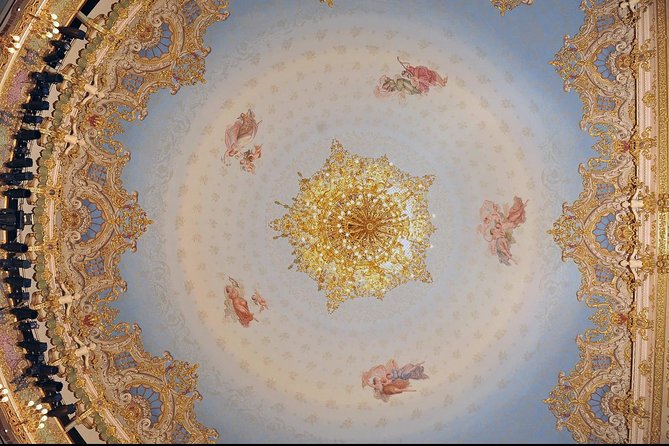
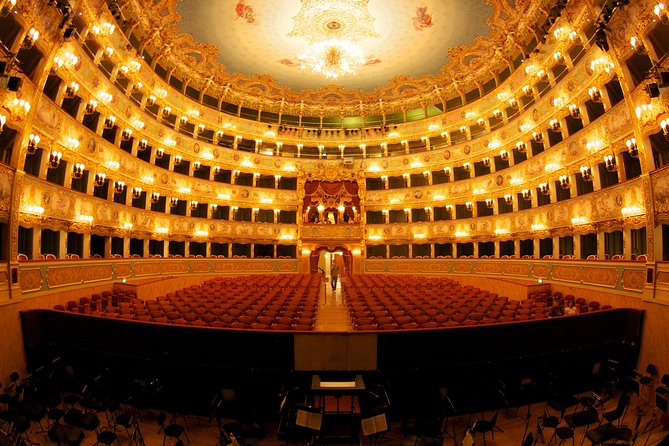
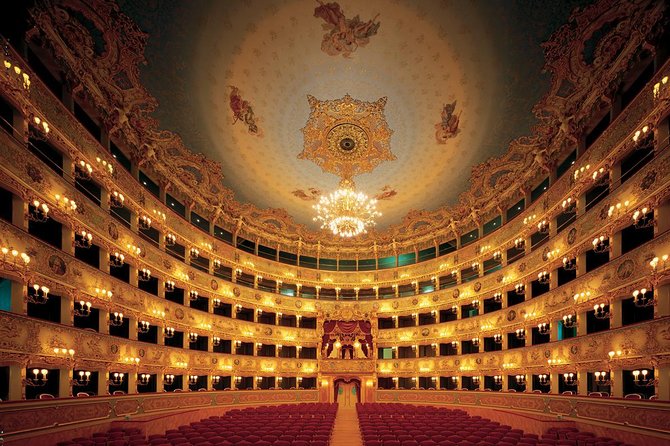
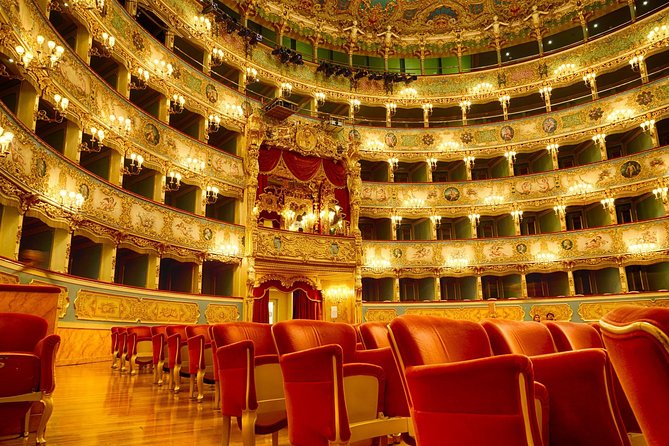
The core of this tour is inside the theater itself. Once you enter, you’ll look at the opulent Baroque styling as the guide helps you connect décor to function—how the room was designed for viewing, listening, and status.
What you’ll focus on:
- The auditorium and how it’s arranged
- The royal box, a standout area that makes the theater feel like a place of power and spectacle
- Decorative details and architectural choices that explain the theater’s personality
Several guides got praise for making the viewing experience easier. People specifically mentioned seeing the VIP/royal box and then learning what it meant historically, not just that it was ornate. If you love architecture, this part is where the tour turns into a real experience. You’ll notice the craftsmanship more because the guide gives you landmarks to look for.
One more note from reviews: this is not presented as a full backstage tour. You’re seeing impressive public areas, including the royal box, but you shouldn’t count on restricted zones like the orchestra pit or deep backstage access.
The phoenix story: fires, restorations, and why the name matters
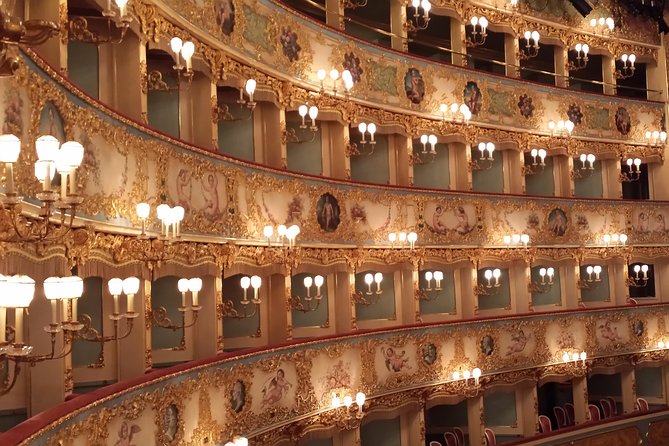
The “phoenix” idea isn’t branding here. The theater burned to the ground on two separate occasions, and each time it returned—after painstaking restoration—to a form close enough that La Fenice still reads as La Fenice.
That matters for how the guide tells the story. You’re not just hearing that it happened. You’re being guided through the consequences: why the theater’s design and interiors carry emotion, why restoration was multimillion-dollar work, and how Venice chooses to preserve landmarks rather than replace them.
A few guides stood out in reviews for emphasizing these points clearly. Names that came up included Nicole, Wanda, and Nikko, with guests praising their ability to connect the fires and rebuilding with what you can see inside. If your favorite kind of travel is the kind where a building’s past changes how it feels in the present, this is the tour for you.


Opera and concerts context you can use during your Venice days
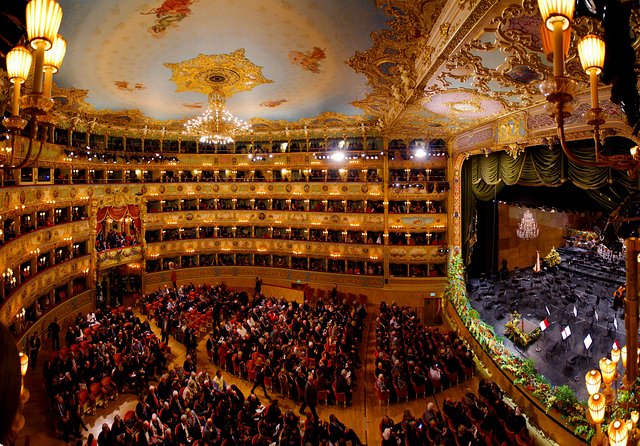
Even if you’re not an opera superfan, you’ll get context that makes Venice feel more like a living cultural machine. The tour highlights major prestige that has happened here, including famous opera performances such as Verdi’s La Traviata.
The theater’s role also goes beyond opera. It stages more than one hundred opera performances each year, and there’s a major symphonic season with conductors from across the globe. The program also includes cycles by composers like Beethoven, Schumann, Brahms, and Mahler, plus contemporary repertoire focused on Venetian artists. The tour doesn’t turn into a calendar of events, but the point is clear: La Fenice isn’t a museum stop. It’s a working stage with deep roots.
Here’s a practical way to benefit from that context: once you’ve learned how important La Fenice is, you’ll recognize the scale of Venice’s musical life when you see posters, hear arias in the streets during performances, or notice how often the city references the arts.
When things don’t go perfectly: language mix and schedule surprises
Most experiences sound smooth, but you should know what can go wrong so you can protect your day.
1) English can be affected by mixed-language groups.
Some reviews describe situations where English-speaking and Italian-speaking guests were mixed, which meant the guide repeated parts in Italian. If your goal is detailed English commentary, choose seats closer to the front when possible, and don’t be shy about asking for clarification early.
2) Schedule and opening hours can change your outcome.
A few reviews are blunt about the theater being closed on certain days or not allowing the tour at a given start time. That’s not something you can control as a visitor. What you can do is double-check your day’s plan and have a Plan B for what you’ll do with that hour in case the interior isn’t available.
3) Voucher handling can be confusing.
One review notes difficulty changing a voucher into tickets. That’s exactly why arriving early is smart. If you’re using a digital voucher, screenshot it and keep it accessible on your phone so you’re not searching for it mid-line.
4) Pace may feel rushed.
Some guests felt guides moved quickly or spoke softly. This doesn’t mean the tour is bad; it just means you should be ready to listen closely and prioritize what you want most: auditorium view, royal box, or the phoenix story.
Who this tour fits best (and who might want the audio option)
This tour is a strong match if you want three things: an inside look, a guided explanation, and a story you can’t get just by staring at chandeliers.
You’ll likely enjoy it most if:
- You care about Venetian culture and architecture, even if you don’t go to opera often
- You like history that connects to what you see right in front of you
- You want a high-impact, short visit that still feels meaningful
If you prefer going at your own pace, some reviews suggest there are times when you can book directly at the theater and use an audio guide instead. That can work if you want extra time for photos or quiet viewing and fewer group constraints.
For opera fans, the tour also sets you up to recognize the significance of the venue when you later watch an event or read about performances linked to La Fenice.
Should you book the Teatro La Fenice Tour?
I’d book this tour if you want an efficient, inside look at one of Italy’s most dramatic opera houses, and you like your sightseeing paired with real storytelling about disasters, rebuilding, and high Venetian culture. At $30.04 with admission included and a small group cap of 20, the value is solid for what you get: auditorium access plus the royal box, explained by an English-speaking local guide.
Skip or reconsider if your travel dates are tight and you can’t handle the risk of a day when the interior isn’t available, or if you strongly need uninterrupted English without any mixed-group repeating. In that case, you might still visit the theater, but plan your expectations and have an alternative hour ready.
If your priority is walking away with a clearer sense of why La Fenice matters, this tour is the kind of stop that makes Venice feel larger than its streets.
FAQ
How long is the Teatro La Fenice tour?
It lasts about 1 hour total, and the guided visit is listed at around 45 minutes once inside.
Is the tour offered in English?
Yes, the tour is offered in English.
What is included in the price?
A local guide and an admission ticket are included.
Where do I meet the tour?
You meet at Bucintoro Viaggi travel agency in Campo San Luca.
What time does the tour start?
The start time shown is 12:30 pm.
Is there a cancellation option if plans change?
Yes. Free cancellation is allowed up to 24 hours in advance for a full refund. If you cancel less than 24 hours before, the amount paid is not refunded.