REVIEW · VENICE
Private Tour of Jewish Ghetto in Venice
Book on Viator →Operated by Free Walk in Venice · Bookable on Viator
Venice has another side of history. This private Jewish Ghetto tour is a smart way to step away from the Rialto-and-doges crowd and focus on the stories that shaped Venetian Jewish life. I especially love how guide Lucia blends Holocaust-era context with the lived identity of Venice’s Jewish community, so it lands as something human, not just dates on a page.
I also like that you’re taught to spot small secret symbols and read the neighborhood like a map, not a backdrop. One consideration: synagogues are not part of the tour, though Lucia can share details on how to add that piece.
In This Review
- Key Points You’ll Actually Care About
- Why This Venice Jewish Ghetto Walk Changes How You See the City
- Starting at Campo San Geremia: The Fast Route Into Cannaregio
- Ghetto Ebraico: Where the Word Ghetto Starts to Make Sense
- A practical tip for this stop
- The Three Jewish Quarters: Vecchio, Nuovo, Nuovissimo
- Learning the Secret Symbols (So You Don’t Feel Like You’re Guessing)
- Who this part is for
- Holocaust History: Keeping the Focus on Impact, Not Just Events
- Bacari Breaks: Wine or Cake, Plus the Everyday Venice Feel
- How to use this break
- What’s Not Included: Synagogues and How to Add Them
- Price and Value: Is $349.13 Worth It?
- Logistics That Matter in Venice (And Keep This Tour Stress-Free)
- Should You Book This Jewish Ghetto Private Tour?
- FAQ
- How long is the Private Tour of the Jewish Ghetto in Venice?
- Is this tour private, and what’s the group size?
- What language is the tour offered in?
- What’s the starting and ending point?
- Do I get a mobile ticket?
- Are the synagogues included in the tour?
- Can I bring a service animal?
- Is there an access fee for this area?
- What happens if the weather is bad or I need to cancel?
Key Points You’ll Actually Care About
- Private, up to 4 people: you get real back-and-forth instead of walking in a line.
- Holocaust-era impact and the ghetto system: you’ll connect the forced community structure to what followed.
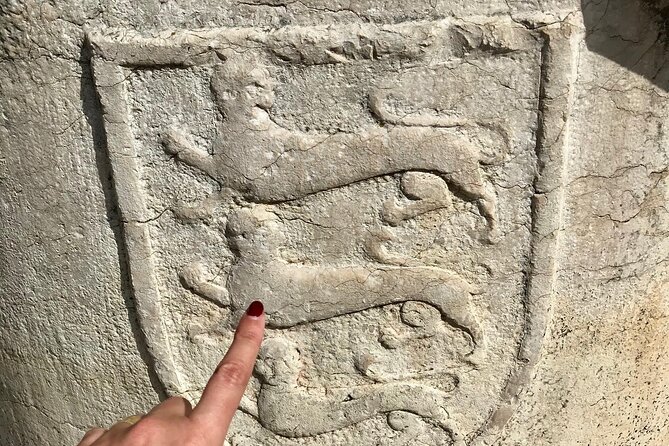
- Secret symbols in the neighborhood: you learn what to look for in an area many people rush through.
- Local food-and-drink stops: plan for a break with wine or cake, plus the bacari spirit.
- You end in Cannaregio, outside the ghetto zone: it’s a natural way to keep exploring nearby on your own.
Why This Venice Jewish Ghetto Walk Changes How You See the City
Venice is good at performing. Marble-looking facades, postcard canals, and the usual highlights. But the Jewish Ghetto tells a different kind of Venice story—one tied to power, segregation, survival, and memory.
This is why a private format matters. In two hours you can’t cover everything, but you can slow down at the right corners and ask the right questions. Lucia’s style—funny, kind, and quick to answer—turns the walk into a conversation. You’re not just passing buildings; you’re learning how people lived, why they were forced into specific spaces, and how later events changed everything.
You can also read our reviews of more private tours in Venice



Starting at Campo San Geremia: The Fast Route Into Cannaregio
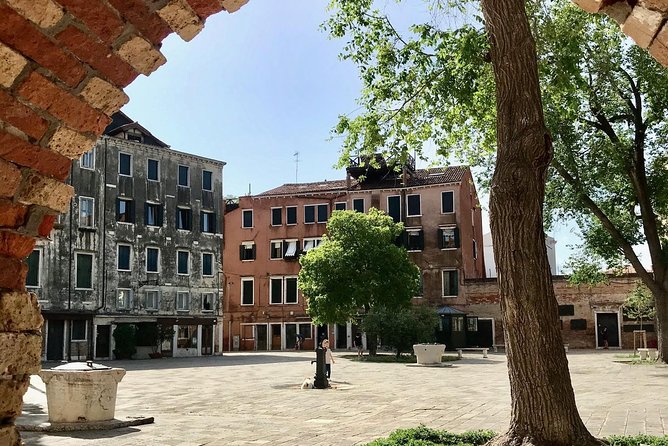
You meet at Campo San Geremia (30121 Venezia VE). It’s a good “on-ramp” to get out of the main tourist orbit without feeling like you’ve been dropped into a random alley.
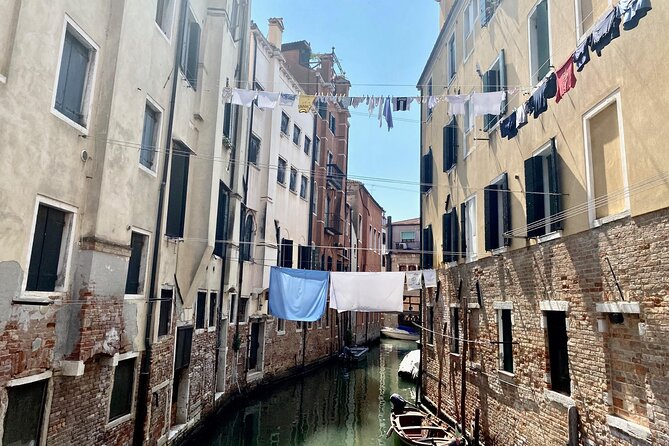
From there, the route does something clever: it guides you from big-city Venice expectations toward the quieter streets of Cannaregio. And that’s the point. Even when the ghetto district feels calm today, the context makes the streets feel loaded with meaning.
The tour ends outside the ghetto area at Fondamenta dei Ormesini (still in the same Cannaregio district). I like this approach because you’re not stuck waiting for a pickup. You finish close enough to keep wandering, looking for your own next stop.
Ghetto Ebraico: Where the Word Ghetto Starts to Make Sense
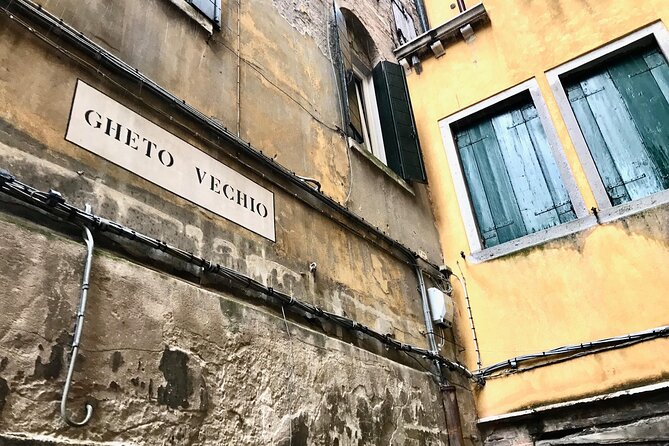
The main walking focus is Ghetto Ebraico. This part is where you start getting oriented—geographically and historically—so the neighborhood stops being just “an area” and becomes a system.
You’ll learn why Venice’s Republic forced Jewish communities to live in a specific place, and how daily life worked under those rules. The tour also touches the origin of the word ghetto—and that’s a huge deal, because it connects a term you might see in textbooks to a real physical location.
The best moment in this section is the perspective shift. You stop treating Venice like a timeless museum. Instead, you see it as a place where laws, boundaries, and fear had real consequences. That’s what makes this walk feel heavier than the usual “sightseeing loop.”
A practical tip for this stop
Come ready to slow down. You’ll want to look at corners, facades, and street layouts. If you try to walk it like a race, you’ll miss the details that Lucia points out.
The Three Jewish Quarters: Vecchio, Nuovo, Nuovissimo
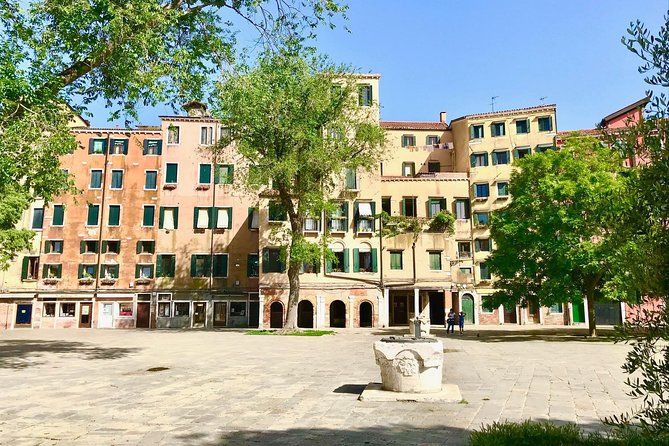
A standout from the experience is that it doesn’t stay stuck on one label. You get a tour of the three Jewish quarters—Ghetto Vecchio, Ghetto Nuovo, and Ghetto Nuovissimo—and that helps you understand how the area evolved over time.
Each quarter gives you a slightly different lens:
- You see how the original setup shaped early life.
- You get a sense of change as time passed.
- You notice how boundaries and identity remained important even as the area developed.
This is one of those rare tours where the neighborhood geography becomes part of the lesson. It’s easier to remember the story when you connect it to streets you can picture.




Learning the Secret Symbols (So You Don’t Feel Like You’re Guessing)
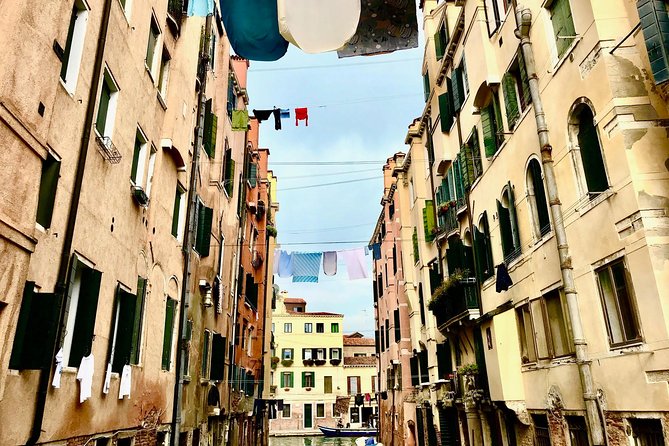
One of the tour highlights is recognizing secret symbols in the neighborhood—things you’d probably walk right past on your own. That’s a big value piece, because it turns “I saw buildings” into “I recognized meaning.”
The best part is that symbol spotting doesn’t feel like a scavenger game. It feels like learning a local language. You start to notice patterns in details and learn why those clues mattered.
And since Venice changes fast—new construction here, renovations there—your guide’s eye helps you focus on what’s stable: the intent behind the markings and what they signaled to community life.
Who this part is for
If you like walking tours that feel like detective work, this will click. If you prefer pure architecture, you’ll still enjoy it, but go in expecting people and history more than “pretty buildings.”
Holocaust History: Keeping the Focus on Impact, Not Just Events
The tour is built around the history of the Holocaust and its impact on Venetian Jews. You’ll talk about what happened and what that meant for real lives in Venice.
This section is valuable because it ties the Holocaust to place. Instead of treating the Holocaust as an abstract world event, you connect it to a community that lived here—spoke here, worked here, and was later forced into tragedy.
Lucia’s ability to answer questions matters here. When you ask something like how policies affected daily life, she can connect the story back to the streets around you. That “back to the sidewalk” approach keeps it from turning into a lecture.
Bacari Breaks: Wine or Cake, Plus the Everyday Venice Feel
This tour isn’t all solemn stops. It includes a break where you can grab a glass of wine or a slice of cake in a traditional establishment.
I like this because it helps you balance the emotional weight with something practical. Also, it gives you that Venetian rhythm: food and drink as a social glue, even in districts that carry heavy history.
One review point that really resonates: Lucia shares where she personally likes to eat and drink—places where she goes for cicchetti and a moment to unwind. That sort of local habit turns the tour from “tour guide facts” into a sense of how people actually live.
How to use this break
Go in hungry (or at least thirsty). Even if you don’t order much, this pause makes the walk feel human and helps you process what you’ve learned.
What’s Not Included: Synagogues and How to Add Them
Here’s the key limitation to plan around: visiting the synagogues is not included.
That doesn’t mean you can’t add them—it means you should budget time and make it intentional. Since the tour covers the ghetto neighborhood deeply, adding a synagogue visit afterward can create a strong full-circle experience: from community history to religious spaces.
Because you’ll finish outside the ghetto area, you’ll be well-positioned to continue with separate arrangements. Just don’t assume synagogue access is automatic.
Price and Value: Is $349.13 Worth It?
The price is $349.13 per group (up to 4) for about 2 hours. That might sound high compared to standard group walking tours. But here’s the value logic:
- You’re paying for a private guide, so your questions and pace shape the experience.
- You’re getting specialized topic expertise focused on Venetian Jewish history, symbols, and neighborhood understanding.
- You also get that local food-and-drink stop built into the flow.
In practical terms, if you’re a couple or a small family, the cost per person can feel far more reasonable. And if you care about history that isn’t the typical Venice script, a targeted private guide is often the best deal you’ll find.
Logistics That Matter in Venice (And Keep This Tour Stress-Free)
A few details make the walk easier to pull off.
- Mobile ticket: you don’t have to wrestle with paper.
- Offered in English: smooth for English-speaking visitors.
- Near public transportation: you’re not stuck in a totally inaccessible corner.
- Most travelers can participate: the tour is built for a wide range of visitors.
- Good weather is required: it’s an outdoor walking experience, so plan your Venice days with weather in mind.
One extra note: on certain dates, if you’re staying outside Venice and visiting for the day, you may need to pay a €5 access fee. It depends on the day and has exemptions, so it’s worth checking before you go.
Should You Book This Jewish Ghetto Private Tour?
If you want Venice with context—not just scenery—this is an easy yes. This tour is for you if you:
- care about Holocaust-era impact and how history lives in a real neighborhood
- like learning what to notice (symbols, street layout, meaning behind restrictions)
- value a guide who brings both scholarship and personal connection
- want a small, guided walk that fits into a busy Venice trip
Skip it or consider adding a synagogue visit separately if you’re mainly seeking religious site access as part of the package. The neighborhood walk is the core, and that’s what you’re booking.
FAQ
How long is the Private Tour of the Jewish Ghetto in Venice?
The tour lasts about 2 hours.
Is this tour private, and what’s the group size?
Yes, it’s a private tour. Your group size can be up to 4 people.
What language is the tour offered in?
It’s offered in English.
What’s the starting and ending point?
You start at Campo San Geremia, 30121 Venezia VE and end at Fondamenta dei Ormesini, 30121 Venezia VE, outside the Jewish Ghetto area in the Cannaregio district.
Do I get a mobile ticket?
Yes. You receive a mobile ticket.
Are the synagogues included in the tour?
No. Synagogue visits are not included, but you can get details to add that part.
Can I bring a service animal?
Yes. Service animals are allowed.
Is there an access fee for this area?
On certain dates, day visitors staying outside Venice may be required to pay a €5 access fee. Exemptions may apply, and you should check the official guidance.
What happens if the weather is bad or I need to cancel?
The experience requires good weather. If it’s canceled due to poor weather, you’ll be offered a different date or a full refund. You can also cancel for a full refund up to 24 hours in advance.