REVIEW · VENICE
Burano Kayak Eco-Tour Through the Venetian Lagoon
Book on Viator →Operated by deTourist Venice Valerio Coppo · Bookable on Viator
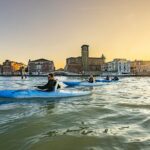
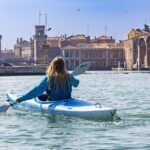
Venice looks best from a slower pace. This Burano and lagoon kayak outing trades crowded canals for salt marsh calm, and it gets you to places most people only see from boats way bigger than yours.
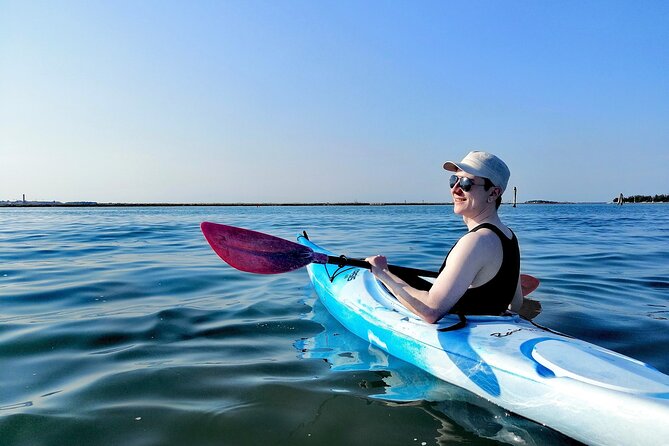
What I really liked: you’re learning real kayak handling and lagoon navigation up front, so you feel steady instead of rushed. I also love that the focus isn’t just sights, it’s a guided walk of the landscape and stories you can only get by water and by paddle.
One thing to consider: this is still time on the water in a small craft, so you’ll want moderate fitness and good weather. If wind chops things up, your route and comfort level can change.
In This Review
- Key takeaways before you go
- Why this kayak tour feels more like Venice’s back yard
- Meeting at Fondamente Nove and reaching the lagoon area
- Safety and kayak basics that make the route doable
- Stop 1: Burano from a slower angle
- San Francesco del Deserto: quiet island mood, lagoon perspective
- The star stop: Sant’Andrea Fort only reachable by small boats
- Wildlife spotting in salt marshes (and how the guide helps you see it)
- What to wear and bring for a comfortable 4.5-hour paddle
- How the small group size changes the experience
- Price and value: is $202.84 worth it?
- Who should book (and who might prefer something else)
- Should you book this Burano Lagoon Kayak Eco-Tour?
- FAQ
- How long is the Burano kayak eco-tour?
- What’s included in the price?
- Do I need a water bus ticket?
- Where does the tour start and end?
- Is this tour physically demanding?
- What happens if weather is bad?
Key takeaways before you go
- Small-group pace (max 8 people) keeps the guide’s attention on you, not the whole crowd.
- Kayak access to Sant’Andrea Fort is the whole reason to book this, not a “bonus stop.”
- Salt marsh routes mean more nature and wildlife, not just buildings and bridges.
- Safety briefing plus life vest makes it approachable, even if you’re new to kayaking.
- Burano and San Francesco del Deserto add contrast: bright colors outside, quiet history inside the lagoon world.
Why this kayak tour feels more like Venice’s back yard
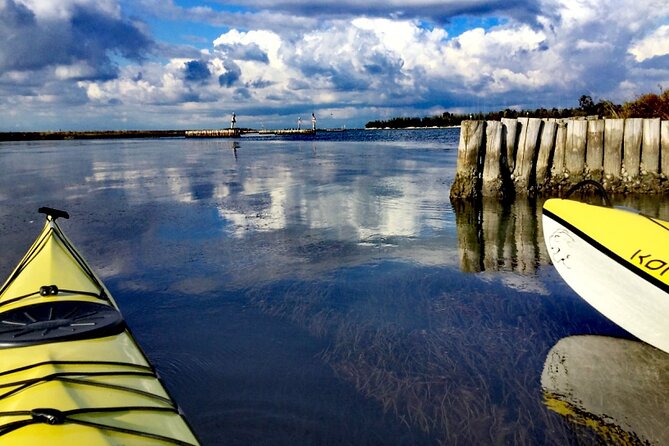
This isn’t a typical “see Venice” outing. You start with the fast part—waterbus connections to reach the quieter islands area—then you switch to the slower, hands-on part where your kayak becomes the main character. The lagoon north of Venice has a different rhythm: shallows, reeds, and narrow channels where you actually notice birds and how the islands work.
The most important detail for me is the instruction. Before you even paddle, the guide talks you through kayak control and the lagoon rules of navigation. That means you’re not just “holding a paddle and hoping.” You’re learning how not to get in the way of other boats and how to move smoothly through the shallows.
Also, the tour’s promise of low-impact touring matters. Instead of powering through the lagoon on an engine, you’re using muscle power, wearing a life vest, and following guide-led stops. That changes the vibe from sightseeing to respectful exploration.
You can also read our reviews of more tours and experiences in Venice
Meeting at Fondamente Nove and reaching the lagoon area
You meet at il Caffegelato in Fondamente Nove (5047, 30121 Venezia). It’s close to public transportation, which is helpful because Venice is easiest when your legs can take a break between transfers.
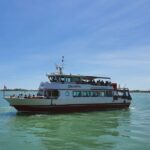
From there, you head toward Sant’Erasmo island together by water bus. This matters because the kayak part only works when you’re starting in the right lagoon zone; otherwise you’d be paddling too far just to get to the interesting channels. Starting together keeps the day on schedule and reduces the “where do we go next?” stress.
The ride segment also sets expectations: you’ll feel the shift from city noise to lagoon quiet the moment your boat pulls away from the main tourist lanes.
Safety and kayak basics that make the route doable
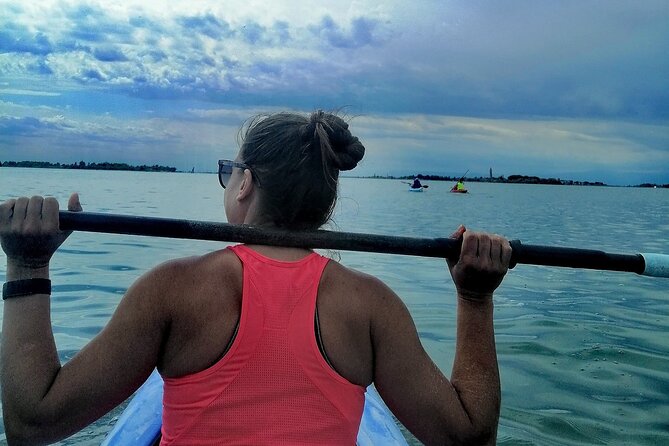
The tour is described as easy to handle and not too tiring. That doesn’t mean “no effort,” though. You should expect a workout for your arms and core, and you’ll do better if you paddle with steady strokes instead of frantic bursts.
Right before kayaking, the guide covers:
- basic maneuvering techniques
- safety rules
- navigation behavior in the lagoon
You’re provided with a kayak, paddle, and life vest plus an ergonomic paddle setup. I like that because it reduces the “wrong gear” problem. Ergonomics matter when you’re holding your paddle for hours.
A key practical tip: go into it with an open, coachable mindset. The route makes sense once you learn how the kayak responds to small movements, especially in tighter areas near marshy edges.
Stop 1: Burano from a slower angle
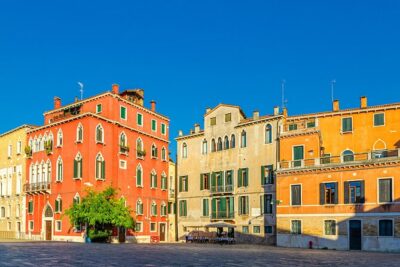
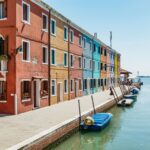
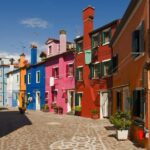
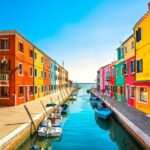
Burano is famous for its bright houses, but this visit isn’t about photographing facades from the usual crowded viewpoints. You’re experiencing Burano as part of the lagoon system—approaching by water, watching how the shoreline meets marshland, and learning how the island life ties into the lagoon’s daily pattern.
Because your stops include time for nature and explanation, you’re not just gliding past. You pause, look closely, and connect what you see to stories about people who still live on the islands. That’s where kayaking helps: you can stop on the spot and actually observe without needing to keep up with a big group walk.
Possible drawback: if you’re hoping for a long “on-land Burano” stroll, this tour is more water-focused than sightseeing-focused. The time on land is not the main event.
San Francesco del Deserto: quiet island mood, lagoon perspective
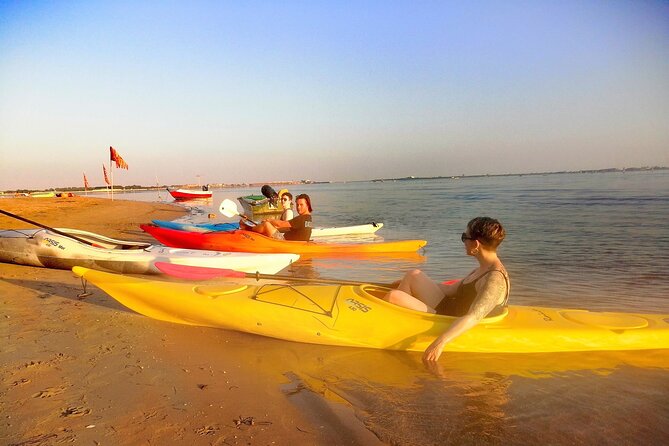
From Burano you move through the lagoon environment toward San Francesco del Deserto, another stop where the point is viewpoint. Island-to-island travel in Venice’s northern lagoon feels calmer and more spacious than inside the city.
This stop is also useful for balance. Burano provides visual color and identity; San Francesco del Deserto offers a different tone—slower, more reflective, and more about how the lagoon frames the island. The guide uses these pauses to explain historical monuments and how people have used this environment over time.
One thing I’d underline: the stops are part of an organized kayak route. If you’re prone to getting impatient when you’re waiting on the group, this tour may feel a little more “hold up and observe” than “race ahead for photos.” If you like the slow pace, it’s a plus.


The star stop: Sant’Andrea Fort only reachable by small boats
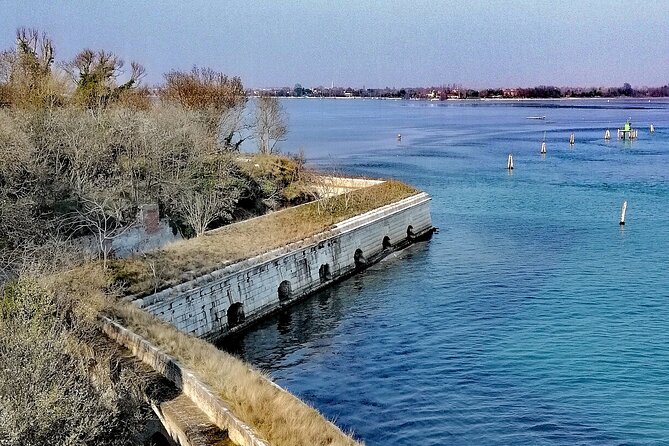
If you book this tour, this is the reason. The highlight is the Sant’Andrea island fortress, described as a 16th-century defensive structure in the middle of the lagoon. You can only reach it by small private boats or kayaks, which is why this excursion feels special compared with standard Venice boat trips.
On the water, this kind of fortress changes scale. Buildings in Venice can feel like flat backdrops when you’re viewing them from land. But out in the lagoon, you see defensive infrastructure as a system—positioned for control, shaped by water routes and visibility.
You’ll visit the main attraction together, then you’ll keep connecting what you see to the broader story of the lagoon islands—why they were protected, how access worked, and why the environment mattered.
Practical note: since it’s a fortress island accessed by kayak, you’ll want to be confident about staying steady in your craft during transitions and brief stops. The safety briefing helps a lot here.
Wildlife spotting in salt marshes (and how the guide helps you see it)
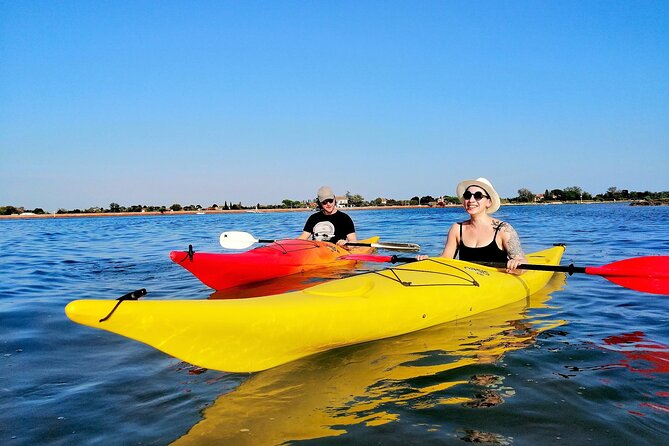
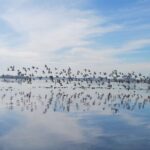
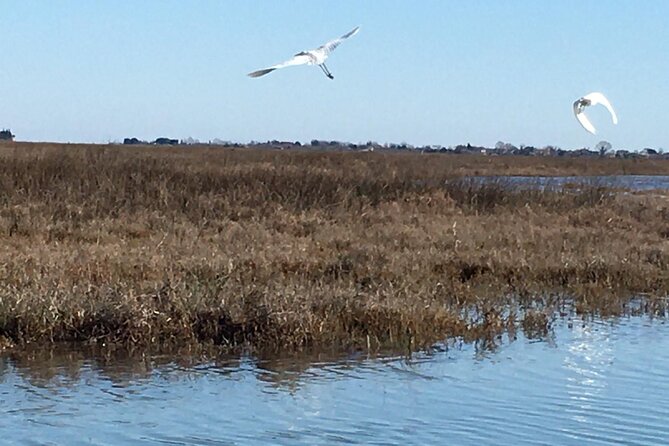
One of the best parts of the route is the salt marsh scenery. As you paddle, you’ll go through marshy areas in the company of lagoon wildlife, and the guide points things out as you go.
This is where the interpretive guide role really matters. Without a guide, wildlife in a lagoon can be easy to miss because it’s not always dramatic. With guidance, you start noticing patterns—where birds linger, how the shoreline shapes movement, and how islands create sheltered zones.
It’s also one of the tour’s value points: you’re getting a nature and interpretive layer while you’re doing physical activity. That makes the time feel “earned,” not just watched.
What to wear and bring for a comfortable 4.5-hour paddle
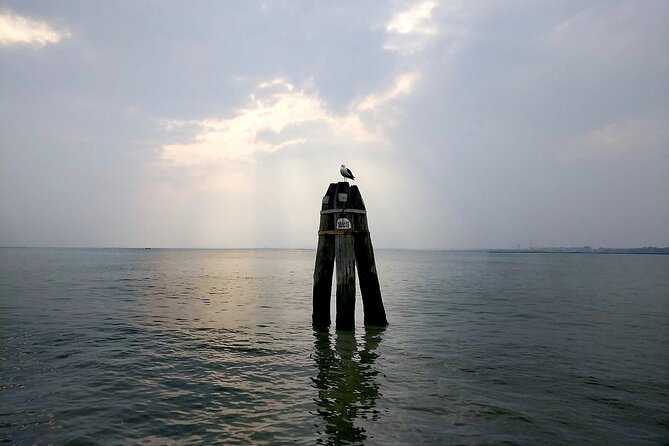
The tour runs about 4 hours 30 minutes. That’s long enough that comfort matters, but short enough that most people with moderate fitness can handle it.
Wear:
- clothes you’re okay getting a little damp (lagoon air and spray happen)
- footwear that won’t be ruined by water
Bring:
- sunglasses
- sun protection
- a light layer if the air feels cooler in the lagoon zone
If you’re unsure, ask yourself a simple question: could you comfortably be on the water for several hours with your clothes and shoes staying functional? If yes, you’re in the right mindset for this tour.
How the small group size changes the experience
This outing caps at 8 people, which is a big deal in Venice. In larger groups, you spend time waiting, and the guide’s attention gets split. In a small group, you get faster feedback on paddle technique and you’re less likely to feel lost during transitions.
You also feel the environmental intent more. When everyone moves as a unit and follows the guide’s pace, the lagoon stays calm. The tour’s style is part of its “eco” credibility: fewer people moving quickly, more time slowing down and looking.
Price and value: is $202.84 worth it?
At $202.84 per person for roughly 4.5 hours, this isn’t a budget activity. But value isn’t only about cost—it’s about what’s included and what you can’t easily do on your own.
You get:
- kayak rental
- a nature and interpretive guide
- a tour leader
- a life vest
- an ergonomic paddle
- pickup at Fondamente Nove
You also use a water bus to reach Sant’Erasmo island, but tickets are bought onboard. That means you’re covered for the core paddling equipment and guided experience; you’re not stuck organizing multiple pieces of the day yourself.
The strongest value argument is access. Sant’Andrea Fort is reachable by kayak or small private boats, and this tour provides the guided route, the timing, and the safety structure to do it as a group. In Venice, that kind of access usually costs more than you expect—because it takes expertise and coordination.
Who should book (and who might prefer something else)
This tour suits you if:
- you want a quieter Venice experience far from the biggest crowds
- you like nature spotting and lagoon scenery, not just architecture
- you’re okay with moderate physical activity
- you want a guide to explain what you’re seeing, especially in the marsh and at monuments
Skip it (or choose carefully) if:
- you hate being on the water for several hours
- you don’t feel comfortable with the idea of kayak control, even after instruction
- you’re looking for a mainly on-land walking tour of Burano or other islands
The tour is positioned as not too tiring and easy to handle, but it still requires real participation. Think of it as active sightseeing, not a leisurely boat cruise.
Should you book this Burano Lagoon Kayak Eco-Tour?
I’d book it if your dream Venice day includes quiet water, wildlife, and a rare stop at Sant’Andrea Fort. The small group setup, the pre-paddle coaching, and the emphasis on nature-and-history viewing from the lagoon all add up to a day that feels different from the standard itinerary.
If you’re only chasing big-ticket city sights from land, you might find it less satisfying. But if you want the Venice most people never slow down to see, this is one of the more practical ways to do it without turning the lagoon into a theme park.
FAQ
How long is the Burano kayak eco-tour?
It runs about 4 hours 30 minutes (approx.).
What’s included in the price?
The tour includes kayak rental, a nature and interpretive guide (tour leader), a life vest, and an ergonomic paddle. You’ll also start from the pickup point at Venice Fondamente Nove.
Do I need a water bus ticket?
You travel together by water bus to reach the Sant’Erasmo area, but the water bus ticket is not included. Tickets are purchased onboard.
Where does the tour start and end?
It starts at il Caffegelato, Fondamente Nove (5047, 30121 Venezia VE, Italy) and ends back at the same meeting point.
Is this tour physically demanding?
It’s described as easy to handle and not too tiring, but it does require a moderate physical fitness level since you’ll be paddling.
What happens if weather is bad?
This experience requires good weather. If it’s canceled due to poor weather, you’ll be offered a different date or a full refund.