REVIEW · VENICE
Venice: Basilica, Doge’s Palace, Gondola and Lagoon Islands
Book on GetYourGuide →Operated by CITY TOURS CO LTD · Bookable on GetYourGuide
Venice hits hardest when you skip the guesswork. I love the way this tour links St. Mark’s Basilica mosaics with a guided walkthrough of Doge’s Palace, then caps the trip with Murano glassblowing and a gondola ride through the San Marco Basin. One possible drawback: the Murano factory portion can feel long if you’re expecting mostly guided storytelling rather than a more process-focused stop.
You get a small group (up to 15), French/English instruction, and skip-the-line help so your time in St. Mark’s Square doesn’t vanish into crowds. There’s also a History Gallery VR experience that turns a few key Venice landmarks into a quick, visual time machine.
In This Review
- Key things that make this Venice plan worth your time
- St. Mark’s Basilica: mosaics, security checks, and the dress rule
- Doge’s Palace and the Bridge of Sighs: power rooms and prison views
- The History Gallery VR in Piazza San Marco: why it helps (and when it doesn’t)
- Gondola ride timing and what you’ll actually see from the boat
- Murano glassblowing: how the factory visit works in real time
- Burano’s canals and color: what you gain after the glass
- When the tour schedule shifts: what you should watch for
- Logistics that can make or break your Venice day
- Who this 2-day Venice combo tour is best for
- Should you book this Venice tour?
Key things that make this Venice plan worth your time
- St. Mark’s Basilica guided visit focused on the mosaics and frescoes (plus security and dress-code rules to keep in mind)
- Doge’s Palace + Bridge of Sighs route that goes from power to prisons without wasting time
- History Gallery VR in Piazza San Marco that shows how the Basilica and square changed over centuries
- Murano glassblowing at a glass factory with live demonstration and a structured visit, not just free time
- Gondola ride on the San Marco Basin with practical details like seat assignment by weight and photo-friendly angles
St. Mark’s Basilica: mosaics, security checks, and the dress rule
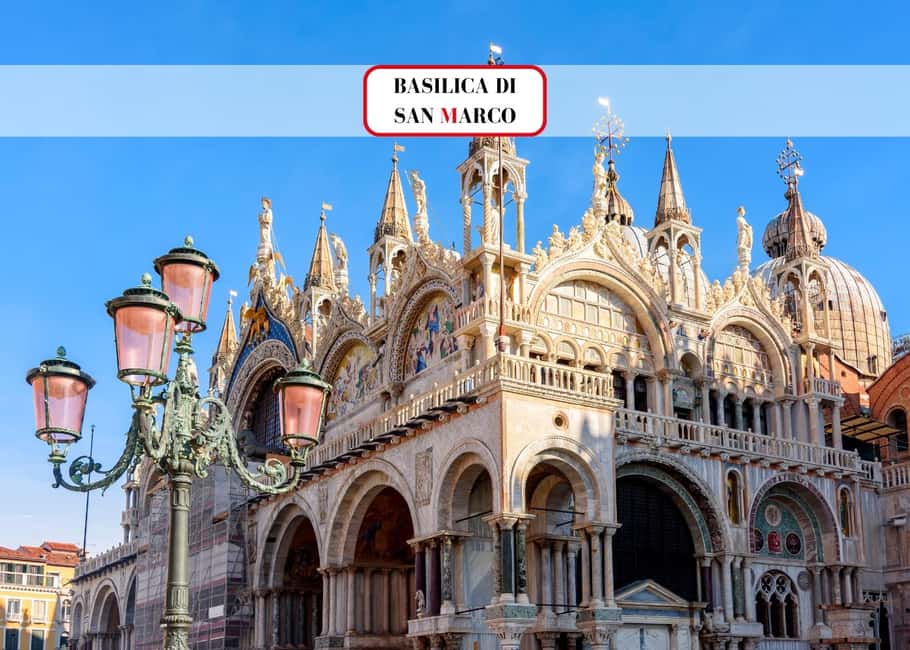
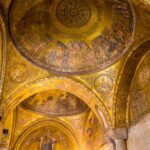
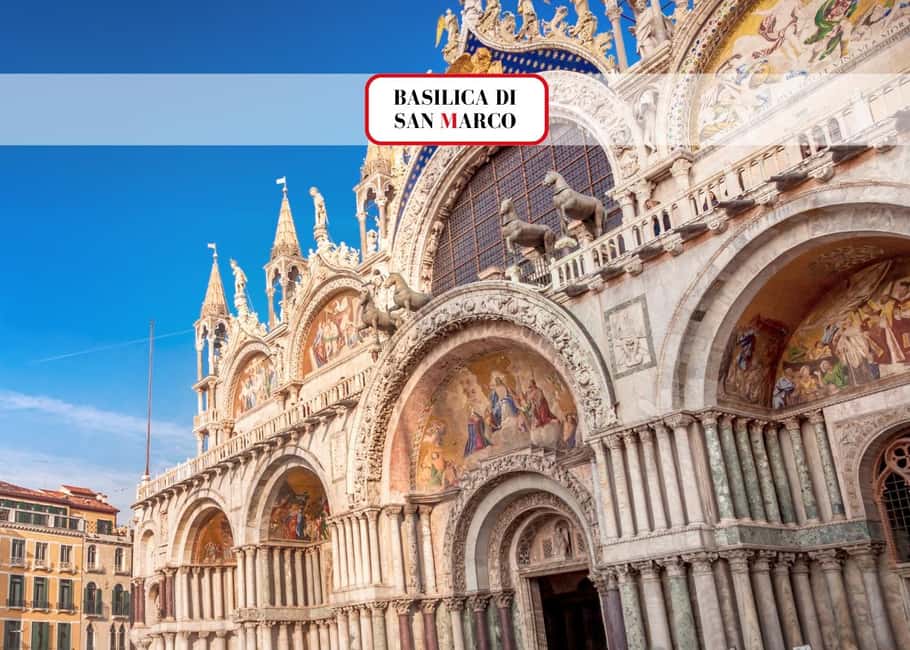
This tour starts in St. Mark’s Square with a guided visit to St. Mark’s Basilica. The headline here is the gold mosaic look—up close, you see the detail and the sheer labor that went into the design. Your guide helps you read what you’re looking at, including how the Basilica’s art connects to Venice’s identity and old power systems.
Before you go inside, plan for the realities of the building. You’ll need a valid ID for security checks, and you should dress properly: no shorts. Also, this stop has strict rules about bags—big bags or luggage aren’t allowed. If you’re traveling light anyway, you’ll feel like you’re winning. If you’re used to bringing a backpack everywhere, you may need to rethink what you carry for the day.
A detail I appreciate: the tour includes assistance at the meeting point and entry with a certified guide/host, so you’re not stuck solving logistics while your feet get tired. The “skip the ticket line” part matters most here, because St. Mark’s can be a time trap when you arrive late.
You can also read our reviews of more tours and experiences in Venice.



Doge’s Palace and the Bridge of Sighs: power rooms and prison views
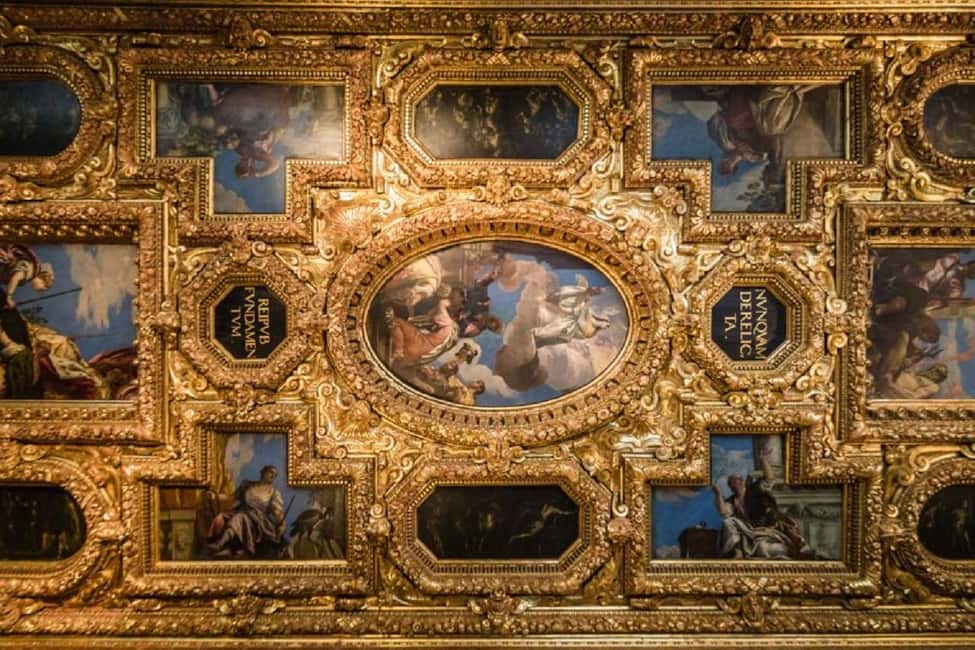
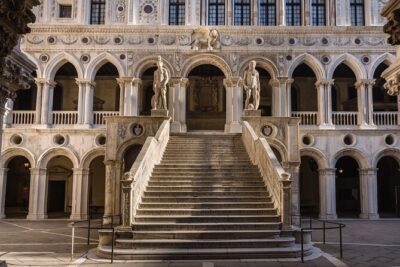
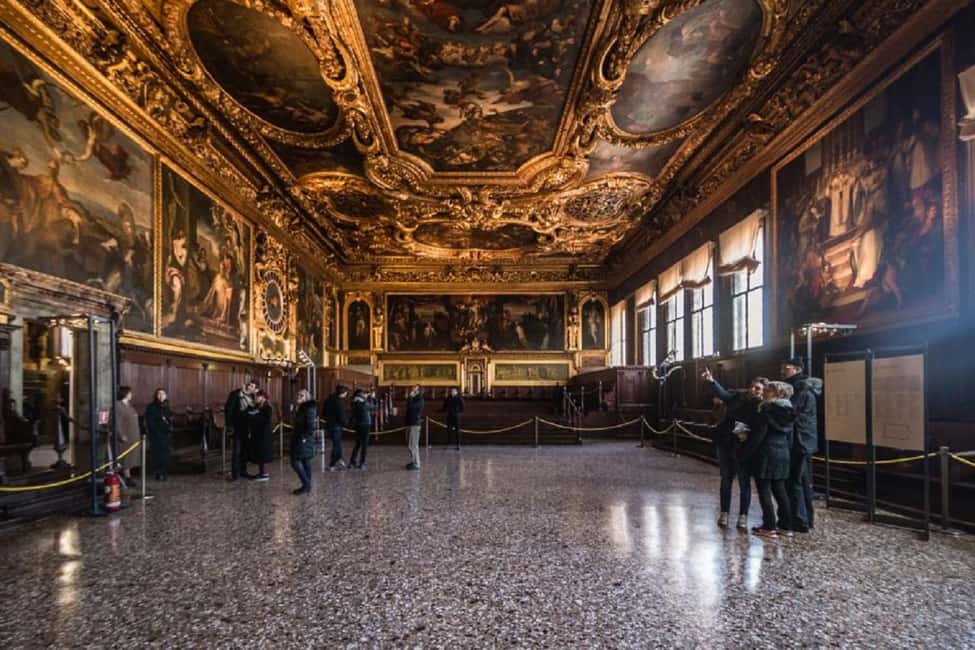
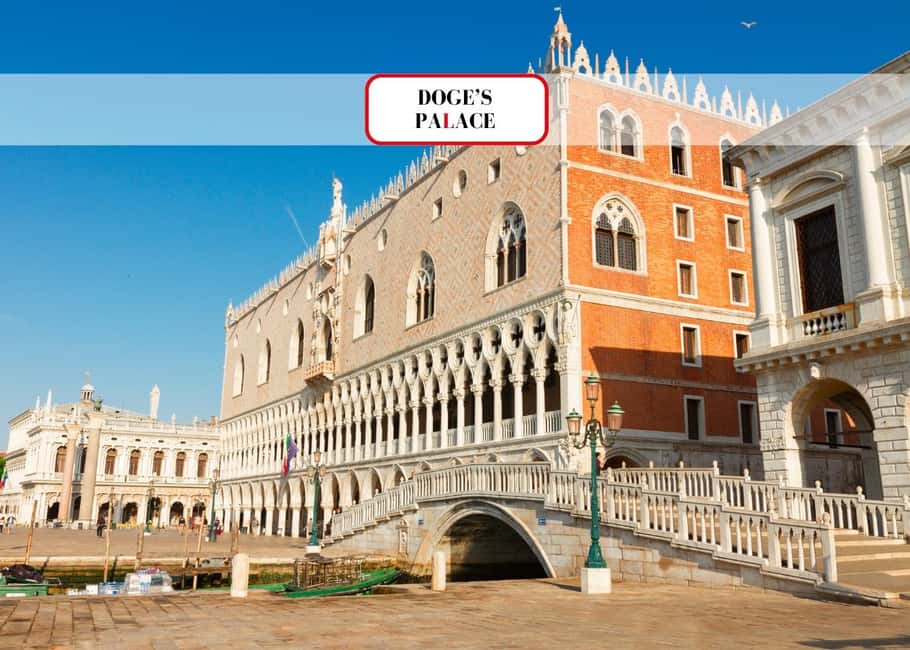
After Basilica, the tour moves to Doge’s Palace, Venice’s dramatic mix of government, art, and intimidation. Your guided time through the palace is built around how it used to work: corridors of power, opulent rooms, and the kind of artwork that’s meant to impress visitors and intimidate rivals at the same time.
You’ll also pass the Bridge of Sighs area as part of the route. Even if you’ve seen photos, it hits differently when you understand what it connects to: the bridge links public show with private punishment. The palace’s prison section is part of the story, and the guide’s job is to connect the architecture to what happened inside.
This is one of the highest-value parts of the day because it doesn’t just say what everything is. It explains why Venice built it this way—and why it wanted you to feel small when you walked through.
The History Gallery VR in Piazza San Marco: why it helps (and when it doesn’t)
One extra layer here is the History Gallery VR experience. It’s designed to show Venice as it evolved: Piazza San Marco shifting through the ages, the Basilica as the Doge’s private chapel, the Doge’s Palace as a medieval fortress, and even the Rialto Bridge when it wasn’t stone yet.
For many people, VR like this is the shortcut you wish you had after 10 minutes of staring at buildings. Venice architecture can look timeless until you learn what changed and why. The VR segment gives you a simple storyline you can carry outside the headset.
That said, VR can’t replace a good guide. If you’re hoping the whole day will be one long spoken explanation, you might still want more human storytelling at certain stops. Think of the VR as a fast background briefing, not the main event.
Gondola ride timing and what you’ll actually see from the boat
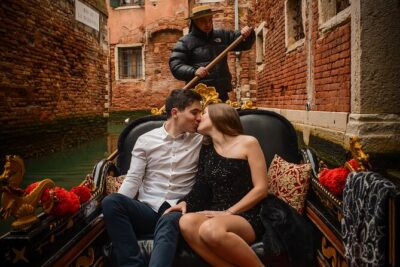
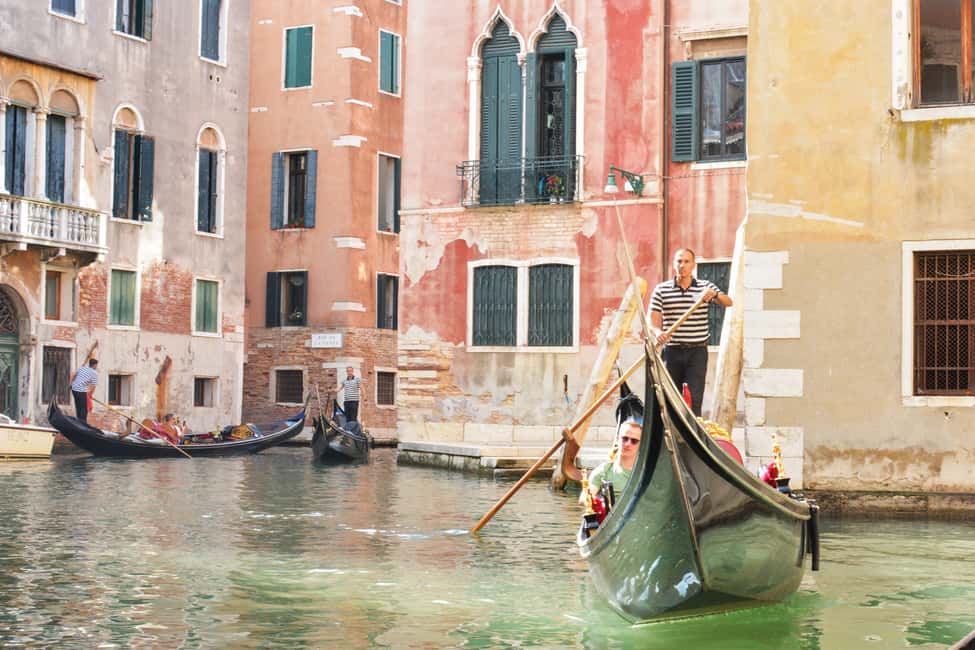
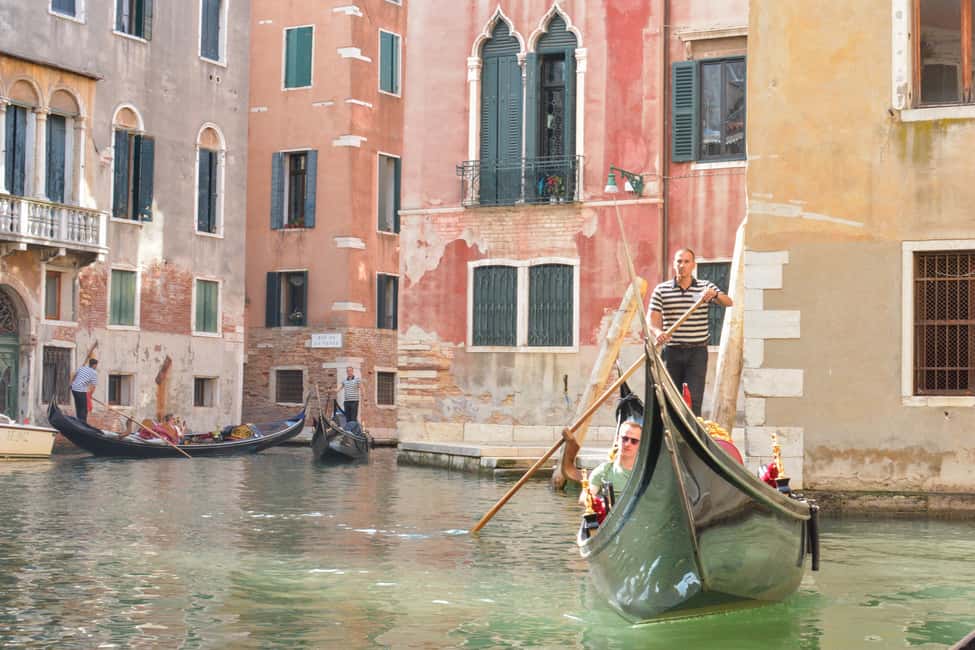
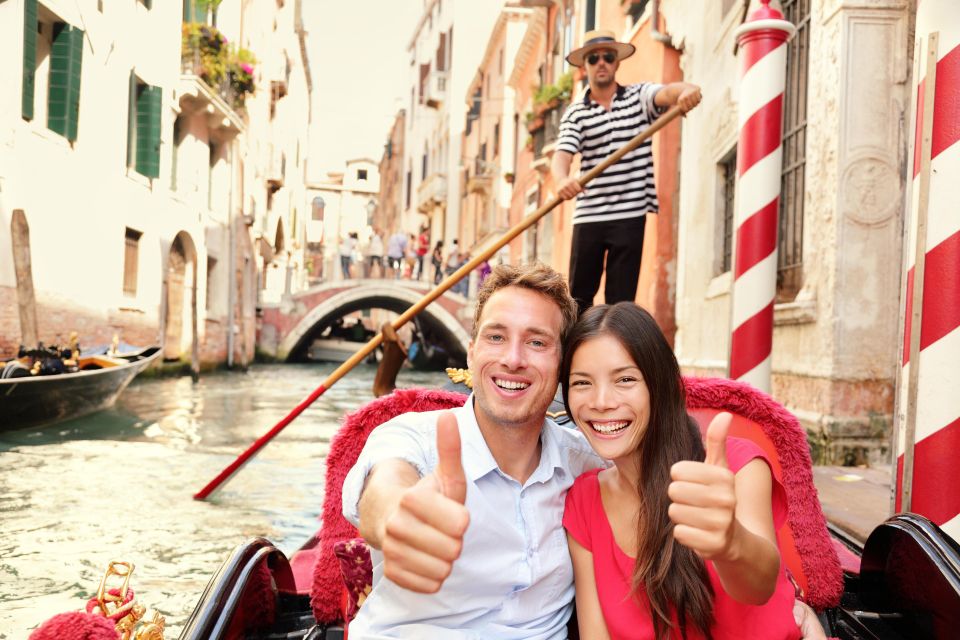
Then comes the gondola ride, which is the part most visitors remember. This tour includes a gondola on the Grand Canal area near key landmarks, with a ride time around 30 minutes and route details meant for photos.
From the boat, you can expect sights around St. Mark’s Basin, and you pass by spots tied to the Bridge of Sighs and the surrounding canal views. There’s also a mention of San Giorgio Island being part of the panorama. If you time it right with the lighting and keep your phone ready, it’s one of the best photo windows in Venice.
Practical note: each gondola can host a maximum of 5 people. Seats onboard are assigned by the gondolier depending on guests’ weight. That means the exact seating view isn’t always something you can choose in advance. If you’re tall or you care about angle for photos, consider arriving a few minutes early and ask calmly where you can sit.
Also, be aware that the schedule can shift with wind or bad weather. Venice plans usually bend with the day, and gondolas are more sensitive than walking tours.
Murano glassblowing: how the factory visit works in real time
After the first Venice highlights day, you head to Murano. The transport is part of the experience—speedboat transfers move you quickly between islands and reduce the “slow water” feeling that can steal time.
On Murano, you’ll visit a glass factory with a guided component and a live glassblowing demonstration. You’ll see artisans work with molten glass, then you get to watch how the process turns into objects people actually buy and display. The live moment is the real selling point. When the demonstration goes well, it’s the kind of craft that makes you pause even if you came in skeptical.
Here’s the balance you should keep in mind. Not everyone comes away thrilled by the way the factory visit is structured. Some people find the factory portion can feel longer than expected or focused more on the workshop setup than on live guide commentary. If your ideal Murano visit is mainly someone talking you through history and meaning as you watch, you may wish for more narration during the showroom or the pre-demonstration parts.
Still, the live glassblowing itself is the core reason Murano belongs on your itinerary. You’re not just touring a store—you’re watching skilled work happen live.

Burano’s canals and color: what you gain after the glass
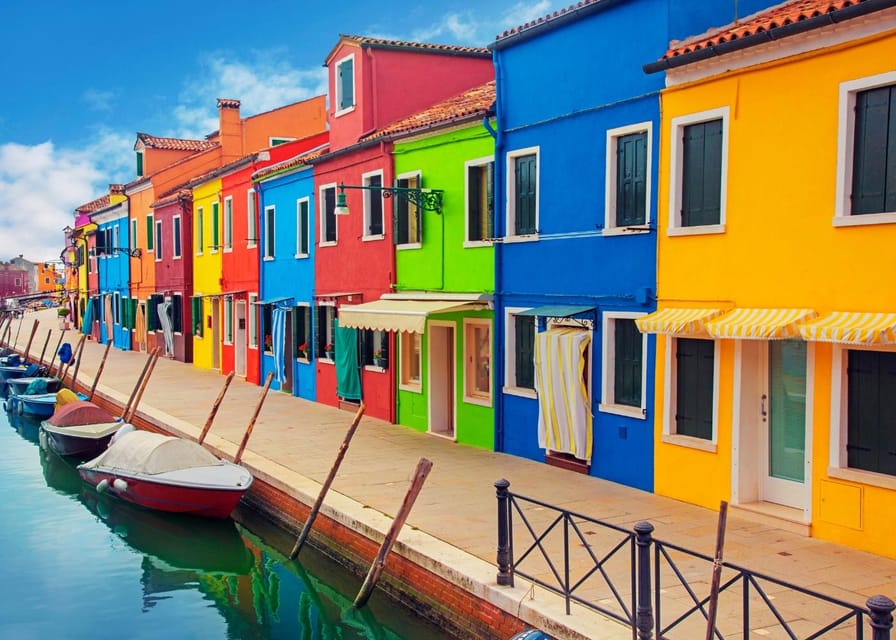
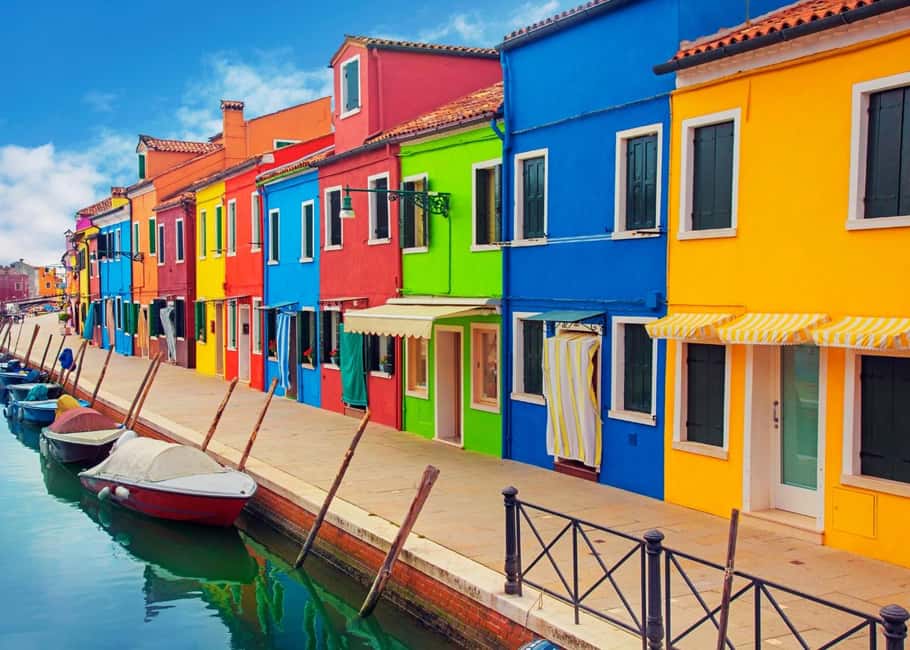
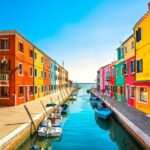
Burano comes after Murano, typically with another speedboat ride. The experience here shifts from craft to color and street-level walking. Your guided time on Burano is longer than a quick stop, giving you room to wander the canals and look at the buildings that make Burano look like a paint sample catalog—only these are real, lived-in homes.
This change of pace is smart. Venice can wear you down: stone, crowding, and repeated squares. Burano gives you different visuals and a slower-feeling atmosphere, which is especially helpful when you’ve already spent time in St. Mark’s Square and a dense palace interior.
If the schedule includes Torcello, you’ll get an added perspective on the lagoon’s deeper past. The provided plan mentions Murano, Burano, and Torcello on the islands day, so it’s worth expecting at least one extra island layer if your dates include it.
When the tour schedule shifts: what you should watch for
Your tour runs over 2 days, and there are different start-times depending on the season. The plan notes that starting from November, the order can be split across two days. In practice, that means St. Mark’s Basilica and Doge’s Palace may happen on one day and the islands on the next, with the gondola ride slotted around the middle of the overall program.
So here’s the key move for you: don’t lock your whole trip plan around a single rigid hour. Check your confirmation message and keep one travel buffer in mind for lagoon weather. Wind can change whether boats run exactly as planned.
Also, be ready for the meeting points to matter. St. Mark’s Square looks easy on a map, but walking a labyrinth of narrow lanes while holding your direction can be annoying—especially on the first morning. The tour gives very specific directions to the Venice Tours office at Calle de le Rasse 4536. Use them. If you miss the first checkpoint, the day can feel like it unspools.
Logistics that can make or break your Venice day
Venice rewards the prepared traveler. This tour is built for people who want efficient sightseeing, but you still need to play by the city rules.
- Dress code for Basilica: you need suitable clothing (no shorts).
- Security: bring a valid ID for checks at the Basilica.
- Bags: no luggage or big bags inside St. Mark’s Basilica and Doge’s Palace.
- Group size: small group, limited to 15, which helps you feel less lost.
- Gondola limits: max 5 per gondola; seating depends on weight.
One more “don’t get surprised” point: wheelchair access is listed as not suitable for this tour. If mobility is a concern, plan on a different format (or pair this with more flexible independent time so you can rest).
Who this 2-day Venice combo tour is best for
I think this plan fits best when you want a structured Venice hit without spending your trip days comparing tickets and hours. The biggest strength is how it connects the dots: Byzantine-style art in the Basilica, civic power in Doge’s Palace, and then craft and island life in Murano and Burano—ending with a canal ride that feels like the grand closing scene.
It also works well if you like expert guidance but hate crowds controlling your schedule. Small group size and “skip the ticket line” support that goal.
If you’re the type who wants long stretches of unstructured walking and deep conversation at every stop, you might find the pacing tight. And if Murano factory visits need more storytelling than process and demonstration, you may prefer a different Murano-focused option.
Should you book this Venice tour?
Book it if you want the core Venice icons handled the right way—Basilica mosaics with context, Doge’s Palace with an explanation of what you’re seeing, Murano craft in real time, and a gondola ride on the canal route near St. Mark’s Basin. The value comes from the combination: expert guidance plus efficient transitions across multiple areas that can otherwise chew up a lot of your day.
Skip it or switch formats if you dislike structured factory time or you really want maximum spoken narration throughout the glass stop. Also, if you have mobility constraints, wheelchair access is listed as not suitable, so plan accordingly.
If your dates fall near November and the order shifts, don’t panic. Just treat the islands day as your second anchor and keep your gondola and St. Mark’s days flexible based on weather and the schedule you’re given.