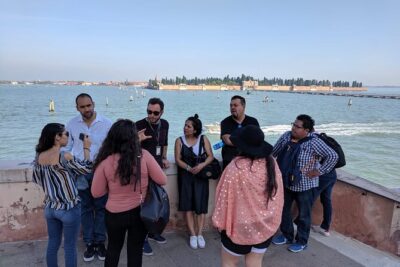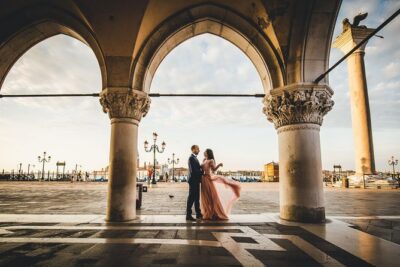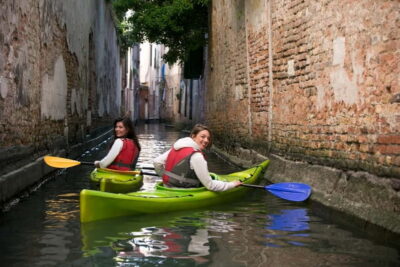
Venice gets quieter when you walk with locals. This 2-hour route through quiet neighborhoods and famous stops like Rialto Bridge feels made for real city life, and I love how the guide turns daily Venice into stories you can actually picture.
The biggest plus for me is the small group size (up to 15), which means you get time to ask questions, not just follow along. One drawback to consider: it’s still a walking tour with multiple short stops, so if you prefer nonstop movement, you may wish for a faster pace.
In This Review
- Key Highlights at a Glance
- Campo San Geremia: The Calm Start That Changes the Trip
- Cannaregio Canals to the Ghetto: The Stop That Gives Meaning
- Madonna dell’Orto and the Camel House: Art and Architecture, Without the Stuffiness
- Squero dei Muti and Ponte Chiodo: Gondola Craft Meets Republic-Era Venice
- Rialto Bridge and the Market: A Famous Finish With Real Context
- What the Guides Actually Do (And Why It Works)
- Price and Value: Is $47.16 a Smart Use of Time?
- Practical Considerations Before You Go
- Should You Book The Real Hidden Venice?
- FAQ
- How long is The Real Hidden Venice tour?
- What is the group size limit?
- Where does the tour start and end?
- Is the tour offered in English?
- What’s included in the price?
- Is there any admission not included?
Key Highlights at a Glance
- Up to 15 people (or private) keeps the walk personal and question-friendly
- Campo San Geremia sets the tone with a quirky, human-scale history lesson
- Jewish Quarter focus explains the origin of the word ghetto and what life was like
- Madonna dell’Orto + Tintoretto connections adds art-and-history texture right on the route
- Squero dei Muti gondola workshop shows the city’s craft side, not just its postcard side
- Rialto Bridge into Mercato di Rialto gives you a perfect “then and now” ending point
Campo San Geremia: The Calm Start That Changes the Trip
Most Venice tours start where the biggest signs are. This one starts in Campo San Geremia, in Cannaregio, a part of town that feels tucked away instead of stage-lit.
You begin with a short orientation and then settle into the atmosphere of the square. The guide shares the amusing backstory of this campo, so you’re not just looking at buildings. You’re learning how Venetians think about places: why a square exists, what it was for, and how it became part of neighborhood memory.
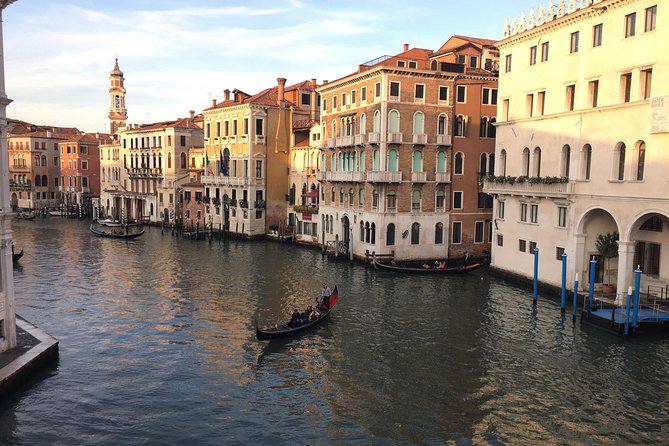
You’ll also get a moment to admire the city from a bridge before the walk really stretches out. That first viewpoint matters. It helps you shift gears from sightseeing mode into walking mode—hands-free, slow eyes, city in layers.
You can also read our reviews of more tours and experiences in Venice.


Cannaregio Canals to the Ghetto: The Stop That Gives Meaning
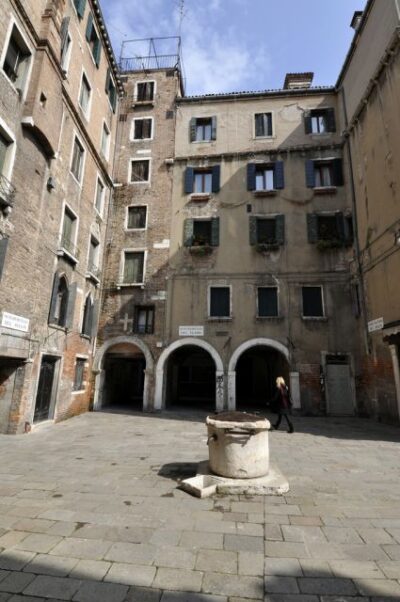
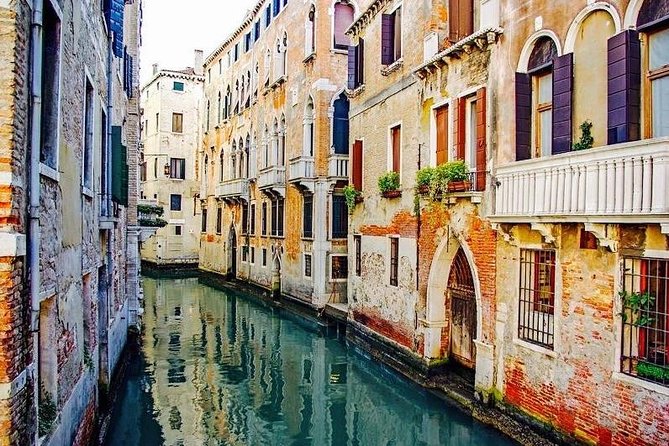
After the start, the route crosses from Cannaregio into the Jewish Quarter. You’ll move over quiet footbridges that feel more like daily routes than tourist corridors.
The Jewish Ghetto Ebraico stop is the heart of the “why it matters” experience. You don’t just see the area. You learn the origin of the word ghetto and hear context about how this part of Venice fits into the city’s long story. It’s one of those lessons that reshapes how you see the streets afterward, because you start noticing details that used to look random.
The tour also keeps daily life in the mix. Instead of making Venice sound like a museum, the guide ties the past to what’s still going on—how neighborhoods function, what people did and why, and what survived into modern routines.
Practical payoff: this is the sort of stop where it helps to ask questions. With a max group size of 15, you’re more likely to get answers that go beyond the usual one-size-fits-all explanation.
Madonna dell’Orto and the Camel House: Art and Architecture, Without the Stuffiness
From the Jewish Quarter route, you’ll reach Chiesa della Madonna dell’Orto, known for Tintoretto paintings. Even if you don’t go inside, the area around the church is part of the lesson, including the original floor of Venice in front of the church.
Then the walk nudges you into an architectural character stop: Palazzo Mastelli del Cammello—often nicknamed the Camel House. This is where you get legend and physical design in the same breath: why the facade looks the way it does, and why Venetians gave it a nickname that stuck.
I like this pairing because it avoids the two extremes. You’re not stuck only in art facts, and you’re not only hearing street folklore. You’re seeing how history lives in the visuals you pass every day—if you know what to look for.
Note: Madonna dell’Orto has an admission ticket that is not included on this tour, so plan accordingly if you want to step fully inside. The rest of the route’s stops are free to admire from the public areas.
Squero dei Muti and Ponte Chiodo: Gondola Craft Meets Republic-Era Venice
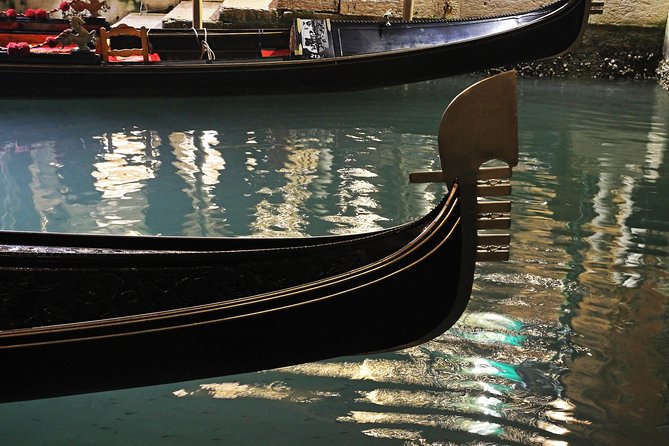
If your Venice memories are mostly bridges and gondolas from a distance, this is the moment to shift. The route includes Squero dei Muti, an old gondola factory.
This stop brings a different Venice. You’re not watching gondoliers pose for pictures. You’re seeing the workshop side of the city—proof that gondolas are craft, not just a symbol.
Next, you’ll walk to Ponte Chiodo, described as the original bridge of the Venetian Republic. It’s a small stop, but it changes how you think about bridges in Venice. They’re not only crossings. They’re political history, engineering answers to water life, and neighborhood connectors.
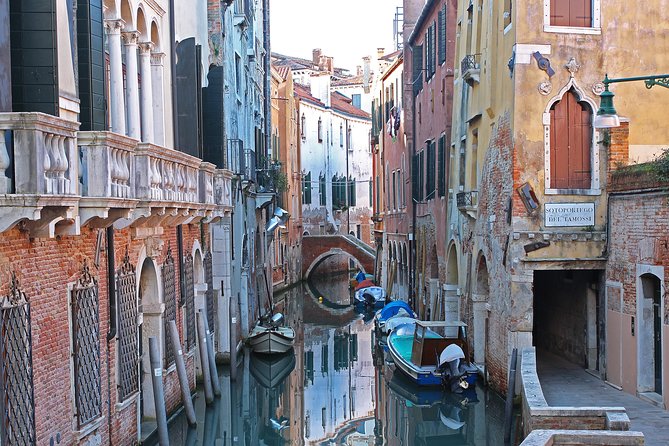
And along the way, you’ll keep catching canal views that aren’t packed with photo lines. For me, that quiet pacing is the real value: you’re learning while you move, not just collecting stops.
Rialto Bridge and the Market: A Famous Finish With Real Context
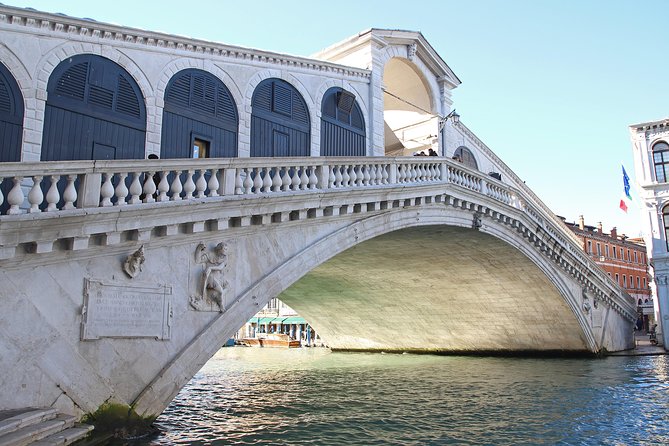
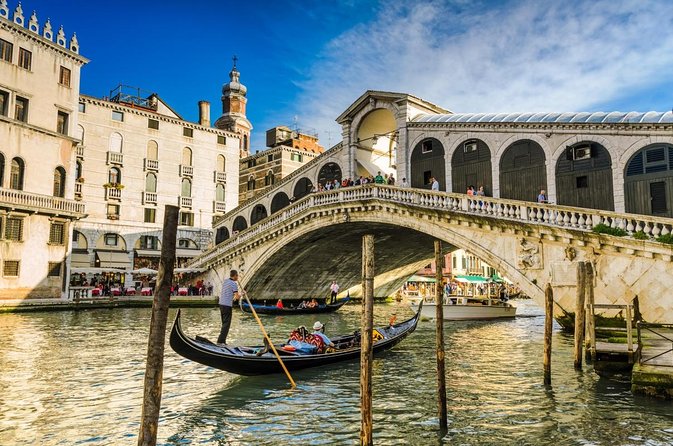
Eventually, the tour lands at one of Venice’s big icons: Ponte di Rialto. Here, you’ll learn stories behind this 16th-century landmark and how it became the city’s public stage for trade and movement.
What makes the Rialto segment worthwhile is that it’s not treated like a trophy. The guide frames it with the Venice that made Rialto necessary—routes, commerce, and traditions that were built around water.
You’ll continue through Campo San Giacomo di Rialto, noted as the first lived island of Venice. That stop gives you a “before it was what it is now” feeling, without going so far back that it turns into a history lecture.
Then you end near Mercato di Rialto, the old trade center of the Venetian Republic, also tied to the name La Serenissima. This final stretch helps you connect the dots: the streets, the bridges, the canal economy. When you leave the walk, Rialto stops feeling random. It starts feeling inevitable.
At the end, you’re well-positioned to keep exploring on your own. Since the tour ends near Rialto Bridge, you get an easy launch point for more browsing, eating, and wandering in the surrounding lanes.

What the Guides Actually Do (And Why It Works)
The best version of this tour is the one where the guide keeps you thinking while you walk. In the praised experiences tied to guides such as Mateo, Giovanni, Nico, Sebastian, Sebastiano, Thomas, and Michelle, the common thread is story craft—fun facts, clear explanations, and plenty of room for questions.
Some guides also help you with orientation at the start—like an overview of Venice’s quarters—so the walk makes sense even if you’re new to the city. That matters in Venice, where it’s easy to feel lost fast.
You’ll also pick up practical ideas. Several people highlight getting restaurant recommendations at the end, and at least one mentioned help planning transit (like how to reach Murano by ferry). Even if you don’t follow every suggestion, it’s a useful shortcut: you’re not guessing what locals do after their walking day.
One balanced note from the overall experience: a small number of groups reported slower pacing at times and being asked to stand through longer explanations. If you’re the type who gets impatient when you stop often, you might prefer a private option so the guide can adjust the flow to your group.
Price and Value: Is $47.16 a Smart Use of Time?
At $47.16 per person for about 2 hours, you’re paying for what Venice is hardest at: a human explanation plus a route that steers you into quieter districts.
The included value matters:
- A local guide
- A city map per person
- Local taxes
- A 2-hour walking tour
- Pickup at Hotel Antiche Figure (but no hotel drop-off)
That map isn’t just paper. It helps you keep your orientation after you break away at Rialto. And the guide time is the real currency here. A route that combines Cannaregio, the Jewish Quarter, gondola workshops, and Rialto in one coherent walk is hard to stitch together on your own without spending hours researching.
One extra reality check: on certain dates, day visitors staying outside Venice can be required to pay a €5 access fee. If you’re coming in for the day, check the official calendar before you lock your plans so it doesn’t surprise you.
Also, this experience is weather-dependent. Venice walks are simple until the rain starts. If the weather isn’t cooperating, you’ll be offered another date or a full refund.
Practical Considerations Before You Go
This tour is built for moderate physical fitness. You should be ready for steady walking and frequent but short stops. The route also includes church-area time where entry isn’t always included.
Your best bet is to go in with realistic expectations:
- You’re getting context, not a race-through of every major sight.
- The Rialto ending is not the same as a full Rialto deep dive. It’s a launch pad.
- If you have hearing issues in group settings, the small group helps, but it can still be tough when everyone is standing together and the guide stops to talk for a while.
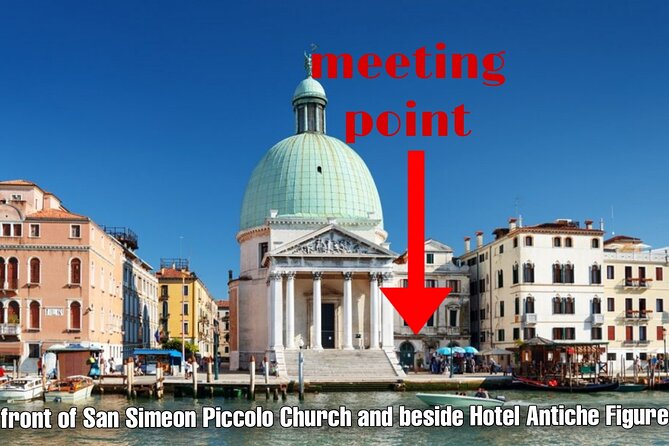
Finally, the meeting point is very specific: Hotel Antiche Figure near Santa Lucia (Santa Croce area). If you’re arriving from a cruise port or getting dropped farther away, give yourself extra time to reach the start without stress—one disappointed experience came from a long walk to the meeting point.
Should You Book The Real Hidden Venice?
If you want Venice that feels lived-in—quiet canals, working-city history, and a guide who explains why places have the stories they do—this is a strong pick. The route does a smart job pairing off-beat neighborhoods with a famous finale, and the small group size gives you a better chance to actually talk instead of just listen.
Skip it or choose a private format if you’re sensitive to stopping often, or if your time window is tight and you’d rather build your own plan without walking between multiple neighborhoods. Also, double-check Madonna dell’Orto entry if you care about going inside.
Overall: for a first visit, or for anyone who wants to trade crowd-chasing for city-understanding, this 2-hour walk is excellent value.
FAQ
How long is The Real Hidden Venice tour?
It’s approximately 2 hours walking.
What is the group size limit?
For the group tour, it has a maximum of 15 travelers.
Where does the tour start and end?
It starts at Hotel Antiche Figure in Santa Croce (Santa Simeon Piccolo area) and ends near Rialto Bridge at Ponte de Rialto.
Is the tour offered in English?
Yes, it is offered in English.
What’s included in the price?
It includes a local guide, a city map per person, local taxes, and the 2-hour walking tour, plus pickup in front of Hotel Antiche Figure.
Is there any admission not included?
Yes. The church stop at Chiesa della Madonna dell’Orto lists admission as not included.