REVIEW · VENICE
The Secrets of the Grand Canal – Special Private Boat Tour
Book on Viator →Operated by Shome Venice · Bookable on Viator
Venice looks different when it’s on water. This private Grand Canal tour gives you a calm, guided pass by the city’s biggest sights. I especially like the hotel pickup plus an itinerary that moves quickly without the walking grind.
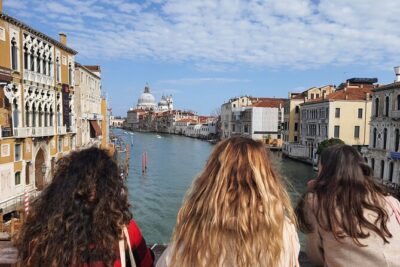
I also like how the time is spent on perspective: you see palaces, bridges, and landmark facades from the exact angles that photos usually miss. You also get a guide who makes the stories make sense, like the Bridge of Sighs and the plague memory tied to St. Mark’s area.
The main thing to consider is that the ride is only about 1 hour, so it’s an overview, not a slow-sightseeing crawl. Also, if you’re farther back on the boat, hearing can be harder because loudspeakers aren’t allowed on the Grand Canal.
In This Review
- Key highlights to know before you go
- Why a private Grand Canal boat tour is a smart Venice move
- Hotel pickup and the easy start you’ll feel right away
- The Grand Canal opening: palaces, legends, and the best kind of first glance
- Rialto from the water: bridge views plus the stories behind it
- St. Mark area views: sacred buildings and the canal-shaped city
- Bridge of Sighs: a quick look with big emotional context
- Squero di San Trovaso and Ca’ d’Oro: gondola craft meets golden facade
- Rialto Market, Ca’ Pesaro, and T Fondaco dei Tedeschi: the “wealth machine” view
- Fontego del Megio and Palazzo Labia: reading power in the facade
- Scalzi Bridge and Palazzo dei Camerlenghi: noble elegance, harsh reality
- Ca’ Rezzonico and the Accademia area: elegance near culture
- Santa Maria della Salute: plague memory in active Venetian tradition
- Punta della Dogana to Doge’s Palace: where Venice’s power feels most real
- Guides, boat comfort, and how to get the best views
- Price and value: does $211.19 make sense for you?
- Timing it with the rest of your Venice day
- Should you book this private Grand Canal boat tour?
- FAQ
- How long is the Secrets of the Grand Canal private boat tour?
- Is hotel pickup included?
- Is this tour private or shared with strangers?
- What language is the tour offered in?
- Do I need a printed ticket?
- Is the tour’s price $211.19 per person?
- Are there any admission costs during the tour?
- Do I need to stay in Venice to avoid extra fees?
- What happens if the weather is bad?
- Can the guide use a speaker so everyone can hear?
Key highlights to know before you go
- Private for just your group, so questions and pace stay flexible
- Hotel reception pickup in Venice, plus a mobile ticket for easier arrival
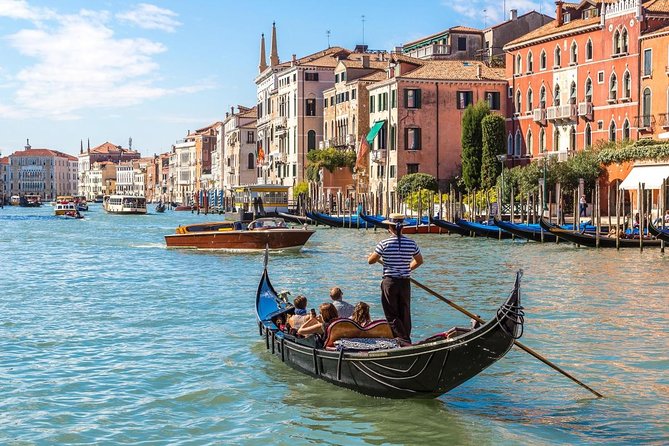
- Grand Canal orientation with water-level views of Rialto, St Mark, and Doge-area landmarks
- Great photo angles from the boat, especially if you position yourself near the rear
- English-guided commentary with local details about architecture, legends, and Venice life
- Short-but-packed route, so pair it well with walking plans afterward
Why a private Grand Canal boat tour is a smart Venice move
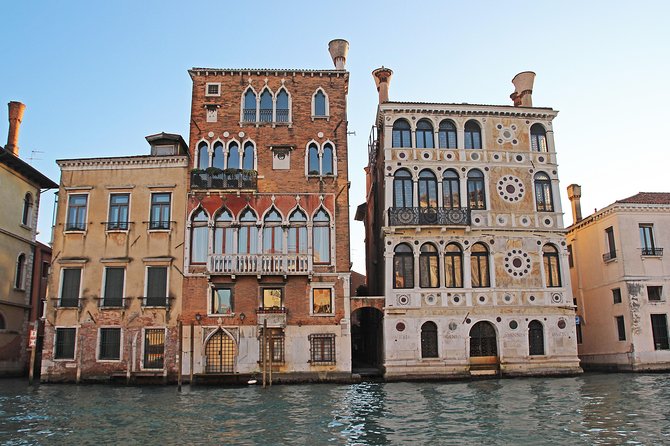
Venice can feel like a maze until you see it from above—or better, from the water. This tour is built for orientation: you get a fast understanding of where major sights sit in the city, how they connect, and what they look like from river level.
What makes this one practical is the pacing. You’re not stuck in lines, and you’re not fighting for position along the main sidewalks. The boat becomes your “moving viewpoint,” which is exactly what you want when you only have a day or two.
And because it’s private, the guide can tailor the chatter to your group. If your focus is architecture, legends, or simply learning your way around, you’ll get more of that—and less of the random, one-size-fits-all script.
You can also read our reviews of more boat tours in Venice

Hotel pickup and the easy start you’ll feel right away
Pickup is offered directly at your hotel reception. For Venice, that matters. The city is made for walking, but water transport and narrow lanes make meetups tricky. Having the guide show up where you’re staying reduces stress at the start.
Plan to arrive ready to go—especially because your time window is an hour. Once you’re onboard, you’ll settle in and start seeing the Grand Canal’s big facades in sequence, like turning pages in a picture book, but with context.
If you’re outside the city center, you might also want to sanity-check your exact pickup point when you book, since Venice access points can be finicky. Even when pickup is included, the final approach in Venice is sometimes a short walk from where a vehicle can stop.
The Grand Canal opening: palaces, legends, and the best kind of first glance
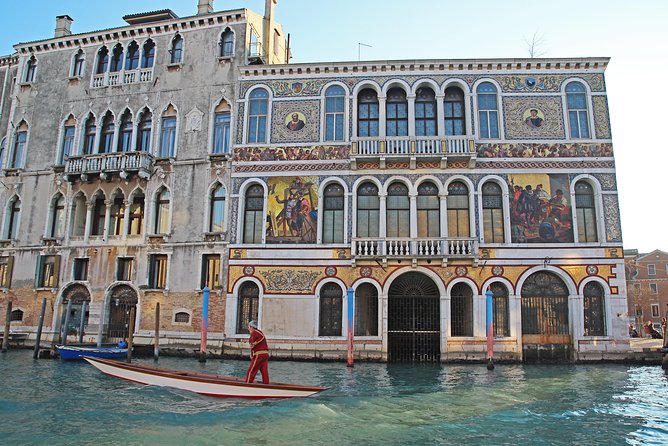
Your ride begins along the Grand Canal with a focused look at palaces and “treasures” along the waterway. This is where the tour earns its name: Venice’s grandeur isn’t just on land, it’s designed to be seen from the canal.
You’ll also pick up small details that help you read the buildings later. Venice architecture can look similar at a distance—waterline colors, window patterns, and the rhythm of facades—but from the boat, your guide can point out what’s different and why it mattered to the Venetian Republic.
One practical bonus: the boat view is calmer than standing in a crowd. You can actually take photos without constantly dodging elbows, and you can watch how the canal bends so you understand which direction you need to head on foot afterward.
Rialto from the water: bridge views plus the stories behind it
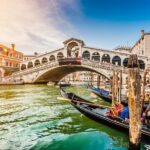
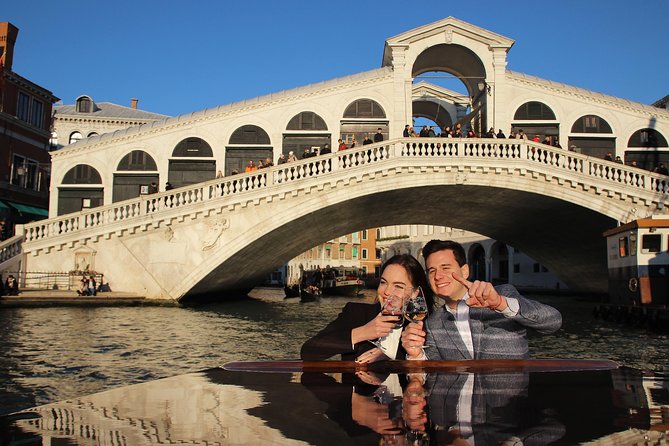
Next comes Rialto, with a pass under the bridge for a unique perspective. If you’ve only seen Rialto from the sidewalks, this angle can feel like a totally different structure. It’s also a fast way to connect the bridge to the surrounding market area in your mind.
You’ll get the bridge’s secret and curse themes during the pass. These are the kinds of legends that make sightseeing more than just “pretty buildings”—they help you remember what you saw.
The time here is short, so treat Rialto on this tour as a contrast point: you’re not trying to fully explore the neighborhood yet. You’re learning where it sits and what it looks like from water, then using that knowledge later for a walking visit.
St. Mark area views: sacred buildings and the canal-shaped city
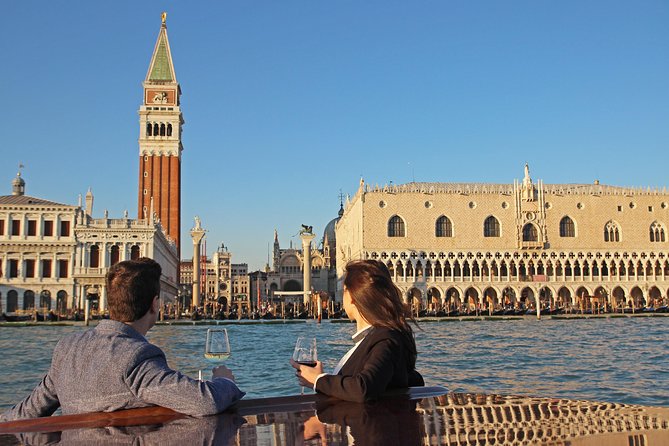
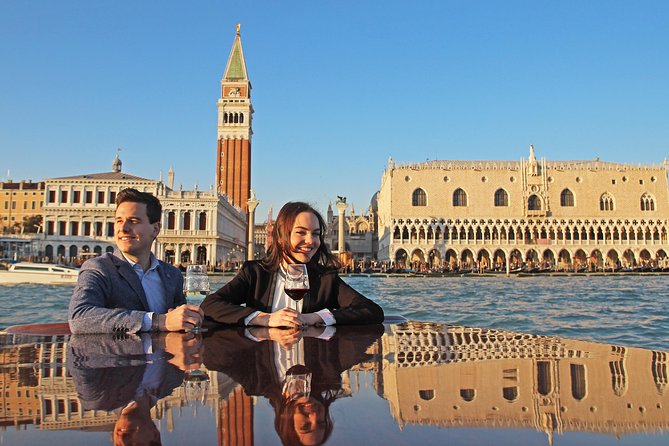
From the water, the St. Mark area hits differently. You’ll get water-level admiration of the St. Mark zone, which is important because so much of the famous skyline is framed by the canal approach routes.
This is also where the tour’s “mysterious aspects” theme starts to click. Venice isn’t one straight-lined city plan. It’s a network of watery corridors, and the famous area functions like a hub you reach and approach by boat.
Even in brief moments, you’ll start connecting the map in your head to landmarks you’ve seen in postcards. That makes your later wandering far less random.
You can also read our reviews of more private tours in Venice


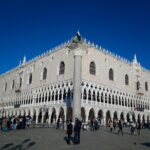
Bridge of Sighs: a quick look with big emotional context
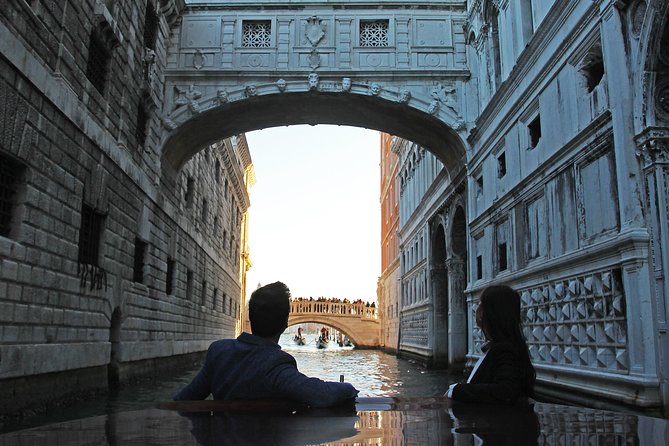
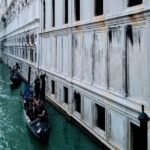
Then you pass the Ponte dei Sospiri, the Bridge of Sighs. Seeing it from the water gives you a clear view of its presence in the city fabric, and it’s a good moment for understanding the darker side of Venetian storytelling.
The bridge’s “mysterious story and secrets” are part of why people love this stop. Even if you don’t plan a full museum day, this kind of guided context turns the sight into a memory with meaning.
One tip for photos: keep your camera ready as you approach. The boat doesn’t stop for long here, so you’ll want a steady shot as the bridge fills your frame.
Squero di San Trovaso and Ca’ d’Oro: gondola craft meets golden facade
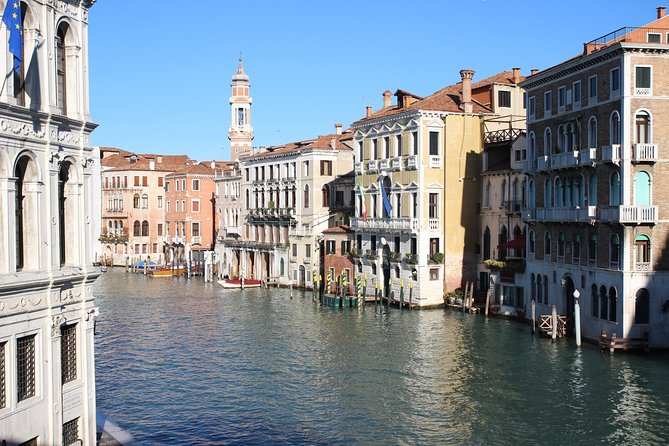
You’ll also pass in front of the Squero di San Trovaso, where gondolas are still produced. That matters because it’s one of the few places where the city’s traditional craft is tied to a real working location, not just a souvenir idea.
From there, you’ll see the Galleria Giorgio Franchetti alla Ca’ d’Oro and the incredible Ca’ d’Oro facade—often described as the Golden Palace. From the water, the building reads like a statement: ornate, deliberate, and meant to impress anyone arriving by canal.
This is a nice balance in the route. You go from legends and palaces to a reminder that Venice still makes things by hand, and you see how wealth and craft sit side by side along the same waterways.
Rialto Market, Ca’ Pesaro, and T Fondaco dei Tedeschi: the “wealth machine” view
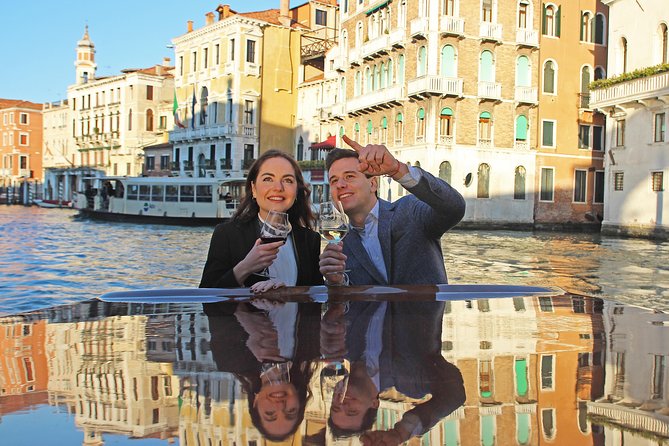
As you continue, you pass landmarks connected to trade, collections, and influential families—especially around the Rialto orbit.
You’ll glide by the Mercati di Rialto, then by Ca’ Pesaro, and also by T Fondaco Dei Tedeschi by DFS. These are quick passes, but they’re valuable because they add variety: the tour isn’t only about churches and dramatic bridges.
From the boat, you get a “street-level-to-canal-level” understanding of how these buildings relate. That helps you decide later whether a market stroll is worth it for you, or whether you’d rather spend time on museums and grand interiors.
Fontego del Megio and Palazzo Labia: reading power in the facade
You’ll see Fontego del Megio and learn how the buildings of the Venetian Republic functioned as part of a trade-and-storage network. Even without stepping inside, this kind of guided framing helps you understand why so many facades look “designed” rather than purely decorative.
Then comes Palazzo Labia, with a story about being a labia and the Spanish family tied to the palace. This is the sort of stop that works well on a boat: you can study the shape and position of the building, while your guide gives you the social context that turns architecture into narrative.
If you’re the type who enjoys stories about who lived where and how Venice ran itself, these moments will feel like they add texture to your trip instead of just checking boxes.
Scalzi Bridge and Palazzo dei Camerlenghi: noble elegance, harsh reality
Passing Ponte degli Scalzi keeps the route moving while still offering a sense of the city’s rhythm of bridges and waterways. It’s a short moment, but it keeps you seeing how the canals carve Venice into connected districts.
Then you’ll see Palazzo dei Camerlenghi, described from the boat as among the worst prisons of the world. That dark contrast is part of why this tour works. Venice’s public image is beautiful, but its power systems included fear, punishment, and control.
If your Venice style includes understanding the full picture—not only the romantic highlights—this stop will land well.
Ca’ Rezzonico and the Accademia area: elegance near culture
Ca’ Rezzonico appears next from the water, giving you another “palace at canal level” view. It’s one of those buildings that you might recognize later once you’ve seen it in motion.
Then you pass Ponte dell’Accademia, tied to the architecture and story of the Accademia Art Gallery. The key value here isn’t that you spend time inside. It’s that you understand the cultural geography: where major art spaces sit relative to bridges and the canal route.
If you’re planning a museum day, this quick orientation helps you group sights without backtracking.
Santa Maria della Salute: plague memory in active Venetian tradition
You’ll reach Basilica di Santa Maria della Salute, where the guide ties the area back to Venice’s black plague and to traditions that are still active. This is an important stop because it connects a landmark to living ritual, not just a historical event behind glass.
What I like about this moment is that it reframes the sightseeing process. Even if you never planned to learn about plague-era Venice, a guided reference gives the city depth and emotional grounding.
For your own trip planning: if you like ceremonies, seasonal events, or church traditions, you’ll appreciate that you’re seeing more than just a pretty facade.
Punta della Dogana to Doge’s Palace: where Venice’s power feels most real
The ride continues to Punta della Dogana, described as the old entrance of the city. Seeing the idea of an entrance from the canal makes sense because Venice is a city designed to be arrived at by water, not entered by streets.
Then you pass the Ponte della Costituzione, a modern architecture contrast that reminds you Venice didn’t stop evolving once the old republic era ended. It’s a quick visual reminder of layering.
You’ll also pass Palazzo Grassi and then Doge’s Palace from the water to understand the importance of the Doge. This portion of the route is the payoff for people who want the political spine of Venice.
Even if your visit to Doge’s Palace interiors is later (or not at all), seeing it from the canal is a clear way to “place” it in the city’s layout and history.
Guides, boat comfort, and how to get the best views
A big reason this tour stays near the top is the human factor. Names that have come up include Giovanni, Michaela, Mario, Georgia, Nico, Matteo, Marta, and Sebastian. Different guides, same style: they’re tuned to turning architecture and legend into something you can picture.
Many people also mention that the boat can feel smooth and comfortable for an hour, and that choosing your viewing spot matters. If you’re able, move toward the back for the best open-angle views of the canal walls and bridges.
You may also leave with practical tips—like where to eat or how to navigate—because some guides share handwritten-style notes or a useful map at the end. That kind of takeaway makes the tour feel less like a drive-by and more like a head start.
Price and value: does $211.19 make sense for you?
At $211.19 per person for about an hour, this is not a budget activity. But it can be good value if you care about time, comfort, and guided orientation.
Here’s why the pricing can work:
- It’s private, so you’re paying for your group’s exclusive boat time rather than splitting attention with strangers.
- You get hotel pickup at your hotel reception and a mobile ticket, which reduces day-of hassle.
- One admission ticket is included while the other featured spots are viewed from the boat for free, so you’re not paying repeatedly for add-ons mid-ride.
It also helps that it’s scheduled in a way that many people plan ahead. On average, it’s booked about 58 days in advance, which tells me prime time slots can disappear. If your dates are fixed, booking early is a smart move.
This tour is best when you want a smart orientation without committing to a long day of walking and queueing.
Timing it with the rest of your Venice day
Because this is roughly an hour, I’d treat it like a first-day tool—or a reset after a walking morning.
If you do a walking tour earlier, the canal ride works like a breather. You’ll still learn, but your feet get a rest. If you do it later, you’ll return to the neighborhoods with a better sense of where things connect.
For the best day flow, pick one or two “deep” targets for walking after the boat. Otherwise, it’s easy to over-plan: Venice is too rewarding to sprint between five half-visits.
Should you book this private Grand Canal boat tour?
Book it if you want a calm, guided introduction to Venice that gets you water-level views of the biggest icons in a short window. It’s especially good for families, couples, and anyone who likes photos but doesn’t want to spend the hour fighting crowds.
Skip it or choose a longer option if you’re the type who prefers slow, on-foot exploration at each stop. An hour goes quickly, and you’ll likely want more time later for the places that catch your eye most.
My practical rule: if you’re excited about Rialto, St. Mark, the Bridge of Sighs, and Doge’s Palace areas, and you want those connected in your mind fast, this tour fits your Venice schedule.
FAQ
How long is the Secrets of the Grand Canal private boat tour?
It lasts about 1 hour.
Is hotel pickup included?
Yes. The guide picks you up directly at the reception of your hotel.
Is this tour private or shared with strangers?
It’s private. Only your group participates.
What language is the tour offered in?
The tour is offered in English.
Do I need a printed ticket?
No. You’ll receive a mobile ticket.
Is the tour’s price $211.19 per person?
Yes, the price is listed as $211.19 per person.
Are there any admission costs during the tour?
One stop includes an admission ticket. The other listed stops are described as free when viewed from the boat.
Do I need to stay in Venice to avoid extra fees?
Not always, but on certain dates, if you are staying outside Venice and are visiting for the day (not in a Venice hotel), you may need to pay a €5 access fee.
What happens if the weather is bad?
This experience requires good weather. If it’s canceled due to poor weather, you’ll be offered a different date or a full refund.
Can the guide use a speaker so everyone can hear?
On the Grand Canal, loudspeakers are not allowed during navigation due to regulations. If you’re seated farther from the guide, you might hear less clearly.