REVIEW · VENICE
Small Group Tour Historical and Charming Venice Jewish Ghetto
Book on Viator →Operated by Free Walk in Venice · Bookable on Viator
Venice’s Jewish ghetto stories hit fast. I like how this small-group tour keeps things personal, and how you learn the Venetian roots of the word ghetto while spotting symbols you’d miss on your own. One drawback: this is a walking tour and it avoids museum and indoor synagogue visits, so you’ll need a separate plan if you want to go inside.
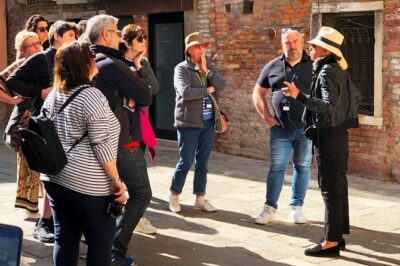
You’ll start in a quieter corner of Cannaregio and end with a real Venice moment on the water at Fondamenta dei Ormesini. The guide—often Lucia in past tours—is known for mixing wit with sharp, respectful historical context, including how World War II and Nazi deportations changed Venice.
If you’re expecting a casual stroll full of light facts only, plan for heavier themes when the tour reaches the ghetto and the Holocaust story. Also, a few days have a possible €5 access fee for certain day visitors, so it’s worth checking before you go.
In This Review
- Key Points You’ll Actually Care About
- Cannaregio’s Jewish Ghetto: A Different Side of Venice
- Entering the Day at Campo San Geremia’s Garden Moment
- Fondamenta Cannaregio: Real Canal Views and the Ghetto Vechio Link
- Calle Ghetto Vecchio and the Word ghetto (Venetian, Not Italian)
- Ghetto Ebraico Walk: Hidden Synagogues, Nazi Deportation Memory
- Campo di Ghetto Nuovo: Synagogues From Outside and the Venice-Culture Vibe
- Fondamenta Dei Ormesini Finish: Bacaro, Gelato, or Cannaregio Coffee
- Price and What You Get for $53.88
- Who This Tour Suits Best (And Who Might Skip It)
- Quick Practical Tips Before You Go
- Should You Book This Jewish Ghetto Walking Tour?
- FAQ
- Where does the tour start and end?
- How long is the walking tour?
- What’s the group size?
- Is there a mobile ticket?
- Does the tour include museum visits or entering synagogues?
- Which neighborhood does it focus on?
- Is there an access fee for some visitors?
- What’s required for the tour to run?
- Can I cancel for free?
- Are service animals allowed?
Key Points You’ll Actually Care About
Small group, max 10 people: easier questions, less crowd pressure, and more conversational pace.
Venetian ghetto origin facts: you’ll learn where the word ghetto comes from and why that matters locally.
Hidden details, not just famous sights: you’ll spot lesser-known landmarks and interpret symbols along the way.
WWII and Nazi deportations included: the tour doesn’t skip the hard parts, and it frames them carefully.
Synagogues are viewed from outside: perfect for orientation, not a substitute for an interior visit.
Flexible finish for your taste: plan for a bacaro wine, gelato, or coffee stop depending on time and season.
Cannaregio’s Jewish Ghetto: A Different Side of Venice
Venice can feel like one big stage from the main routes—beautiful, yes, but also loud and repetitive. This tour takes you into Cannaregio, where you get a quieter, more layered view of the city: not just canals and facades, but a neighborhood shaped by rules, faith, survival, and memory.
What makes the experience valuable is the way it connects everyday streets to big history. You don’t just hear dates. You learn why the Serenissima Republic forced strict living conditions, how the community adapted, and how the Nazi deportations left a lasting mark on Venice. That context gives shape to the places you see—especially the ghetto areas that most standard sightseeing routes never touch.
And because the group is capped at 10, you’re not getting swept along like a numbered photo stop. You can ask questions, and the guide can slow down for the details that help the neighborhood make sense.
You can also read our reviews of more historical tours in Venice


Entering the Day at Campo San Geremia’s Garden Moment
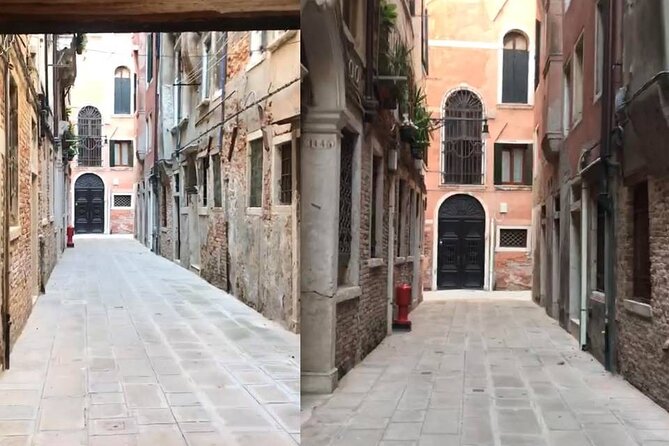
The tour begins at Campo San Geremia, a meeting point in Venice where you can shake out your bearings fast. The first stop is a chance to notice something many visitors miss: a hidden garden and the unexpected story of a Venetian family.
This is a smart opening for two reasons. First, it eases you into the area with atmosphere before history gets heavier. Second, it trains your eyes early—because later you’ll be encouraged to look for small clues and symbols in the architecture and street corners.
If you’re the type who likes to understand how a place feels before you jump into facts, this start works. You’re not forced to sprint from one landmark to another right away.
Fondamenta Cannaregio: Real Canal Views and the Ghetto Vechio Link

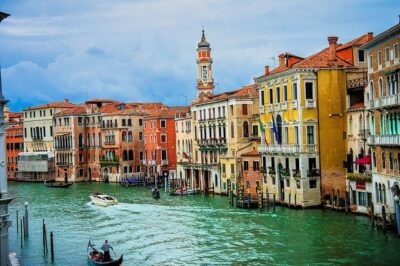
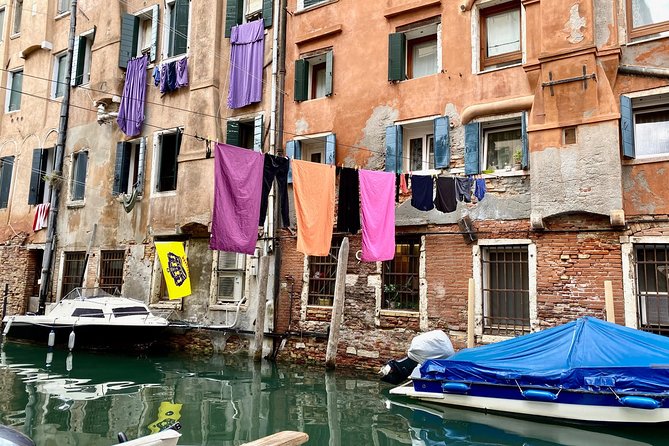
Next you head to Fondamenta Cannaregio, where the guide points out one of the few real Venetian canals you’ll see on foot during the walk. Then the tour traces connections to the ghetto area via an entrance/exit associated with the Gheto Vechio.
This stop is practical even if you’re not a history nerd. You’ll get a sense of how water shaped life in Venice—movement, work, trade, and daily routines. And by tying the canal view to the ghetto’s layout, you start understanding the neighborhood as a system, not just a set of buildings.
A small note: you’ll be outdoors and walking the whole time. If you’re sensitive to weather or long sun exposure, plan your day around cooler hours.
Calle Ghetto Vecchio and the Word ghetto (Venetian, Not Italian)
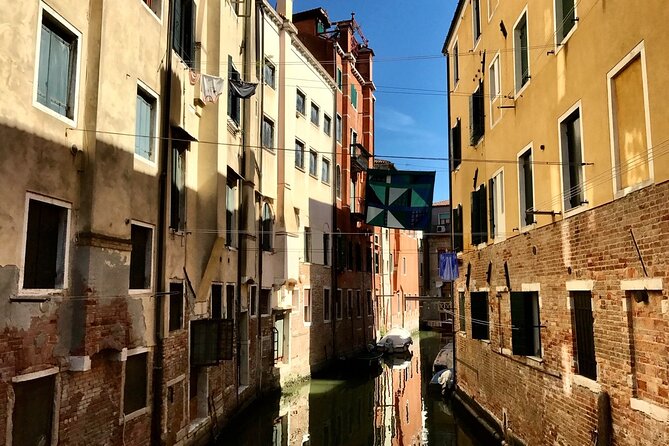
At Calle Ghetto Vecchio, the tour shifts into one of its most memorable teaching moments: the history behind the word ghetto. You’ll hear the point clearly—people often assume it’s Italian, but it’s Venetian in origin.
This matters because language follows power. Place names in Venice can signal control, identity, and separation. By learning where the word comes from, you stop treating the ghetto as just a generic term and start seeing it as something rooted in local governance and local life.
The guide also adds a language-and-local-culture angle, including a chance to speak Venetian with guidance. Even if you only pick up a few phrases, it changes your tone as you walk. You feel less like a spectator and more like someone learning the neighborhood’s rhythm.
Ghetto Ebraico Walk: Hidden Synagogues, Nazi Deportation Memory
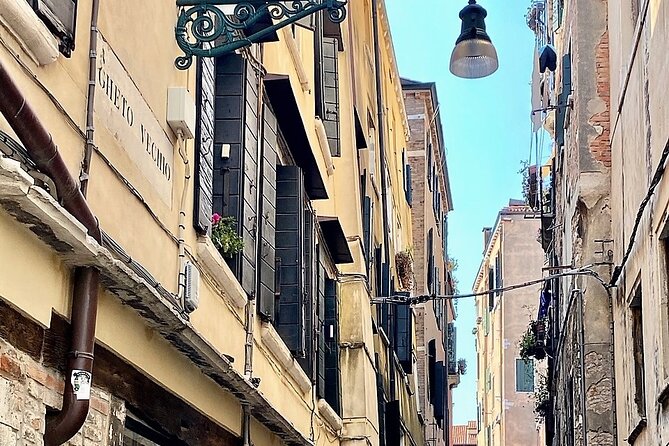
This is the tour’s center of gravity. In Ghetto Ebraico, you’ll take an unusual stroll through what’s described as one of the first Jewish ghettos in the world, focusing on a section that’s well preserved and away from the usual tourist trail.
You’ll learn how the Serenissima Republic enforced strict rules on the Jewish community and how people lived for centuries under those conditions. Then the tour brings in the tragedy of the Nazi deportation and explains how the Holocaust left a deep mark on Venice.
What I really like here is the guide’s approach to visibility. Instead of pretending everything is obvious, you’re taught how to recognize hidden synagogues and interpret what you see from the street. You’re not just collecting facts—you’re learning how to read Venice like a local.
One consideration: this part of the walk is emotionally serious. The tour isn’t advertised as sensational or dramatic, but it’s not a fluffy history stop either. If you prefer a lighter tone, you might want to pace yourself and take breaks as needed.






Campo di Ghetto Nuovo: Synagogues From Outside and the Venice-Culture Vibe
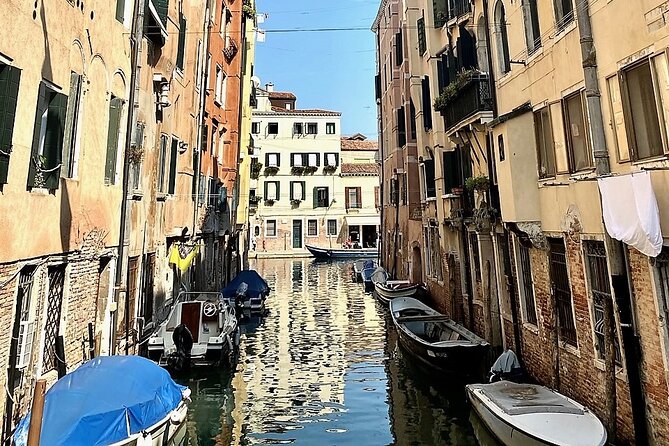
At Campo di Ghetto Nuovo, the guide spotlights details many casual visitors miss—details that connect to the synagogues located in the area. You get to discover synagogues from outside, along with their different stories and legends.
Even though the tour doesn’t go inside, viewing synagogues externally is still useful. It helps you understand placement, scale, and neighborhood relationships. It also sets you up for later if you decide to seek out interior visits through another option (the tour itself specifically does not include museum or synagogue entry).
This stop also leans into Venice culture and classic association. The guide references the Merchant of Venice atmosphere, including a playful prompt about the most famous Venetian man. It’s the kind of moment that keeps the tour from feeling like only solemn lectures—while still respecting what you’re walking through.
If you love connecting literature and place, this is one of those “my brain clicks the city together” pauses.
Fondamenta Dei Ormesini Finish: Bacaro, Gelato, or Cannaregio Coffee
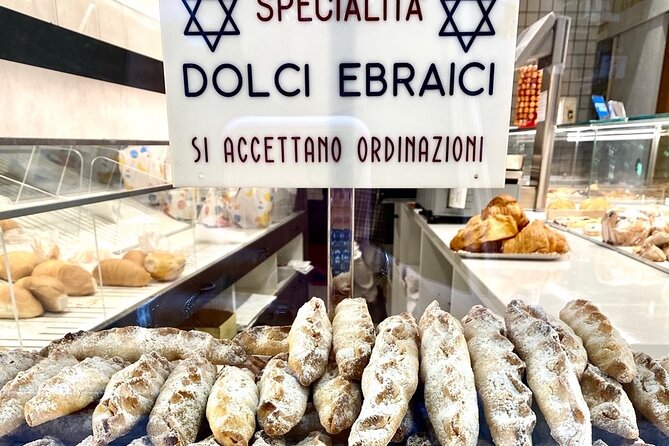
The tour ends at Fondamenta dei Ormesini, and the finish is wonderfully Venetian: a water-front meeting point where locals relax, eat, and drink. Depending on time and season (and age), the guide suggests a glass of wine from a favorite bacaro, or gelato, or a Cannaregio coffee.
This works as more than a treat. It’s your practical decompression window—time to process what you just learned, take photos without rushing, and ask last questions if you want.
Also, it’s a good spot to transition into your next plan. From here, you can continue exploring Cannaregio at your own pace rather than racing back through crowds toward the next “must-see.”
Price and What You Get for $53.88
At $53.88 per person for an approximate 2-hour small-group experience, the value comes from two things: the guide focus and the neighborhood selection.
First, the group limit (max 10) matters. In Venice, crowds can eat your attention. Smaller groups keep the walking pace realistic and the discussion possible. That’s part of why this tour gets strong marks for being engaging and easy to follow.
Second, the route is designed to avoid the usual tourist choke points. You’re not just hitting the postcard spots. You’re going where the Jewish quarter’s story actually lives in the streets—Campo, canal frontage, alleyways, and the ghetto-area fields of view.
One more value note: mobile ticket is included. That sounds minor, but it reduces friction when you’re juggling a busy day.
The trade-off: the tour does not visit the museum or enter synagogues. If indoor access is your top priority, you’ll need to arrange that separately. The guide’s contact info can help you figure out what’s possible.
Who This Tour Suits Best (And Who Might Skip It)
This tour fits you well if you want:
- a history walk that stays human and place-based, not abstract
- an experience in Cannaregio that feels local and less crowded
- guidance on symbols and lesser-known landmarks
- the full story, including WWII and Nazi deportations
It may be less ideal if:
- you want only light, casual sightseeing
- you want interior synagogue or museum access as part of the package
- you’re not comfortable with emotionally heavy history
If you’re traveling with teens or adults who like context, this is a strong choice. For kids, the tour is described as suitable for most travelers, but you should still check how the guide plans to handle pacing and tone for your specific group.
Quick Practical Tips Before You Go
Come prepared like you’re walking a neighborhood, not touring a theme park.
- Wear comfortable shoes. Even though it’s about 2 hours, it adds up on Venice pavement.
- Bring a light layer. Venice weather can change fast, and the tour depends on good conditions.
- Have your phone ready for the mobile ticket.
- If you’re visiting as a day tripper from outside Venice, check if the €5 access fee applies on your date. The tour notes that it can apply to certain day visitors.
Should You Book This Jewish Ghetto Walking Tour?
I’d book it if you want Venice with meaning. This isn’t about collecting famous sights. It’s about learning how a neighborhood worked, how language and rules shaped daily life, and how WWII and Nazi deportations changed the story.
The small-group pace, the guide’s style (Lucia has been singled out for wit, detail, and keeping everyone engaged), and the focus on lesser-known landmarks make it feel more like a guided education than a quick street parade. The only reason not to book is if you specifically need museum or indoor synagogue entries in the same 2 hours.
If that sounds like you, you’ll likely enjoy this as a must-do Venice experience—especially as a counterweight to the busiest parts of the city.
FAQ
Where does the tour start and end?
It starts at Campo San Geremia, 30121 Venezia VE, Italy and ends at Fondamenta dei Ormesini, 30121 Venezia VE, Italy.
How long is the walking tour?
The tour is about 2 hours.
What’s the group size?
The tour has a maximum of 10 travelers.
Is there a mobile ticket?
Yes. The experience uses a mobile ticket.
Does the tour include museum visits or entering synagogues?
No. It does not include visiting the museum or the synagogues during the tour. Synagogues are discovered from outside.
Which neighborhood does it focus on?
The tour explores Cannaregio, including the ghetto areas such as Ghetto Vechio and Ghetto Ebraico, plus surrounding stops.
Is there an access fee for some visitors?
On certain dates, some travelers who are staying outside Venice for the day may be required to pay a €5 access fee. You should check the applicable dates and exemptions.
What’s required for the tour to run?
The tour requires good weather. If it’s canceled due to poor weather, you’ll be offered another date or a full refund.
Can I cancel for free?
Yes. Free cancellation is available up to 24 hours in advance for a full refund.
Are service animals allowed?
Yes, service animals are allowed.