REVIEW · VENICE
9-Day Small Group Tour of Venice, Florence and Rome
Book on Viator →Operated by Firebird Tours · Bookable on Viator
Three cities in nine days, with real breathing room. This tour strings together Venice, Florence, and Rome with boutique hotel stays, guided walks by expert locals, and premium train rides that take the stress out of getting between cities. You start with private airport transfers, then you’re mostly in guide-led sightseeing mode, with pockets of free time to roam.
I especially like two things: the small-group format (aimed at intimacy) and the way the plan includes major-ticket sights without making you chase logistics on your own. Based on past guide lineups, you may get leaders such as Laura in Venice, Alex in Florence, and Rome guides like Flavia and Dino. One consideration: group size can vary. The tour is described as small, but the operating cap is listed as up to 14; I’d confirm this before paying so your expectations match the reality.
In This Review
- Key takeaways before you go
- Venice arrival: airport transfer, water-taxi comfort, and a boutique home base
- Rialto to St. Mark’s: Venice’s must-sees plus the quieter streets
- The Florence transfer: train ride in Premium Class and a smooth check-in
- Florence’s Duomo day: Baptistery, Dome area access, and Michelangelo’s David
- A free Florence day for markets and your own restaurant choices
- Rome orientation day: Trevi, Pantheon, Piazza Navona, and the Bernini/Borromini feel
- Roman Forum and Colosseum: timed entry included, with ancient Rome explained
- Vatican Museums, Sistine Chapel, St. Peter’s Basilica: art-heavy pacing with private-apartment highlights
- Rome on the way out: driver pickup and the airport transfer
- Price and logistics: what $6,994.90 really buys you
- Should you book this Venice–Florence–Rome small-group tour?
- FAQ
- What cities are included on this tour?
- Is this tour a small group?
- What transportation is included between Venice, Florence, and Rome?
- Does the tour include airport pickup and departure?
- Are hotel stays and breakfast included?
- Are major attraction tickets included?
- What sights does the Rome part cover?
- What isn’t included in the price?
Key takeaways before you go
- Small-group feel, but confirm the cap: marketed as max 8 guests, yet the overall limit is listed as up to 14.
- Transport is handled: airport pickups and hotel-to-station transfers, plus Premium Class train seats between cities.
- Major sights are pre-packaged: tickets and reservations are included for places like the Colosseum.
- You get real guidance, not just checklists: local guides lead the big art and history days.
- There’s a wine tasting included: a nice included bonus in an itinerary packed with museums and monuments.
Venice arrival: airport transfer, water-taxi comfort, and a boutique home base
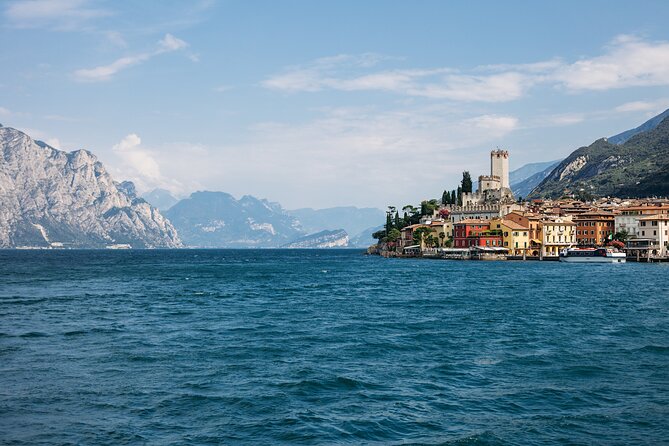
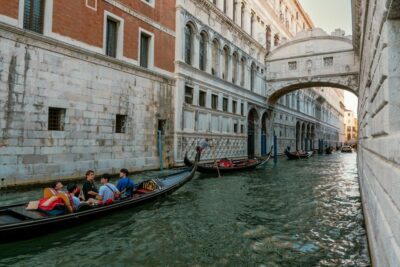
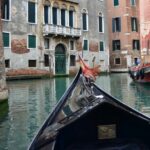
Day 1 keeps it simple. You meet your driver at Marco Polo Airport in Venice, then get moved to your hotel by a private vehicle and water-taxi transfer. After a flight (or a long travel day), that combination matters because it gets you off the clock fast and into Venice’s rhythm.
Your hotel is described as boutique 4-star, and breakfast is included. Location-wise, the tour notes it’s near public transportation, which is useful when you want to dip out on your own for dinner, a gelato stop, or a nighttime canal walk.
The rest of the day is intentionally open. That’s a smart touch in a city like Venice, where jet lag and first-day wandering can eat time. Use it to do three things: get your bearings, find a simple meal close to the hotel, and map your walking routes to the areas you’ll see the next day.
Practical Venice note: even with a guided day ahead, Venice can feel like a maze. Your best move is to choose one direction to explore and let the city guide you back—street after street, bridge after bridge.
You can also read our reviews of more tours and experiences in Venice.

Rialto to St. Mark’s: Venice’s must-sees plus the quieter streets
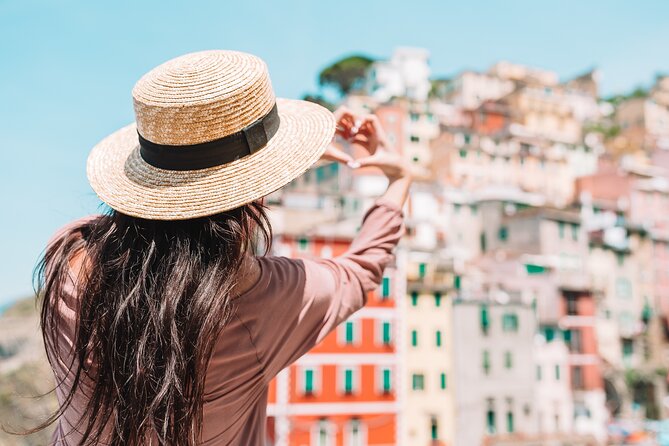
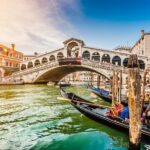
Day 2 is built for the Venice you came for, without only sticking to the most famous postcard spots. You’ll meet your guide in the lobby after breakfast and start with a walking tour that includes Rialto Bridge and the Rialto fish market. The key difference is that the route is meant to go past the most crowded visitor lanes. You’ll see calmer streets and peaceful canals, plus architecture and stories that most people miss because they never stray far enough.
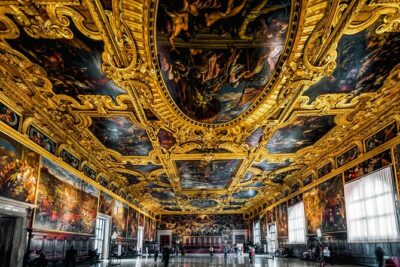
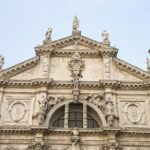
Then comes the big “wow” segment: St. Mark’s Basilica and panoramic views from Loggia dei Cavalli, looking out over St. Mark’s Square. St. Mark’s isn’t just pretty. It’s a visual lesson in how Venice used trade wealth to build power, taste, and identity—especially when you’re standing there and can see the scale of the place.
If you’re sensitive to crowds, plan to keep moving rather than freezing for photos. The basilica and its surrounding areas can get packed, and the tour keeps you moving with clear targets. That’s a good thing: it prevents “we’ll just wander until we figure it out” frustration.
The Florence transfer: train ride in Premium Class and a smooth check-in
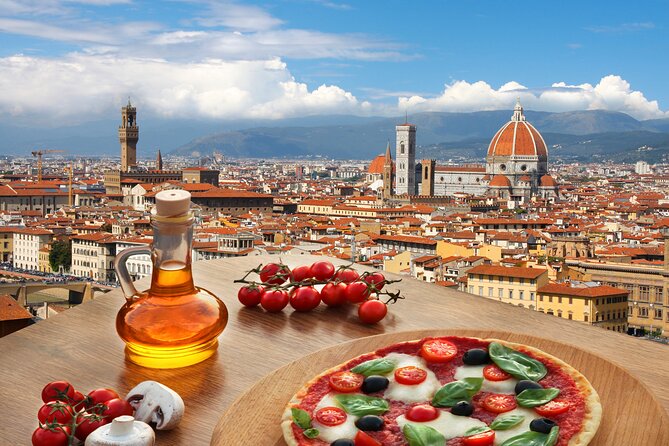
Day 3 shifts you from lagoon romance to Renaissance center stage. After breakfast, you check out and head to the train station, with the tour handling the private driver transfer. You ride to Florence in about two hours, and then your private driver brings you from the station to your hotel.
This is one of those logistics choices that quietly improves a trip. Instead of you juggling station signs and luggage in two languages, you arrive already knowing where to go next. It also protects your energy so your later sightseeing days land better.
Evening is free. Florence at night is different from Venice: more street life, more casual dining, and easier walking between areas. Use that free evening to do a low-effort loop near your hotel. You’ll get a better feel for where the morning sites actually sit once you’ve walked the blocks.
Florence’s Duomo day: Baptistery, Dome area access, and Michelangelo’s David
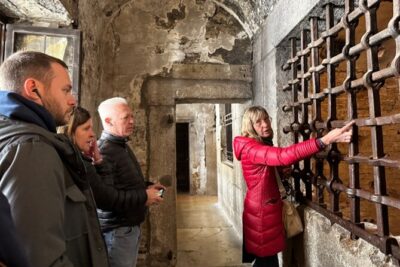
Day 4 is Florence at full volume. You start with a walking highlight tour led by your private guide, anchored on Piazza del Duomo. You’ll visit the Baptistery dedicated to St. John the Baptist and use the included Grande Museo del Duomo ticket to access the complex’s monuments. That ticket is the kind of inclusion that matters, because it’s one of the easiest ways to avoid lines and confusion.
You also get time to explore on your own within the ticket’s validity window (the tour says you can use it within 72 hours). That’s practical flexibility. If you’re tired after the guided portion or want a second look at something, you’re not forced to stay on schedule the entire day.
From there, the tour moves to Piazza della Signoria, walking through the historical center with landmark stops along the way. A highlight here is Via Tornabuoni, known for shops and elegant streetscape. You’ll also get to Galleria dell’Accademia to see Michelangelo’s David, then cross Ponte Vecchio into the Oltrarno district.
Oltrarno is where Florence slows down a bit, and the guide portion helps you find the right lanes. You’ll see areas like Santo Spirito Church and Convent as part of the broader walk, plus the chance to spot an early Michelangelo connection mentioned by the tour.
A pacing note: this is a long day of walking with museum time. If you plan to buy extra souvenirs, do it after the guided segments, not before. Your feet will thank you.
A free Florence day for markets and your own restaurant choices
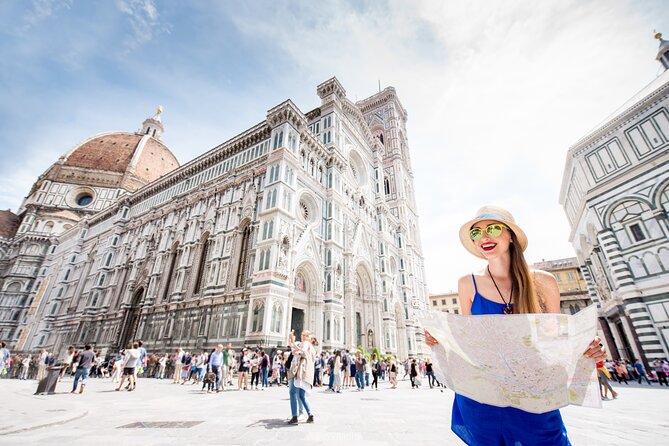
Day 5 gives you breathing room. It’s a full free day in Florence, and that’s where this itinerary earns points. You’re not trapped in a rigid schedule every day, which matters in three dense cities.
The tour’s own recommendation is to visit Mercato Centrale for local foods. That’s a smart strategy for a free day because it’s easy to snack your way through without committing to a formal sit-down meal. Even if you skip the market, you’ll still benefit from using the day for practical tasks: laundry, shopping for easy gifts, and finding a favorite neighborhood.
If you’re the kind of traveler who wants art beyond the headline sights, Florence is perfect for it. The included Duomo ticket’s 72-hour window also gives you a built-in excuse to return to the cathedral area if you want more time.

Rome orientation day: Trevi, Pantheon, Piazza Navona, and the Bernini/Borromini feel
Day 6 is your first full Rome sightseeing block, starting with a transfer from Florence and then a guided route through several icons. After arriving in Rome by train, you check into your downtown hotel, then meet your guide.
The walk hits the big names: Spanish Steps, Trevi Fountain, Pantheon, Piazza Navona, and the Fountain of the Four Rivers. You’ll also see the kind of Baroque artistry that makes Rome feel theatrical, with references to masterpieces by Bernini and Borromini and others.
The tour includes some ticketed time on the Pantheon stop, and it also includes time for sights where the key value is context. In Rome, the difference between seeing something and understanding it can be huge. With a guide walking you through, you’ll notice design choices and symbolism you’d otherwise miss while just trying not to get lost.
If you prefer photos over pacing, you’ll still be able to stop. Just remember this itinerary is built for a lot of ground coverage. Use your evening to recover: Rome dinners are long, and you’ll want your energy for tomorrow’s heavier ancient sites.
Roman Forum and Colosseum: timed entry included, with ancient Rome explained
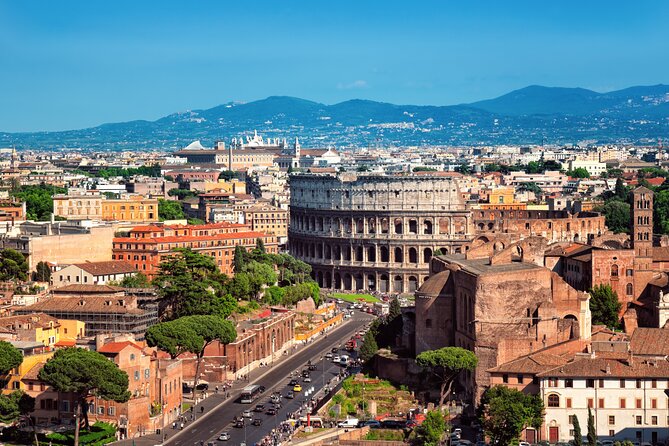
Day 7 tackles ancient Rome’s power center. You start with a morning walking tour aimed at the Roman Forum, with its history as a political and ritual hub. The guide-led time is where you’ll get the “why this matters” connections, with stops tied to major structures and remaining columns, arches, and temple areas.
From there, you move to the Colosseum, Rome’s hallmark site. The tour includes Colosseum entrance plus the reservation fee. That’s valuable because it reduces the hassle of ticket availability and helps you avoid the day-wrecker scenario: arriving at a major site when you can’t get in right away.
This is also where good footwear matters. Even if you like history, your body has to keep up with the walking. I’d plan for hills, uneven stone, and crowds. The good news: the route is structured so you’re not wandering with no direction.
Vatican Museums, Sistine Chapel, St. Peter’s Basilica: art-heavy pacing with private-apartment highlights
Day 8 is a big one, because Vatican time is Vatican time. You start after breakfast with a guide and walk to the walled enclave inside Vatican City.
You’ll visit highlights that aren’t just generic museum walking. The tour mentions areas such as the private apartments of Julius II, the Pinecone Courtyard, and museum galleries like the Gallery of Maps, Gallery of Tapestries, and Gallery of Candelabra. Then you proceed to the Sistine Chapel with enough time to see Michelangelo’s frescoes.
The tour also includes St. Peter’s Basilica, where you’ll see major works like the Pietà and Bernini’s Papal Canopy. You end in St. Peter’s Square with views of Michelangelo’s Dome and Bernini’s colonnades. A photo stop at Castel Sant’Angelo is built in on the way back to your hotel with your guide.
This day is not subtle. It’s museums, then the Sistine Chapel, then the Basilica. The best way to handle it is to pace your own attention: don’t try to absorb everything in one sitting. Pick a few focal points and let the rest stay as impressions. Your brain will retain more that way, and you’ll enjoy the day more.
Rome on the way out: driver pickup and the airport transfer
Day 9 ends with a simple handoff. After breakfast, your driver meets you at the hotel lobby and transfers you to the airport for your flight home. This kind of finish matters because you avoid the scramble of finding transport on your last morning with luggage.
If you have time before pickup, keep it small. Rome can lure you into one last walk, but you’ll want to stay realistic about walking time, traffic, and getting back to the hotel calmly.
Price and logistics: what $6,994.90 really buys you
At $6,994.90 per person, this isn’t a budget trip. The value comes from bundling. You’re paying for a package that includes boutique 4-star hotel accommodations with breakfast, professional local guides, included entrance fees for the major sights, and a big portion of the transport work: private transfers plus Premium Class seats on high-speed trains between Venice–Florence and Florence–Rome.
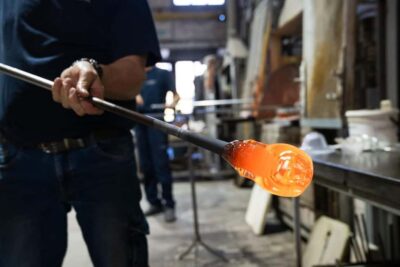
You also get a premium wine tasting included somewhere in the program (it’s listed as an included feature). And the itinerary explicitly includes the Colosseum reservation setup (the reservation fee is called out as valued separately), which is the kind of detail that often costs time when booked on your own.
Where the price can feel heavy is if you’re the type who wants to customize heavily. If you frequently skip optional add-ons or want to change the pace of guided blocks, group-vehicle logistics can sometimes become a point of tension. One past experience in a similar style of planning included frustration when a traveler wasn’t allowed on a bus after skipping an extra paid component. My advice: ask how the group transport works if you choose to skip optional add-ons, so you aren’t surprised.
Finally, confirm the actual group size. The materials describe small-group intimacy, but the operating cap is also listed as up to 14. If you’re paying for a truly intimate experience, you’ll want clarity before departure.
Should you book this Venice–Florence–Rome small-group tour?
Book it if you want three classic Italy cities done with less planning stress and you like the idea of trained local guides taking you to the headline sights with context. It’s a good fit for first-time Italy visitors who don’t want to research tickets, train logistics, and meeting points city by city.
Pass or rethink it if you’re very price-sensitive, you plan to frequently opt out of add-ons during the day, or you strongly care about a tight group cap being truly under 10. The itinerary is full enough that you’ll still want some structure, but knowing how decisions affect transport is worth clarifying.
If you do book, go in with the right mindset: expect walking, expect museum-heavy days, and use the free pockets (Day 1 and Day 5 plus evenings) to eat well and wander slowly. You’ll get the best of these cities when you let the plan handle the hard parts and you steer the rest with your own curiosity.
FAQ
What cities are included on this tour?
Venice, Florence, and Rome are included, with guided sightseeing and included transfers between cities.
Is this tour a small group?
It’s described as a small-group experience (max 8 guests), and the tour information also lists a maximum of 14 travelers, so it’s worth confirming the real cap when you book.
What transportation is included between Venice, Florence, and Rome?
You travel between cities by high-speed trains with Premium Class seats: Venice to Florence and Florence to Rome. Local private transportation is also included for transfers tied to the itinerary.
Does the tour include airport pickup and departure?
Yes. Pickup offered includes private arrival and departure transfers, with the start noted at Marco Polo Airport and pickup arranged at the arrival hall.
Are hotel stays and breakfast included?
Yes. The tour includes boutique 4-star hotel accommodations in your private room, with breakfast included for 8 mornings.
Are major attraction tickets included?
Yes. Entrance fees for sights and museums specified on the itinerary are included, including Colosseum entrance and its reservation fee.
What sights does the Rome part cover?
The Rome itinerary includes Spanish Steps, Trevi Fountain, Pantheon, Piazza Navona, Roman Forum, Colosseum, Vatican Museums (including Sistine Chapel), and St. Peter’s Basilica.
What isn’t included in the price?
Flights are not included, as well as personal expenses and tips.